









I Can Hear Myself Snoring: What It Means and How to Fix It
Waking up to the sound of your own snoring can be a strange and unsettling experience. For some, it happens regularly. For others, it’s an occasional disruption. But the fact that you can hear yourself snore raises an important question: is it normal, and should you be concerned?
If you’ve typed “I can hear myself snoring” into a search bar, you’re not alone. Many people experience this and want to know if it’s a sign of a bigger sleep issue or simply a quirk of lighter sleep. In this article, we’ll break down exactly why this happens, what it could mean for your health, and how to address it effectively.

Can You Really Hear Yourself Snore?
Yes, you can. But whether or not you wake up from it depends on several factors. The ability to hear your own snoring is tied to what sleep scientists call your arousal threshold - the level of stimulus required to wake you from sleep.
Everyone has a different arousal threshold, and it can vary night to night based on stress, sleep quality, and your environment. For example, if you’re in a lighter stage of sleep, your brain is more likely to react to sounds, including your own snoring. In deeper stages, especially slow-wave sleep, the brain’s responsiveness to sound is reduced.
During REM sleep, snoring can be significant, especially in people with obstructive sleep apnea (OSA), but its loudness varies based on airway obstruction and breathing effort, not solely the sleep stage. However, this stage is also when snoring can be loudest, especially in people with obstructive sleep apnea (OSA). This combination sometimes results in a person waking up due to their own snoring, especially if it’s loud or accompanied by choking or gasping.
Why Am I Waking Myself Up Snoring?
If you're frequently waking up to the sound of your own snoring, this may indicate an underlying problem. Here are the most common reasons this happens:
-
Light sleep cycles: If you're not reaching or maintaining deep sleep, you’re more likely to wake from minor disturbances.
-
Obstructive sleep apnea: Loud snoring followed by gasping or choking could be a sign of OSA, a serious condition where your airway temporarily collapses during sleep.
-
Congestion or allergies: Blocked nasal passages force mouth breathing, increasing the chance of snoring and making it more disruptive.
-
Sleeping position: Back sleeping encourages the tongue to fall back, narrowing the airway and amplifying snoring.
-
Alcohol or sedatives: These relax the throat muscles and increase the likelihood of loud, irregular snoring.
-
Fatigue and stress: These affect sleep architecture and may increase time spent in lighter sleep stages.
What Is Microarousal and Why It Matters
Even if you don’t fully wake up, your brain might be briefly shifting between sleep stages in response to snoring. This is known as microarousal. It’s a common phenomenon where your body responds to a disturbance without conscious awareness.
Microarousals can occur several times per night in healthy individuals, with normal ranges varying by age and health. Frequent disruptions from loud snoring, particularly if linked to conditions like sleep apnea, can significantly reduce sleep quality. You may feel like you slept all night but still wake up tired, irritable, or foggy.
Should You Be Concerned If You Hear Yourself Snoring?
It depends. Occasional snoring isn’t necessarily harmful, but if it’s happening regularly and waking you up, it could be a red flag. Here are signs you should speak with a doctor or sleep specialist:
-
Loud snoring multiple nights per week
-
Waking up gasping, choking, or short of breath
-
Morning headaches or dry mouth
-
Excessive daytime fatigue
-
Poor memory, focus, or mood
-
High blood pressure
These are all potential symptoms of sleep apnea, which can increase your risk of heart disease, stroke, and other health issues if left untreated.
How to Reduce or Eliminate Disruptive Snoring
Addressing snoring starts with understanding its cause. Once you identify the root, there are several practical strategies to try:
-
Change your sleep position: Sleeping on your side helps prevent airway blockage.
-
Treat nasal congestion: Use saline rinses, antihistamines, or nasal strips to keep airways open.
-
Avoid alcohol and sedatives: These relax throat muscles and make snoring worse.
-
Maintain a healthy weight: Excess tissue in the neck and throat increases snoring risk.
-
Establish a consistent sleep routine: Poor sleep hygiene increases time spent in lighter sleep stages.
-
Use a humidifier: Moist air reduces throat irritation that can worsen snoring.
Additional preventive measures include avoiding smoking, which can irritate airways, and performing throat exercises to strengthen muscles and reduce snoring. If your snoring is severe, a sleep professional may recommend diagnostic testing, such as a sleep study, to determine if treatments like a CPAP machine, oral appliance, or surgical intervention are appropriate.
Why Some Sounds Wake You Up and Others Don’t
You might wonder why your own snoring is sometimes enough to wake you while loud background noise doesn’t. This comes down to how your brain processes internal vs. external sounds and your individual sleep patterns.
For instance, some people are extremely sensitive to even soft noises, while others can sleep through much louder disturbances. Your brain may respond to the loudness of your own snoring based on your arousal threshold, causing you to wake up, especially in lighter sleep stages, rather than interpreting it as a specific threat to breathing.
Environmental factors also matter. If you sleep in a quiet room, even a moderate snore can feel disruptive. In contrast, those in noisier environments may have a higher tolerance or learn to filter out background sounds over time.
When Snoring Disrupts More Than Just Sleep
Besides affecting your rest, snoring can also create tension with partners or roommates. Many people who hear themselves snoring are already aware that it disturbs others. This social awareness can lead to stress and anxiety around bedtime, which only worsens the quality of sleep.
That’s why finding a reliable, non-invasive way to manage snoring can be a game-changer - both for your health and your relationships.
One such solution involves audio masking, where you minimize the impact of disruptive sounds without needing to eliminate them completely.
Ozlo Sleepbuds®
An amazingly restful and peaceful sleep every night, free from distractions and noise, is the greatest gift you can give!

What are Ozlo Sleepbuds?
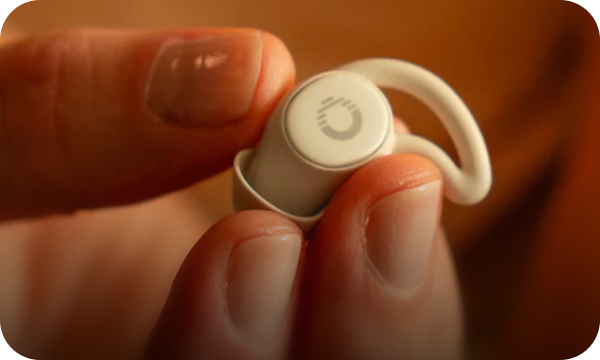
Ozlo is a science-driven, one-stop-shop for the best sleep of your life. Unlike other headphones and earbuds, our tiny Sleepbuds® are engineered to be super comfy, even for side sleepers, while blocking out sleep-disrupting sounds.
Sleepbuds® play audio for up to ten hours, letting you enjoy our noise-masking tracks or stream anything you like, including audiobooks, podcasts, white noise, and YouTube.

The Ozlo Difference
At Ozlo, we're dedicated to helping you achieve the best sleep possible through innovative audio solutions. Our company, founded by three former Bose engineers, focuses on creating products that not only help you fall asleep, but stay asleep throughout the night.
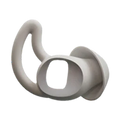
Ozlo Sleepbuds® simply don’t feel like other earbuds. Sleepbuds stay in place even when you toss and turn. The tiny earbuds, with their comfortable silicone tips and anchor-in-place wings, are designed for all-night comfort, no matter your sleeping position. Sleep on your back, side, or whatever works for you, and Ozlo Sleepbuds® will remain in place throughout the night.

Key Highlights
- Founded by three former Bose engineers with extensive experience in audio tech
- Sleepbuds® actively mask unwanted sounds like snoring, traffic, and environmental noises with calming, science-backed audio.
- Ultra-soft silicone tips designed to support every sleeping position, ensuring a secure and comfortable fit.
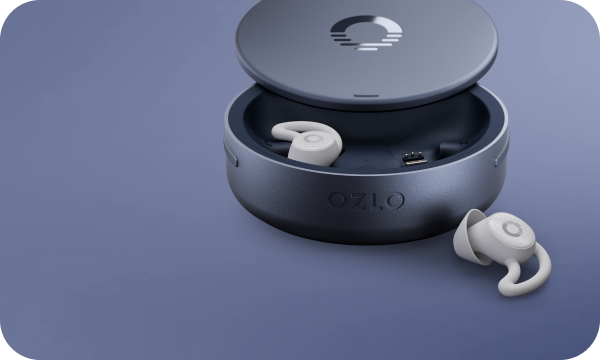
- Up to 10 hours of continuous use with extra charges from the Smart Case.
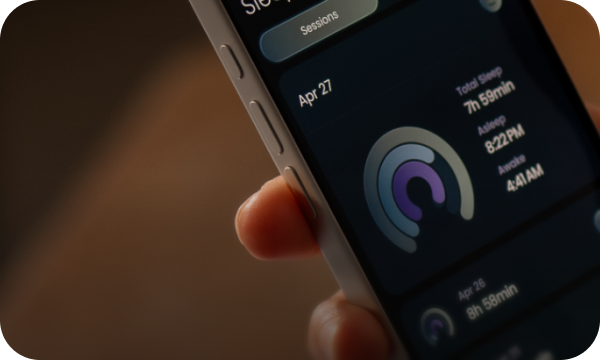
- Built-in biometric and environmental sensors offering personalized sleep reports
- Personal alarm gently wakes you without disturbing your partner
Conclusion
If you can hear yourself snoring, don’t ignore it. While it may seem like a minor annoyance, it could be your body’s way of signaling a larger issue. Whether it’s a matter of sleep position, congestion, stress, or something more serious like sleep apnea, understanding the root cause is the first step toward better rest.
From improving sleep habits and optimizing your bedroom environment to seeking professional support when necessary, there are many ways to stop snoring from taking control of your nights.
Taking action now can not only help you sleep more peacefully, but also improve your overall health and quality of life.
FAQs
Is it normal to hear yourself snoring?
Yes, it's possible and quite common, especially if you're in a lighter stage of sleep. Some people have a lower arousal threshold, meaning they’re more easily awakened by internal noises like their own snoring.
Why do I wake up to my own snoring sometimes but not always?
It depends on the stage of sleep you're in. You're more likely to wake up from sounds during light sleep or REM sleep. In deeper sleep stages, the brain is less responsive to noise, including your own.
Does hearing myself snore mean I have sleep apnea?
Not necessarily. While waking up to your snoring can be a symptom of sleep apnea, it could also be caused by congestion, sleep position, or lifestyle habits. If it's frequent and accompanied by gasping or choking, you should speak to a doctor.
Can snoring cause poor sleep even if I don’t fully wake up?
Yes. Snoring can trigger microarousals that disrupt your sleep cycle without fully waking you up. These brief interruptions can reduce sleep quality and leave you feeling tired in the morning.
What causes me to snore more some nights than others?
Temporary factors like nasal congestion, alcohol consumption, fatigue, allergies, or sleeping on your back can all worsen snoring on certain nights. Identifying and avoiding these triggers can help.
Is hearing myself snoring a sign that something is wrong with my sleep?
It might be. Occasional awareness of snoring isn’t usually a concern, but if it happens often or affects how rested you feel, it could signal an underlying issue with sleep quality or breathing that should be evaluated.


