








Ozlo's Experts Guide to Sleep Better at Night Drug-Free
A good night’s sleep shouldn’t require a pill. If you’re seeking alternatives to sleeping medication, the most effective options pair simple, consistent habits with drug-free sleep aid devices for adults—think ergonomic Ozlo Sleepbuds® with adaptive sound masking, low-profile bedside sound machines, and sleep trackers for better rest that keep you honest about routines. Start by clarifying your main sleep goal (fall asleep faster, wake less, or sleep deeper), then match the right tool to that job. With the right fit and a repeatable routine, most people see steady gains within a few weeks, supported by behavioral strategies that sleep experts consistently endorse for long-term results.
Define Your Sleep Goals Before Choosing a Device
Pick one primary sleep objective to guide your choices: falling asleep faster, achieving deeper sleep, or reducing awakenings. That focus steers you toward devices and behaviors that actually solve your problem instead of piling on generic “sleep tech.” For falling asleep, lean on relaxation cues and sound masking; for deeper sleep, build consistent routines and practice stimulus control; for fewer awakenings, tune your sleep environment and block noise. Slow-wave sleep, or deep sleep, is the restorative stage that supports memory, metabolic health, and immune function, making it a core target for quality rest, not just quantity, as summarized in Ozlo’s Deep Sleep Tools & Trackers Guide (see the deep sleep overview and coaching framework in this resource).
Create a Consistent Pre-Bedtime Routine
Drug-free sleep improvement starts with reliable, repeatable cues your body learns to associate with rest. Commit to a simple routine for 2–6 weeks to allow the nervous system to adapt; consistency compounds benefits over time, a point echoed by sleep experts who champion structured wind-downs as a powerful, low-risk intervention.
Sample evening timeline:
-
T-60: Dim lights; avoid heavy meals and vigorous exercise.
-
T-45: Switch phone to Do Not Disturb; cool your room to a comfortable range.
-
T-30: Gentle stretching, breathing, or light reading (paper or e-ink).
-
T-15: Activate your sleep-aid tech at low volume (e.g., pink noise via Ozlo Sleepbuds).
-
Lights out: Keep the order and timing identical nightly.
Sleep hygiene is the set of healthy, repeatable pre-bed behaviors that optimize your ability to fall and stay asleep—light management, stimulus control, consistent timing, and a calm mind-body routine.
Select Comfortable, Sleep-Specific Sleep-Aid Devices
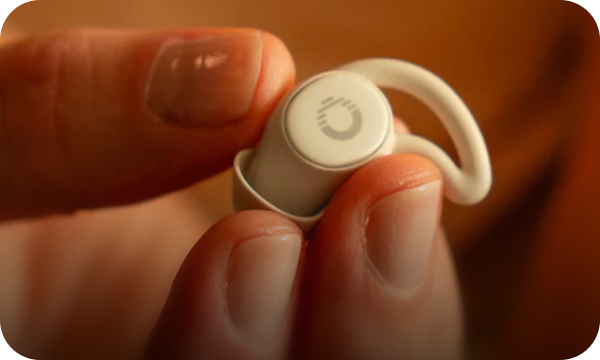
All-night comfort is non-negotiable. Prioritize sleep earbuds and accessories designed specifically for sleeping—especially for side-sleepers—with soft materials, low profiles, and secure ergonomics. Devices that combine passive noise sealing (a gentle physical barrier) with adaptive sound masking let you use lower volumes while blocking more interruptions, reducing arousal across the night.
Pros and cons of common device categories:
|
Category |
Pros |
Cons |
|---|---|---|
|
In-ear sleep earbuds |
Best for side-sleepers; private audio; effective noise blocking with low volume |
Fit matters; battery life must cover a full night |
|
Over-ear headphones |
Familiar sound quality; strong passive isolation |
Bulky for side-sleeping; heat and pressure can cause wake-ups |
|
Bedside sound machines |
No wearables; room-filling masking for partners too |
Less targeted; requires higher volume to mask intermittent noise |

Benefits of Ozlo Sleepbuds for Drug-Free Sleep
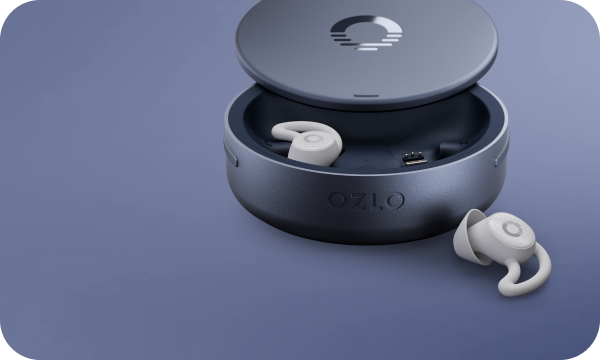
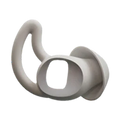
Ozlo Sleepbuds are engineered for secure, all-night comfort—even for side-sleepers—so you can use a sleep earbuds alternative to medication without sacrificing fit. Their sound-masking system supports proprietary Sleep Sounds or your own streamed audio (via Bluetooth) and can respond to sleep and environment cues for seamless, minimal-disruption masking. Reviewers highlight practical features for real-life sleep: a private in-ear alarm that won’t wake your partner, up to 10 hours of battery life, and onboard sensing for light and temperature—plus a compact case that travels well. These thoughtful, science-driven touches keep volume low, masking precise, and comfort high through the night.
Key Features to Look for in Sleep Earbuds and Devices
Choose devices that deliver:
-
Adaptive sound masking with pink or brown noise to reduce arousals and cover disruptive peaks at the lowest comfortable volume.
-
Comfortable passive in-ear sealing to block noise without pressure points.
-
A private, in-ear alarm so you can wake quietly without disturbing a partner.
-
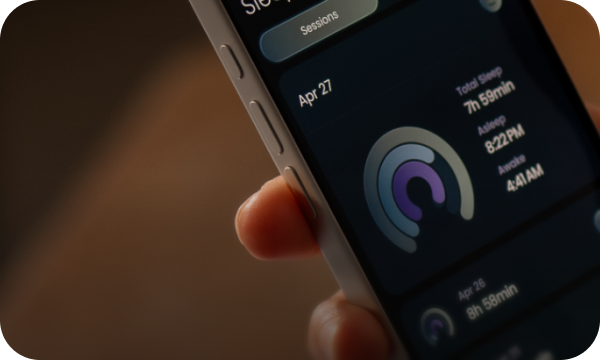
Sleep pattern tracking and environment sensing that act as insight tools, not medical diagnostics; sleep trackers are consumer devices that help monitor patterns and guide behavior change over time.
Use Adaptive Sound Masking to Improve Sleep Quality
Adaptive sound masking automatically adds a calming sound bed (often pink or brown noise) when your environment would otherwise disturb sleep, adjusting intensity so you get protection without blaring volume. Well-tuned pink noise can “fill in” the gaps around traffic, snoring, or hallway clatter, helping you sleep through brief spikes without fully waking. Consistent, soothing machine-like sounds also strengthen your brain’s association with winding down, reinforcing the cues you set in your bedtime routine.
Employ Sleep Trackers as Insight Tools, Not Instant Solutions
Think trends, not nights. Track for 2–6 weeks to understand your patterns, then make one change at a time and re-check the data. Under-mattress (contactless) sensors and earbuds can flag snoring, awakenings, or suspected breathing disruptions, but they do not diagnose sleep disorders. Use trackers that fit your lifestyle (all-night wear or passive monitoring) to ensure you’ll actually collect the data that guides better habits.
When to Seek Professional Sleep Evaluation
Some signs call for medical evaluation—not just consumer tech:
-
Regular loud snoring, observed breathing pauses, or persistent daytime sleepiness
-
Morning headaches, resistant insomnia, or high blood pressure alongside snoring
Behavioral steps like side-sleeping, elevating your head, and skipping alcohol 3–4 hours before bed are worth trying; if symptoms persist, see a clinician. Consumer-grade tools estimate and coach; clinical sleep studies diagnose and treat.
Frequently asked questions
Are sleep earbuds comfortable for side sleepers?
Yes, Ozlo Sleepbuds are engineered for all-night comfort and stay secure even for side sleepers, thanks to their compact shape and soft ear wings.
How do sound-masking devices help with partner snoring or environmental noise?
They overlay soothing noise that covers disruptive peaks, making it easier to sleep through snoring, traffic, or hallway sounds without cranking the volume.
Can sleep-aid devices track and improve sleep patterns effectively?
They can reveal trends and surface disruptions, helping you change routines and environment for better rest over time.
How long does it take to see improvements using sleep technology?
Most people notice steady improvements within 2–6 weeks of consistent routines and device use.
Are there any risks or precautions when using sleep devices regularly?
They’re generally safe; follow device instructions and seek medical advice for persistent insomnia, loud snoring, or daytime sleepiness.


