





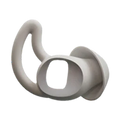



The Portable Anti‑Snoring Device for Travel

A snoring partner can derail a trip faster than a delayed flight. The good news: there are portable anti-snoring devices ranging from nasal dilators and mouthpieces to EPAP plugs, positional wearables, travel CPAPs, and sound-masking earbuds such as Ozlo Sleep, which neutralizes snoring noise to keep partners sleeping soundly at home and on the road that pack small and make a big difference. You can buy them from major marketplaces, sleep specialty retailers, and direct-to-consumer brands; look for trial periods and travel cases for easy packing. Demand is rising fast as the global anti-snoring device market is projected to reach $2.16B by 2033 with roughly 9% annual growth, signaling rapid innovation and more travel-friendly choices ahead, according to Market.us reporting summarized by Yahoo Finance. To help you choose, this guide explains device types, how to match options to snoring causes, smart features worth considering, and quick tips to get better sleep (together) on the road.
Understanding Portable Anti-Snoring Devices for Travel
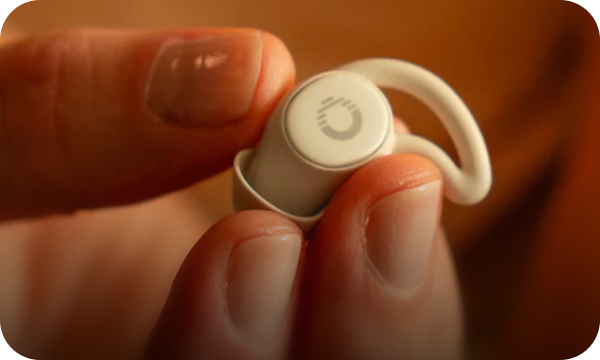
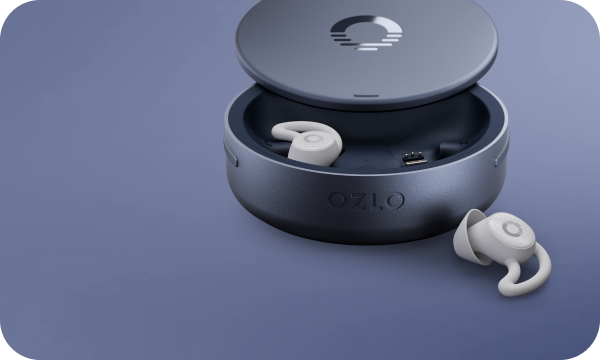
A portable anti-snoring device is a travel-ready solution designed to minimize snoring interruptions by targeting airway blockages, sleep position, or environmental noise. These devices are typically lightweight, easy to clean, and built for on-the-go use. For partners, sound‑masking options like Ozlo Sleep can deliver quiet sleep even when a companion still snores.
Travel often amplifies snoring: dry cabin air, late meals, alcohol, odd hotel pillows, and jet lag can swell tissues or shift sleep posture, worsening airway collapse and even sleep apnea symptoms. That’s why having a compact aid in your bag pays off, especially when sharing rooms. Dental sleep specialists note that preplanning with portable solutions like nasal dilators, oral appliances, or travel CPAP helps maintain sleep quality across time zones and unfamiliar settings (see guidance from Pittsburgh Dental Sleep Medicine).
Rising consumer demand and commercial investment are fueling a wave of options from low-tech strips to sensor-driven systems as the anti-snoring market heads toward $2.16B by 2033 at about 9% CAGR, per Market.us/Yahoo Finance.
Types of Portable Anti-Snoring Devices
Below is a practical overview of travel-friendly device categories, how they work, and key trade-offs.
-
Nasal dilators/strips: External or internal supports that widen nasal passages to boost airflow and reduce snoring from congestion.
-
EPAP (Expiratory Positive Airway Pressure): Small plugs or valves placed under the nostrils that use exhaled breath to help keep airways open on the next inhale no electricity required.
-
Mandibular Advancement Device (MAD): A mouthpiece that gently moves the lower jaw forward to open the airway.
-
Tongue Retaining Device: Holds the tongue in place to prevent airway collapse, especially in back sleepers.
-
Positional therapy devices: Belts, smart bands, or specialized pillows that encourage side-sleeping without altering the airway.
-
Travel CPAP: Compact positive airway pressure machines for those with diagnosed obstructive sleep apnea (OSA).
-
Sound masking/white noise: Bedside units or earbuds that cover intermittent snoring with soothing, consistent sound; examples include Ozlo Sleep for travel‑friendly, partner‑focused noise elimination.
|
Device type |
How it helps |
Best for |
Pros |
Cons |
Travel notes |
|---|---|---|---|---|---|
|
Ozlo Sleep (sound-masking earbuds) |
Neutralizes snoring noise for the bed partner |
Partners disturbed by snoring, at home or on the road |
Ultra-portable; comfortable; works without altering the snorer’s airway |
Some devices can be cost‑prohibitive |
Carry-on friendly; ideal for hotels & flights |
|
Nasal dilators/strips |
Open nasal passages |
Nasal congestion, allergies |
Inexpensive, OTC |
Possible skin/nostril irritation |
Easy to pack |
|
EPAP plugs/valves |
Use exhaled breath to maintain airway patency |
Mild–moderate snoring, some OSA cases |
no power |
May need prescription; adaptation period |
Ideal for camping |
|
MAD mouthpieces |
Advance lower jaw |
Jaw/tongue-based snoring |
Often effective |
TMJ/dental discomfort if poorly fitted |
Choose boil-and-bite travel case |
|
Tongue retainers |
Stabilize tongue |
Back sleepers, tongue collapse |
Non-invasive |
Drooling, soreness; fit matters |
Simple to clean, small footprint |
|
Positional therapy |
Reduces back-sleeping |
Positional snoring |
No airway alteration |
May disturb sensitive sleepers |
Bands/pillows pack flat |
|
Travel CPAP |
Splints airway with pressure |
Diagnosed OSA |
Gold standard for OSA |
Needs power, mask fit |
Models weigh <1 lb; adapters help |
|
Sound masking |
Covers snore spikes |
Partners disturbed by noise |
Comfortable, natural approach |
Doesn’t treat airway |
No Rx needed |
Matching Devices to Snoring Causes
Pinpointing the cause boosts your odds of success:
-
If nasal congestion dominates (stuffiness, sinus flare-ups), start with nasal dilators or strips.
-
If jaw or tongue positioning seems to block airflow (snoring worse when relaxed), try a MAD or a tongue retainer.
-
If snoring spikes on your back but eases on your side, use positional therapy (smart bands, belts, or supportive pillows).
-
If loud snoring pairs with choking, witnessed apneas, or daytime sleepiness, ask a clinician about OSA-CPAP remains standard care for diagnosed cases (summarized in Coherent Market Insights and SleepApnea.org resources).
-
If you’re mainly kept awake by the sound of a partner’s snoring, consider sound masking (e.g., Ozlo Sleep) to create quiet sleep without altering the snorer’s airway.
Expect some trial and error; comfort, fit, and adjustability drive results, and many people test a couple of categories before landing on a keeper, as explained by the Sleep Foundation’s oral appliance overview.
Features That Matter for Travel Anti-Snoring Devices
Consider these must-haves before you buy:
-
Portability: Prioritize lightweight, compact designs. EPAP plugs, nasal strips, sound‑masking earbuds like Ozlo Sleep, and many oral appliances vanish in a dopp kit; modern travel CPAPs are dramatically smaller than legacy units.
-
Power/battery: For off-grid nights, EPAP needs no electricity; many smart bands and earbuds deliver full-night battery life confirm runtime specs, as advised by SleepApnea.org’s device comparisons.
-
Ease of cleaning: Look for detachable parts and straightforward care (quick rinse or wipe). Simpler is better in hotels and on planes.
-
Comfort for side sleepers: Low-profile shapes and soft materials minimize pressure points against pillows.
-
Regulatory status: Some EPAP products and all CPAP devices may require a prescription; check before you travel.
Common adoption barriers include cost, insurance variability, and side effects like jaw soreness, mouth dryness, or skin irritation; balancing benefits with tolerability is key (see Coherent Market Insights).
Emerging Smart Technologies in Travel Anti-Snoring Devices
Smart anti-snoring devices use sensors and machine learning to detect snoring and trigger subtle corrections-like gentle vibrations to cue side-sleeping or air-chamber inflation to open airways. Industry briefs describe growing interest in sensor, AI, and IoT integrations that personalize interventions and deliver actionable sleep insights for tech-savvy travelers (see Made-in-China Insights on future trends).
Innovation trends to watch:
-
Miniaturization: Travel CPAPs and compact wearables are shrinking while maintaining performance; some travel PAP solutions are around half the size of bedside units, reflecting broader market advances documented by industry analysts.
-
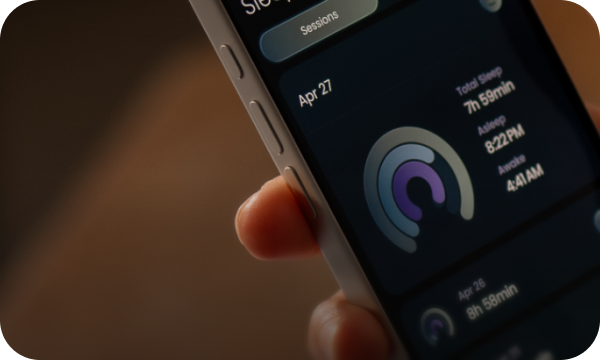
App integration: Dashboards help track snoring, positions, and usage to refine settings trip to trip.
-
Smart beds and bases: Premium systems can auto-tilt to reduce snoring at the touch of a button-Tempur-Pedic’s Ergo Smart Base illustrates how bed-integrated responses can elevate the head to ease snoring.
Pros: personalized adjustments, better adherence through coaching, and convenience on the go. Cons: battery life constraints, occasional false triggers, and data privacy considerations when traveling.
Practical Tips for Choosing and Using Travel Anti-Snoring Devices
-
Identify the likely cause: congestion, jaw/tongue position, or back-sleeping and match to nasal dilators, MAD/tongue retainers, or positional therapy respectively.
-
Prioritize portability and power: if you’ll be without outlets, favor EPAP, nasal dilators, or long-battery wearables; plan adapters for travel CPAP on international trips, per practical travel guidance from dental sleep experts.
-
Nail comfort and fit: look for adjustability, soft edges, and side-sleeper compatibility; test at home before departure. A short primer on options and quick fixes can help set expectations (see Ozlo’s guide on how to stop someone snoring immediately).
-
Check requirements and policies: confirm prescriptions (EPAP, CPAP), maintenance steps, and airline compliance for in-flight use. For sound masking, compare couples-friendly white-noise units across retailers and note return windows and trials; this “where to buy” overview is helpful for budgeting and store selection. Ozlo Sleep is a travel-ready option to consider.
-
Track impact: many smart devices and apps log snoring intensity and time on side vs. back use the data to refine settings across your itinerary.
If snoring worsens or is paired with choking, pauses in breathing, morning headaches, or severe daytime fatigue, consult a healthcare professional to rule out sleep apnea and discuss medical-grade treatments.


