












Managing Snoring During Pregnancy: Tips and Solutions
Pregnancy is a time of significant physical and emotional changes, and while many of these changes are expected, snoring can be an unexpected and frustrating side effect. Studies suggest that snoring during pregnancy affects approximately 14–53% of expectant mothers, with the prevalence increasing in the second and third trimesters.

Why Do Pregnant Women Snore?
Snoring occurs when there is a partial obstruction in the airway, causing the soft tissues of the throat to vibrate as you breathe. During pregnancy, various factors can contribute to snoring:
Hormonal Changes and Nasal Congestion
Pregnancy hormones, especially progesterone and estrogen, increase significantly to support the growing baby. These hormonal shifts can cause the mucus membranes in the nose to swell, leading to nasal congestion. As a result, the airflow is restricted, particularly when lying down to sleep. This congestion can trigger snoring and make it worse as pregnancy progresses.
Weight Gain
As weight gain occurs, especially in the later stages of pregnancy, excess tissue around the neck and throat can create additional pressure on the airway. This pressure can obstruct airflow, making it more likely for snoring to occur. In some cases, it can even contribute to obstructive sleep apnea, a condition where breathing pauses during sleep.
Sleep Position
Doctors often recommend sleeping on your side during pregnancy to improve circulation and reduce the risk of complications. However, many women naturally sleep on their backs, which can cause the tongue and throat muscles to relax, blocking the airway and leading to snoring. This is particularly true as the baby grows and the body adjusts to accommodate the increasing belly size.
How to Stop Snoring During Pregnancy: Tips and Solutions
While snoring during pregnancy is common, it doesn't have to be a permanent issue. There are several methods that can help reduce or prevent snoring and improve your sleep quality. Here are some practical solutions to consider:
Sleep on Your Side
One of the simplest and most effective ways to reduce snoring during pregnancy is by changing your sleep position. Sleeping on your back can cause your tongue and soft tissues to fall backward, blocking the airway. To prevent this, sleep on your side. It may be helpful to use a pregnancy pillow, which can keep you in the side-sleeping position throughout the night.
The left side is particularly recommended during pregnancy, as it promotes optimal blood flow to the placenta and improves kidney function, helping with fluid retention and minimizing swelling.
Elevate Your Head
If side sleeping alone isn't enough, elevating your head slightly can help reduce snoring by encouraging proper airflow. Use extra pillows or a wedge pillow to prop your head up. This position helps reduce the effects of nasal congestion and makes it easier for air to flow through your airways.
Use a Humidifier
Nasal congestion is a significant cause of snoring during pregnancy. A humidifier can help keep the air in your bedroom moist, which can reduce the irritation in your nasal passages. It also prevents the air from becoming too dry, which can further exacerbate congestion and snoring. Whether you opt for cool mist or warm mist, using a humidifier can be a game-changer for reducing snoring.
Nasal Strips or Sprays
If nasal congestion is your primary cause of snoring, using nasal strips or saline nasal sprays can help open up the airways. Nasal strips are easy to apply before bedtime and physically widen the nostrils, improving airflow. Saline sprays can help clear mucus and moisturize nasal passages, improving airflow and making breathing easier.
Maintain Healthy Weight Gain
Weight gain is a natural part of pregnancy, but excessive weight gain, especially in the third trimester, can exacerbate snoring. Ensure that you are gaining weight at a healthy rate by following your doctor’s recommended guidelines. Eating a balanced diet rich in fruits, vegetables, and lean proteins, and engaging in safe, low-impact physical activity (such as walking or prenatal yoga, with your doctor’s approval), can help prevent excess weight gain that may contribute to snoring.
Avoid Alcohol and Tobacco
If you’re still using alcohol or tobacco, now is the time to stop. Both of these substances can contribute to snoring by relaxing the throat muscles and increasing airway obstruction. Smoking also irritates the tissues of the airway, making congestion worse. Limiting or eliminating alcohol and tobacco can significantly reduce snoring and improve your overall sleep quality.
Stay Hydrated
Dehydration can contribute to thicker mucus in the nasal passages and throat, making snoring worse. Drinking enough water throughout the day can help thin the mucus and reduce congestion, which may reduce the severity of snoring.
Practice Good Sleep Hygiene
Sleep hygiene refers to habits and practices that contribute to better sleep quality. Here are a few tips that can help:
-
Set a consistent bedtime routine: Going to bed and waking up at the same time every day can help regulate your sleep patterns.
-
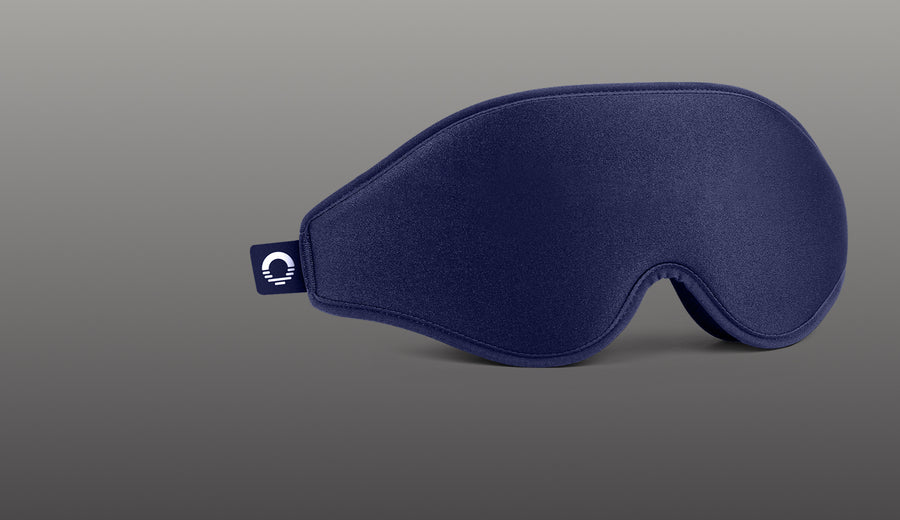
Create a relaxing environment: Make sure your bedroom is cool, quiet, and dark to promote restful sleep. You can also use earplugs or white noise machines to block out disturbing sounds.
-
Avoid heavy meals and caffeine before bed: Eating too late or consuming stimulants like caffeine can make it harder to fall asleep and exacerbate sleep disorders, including snoring.
Enhancing Sleep Quality
For individuals looking to improve their sleep and reduce snoring, there are innovative solutions available that help block out disruptive sounds, creating a more serene and restful sleep environment. These advanced option are designed to address the root causes of sleep disturbances, providing a peaceful atmosphere that promotes better, uninterrupted sleep.
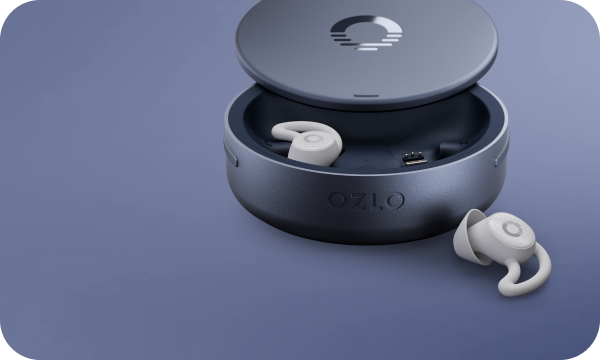
Ozlo Sleepbuds®
An amazingly restful and peaceful sleep every night, free from distractions and noise, is the greatest gift you can give!

What are Ozlo Sleepbuds?
Ozlo is a science-driven, one-stop-shop for the best sleep of your life. Unlike other headphones and earbuds, our tiny Sleepbuds® are engineered to be super comfy, even for side sleepers, while blocking out sleep-disrupting sounds.
Sleepbuds® play audio for up to ten hours, letting you enjoy our noise-masking tracks or stream anything you like, including audiobooks, podcasts, white noise, and YouTube.

The Ozlo Difference
At Ozlo, we're dedicated to helping you achieve the best sleep possible through innovative audio solutions. Our company, founded by three former Bose engineers, focuses on creating products that not only help you fall asleep, but stay asleep throughout the night.
Ozlo Sleepbuds® simply don’t feel like other earbuds. Sleepbuds stay in place even when you toss and turn. The tiny earbuds, with their comfortable silicone tips and anchor-in-place wings, are designed for all-night comfort, no matter your sleeping position. Sleep on your back, side, or whatever works for you, and Ozlo Sleepbuds® will remain in place throughout the night.

Key Highlights
- Founded by three former Bose engineers with extensive experience in audio tech
- Sleepbuds® actively mask unwanted sounds like snoring, traffic, and environmental noises with calming, science-backed audio.
- Ultra-soft silicone tips designed to support every sleeping position, ensuring a secure and comfortable fit.
- Up to 10 hours of continuous use with extra charges from the Smart Case.
- Built-in biometric and environmental sensors offering personalized sleep reports
- Personal alarm gently wakes you without disturbing your partner
When to See a Doctor About Snoring During Pregnancy
Although snoring is common during pregnancy, it can sometimes indicate obstructive sleep apnea (OSA), which is associated with an increased risk of conditions like preeclampsia, especially if accompanied by symptoms such as swelling, headaches, or high blood pressure. If you experience symptoms like frequent waking, gasping for air, dry mouth, or excessive daytime sleepiness along with snoring, it is important to consult with a healthcare provider. Untreated sleep apnea can have negative effects on both your health and your baby’s health.
A doctor may recommend a sleep study or other diagnostic tests to assess your breathing patterns and determine if sleep apnea is a concern. In some cases, using a CPAP machine (continuous positive airway pressure) may be necessary to improve your sleep and reduce the risks associated with sleep apnea.
Conclusion
In conclusion, snoring during pregnancy is a common issue that many people face, primarily due to hormonal changes, weight gain, and other factors like nasal congestion. While it is often temporary and manageable with simple lifestyle adjustments such as sleeping on your side, using a humidifier, and maintaining a healthy weight, it's important to be mindful of the potential risks. If snoring is accompanied by symptoms like frequent waking, difficulty breathing, or excessive daytime sleepiness, it could indicate a more serious condition such as sleep apnea or preeclampsia, which requires medical attention. Always consult with your healthcare provider to ensure the best approach for managing snoring and maintaining your overall health during pregnancy.
FAQs
Why does snoring increase during pregnancy?
Snoring during pregnancy is commonly caused by hormonal changes that lead to nasal congestion, weight gain that adds pressure around the throat, and changes in sleep position. These factors can lead to airway obstruction, which causes snoring.
How can I reduce snoring during pregnancy?
You can reduce snoring by sleeping on your side, elevating your head with pillows, using nasal strips or a humidifier to alleviate congestion, and avoiding smoking and alcohol. Maintaining a healthy weight and practicing good sleep hygiene can also help.
When should I see a doctor about snoring during pregnancy?
If snoring is accompanied by symptoms like frequent waking, gasping for air, dry mouth, or excessive daytime sleepiness, it may be a sign of obstructive sleep apnea, which requires medical attention. A healthcare provider can offer a proper diagnosis and treatment options.


