









How to Quit Snoring: A No-Nonsense Guide to Silent Nights
Snoring’s that pesky nighttime racket that can turn a good sleep into a grumpy morning, for the snorer and anyone within earshot. It’s more common than folks might think, and while it’s usually just a loud annoyance, it can mess with rest big time. Luckily, there are straightforward tricks people can try to dial it down and get back to snoozing in peace.

Simple Ways to Quit Snoring
Snoring doesn’t have to stick around forever. There are practical steps people can try to maybe quiet it down and bring some peace back to their nights. These aren’t overnight game-changers, just sensible ideas that might help with a little patience. Tweaking habits or adjusting sleep setup could make a difference.
Lifestyle Tweaks Worth Trying
Here’s a solid lineup of habits that might help keep the snoring at bay:
-
Switch Up Sleep Position: Lying flat on the back lets gravity tug the tongue and throat tissues toward the airway, tightening things up. Trying the side might keep it more open. A body pillow or a tennis ball stitched into a sleep shirt could nudge someone to stay put, lots of people swear by this old-school move.
-
Ease Off the Drinks: Alcohol before bed relaxes throat muscles a ton, which might lead to more noise. Skipping drinks four hours before sleep could keep things steadier, some folks notice a difference even with less.
-
Kick the Smoking Habit: Smoking bugs the nose and throat, adding congestion that might ramp up the sound. Cutting back or quitting could ease that a bit, it’s a whole-body bonus, not just a snoring thing.
-
Drop a Few Pounds: Extra weight around the neck or tongue might squeeze the airway tighter. Losing a few pounds could take some pressure off for those where it fits, no crash diets, just small, steady shifts.
-
Clear the Nose: A stuffed nose from allergies or a cold pushes breathing through the mouth, which might turn up the volume. A saline spray, steamy shower, or humidifier could open it up, keeping dust or pollen away helps too.
-
Raise the Head with an Extra Pillow: Sleeping with the head a bit elevated can help keep the airway from narrowing too much. A wedge pillow or adding an extra one under the head might reduce pressure in the throat and make breathing easier.
-
Run a Humidifier at Night: Dry air can irritate the nose and throat, leading to more snoring. A humidifier adds moisture to the room, which might help keep airways calm and clearer. Especially handy in winter or in dry climates.
A Word on Weight
Losing weight isn’t for everyone, and it’s not a fast switch to flip. For folks with extra pounds, though, shedding some might change how the airway feels. Think of it like easing a snug collar, air might move a bit freer. It’s less about hitting a magic number and more about eating better (like swapping in veggies) and moving more, maybe a walk after dinner or a weekend ride. Slow and steady keeps it simple.
Making It Stick
Switching habits can take some getting used to. Sleeping on the side might feel off at first, and skipping that nightcap could test willpower. Starting small, one change at a time, and sticking with it for a few weeks is the trick. If someone notices quieter nights or better mornings, that might be the push to keep going.
Tools and Tricks to Test Out
Lifestyle shifts are a great start, but sometimes they need a little backup. There’s a handful of gadgets and techniques out there that people can play around with to quiet the noise. These aren’t complicated contraptions, just practical options to try when the basics need a boost. From stuff you can snag at the drugstore to bigger steps for tougher cases, here’s what’s on the table.
Stuff You Can Grab Over the Counter
These are easy-to-find tools that don’t need a prescription or a big commitment:
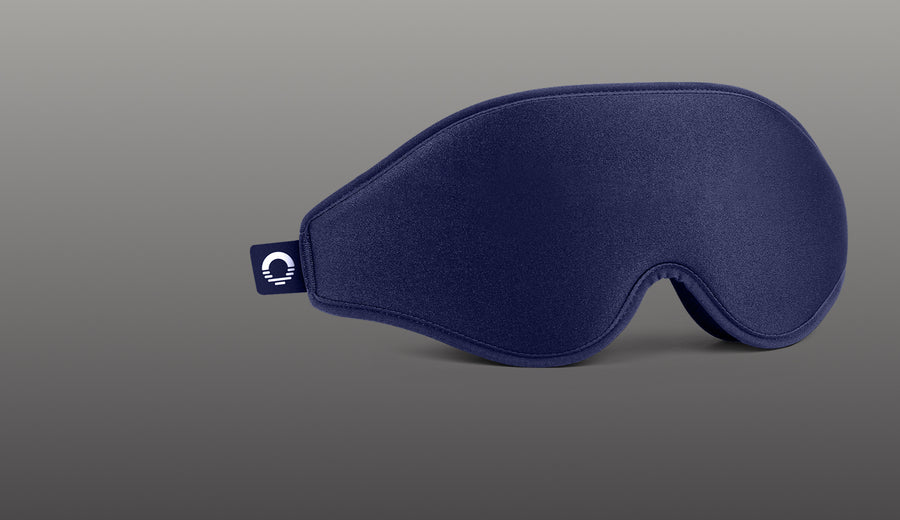
1. Ozlo Sleepbuds®
An amazingly restful and peaceful sleep every night, free from distractions and noise, is the greatest gift you can give!

What are Ozlo Sleepbuds?
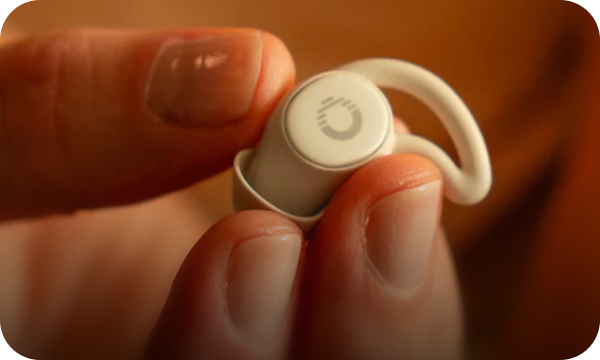
Ozlo is a science-driven, one-stop-shop for the best sleep of your life. Unlike other headphones and earbuds, our tiny Sleepbuds® are engineered to be super comfy, even for side sleepers, while blocking out sleep-disrupting sounds.
Sleepbuds® play audio for up to ten hours, letting you enjoy our noise-masking tracks or stream anything you like, including audiobooks, podcasts, white noise, and YouTube.

The Ozlo Difference
At Ozlo, we're dedicated to helping you achieve the best sleep possible through innovative audio solutions. Our company, founded by three former Bose engineers, focuses on creating products that not only help you fall asleep, but stay asleep throughout the night.
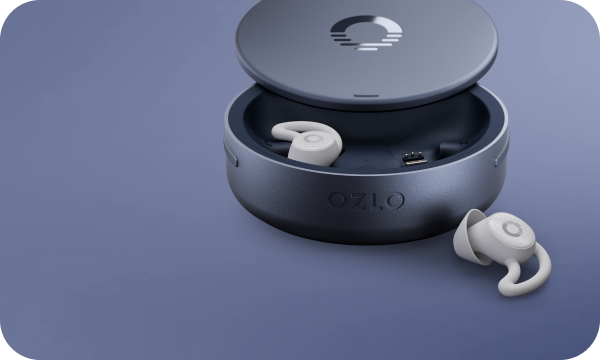
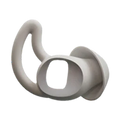
Ozlo Sleepbuds® simply don’t feel like other earbuds. Sleepbuds stay in place even when you toss and turn. The tiny earbuds, with their comfortable silicone tips and anchor-in-place wings, are designed for all-night comfort, no matter your sleeping position. Sleep on your back, side, or whatever works for you, and Ozlo Sleepbuds® will remain in place throughout the night.

Key Highlights
- Founded by three former Bose engineers with extensive experience in audio tech
- Sleepbuds® actively mask unwanted sounds like snoring, traffic, and environmental noises with calming, science-backed audio.
- Ultra-soft silicone tips designed to support every sleeping position, ensuring a secure and comfortable fit.
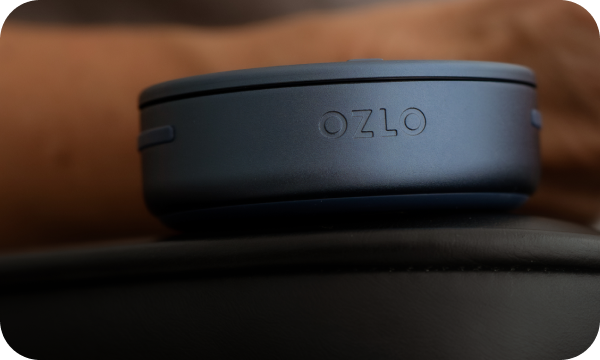
- Up to 10 hours of continuous use with extra charges from the Smart Case.
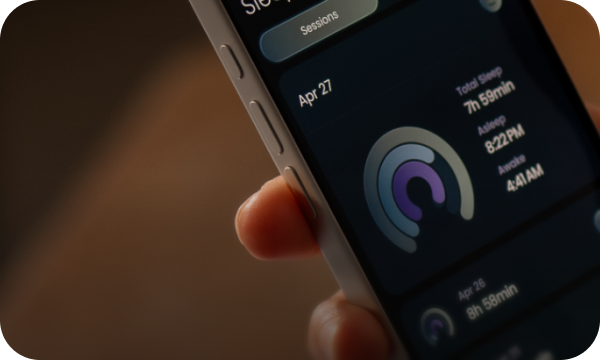
- Built-in biometric and environmental sensors offering personalized sleep reports
- Personal alarm gently wakes you without disturbing your partner
2. Nasal Strips: These adhesive bands go on the nose and tug the nostrils a bit wider. The idea is more space for air might cut down on the noise, worth a try if a stuffy nose is in the mix. They’re cheap and easy.
3. Mouthpieces: Two types here: mandibular advancement ones nudge the jaw forward a little, aiming to open things up, kinda like tweaking a pipe. Tongue stabilizers use suction to keep the tongue from sliding back. They stay in the mouth all night, so they’re an adjustment, store-bought ones might not fit as well as something a dentist customizes.
4. Nasal Dilators: These are like nasal strips but work inside, small inserts that hold the nostrils open. They’re low-key, reusable, and an option if nose breathing’s tough. Some folks find them handier than strips, per studies.
When Gadgets Aren’t Enough
For snoring that sticks around, some folks look at bigger options. These aren’t the first go-to, they’re more like a backup when simpler stuff doesn’t cut it:
-
CPAP Machines: Short for continuous positive airway pressure, these are common for sleep apnea. A mask connects to a pump that sends air into the nose or mouth, aiming to keep things open through the night. It’s a whole setup, hoses, a humming box, and needs a doctor’s okay.
-
Surgery: Options like uvulopalatopharyngoplasty tweak the throat by trimming or stiffening the soft palate. Others, like palatal implants or somnoplasty, use inserts or radio waves to tighten things up. Fixing a crooked septum’s another route. Thing is, they’re not a sure bet for everyone, results vary, and recovery’s rough, definitely a specialist’s call.
Picking the Right Tool
Not every gadget fits every snorer. Nasal strips won’t do much if the issue’s in the throat, and mouthpieces might bug someone who hates stuff in their mouth. It’s trial and error, start with what feels doable, like a $5 pack of strips, and see how it goes. If it’s a bust, step up to the next thing. For the big stuff like CPAP or surgery, a pro’s input is non-negotiable to figure out what’s actually needed.
When to Call in a Pro
Snoring’s usually just a loud hassle, but sometimes it’s a heads-up for something else. If it’s wrecking sleep or paired with weird symptoms, a doctor’s input can sort it out.
Signs It’s Time for a Check-Up
Keep an eye out for:
-
Waking up gasping or choking.
-
Feeling wiped out all day, even after a full night.
-
A partner saying the snoring’s brutal or breathing looks off.
A sleep specialist might suggest a study to figure out what’s up, could be at home or in a lab. They’ll dig into whether it’s just snoring or something like sleep apnea needing more attention.
Conclusion
Trying different tips can feel like guesswork, but even small changes might bring some relief. Snoring might hang around like an unwanted guest, but there’s hope to quiet it down. Little habit tweaks, like trying the side, raising the head, or skipping that late drink, plus maybe a gadget or two, give folks a shot at calmer nights. It’s all about testing what works for them. No guarantees of silence, but these ideas might ease the rumble for whoever’s listening.
If the noise won’t quit or something’s off, like waking up gasping, a doctor’s take can help figure things out. They’ve got ways to look closer. It’s all about finding what fits so nights feel quieter for everyone. Simple, steady tries might just shift things toward peace.
FAQs
Why Does Snoring Happen?
Snoring kicks in when air has to squeeze through a tight spot in the throat or nose while someone’s asleep. The soft bits up there, like the tongue or throat tissues, vibrate as the air moves, and that’s the noise everyone hears. Things like sleeping flat, extra weight, or a stuffy nose can crank it up.
Can Changing Sleep Position Really Help?
Switching sleep position might do something for some folks. Lying on the back lets gravity crowd the airway, so trying the side could open it up a bit. A body pillow or a nudge from a bed buddy might keep someone there, it’s a simple start worth a go.
Do Nasal Strips Actually Work?
Nasal strips might be handy if the nose is the trouble spot, like with allergies or a cold. They tug the nostrils wider for easier airflow, which could hush the noise a bit. If it’s a throat thing, though, they’re less likely to matter. Still, they’re cheap and easy to test.
What’s the Deal with Mouthpieces?
Mouthpieces come in two types: one nudges the jaw forward aiming to open things up, while another grips the tongue to stop it sliding back. They’re odd to sleep with at first, and fit’s key, store-bought ones might not match a dentist’s custom job. Worth a look if simpler stuff isn’t enough.
Does Booze Before Bed Make It Worse?
Booze before bed might stir things up. It relaxes throat muscles a lot, which could mean more vibration as air goes by. Skipping drinks a few hours before sleep might settle things down, some notice a shift even with less.
When Should Someone Talk to a Doctor?
If snoring’s wrecking sleep, like leaving someone wiped out all day, or if they’re waking up choking or gasping, it’s time to check in with a doc. Same goes if a partner says it’s brutal or breathing looks funky. A pro can figure out if it’s more than just noise.
Can Kids Snore Too?
Totally. Kids might snore from bigger tonsils, extra weight, or just a stuffy nose. It’s pretty common, but if it’s loud or messing with their rest, a doctor can weigh in on what’s up. Doesn’t always mean something big, but good to keep an eye on.


