














How to Get Your Partner to Stop Snoring: A Comprehensive Guide
Snoring can be a significant issue for couples, affecting not only the snorer’s sleep quality but also their partner’s. If you find yourself losing sleep due to your partner’s snoring, you’re not alone. Snoring can disrupt rest, create feelings of frustration, and even strain relationships. While the occasional snore might not seem like a big deal, chronic snoring could be a sign of an underlying issue, such as sleep apnea. If your partner’s snoring is keeping you up at night, there are several strategies and solutions you can try to address the issue and improve both your and your partner’s sleep quality.

Identify the Cause of Snoring
The first step in addressing your partner’s snoring is understanding what’s causing it. Snoring occurs when the flow of air through the mouth and nose is partially obstructed, leading to vibrations in the throat tissues. The obstruction can occur for several reasons, including age-related muscle relaxation in the throat, and identifying the cause will help determine the most effective solution. Common Causes of Snoring:
-
Mouth and Throat Anatomy: A thick or long soft palate, a large uvula, or a large tongue can block the airway.
-
Obesity: Excess weight around the neck can put pressure on the airway, making it more likely to collapse during sleep.
-
Nasal Congestion: Blocked nasal passages from allergies, colds, or sinus infections can lead to mouth breathing, which increases snoring.
-
Sleep Position: Sleeping on the back often causes the tongue and soft palate to collapse backward into the throat, leading to snoring.
-
Alcohol and Sedatives: These substances relax the muscles in the throat, which can worsen snoring.
-
Sleep Apnea: A more serious condition, sleep apnea involves repeated interruptions in breathing during sleep. It’s often associated with loud snoring, choking, and gasping for air.
Encourage Your Partner to Sleep on Their Side
One of the simplest and most effective ways to reduce snoring is to encourage your partner to sleep on their side instead of their back. When your partner sleeps on their back, gravity causes the tongue and soft palate to collapse backward, narrowing the airway and increasing snoring.
How to Encourage Side Sleeping:
-
Use a Special Pillow: A specially designed anti-snore pillow can help keep your partner in a side-sleeping position by supporting the head and neck properly.
-
Tennis Ball Trick: You can sew a small pocket on the back of their pajamas and place a tennis ball inside, making sleeping on the back uncomfortable and encouraging side sleeping, though it may cause temporary discomfort for some individuals.
-
Sleep Positioning Trainers: These wearable devices help prevent back sleeping by gently encouraging a side position.
Promote Healthy Lifestyle Habits
Certain lifestyle habits can contribute to snoring, and making changes can help reduce or eliminate the issue. Lifestyle improvements that can benefit both you and your partner include:
-
Maintaining a Healthy Weight: Excess weight, particularly around the neck, can increase the likelihood of snoring. Encouraging your partner to adopt a healthier diet and engage in regular physical activity can significantly reduce snoring.
-
Limiting Alcohol Consumption: Alcohol relaxes the muscles of the throat, making snoring worse. Encourage your partner to avoid alcohol or sedatives, especially before bedtime.
-
Quit Smoking: Smoking irritates the airways and can worsen snoring. If your partner smokes, encouraging them to quit can improve their overall health and reduce snoring.
-
Regular Sleep Schedule: Encourage your partner to stick to a regular sleep schedule, which can help reduce snoring caused by irregular sleep patterns.
-
Throat Exercises: Practicing oropharyngeal exercises, such as pronouncing vowel sounds or tongue exercises, may strengthen throat muscles and reduce mild snoring in some cases, though consistent practice over several months is typically required for noticeable results.
Address Nasal Congestion
Nasal congestion is a common contributor to snoring. When the nasal passages are blocked, your partner may breathe through their mouth, which can increase the chances of snoring. There are several ways to address nasal congestion:
-
Nasal Strips: These adhesive strips are applied to the outside of the nose to help open the nasal passages, making it easier to breathe through the nose.
-
Saline Nasal Spray: Using a saline spray can help clear out mucus and reduce nasal congestion before bedtime, but avoid overuse of medicated nasal sprays to prevent dependency or rebound congestion.
-
Humidifiers: Dry air can irritate the sinuses and make congestion worse. A humidifier in the bedroom can keep the air moist and reduce nasal blockages.
-
Allergy Treatments: If allergies are contributing to nasal congestion, consider over-the-counter antihistamines or consult with a healthcare provider about other treatment options.
Introduce a Sleep Study for Sleep Apnea
If your partner’s snoring is loud, persistent, and accompanied by episodes of choking or gasping for air, it may be a sign of sleep apnea, a serious condition that requires medical attention. A sleep study, either in a lab or through a home sleep apnea test, can diagnose whether your partner has sleep apnea and determine the best course of action. Signs of Sleep Apnea Include:
-
Loud snoring followed by silence (indicating stopped breathing)
-
Gasping or choking for air during sleep
-
Excessive daytime sleepiness
-
Difficulty staying asleep at night
-
Irritability and mood changes
If sleep apnea is diagnosed, the most common treatment is the use of a CPAP (continuous positive airway pressure) machine. This device delivers air pressure to keep the airways open while your partner sleeps.
Consider Using Sleep Aids or Devices
There are several non-invasive devices that can help reduce snoring, especially if the issue is related to sleep position, mouth structure, or airway restriction.
-
Oral Appliances: These devices, also known as mandibular advancement devices (MAD), are custom-fitted mouthguards that help reposition the lower jaw to keep the airway open during sleep.
-
CPAP Machines: If sleep apnea is diagnosed, a CPAP machine can help ensure continuous airflow during sleep, preventing pauses in breathing and reducing snoring.
-
Positional Therapy Devices: These devices are designed to encourage sleeping on the side and prevent back sleeping, which can reduce snoring.
Practice Relaxation Techniques Before Bed
Stress and tension can contribute to snoring by tightening the muscles of the throat and mouth. Encouraging your partner to engage in relaxation techniques before bed can help reduce snoring and promote better sleep quality.
-
Breathing Exercises: Simple deep breathing exercises or the 4-7-8 breathing technique can help relax the body and mind before bed.
-
Meditation and Mindfulness: Practicing mindfulness meditation can calm the mind and relax the throat muscles, potentially reducing snoring.
-
A Warm Bath or Shower: A warm bath or shower before bed can help relax the body and reduce muscle tension.
How to Improve Your Sleep Quality
While addressing the cause of snoring is crucial, sometimes immediate relief is needed to ensure you can get a restful night’s sleep.
Ozlo Sleepbuds®
An amazingly restful and peaceful sleep every night, free from distractions and noise, is the greatest gift you can give!

What are Ozlo Sleepbuds?
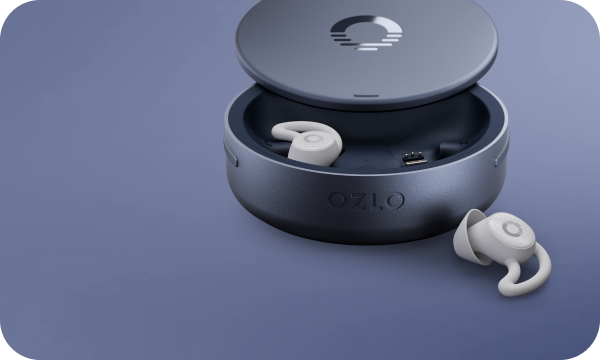
Ozlo is a science-driven, one-stop-shop for the best sleep of your life. Unlike other headphones and earbuds, our tiny Sleepbuds® are engineered to be super comfy, even for side sleepers, while blocking out sleep-disrupting sounds.
Sleepbuds® play audio for up to ten hours, letting you enjoy our noise-masking tracks or stream anything you like, including audiobooks, podcasts, white noise, and YouTube.

The Ozlo Difference
At Ozlo, we're dedicated to helping you achieve the best sleep possible through innovative audio solutions. Our company, founded by three former Bose engineers, focuses on creating products that not only help you fall asleep, but stay asleep throughout the night.
Ozlo Sleepbuds® simply don’t feel like other earbuds. Sleepbuds stay in place even when you toss and turn. The tiny earbuds, with their comfortable silicone tips and anchor-in-place wings, are designed for all-night comfort, no matter your sleeping position. Sleep on your back, side, or whatever works for you, and Ozlo Sleepbuds® will remain in place throughout the night.

Key Highlights
- Founded by three former Bose engineers with extensive experience in audio tech
- Sleepbuds® actively mask unwanted sounds like snoring, traffic, and environmental noises with calming, science-backed audio.
- Ultra-soft silicone tips designed to support every sleeping position, ensuring a secure and comfortable fit.
- Up to 10 hours of continuous use with extra charges from the Smart Case.
- Built-in biometric and environmental sensors offering personalized sleep reports
- Personal alarm gently wakes you without disturbing your partner
Conclusion
Getting your partner to stop snoring is not an overnight process, but with patience and the right approach, it is possible to significantly reduce or even eliminate snoring. Start by identifying the root cause of the snoring, whether it’s related to lifestyle factors, nasal congestion, or sleep apnea. From there, you can experiment with different strategies, such as improving sleep position, using sleep aids, or addressing any underlying medical conditions.
Remember that snoring affects both partners, and working together to find a solution can strengthen your relationship and improve your overall health. If lifestyle changes and home remedies don’t work, don’t hesitate to consult with a sleep specialist to explore more advanced treatment options.
By addressing the issue and taking proactive steps, you and your partner can enjoy better sleep and a healthier, more restful night.
FAQs
How can I help my partner stop snoring without surgery?
There are several non-surgical solutions to help reduce snoring, such as encouraging side sleeping, using nasal strips, or addressing underlying health issues like allergies or obesity. If lifestyle changes don’t work, consider using oral appliances or CPAP machines.
When should my partner see a doctor for snoring?
If your partner’s snoring is loud, persistent, and accompanied by choking or gasping for air, it may indicate sleep apnea. A doctor or sleep specialist can perform a sleep study to diagnose the condition and recommend treatment.
Can alcohol cause snoring?
Yes, alcohol relaxes the muscles in the throat, which can contribute to snoring. It’s best to avoid drinking alcohol before bedtime, or at least limit consumption to reduce its impact on snoring.
Can children or pets in the bedroom affect snoring?
Yes, disruptions from children or pets can lead to irregular sleep patterns, which may worsen snoring. Creating a calm sleep environment by minimizing disturbances can help reduce snoring.


