







Does Mouth Taping Stop Snoring? A Real Look at the Trend
Snoring isn’t just a punchline, it’s a nightly struggle for tons of people and their partners. Lately, mouth taping has been floating around as a simple trick to hush the noise: stick some tape over your mouth, force yourself to breathe through your nose, and maybe, just maybe, enjoy a quieter night. But does it actually work? This article digs into what snoring’s all about, what mouth taping tries to do, and whether it’s worth a try.

What Causes the Snoring Sound
Snoring happens when air can’t flow smoothly while you’re asleep, making tissues in your throat vibrate like a rusty kazoo. It’s annoying, sure, but it can also mess with sleep for everyone involved. Here’s a quick rundown of why it happens:
Common Culprits of Snoring
-
Nose Troubles: A stuffed-up nose from allergies or a crooked septum can force mouth breathing, setting off the snores.
-
Throat Issues: Soft tissues in the back of the throat can flop around, especially if they collapse too much during sleep.
-
Tongue Position: If the tongue chills out too much and slides back, it can block the airway, cueing the noise.
-
Lifestyle Stuff: Extra weight, a few too many drinks, or smoking can all make snoring more likely by messing with breathing patterns.
Everyone’s snoring story is different, so pinning down the cause is key to figuring out what might help.
The Basics of Mouth Taping
Mouth taping is exactly what it sounds like, putting a strip of special tape over your mouth before bed to keep it shut. The goal? Push breathing through the nose instead. People have been buzzing about it online, and some even swear by it. But let’s break it down.
How It’s Supposed to Work
-
Nose Breathing Focus: Keeping the mouth closed might cut down on the throat vibrations tied to snoring.
-
Airway Support: Nasal breathing might help air flow more evenly in the throat, possibly reducing floppy tissue chaos.
-
Dry Mouth Fix: It might also mean less of that parched, scratchy feeling from sleeping with your mouth open.
The tape isn’t your average duct tape, it’s usually a gentle, skin-friendly kind with a little vent so you’re not totally sealed off. Still, it’s not a one-size-fits-all thing.
Where It Came From
This isn’t some shiny new fad. Way back in the 1800s, folks noticed Native American moms gently closing their babies’ mouths to nudge nasal breathing. Now it’s popping up again, thanks to social media and a few small studies.
Looking at the Potential Benefits
So, does taping your mouth at night really help with snoring? The answer isn’t a straight yes or no, it depends on what’s going on in your body and why you’re snoring in the first place. Let’s unpack how mouth taping is supposed to work and why it might be a hit for some people but a total miss for others.
Why It Might Work
The idea behind mouth taping is simple: close the mouth, encourage nose breathing, and hopefully reduce snoring. But there’s more going on under the surface.
-
Nasal breathing is naturally quieter: The nose has built-in filters and humidifiers that help air flow more smoothly. When you breathe through your mouth, air rushes in with less control, often drying out tissues and increasing turbulence, the stuff that causes snoring sounds.
-
Mouth breathing can slacken throat muscles: Sleeping with an open mouth might make the tongue and soft tissues in your throat more likely to relax and collapse into the airway, creating those classic snoring vibrations. Keeping the mouth shut could help keep things more stable.
-
Nasal breathing supports diaphragm use: Breathing through the nose activates the diaphragm more than shallow mouth breathing. That deeper breath pattern might improve airway tone and reduce chances of vibration.
-
Better tongue position: When your mouth is closed, the tongue is more likely to stay in a forward position against the roof of your mouth, keeping it out of the way of your airway.
So, in theory, mouth taping creates the right conditions for smoother, quieter breathing, but that only works if the nose is clear and functional.
Why It Might Not Work
Of course, it's not a silver bullet. Here’s where mouth taping can fall short:
-
If your nose is blocked, you’ll naturally want to breathe through your mouth. Taping it shut might make you feel like you’re gasping for air, definitely not ideal for sleep.
-
It doesn’t fix structural issues: If your snoring is caused by a deviated septum, large tonsils, or throat anatomy, keeping your mouth closed won’t address the root cause.
-
Lifestyle and health factors play a big role: Weight gain, alcohol use, smoking, or sleep apnea all increase the chances of snoring, and those causes won’t be solved by tape alone.
It could be uncomfortable: For some, the sensation of something stuck to their lips can be distracting or even anxiety-inducing. That discomfort could disrupt sleep more than the snoring does.
What the Research Says
Scientific backing is still in its early days. One 2019 case report described a person with sleep apnea who used mouth tape and experienced less snoring and better sleep. Promising, but it’s still just one example. Other small studies suggest nasal breathing can help reduce snoring, but large, controlled studies on mouth taping specifically are lacking. Experts generally agree it’s worth exploring, but more evidence is needed before calling it a go-to solution.
Real-World Feedback
In practice, experiences vary:
-
Some people report noticeably quieter nights, better sleep, and waking up with less dry mouth.
-
Others say it doesn’t make a dent in their snoring, or they rip the tape off halfway through the night because it feels strange.
Bottom line? If your snoring is tied to mouth breathing and your nose is up for the job, mouth taping could help. But if the cause is deeper, like in your throat, lifestyle, or sleep disorders, it might not do much at all.
Any Downsides to Watch For
Mouth taping isn’t all sunshine and silent nights. There are a few things to keep in mind:
Possible Hiccups
-
Blocked Nose Trouble: If your nose is clogged or wonky, taping could make breathing harder, not easier.
-
Skin Irritation: Tape might bug sensitive skin or leave you peeling it off in a huff.
-
Sleep Disruption: Feeling taped up might keep you awake instead of knocking you out.
-
Not for Everyone: If acid reflux or sleep apnea’s in the mix, experts say it could cause more hassle than it’s worth.
One doc even suggests testing it out awake for an hour first to see how it feels. Smart move before diving in overnight.
Other Ways to Tackle Snoring
Mouth taping isn’t the only game in town. Here are some other paths people take:
Ozlo Sleepbuds®
An amazingly restful and peaceful sleep every night, free from distractions and noise, is the greatest gift you can give!

What are Ozlo Sleepbuds?
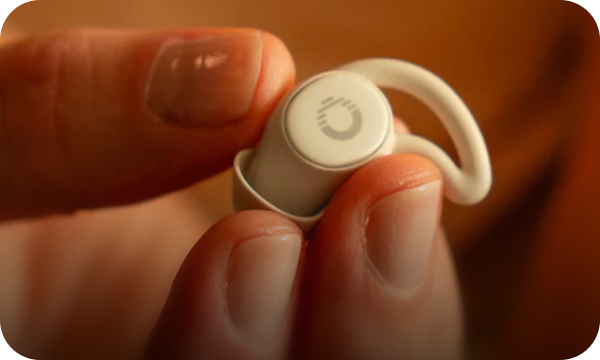
Ozlo is a science-driven, one-stop-shop for the best sleep of your life. Unlike other headphones and earbuds, our tiny Sleepbuds® are engineered to be super comfy, even for side sleepers, while blocking out sleep-disrupting sounds.
Sleepbuds® play audio for up to ten hours, letting you enjoy our noise-masking tracks or stream anything you like, including audiobooks, podcasts, white noise, and YouTube.

The Ozlo Difference
At Ozlo, we're dedicated to helping you achieve the best sleep possible through innovative audio solutions. Our company, founded by three former Bose engineers, focuses on creating products that not only help you fall asleep, but stay asleep throughout the night.
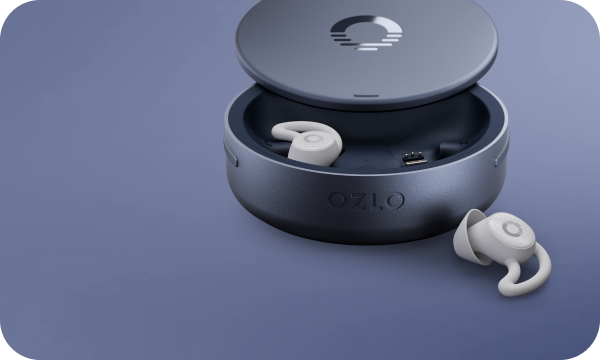
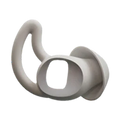
Ozlo Sleepbuds® simply don’t feel like other earbuds. Sleepbuds stay in place even when you toss and turn. The tiny earbuds, with their comfortable silicone tips and anchor-in-place wings, are designed for all-night comfort, no matter your sleeping position. Sleep on your back, side, or whatever works for you, and Ozlo Sleepbuds® will remain in place throughout the night.

Key Highlights
- Founded by three former Bose engineers with extensive experience in audio tech
- Sleepbuds® actively mask unwanted sounds like snoring, traffic, and environmental noises with calming, science-backed audio.
- Ultra-soft silicone tips designed to support every sleeping position, ensuring a secure and comfortable fit.
- Up to 10 hours of continuous use with extra charges from the Smart Case.
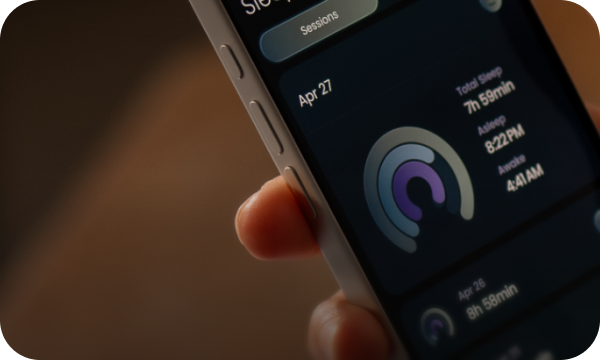
- Built-in biometric and environmental sensors offering personalized sleep reports
- Personal alarm gently wakes you without disturbing your partner
Tried-and-True Options
-
Switch Up Sleep Position: Back sleepers might snore more, rolling to the side or propping the head up could help.
-
Nasal Strips: These little stick-ons open up the nose, handy for nasal snorers. Studies show they can cut snoring for some.
-
Lifestyle Tweaks: Dropping extra weight, skipping late-night drinks, or kicking smoking might dial down the noise.
-
Gear Like CPAP: For serious cases, machines that keep airways open are a go-to, especially if sleep apnea’s involved.
Each trick has its fans, but it’s all about what fits the snorer’s situation.
Deciding If Mouth Taping Fits Your Needs
Mouth taping might sound like a quick win, but it’s not a magic fix. If snoring’s wrecking your nights, or your partner’s, it could be worth a cautious test run, especially if nose breathing feels natural to you. But if your nose doesn’t cooperate or there’s more going on, it might not cut it.
The bottom line? Snoring’s a puzzle, and mouth taping’s just one piece. Chatting with a doctor can help sort out what’s really driving the noise and whether taping, or something else, makes sense. No hype, just facts: it’s all about finding what works for you.
Conclusion
Mouth taping might seem like a quirky trick, but it’s sparked real curiosity for a reason. For some, it’s a low-key way to encourage better breathing habits and possibly quiet the nighttime noise. For others, it might be more of a distraction than a solution.
The key? Know your body and what’s driving the snoring. If you’re mostly a mouth breather with a clear nose, taping could be worth a cautious try. But if there’s more to the story, like structural stuff or lifestyle habits, you might need to look beyond the tape.
At the end of the day, good sleep is personal. Whether it’s a new habit, a sound solution like Ozlo Sleepbuds®, or just tweaking your routine, finding what works for you is what really matters.
FAQs
What exactly is mouth taping?
It’s pretty straightforward: you stick a piece of special tape over your mouth before bed to keep it closed. The idea is to nudge yourself into breathing through your nose instead of your mouth while you sleep. It’s not your everyday Scotch tape, though, think gentle, skin-friendly stuff with a little vent so you’re not locked in.
Does mouth taping really quiet snoring?
Tough to say for sure. Some folks swear it’s made their nights quieter, and a small study from 2019 showed one person snoring less with it. But there’s no big, solid proof yet that it works for everyone. It might depend on why someone’s snoring, nose issues could get a boost, but throat or lifestyle stuff? Maybe not so much.
Is it comfy to sleep with tape on your face?
That’s a personal thing. Some people find it no big deal and sleep fine, while others say it’s weird or keeps them up. If you’re curious, one expert suggests trying it for an hour while awake to see how it feels before committing to a full night.
Can anyone give mouth taping a go?
Not necessarily. If your nose is always stuffed up or funky, it might make breathing trickier instead of easier. And if there’s stuff like acid reflux or serious sleep apnea in the mix, some pros say it could stir up more trouble. Chatting with a doctor first is a smart move.
What if my nose gets blocked at night?
Good question. If your nose isn’t clear, say, from allergies or a cold, the tape could leave you struggling to catch your breath. That’s why the special tape often has a vent, but it’s still something to think about if your nose isn’t a reliable teammate.
Are there other ways to deal with snoring?
Yep, plenty! Switching to side sleeping can help if you’re a back snoozer. Nasal strips might open things up if your nose is the culprit. Tweaking habits like cutting back on drinks or dropping some weight could also turn down the volume. For bigger issues, machines like CPAP are an option worth exploring with a pro.


