








Can TMJ Cause Snoring? Understanding the Link and Treatment Options
*Important Notice: Please consult a doctor if you have any medical conditions. We do not provide medical advice or make claims, and we are not liable for individual health outcomes.
Snoring is a common sleep disturbance that can negatively affect both the snorer and their partner. While many people attribute snoring to factors like obesity, sleep position, or nasal issues, a lesser-known cause is temporomandibular joint (TMJ) dysfunction. The connection between TMJ and snoring may not be immediately obvious, but understanding how TMJ disorders affect the jaw and airway can shed light on this relationship.
If you're wondering whether TMJ can cause snoring, this article delves deep into the causes, symptoms, and treatment options. We will explore the mechanisms behind TMJ-related snoring, how it affects your sleep, and what solutions can help.

What is TMJ Dysfunction?
Temporomandibular joint dysfunction, or TMJ, refers to a condition that affects the joints and muscles responsible for jaw movement. The temporomandibular joint connects the jaw to the skull, and dysfunction in this area can result in pain, misalignment, and difficulty moving the jaw. TMJ disorders can be caused by a variety of factors, including jaw injury, stress, teeth grinding (bruxism), arthritis, or poor posture.
The Connection Between TMJ and Snoring
Snoring occurs when the airflow through the mouth and throat is partially obstructed during sleep, causing the tissues to vibrate. While there are many factors that can contribute to this obstruction, TMJ-related snoring may occur when jaw misalignment contributes to restricted airflow, often in combination with other factors such as airway anatomy or coexisting sleep disorders like obstructive sleep apnea. Here’s how TMJ can contribute to snoring:
-
Jaw Positioning and Misalignment: One of the key mechanisms linking TMJ to snoring is jaw misalignment. When the jaw is not properly aligned due to TMJ dysfunction, it can shift backward during sleep. This backward movement of the jaw can narrow the airway, leading to obstructed breathing and snoring.
-
Muscle Tension and Spasms: TMJ disorders often result in increased muscle tension in the jaw and surrounding areas, including the throat. This tension can make it difficult to maintain proper jaw alignment during sleep, further constricting the airway and exacerbating snoring.
-
Breathing Difficulties: When the jaw is misaligned, it can cause the soft tissues in the throat to vibrate more easily, especially during inhalation and exhalation. These vibrations produce the familiar snoring sound. The altered jaw position can also block the airway, contributing to the difficulty in breathing that leads to snoring.
-
Discomfort and Poor Sleep Positions: TMJ pain can make it hard to find a comfortable sleeping position. People with TMJ disorders may unknowingly adopt poor sleep positions that worsen airway obstruction, leading to more frequent or louder snoring.
Recognizing TMJ Dysfunction as a Possible Cause of Snoring
TMJ (temporomandibular joint) dysfunction can significantly impact your sleep quality and may even be contributing to your snoring. It’s important to be aware of the common signs of TMJ disorders, as they often go hand in hand with sleep disturbances. If you experience these symptoms in conjunction with snoring, TMJ dysfunction could be the underlying cause. Below are the detailed symptoms to watch out for:
1. Jaw Pain or Tenderness
One of the most common symptoms of TMJ dysfunction is discomfort or pain in the jaw. This pain may occur when chewing, speaking, or even at rest. Over time, this discomfort can lead to more severe issues, including jaw stiffness and limited jaw movement, which may increase the likelihood of snoring due to restricted airflow.
2. Clicking or Popping Sounds
People with TMJ dysfunction often hear a clicking or popping sound when opening or closing their mouths. This noise occurs due to the misalignment of the temporomandibular joint, and it can be accompanied by pain. These sounds might not only be an inconvenience but can also indicate that your jaw is not properly aligned, which can contribute to snoring.
3. Pain Around the Ears
TMJ dysfunction can lead to discomfort around the ear area. This pain may feel like an earache, but there is no actual issue with the ear itself. The pain can radiate from the jaw joint and affect the muscles surrounding the ear, potentially making it harder to find a comfortable sleeping position, thus increasing snoring frequency.
4. Difficulty Chewing or Opening the Mouth Fully
If your TMJ is misaligned, it may become difficult or painful to fully open your mouth or chew food. The restricted movement in the jaw can affect the positioning of the tongue and soft tissues in the throat, leading to airway obstruction during sleep and resulting in snoring.
5. Headaches
Headaches, particularly tension headaches or migraines, are common in people with TMJ disorders. These headaches are often related to jaw misalignment, muscle strain, or jaw clenching, which can also contribute to snoring. A misaligned jaw can interfere with normal sleep posture, leading to poor sleep quality and snoring.
6. Muscle Tightness in the Jaw, Neck, and Shoulders
TMJ dysfunction can cause muscle tightness in the jaw, neck, and shoulder areas. This discomfort can be particularly noticeable after sleeping, leading to tension that may affect your ability to rest properly. The misalignment of the jaw can also restrict airflow in the throat, increasing the likelihood of snoring.
7. Teeth Grinding (Especially at Night)
Teeth grinding, or bruxism, is another symptom commonly associated with TMJ dysfunction. This typically happens during sleep and can lead to jaw pain, dental damage, and further exacerbates the misalignment of the jaw. Grinding your teeth can increase muscle tension and interfere with the proper positioning of the jaw, making it harder to maintain an open airway during sleep.
8. Poor Sleep Quality
TMJ dysfunction can contribute to poor sleep quality. Pain and discomfort from the jaw, headaches, and muscle tension can make it difficult to fall asleep and stay asleep, resulting in restlessness throughout the night. As a result, the compromised sleep position can trigger or worsen snoring.
How to Diagnose TMJ-Related Snoring
Diagnosing TMJ-related snoring requires a multi-step approach.Typically, the process begins with a consultation with a dentist, who specializes in TMJ disorders, or another healthcare provider with expertise in this area. They will assess your symptoms, review your medical history, and perform a physical examination to evaluate your jaw alignment.
In complex cases, imaging studies like MRI or CT may be recommended to assess jaw joint structure, but clinical evaluation by a TMJ specialist is typically sufficient for diagnosis.
Treatment Options for TMJ-Related Snoring
If your snoring is related to TMJ dysfunction, there are several treatment options available. These treatments aim to address the underlying jaw misalignment and alleviate the muscle tension that contributes to snoring.
-
Oral Appliances: One of the most effective treatments for TMJ-related snoring is the use of oral appliances. These custom-made devices, often referred to as night guards or mandibular advancement devices, help realign the jaw and prevent it from shifting backward during sleep. By keeping the airway open, oral appliances can significantly reduce or eliminate snoring caused by TMJ issues.
-
Physical Therapy: Physical therapy can be beneficial for treating TMJ disorders by improving jaw function and relieving muscle tension. Techniques such as massage, stretching, and strengthening exercises can help reduce pain and discomfort, potentially alleviating snoring.
-
Stress Management: Since stress can exacerbate TMJ symptoms, relaxation techniques like yoga, meditation, and breathing exercises can help reduce tension in the jaw and surrounding muscles. Managing stress may not only alleviate TMJ discomfort but also improve sleep quality, reducing snoring.
-
Medication: In some cases, snoring may indicate coexisting obstructive sleep apnea (OSA), but TMJ dysfunction often contributes to snoring independently through jaw misalignment or muscle tension. Nonsteroidal anti-inflammatory drugs (NSAIDs) or muscle relaxants can provide temporary relief from pain and discomfort.
-
Surgery: While surgery is rarely needed, it may be considered for severe cases of TMJ dysfunction that do not respond to conservative treatments. Surgical options vary depending on the nature of the problem and may include procedures to realign the jaw or repair damaged joints.
Additional Sleep Tips to Improve Snoring
In addition to addressing TMJ-related snoring, there are several general sleep hygiene practices that can help improve the quality of your sleep and reduce snoring:
-
Sleep Position: Sleeping on your back can worsen snoring, as it allows the tongue and soft tissues of the throat to collapse backward. Try sleeping on your side to keep your airway open.
-
Maintain a Regular Sleep Schedule: Going to bed and waking up at the same time every day can improve the quality of your sleep, helping to reduce snoring.
-
Limit Alcohol and Sedatives: Alcohol and sedative medications relax the muscles in the throat, which can exacerbate snoring. Avoid these substances, especially in the hours leading up to bedtime.
-
Create a Comfortable Sleep Environment: Ensure that your bedroom is quiet, cool, and dark. Using noise-masking devices, such as Ozlo Sleepbuds®, can help drown out disruptive sounds like snoring and environmental noises, creating a more restful sleep environment.
Improving Sleep Quality
For those seeking better sleep and reduced snoring, there are advanced solutions designed to mask disruptive noises and create a more peaceful sleep atmosphere.
Ozlo Sleepbuds®
An amazingly restful and peaceful sleep every night, free from distractions and noise, is the greatest gift you can give!

What are Ozlo Sleepbuds?
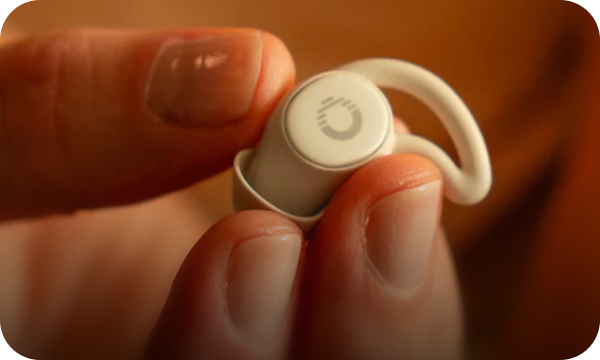
Ozlo is a science-driven, one-stop-shop for the best sleep of your life. Unlike other headphones and earbuds, our tiny Sleepbuds® are engineered to be super comfy, even for side sleepers, while blocking out sleep-disrupting sounds.
Sleepbuds® play audio for up to ten hours, letting you enjoy our noise-masking tracks or stream anything you like, including audiobooks, podcasts, white noise, and YouTube.

The Ozlo Difference
At Ozlo, we're dedicated to helping you achieve the best sleep possible through innovative audio solutions. Our company, founded by three former Bose engineers, focuses on creating products that not only help you fall asleep, but stay asleep throughout the night.
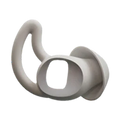
Ozlo Sleepbuds® simply don’t feel like other earbuds. Sleepbuds stay in place even when you toss and turn. The tiny earbuds, with their comfortable silicone tips and anchor-in-place wings, are designed for all-night comfort, no matter your sleeping position. Sleep on your back, side, or whatever works for you, and Ozlo Sleepbuds® will remain in place throughout the night.

Key Highlights
- Founded by three former Bose engineers with extensive experience in audio tech
- Sleepbuds® actively mask unwanted sounds like snoring, traffic, and environmental noises with calming, science-backed audio.
- Ultra-soft silicone tips designed to support every sleeping position, ensuring a secure and comfortable fit.
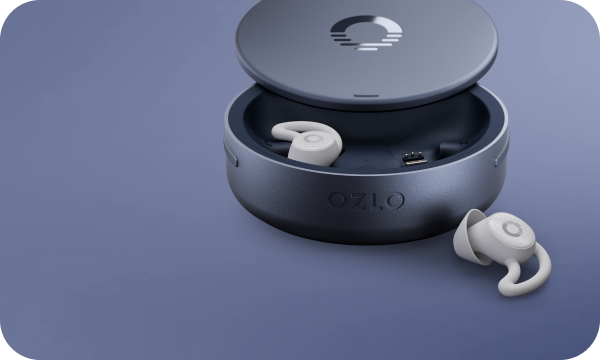
- Up to 10 hours of continuous use with extra charges from the Smart Case.
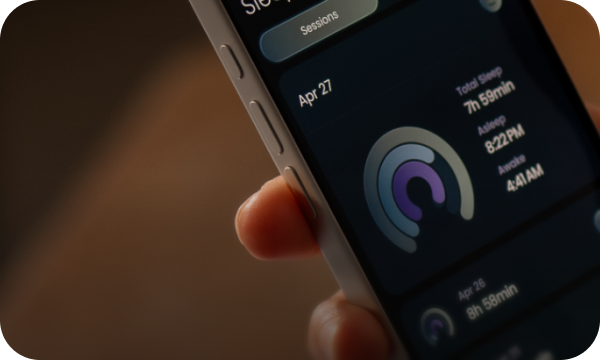
- Built-in biometric and environmental sensors offering personalized sleep reports
- Personal alarm gently wakes you without disturbing your partner
Conclusion
TMJ dysfunction can indeed cause snoring by misaligning the jaw, restricting airflow, and increasing muscle tension. However, with the right treatment approach—such as oral appliances, physical therapy, and stress management—you can address the root causes of TMJ-related snoring and enjoy a better night’s sleep. Additionally, sleep hygiene practices and products like Ozlo Sleepbuds® can further enhance your sleep quality and help you reduce snoring.
If you suspect that your snoring is related to TMJ dysfunction, consult with a healthcare professional for a proper diagnosis and treatment plan. By targeting the underlying issues, you can alleviate snoring, improve your sleep, and enhance your overall quality of life.
FAQs
Can TMJ disorders cause snoring?
Yes, TMJ disorders can cause snoring by misaligning the jaw, which can restrict airflow and increase muscle tension in the jaw and throat, contributing to snoring.
What are the main symptoms of TMJ dysfunction that could affect sleep?
Common symptoms of TMJ dysfunction that affect sleep include jaw pain, difficulty opening the mouth, headaches, muscle tightness in the jaw, and teeth grinding, which can also lead to snoring.
How can TMJ-related snoring be treated?
TMJ-related snoring can be treated through the use of oral appliances (like mandibular advancement devices), physical therapy, stress management, medications, and in severe cases, surgery, to address jaw misalignment and muscle tension.


