









Can Snoring Make Your Throat Hurt? Causes, Symptoms, and Solutions
Waking up with a sore, dry, or scratchy throat can be frustrating, especially when it happens consistently. Many people instinctively associate a sore throat with an illness like a cold or flu. But what if you're not sick, and the pain seems to appear only after sleep? A frequently overlooked cause of morning throat discomfort is snoring. Yes, snoring can absolutely make your throat hurt, and understanding why it happens is essential to finding lasting relief.
This article provides a deep dive into the connection between snoring and throat pain, exploring causes, contributing factors, and actionable solutions. Whether you're the one snoring or the one dealing with the side effects, here’s everything you need to know.

How Snoring Irritates the Throat
Snoring occurs when airflow through the mouth and nose is partially blocked during sleep, causing the surrounding tissues to vibrate. These vibrations can create a loud, harsh sound, and more importantly, they can inflame and irritate the delicate lining of the throat over time. This physical irritation can lead to soreness, dryness, and discomfort upon waking.
The more intense and prolonged the snoring, the greater the impact on the throat. The vibrations and air turbulence can cause irritation and inflammation in throat tissue, especially when combined with mouth breathing.
The Role of Mouth Breathing
Mouth breathing dries out the throat and mouth, reducing the protective effects of saliva’s antimicrobial enzymes and increasing the chance of bacterial infections. People who snore are much more likely to breathe through their mouths during sleep, either because of nasal congestion or because their airway is partially obstructed. Mouth breathing not only dries the throat but also increases the chance of bacterial infections by reducing saliva, which contains antimicrobial enzymes that help protect the throat.
Snoring and Sleep Apnea
Snoring is also closely linked to obstructive sleep apnea (OSA), a condition where the airway collapses or becomes blocked repeatedly during sleep. People with OSA often snore loudly and then stop breathing for short periods before gasping awake.
Waking up with a sore throat is a common symptom among sleep apnea sufferers. This occurs because the airway obstruction and subsequent gasping for air create trauma to the throat. Repeated episodes of apnea place constant strain on the upper airway, increasing irritation and dryness.
Other Symptoms That Often Accompany Snoring-Related Throat Pain
If snoring is causing your sore throat, it’s likely accompanied by other noticeable symptoms:
-
Dry mouth in the morning
-
Bad breath
-
Hoarseness or a raspy voice
-
Difficulty swallowing upon waking
-
Frequent nighttime awakenings
-
Excessive daytime fatigue
These symptoms, when occurring together, strongly suggest that your sore throat is not due to a virus or infection, but a mechanical issue related to how you're breathing during sleep.
Contributing Factors to Snoring and Morning Sore Throats
Several conditions and lifestyle choices can increase the likelihood of snoring and associated throat pain:
-
Dehydration: When your body lacks moisture, your throat tissues are more prone to drying out and becoming irritated.
-
Alcohol consumption: Alcohol relaxes throat muscles, increasing the risk of airway obstruction and snoring.
-
Allergies: Nasal congestion forces mouth breathing, exacerbating snoring and throat dryness.
-
Acid reflux: Stomach acid can travel up into the throat during sleep, causing soreness and irritation that mimics or worsens snoring-related pain.
-
Obesity: Extra weight, particularly around the neck, can narrow airways and reduce muscle tone in the throat, increasing the likelihood of both snoring and OSA.
-
Sleeping position: Back sleeping allows the tongue and soft palate to fall back into the throat, narrowing the airway.
-
Anatomical factors: Enlarged tonsils, adenoids, or a deviated nasal septum can obstruct airways, contributing to snoring and throat irritation.
When to See a Doctor
Occasional snoring or mild throat discomfort may not require medical intervention. However, you should consult a doctor or sleep specialist if you experience:
-
Persistent sore throat lasting more than a week
-
Loud, chronic snoring
-
Episodes of gasping or choking during sleep
-
Difficulty concentrating or excessive daytime sleepiness
-
High blood pressure or mood swings
-
Hoarseness that doesn’t improve
These could be signs of a more serious sleep disorder, such as sleep apnea, that warrants professional assessment and treatment. A sleep specialist may recommend polysomnography, a sleep study that monitors breathing, heart rate, and other metrics to diagnose conditions like sleep apnea.
How to Reduce Snoring and Prevent Throat Pain
There are many effective ways to reduce snoring and the throat discomfort it causes. Below are the most practical strategies:
-
Stay hydrated: Drinking plenty of water keeps your throat tissues moist and less prone to irritation. Aim for about 8 glasses a day and avoid dehydrating drinks like caffeine or alcohol before bed.
-
Address nasal congestion: Use saline sprays, decongestants, or allergy medications to clear nasal passages and encourage nose breathing instead of mouth breathing.
-
Change your sleep position: Sleeping on your side rather than your back helps keep the airway open. Use a body pillow or sleep aid to stay in position through the night.
-
Avoid alcohol and smoking: Alcohol relaxes the throat muscles, and smoking inflames the airways - both increase the risk of snoring and sore throat.
-
Use a humidifier: Adding moisture to dry air prevents throat tissues from drying out overnight, especially in winter or dry climates.
-
Lose excess weight: Reducing body weight, even slightly, can relieve pressure around the neck and help prevent airway obstruction during sleep.
-
Use oral appliances or CPAP: For moderate to severe snoring or sleep apnea, a doctor may recommend a CPAP machine or a custom-fit oral device to keep airways open.
-
Practice good sleep hygiene: Maintain a consistent sleep routine, minimize screen time before bed, and create a relaxing environment to promote restful sleep and reduce muscle relaxation that contributes to snoring.
Sleep-Friendly Tech That Supports Better Rest
If you or your partner struggle with snoring and the resulting sore throats, sleep disruption can become a nightly routine. In cases where environmental noise or snoring interferes with your rest, modern solutions can make a big difference.
Ozlo Sleepbuds®
An amazingly restful and peaceful sleep every night, free from distractions and noise, is the greatest gift you can give!

What are Ozlo Sleepbuds?
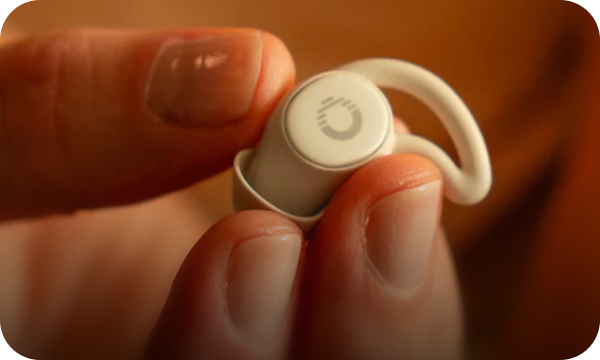
Ozlo is a science-driven, one-stop-shop for the best sleep of your life. Unlike other headphones and earbuds, our tiny Sleepbuds® are engineered to be super comfy, even for side sleepers, while blocking out sleep-disrupting sounds.
Sleepbuds® play audio for up to ten hours, letting you enjoy our noise-masking tracks or stream anything you like, including audiobooks, podcasts, white noise, and YouTube.

The Ozlo Difference
At Ozlo, we're dedicated to helping you achieve the best sleep possible through innovative audio solutions. Our company, founded by three former Bose engineers, focuses on creating products that not only help you fall asleep, but stay asleep throughout the night.
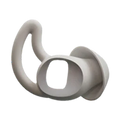
Ozlo Sleepbuds® simply don’t feel like other earbuds. Sleepbuds stay in place even when you toss and turn. The tiny earbuds, with their comfortable silicone tips and anchor-in-place wings, are designed for all-night comfort, no matter your sleeping position. Sleep on your back, side, or whatever works for you, and Ozlo Sleepbuds® will remain in place throughout the night.

Key Highlights
- Founded by three former Bose engineers with extensive experience in audio tech
- Sleepbuds® actively mask unwanted sounds like snoring, traffic, and environmental noises with calming, science-backed audio.
- Ultra-soft silicone tips designed to support every sleeping position, ensuring a secure and comfortable fit.
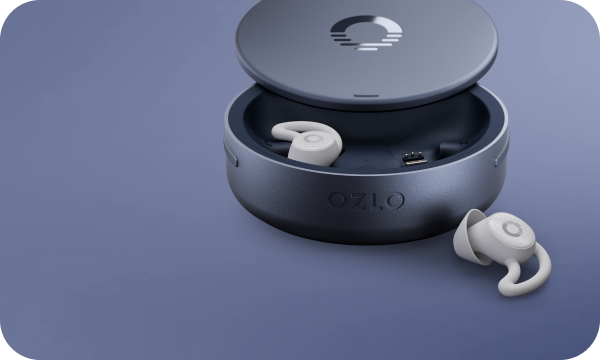
- Up to 10 hours of continuous use with extra charges from the Smart Case.
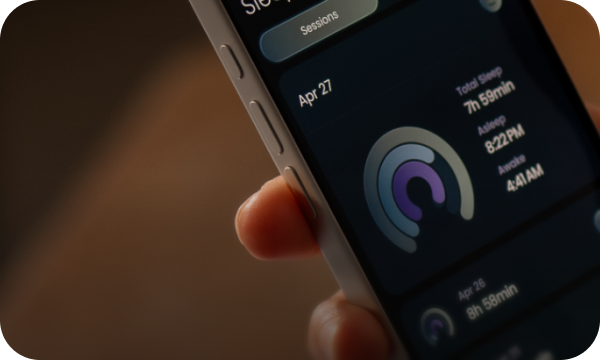
- Built-in biometric and environmental sensors offering personalized sleep reports
- Personal alarm gently wakes you without disturbing your partner
Conclusion
Waking up with a sore throat is never pleasant, but when the root cause is snoring, it opens the door to targeted solutions. Snoring can absolutely make your throat hurt - especially when it involves mouth breathing, sleep apnea, or airway irritation. The key to relief is identifying what’s behind your snoring and addressing it directly.
From simple lifestyle changes and sleep position adjustments to advanced sleep aids and medical evaluation, there are many ways to break the cycle of snoring and sore throats. The sooner you act, the better your nights - and mornings - will be.
FAQs
Can occasional snoring still cause a sore throat?
Yes. Even occasional snoring can lead to temporary throat irritation, especially if it's accompanied by mouth breathing or occurs in a dry sleep environment. The friction and airflow can dry out and inflamed throat tissues overnight.
Why does my throat only hurt in the morning but feels fine later?
Morning throat pain often results from night-time snoring or mouth breathing. Once you're awake and begin drinking fluids and speaking, the throat rehydrates and the irritation subsides, which is why symptoms often disappear during the day.
Is a sore throat from snoring a sign of something serious?
It can be. While mild irritation is usually harmless, persistent morning sore throats may indicate underlying issues like sleep apnea, acid reflux, or chronic nasal congestion. If it's recurring, it's best to consult a healthcare provider.
Can sleeping with your mouth open make throat pain worse?
Absolutely. Mouth breathing bypasses the nose’s natural filtration and humidification, leading to a dry, irritated throat. It also increases the likelihood of snoring, especially when nasal passages are blocked.
Will changing my sleep position help reduce throat pain from snoring?
Yes. Sleeping on your back can worsen snoring and mouth breathing, while side sleeping often reduces both. Using a supportive pillow or positional aid can help keep your airway more open and reduce throat discomfort.


