











Can Enlarged Tonsils Cause Snoring? Understanding the Causes and Treatment Options
*Important Notice: Please consult a doctor if you have any medical conditions. We do not provide medical advice or make claims, and we are not liable for individual health outcomes.
Snoring is a common issue that affects millions of people worldwide, but it’s often not just a nuisance. For some, snoring can interfere with sleep quality, cause daytime drowsiness, and even strain relationships. One of the lesser-discussed causes of snoring is enlarged tonsils, a condition that can obstruct the airway and lead to disrupted sleep. While snoring is often associated with lifestyle factors like obesity or sleep position, it’s important to understand that anatomical issues, such as enlarged tonsils, can play a significant role.
This article will explore the connection between enlarged tonsils and snoring, the symptoms to watch out for, potential risks, and available treatment options. Whether you're dealing with this issue yourself or suspect that a loved one might be affected, understanding how enlarged tonsils can contribute to snoring can help in finding the right solution.

What Are Enlarged Tonsils?
Enlarged tonsils, medically known as tonsillar hypertrophy, is a condition in which the tonsils – two lymphatic structures located at the back of the throat – become swollen. This condition is more common in children than adults, though it can occur at any age. Tonsils are part of the body’s immune system and help fight infections, but when they become enlarged, they can obstruct the airway, leading to various health issues.
In many cases, enlarged tonsils do not cause symptoms. However, when the enlargement is significant, it can lead to breathing difficulties, snoring, and in some cases, obstructive sleep apnea. The tonsils can become enlarged due to chronic infections, allergies, or other factors like genetic predisposition, leading to potential airway obstruction.
The size of the tonsils doesn’t always predict symptom severity. Airway shape, throat muscle tone, or conditions like allergies can worsen obstruction, meaning some with moderately enlarged tonsils may experience significant issues, while others with larger tonsils may have fewer problems.
Can Enlarged Tonsils Cause Snoring?
The short answer is yes - enlarged tonsils can cause snoring. When the tonsils become enlarged, they take up more space in the back of the throat, which can narrow the airway. This narrowing makes it harder for air to flow freely, especially during sleep when the muscles around the throat relax. As a result, the air passing through the narrowed airway causes the tissues in the throat to vibrate, which leads to the characteristic sound of snoring.
Snoring caused by enlarged tonsils is often more pronounced when a person is lying on their back, as this position can further obstruct the airway. Additionally, the relaxation of the throat muscles during sleep can exacerbate the effect of enlarged tonsils, leading to louder snoring or even sleep apnea.
In children, enlarged tonsils are a more common cause of snoring, but adults can also experience this issue. In fact, adults who had enlarged tonsils as children may see a recurrence of snoring as they age and their tonsils become enlarged again due to infections, allergies, or other factors.
Symptoms of Enlarged Tonsils Leading to Snoring
Many people with enlarged tonsils don’t experience any symptoms, especially if the enlargement is mild. However, when symptoms do occur, they are typically more noticeable during sleep, when the muscles in the throat are more relaxed and the airway is more easily obstructed.
The most common symptoms of enlarged tonsils causing snoring include:
-
Loud breathing: Often heard during sleep, loud breathing can occur even without full-on snoring.
-
Snoring: This is the most obvious symptom of enlarged tonsils. The enlarged tonsils restrict airflow through the throat, causing vibrations that result in snoring.
-
Difficulty swallowing: Enlarged tonsils can make it harder to swallow food or liquids, particularly when the enlargement is significant.
-
Mouth breathing: Because the airway is partially obstructed by the enlarged tonsils, individuals may resort to breathing through their mouths during sleep, which can exacerbate the snoring problem.
-
Daytime drowsiness: Poor sleep quality due to snoring and disrupted breathing patterns at night can result in daytime sleepiness and fatigue.
In some cases, individuals with enlarged tonsils may also experience difficulty concentrating, irritability, and behavioral changes, particularly if the problem is left untreated for an extended period.
Risks and Complications of Enlarged Tonsils and Snoring
While snoring itself is typically not a dangerous condition, snoring caused by enlarged tonsils can lead to more serious health issues. The most significant risks associated with enlarged tonsils and snoring are related to obstructed breathing during sleep. These include:
-
Sleep apnea: Snoring from enlarged tonsils can lead to obstructive sleep apnea, where breathing repeatedly pauses or becomes shallow due to partial or complete airway blockages. This disrupts sleep and reduces oxygen levels.
-
Heart and lung problems: Chronic snoring and sleep apnea can reduce oxygen levels, causing inflammation and straining the heart, which may increase risks for hypertension, heart disease, and stroke over time.
-
Behavioral and cognitive issues: In children, untreated snoring caused by enlarged tonsils can lead to developmental problems, including poor academic performance, hyperactivity, and difficulty concentrating. In adults, long-term snoring and sleep apnea can result in daytime fatigue, mood swings, and difficulty functioning in daily life.
-
Compromised immune function: The inability to get restorative sleep due to snoring can weaken the immune system, making the body more susceptible to infections and illnesses.
Because the complications of enlarged tonsils can affect both physical and mental health, it’s essential to address snoring and any associated symptoms early.
Diagnosis of Enlarged Tonsils and Snoring
If you suspect that enlarged tonsils are causing snoring, it's important to seek professional evaluation to confirm the diagnosis and rule out other potential causes, such as sleep apnea or allergies. A healthcare provider will typically begin with a thorough physical examination, asking about your medical history, symptoms, and any related issues like difficulty swallowing or frequent infections.
The following diagnostic procedures may be recommended to assess the severity of the condition:
-
Physical Examination: The doctor will examine the throat to assess the size of the tonsils and look for signs of swelling or other issues. They may also check for other anatomical factors, such as nasal obstruction or an unusual jaw structure, that could contribute to snoring.
-
Sleep Study (Polysomnography): If there is a suspicion of sleep apnea due to loud, persistent snoring, the doctor may recommend a sleep study. This test monitors various body functions while you sleep, including breathing patterns, heart rate, and oxygen levels. A sleep study helps diagnose obstructive sleep apnea, which can be caused or exacerbated by enlarged tonsils.
-
Endoscopy: In some cases, a healthcare provider may recommend an endoscopic examination to get a closer look at the airway and tonsils. This involves inserting a small camera through the nose or mouth to observe the size of the tonsils and any potential obstructions.
-
Pulse Oximetry: To measure oxygen levels while you sleep, pulse oximetry may be used. This involves wearing a small device on your finger while you sleep, which tracks oxygen saturation and can help detect signs of sleep apnea caused by enlarged tonsils.
-
Brodsky Scale: The Brodsky Scale is often used to grade the size of the tonsils from 0 to 4, helping doctors assess the degree of tonsillar hypertrophy and its impact on airway obstruction. A grade of 0 means no enlargement, while a grade of 4 indicates complete airway obstruction.
Once the diagnosis is confirmed, your doctor will discuss appropriate treatment options based on the severity of your symptoms and the underlying causes. Early diagnosis and intervention can prevent further complications, such as sleep apnea or chronic throat infections, and significantly improve sleep quality.
If you're experiencing chronic snoring, daytime fatigue, or difficulty breathing, it's crucial to consult a healthcare provider for proper diagnosis and guidance.
How to Treat Snoring Caused by Enlarged Tonsils
Treatment for snoring caused by enlarged tonsils depends on the severity of the symptoms and the underlying cause of the enlargement. In some cases, conservative treatments may be enough to alleviate snoring, while in more severe cases, surgery may be necessary.
-
Lifestyle changes: Start with healthy sleep habits to ease snoring from enlarged tonsils. Sleeping on your side reduces airway pressure, while weight loss can decrease throat tissue bulk, improving airflow.
-
Nasal decongestants: If allergies or nasal congestion are contributing to the snoring, over-the-counter nasal decongestants or saline sprays may help reduce inflammation in the nasal passages and make it easier to breathe through the nose.
-
Surgery: For severe snoring with sleep apnea or swallowing difficulties, a tonsillectomy may be recommended. However, this procedure carries risks like bleeding or prolonged recovery. Alternatives include adenoid removal, managing allergies, or watchful waiting for mild cases.
Before considering surgery, it’s essential to consult with a healthcare provider, who will assess the severity of the condition and recommend the most appropriate treatment options.
Solutions for Snoring and Improving Sleep Quality
While addressing the root cause of snoring due to enlarged tonsils is important, there are also several solutions available to help improve sleep quality and reduce the impact of snoring.
-
Sleep hygiene: Maintaining a consistent sleep schedule, ensuring the bedroom is cool and dark, and minimizing distractions can all improve sleep quality. Creating a relaxing bedtime routine and avoiding caffeine or heavy meals before bed can also help promote better sleep.
-
Positive airway pressure (CPAP): For individuals with sleep apnea caused by enlarged tonsils, a CPAP (continuous positive airway pressure) machine may be prescribed. This device delivers a continuous flow of air into the airway to keep it open during sleep, reducing snoring and preventing breathing interruptions.
-
Oral appliances: In some cases, a dentist may recommend an oral appliance, such as a mandibular advancement device (MAD), which helps reposition the lower jaw and tongue to keep the airway open during sleep. This can be a useful option for mild to moderate snoring.
Effective Solutions for Better Rest
Getting quality sleep is crucial for both physical and mental well-being, but for many, snoring - whether caused by enlarged tonsils or other factors - can disrupt the rest they need. While addressing the underlying causes of snoring, such as tonsil enlargement, is essential, there are also ways to improve sleep quality in the meantime. One effective solution is incorporating tools designed to mask disruptive sounds and create a more peaceful sleep environment.
For individuals who struggle with snoring from either their own airway issues or a partner’s, using noise-masking devices can be an excellent way to enhance sleep quality.
Ozlo Sleepbuds®
An amazingly restful and peaceful sleep every night, free from distractions and noise, is the greatest gift you can give!

What are Ozlo Sleepbuds?
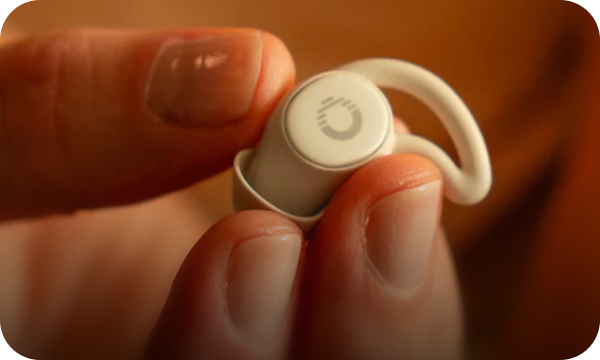
Ozlo is a science-driven, one-stop-shop for the best sleep of your life. Unlike other headphones and earbuds, our tiny Sleepbuds® are engineered to be super comfy, even for side sleepers, while blocking out sleep-disrupting sounds.
Sleepbuds® play audio for up to ten hours, letting you enjoy our noise-masking tracks or stream anything you like, including audiobooks, podcasts, white noise, and YouTube.

The Ozlo Difference
At Ozlo, we're dedicated to helping you achieve the best sleep possible through innovative audio solutions. Our company, founded by three former Bose engineers, focuses on creating products that not only help you fall asleep, but stay asleep throughout the night.
Ozlo Sleepbuds® simply don’t feel like other earbuds. Sleepbuds stay in place even when you toss and turn. The tiny earbuds, with their comfortable silicone tips and anchor-in-place wings, are designed for all-night comfort, no matter your sleeping position. Sleep on your back, side, or whatever works for you, and Ozlo Sleepbuds® will remain in place throughout the night.

Key Highlights
- Founded by three former Bose engineers with extensive experience in audio tech
- Sleepbuds® actively mask unwanted sounds like snoring, traffic, and environmental noises with calming, science-backed audio.
- Ultra-soft silicone tips designed to support every sleeping position, ensuring a secure and comfortable fit.
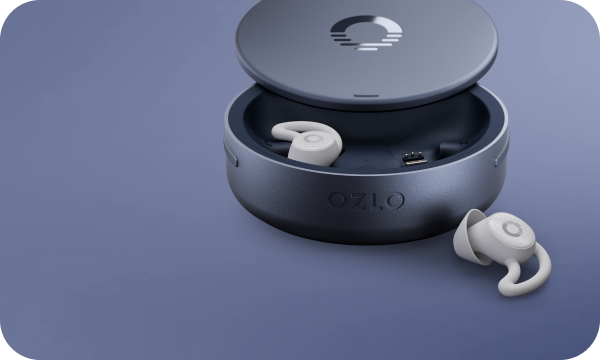
- Up to 10 hours of continuous use with extra charges from the Smart Case.
- Built-in biometric and environmental sensors offering personalized sleep reports
- Personal alarm gently wakes you without disturbing your partner
Conclusion
Enlarged tonsils can indeed cause snoring, especially when they obstruct the airway and make breathing more difficult during sleep. The good news is that with proper diagnosis and treatment, snoring caused by enlarged tonsils can often be managed or eliminated. From lifestyle changes to surgical options, there are various ways to address the issue and improve sleep quality.
If you or your child are experiencing snoring, difficulty swallowing, or other related symptoms, it’s important to consult with a healthcare provider. Early intervention can help prevent the complications of untreated snoring, such as sleep apnea, heart problems, and developmental delays. With the right treatment plan, most individuals can experience a significant reduction in snoring and enjoy better, more restful sleep.
FAQs
Can enlarged tonsils cause chronic snoring?
Yes, enlarged tonsils can cause chronic snoring, especially when they obstruct the airway and interfere with normal breathing during sleep.
When should I see a doctor about snoring caused by enlarged tonsils?
If snoring is persistent, loud, or accompanied by difficulty swallowing, daytime fatigue, or signs of sleep apnea, it’s important to seek medical advice.
How can I manage snoring from enlarged tonsils while waiting for treatment?
In the meantime, try sleeping on your side, using nasal decongestants if needed, and avoiding alcohol before bed to reduce the likelihood of snoring. Consult with a healthcare provider for further treatment options.


