





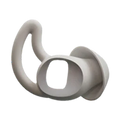


Bose Sleepbuds 3 Specifications and Release Updates
For many, achieving a good night's sleep is a constant challenge. Over the years, various solutions have emerged, from white noise machines to specialized sleep earbuds. Bose, a renowned name in audio technology, ventured into this space with their Sleepbuds series, aiming to help users mask unwanted noises and enjoy peaceful slumber. With the discontinuation of Sleepbuds II in 2023, many are curious about the potential release and specifications of a third-generation model. This article delves into the history of Bose Sleepbuds, discusses the prospects of a new release, and explores current alternatives available in the market.

The Evolution of Bose Sleepbuds
For years, Bose has been a leading name in audio technology, known for its high-quality speakers, headphones, and noise-canceling innovations. But the company also ventured into the sleep technology space with its Sleepbuds line - a unique approach to solving sleep disturbances through noise masking rather than active noise cancellation.
The Sleepbuds series was designed to help users block out unwanted sounds, such as snoring partners, street noise, or other environmental distractions, using preloaded sleep sounds instead of traditional music streaming. While the concept resonated with a niche group of dedicated users, the product line faced various challenges over the years, leading to the discontinuation of both Sleepbuds (first generation) and Sleepbuds II.
With no official announcement regarding a Bose Sleepbuds 3, many long-time users and sleep-tech enthusiasts are wondering whether Bose will re-enter this market. Meanwhile, a group of former Bose engineers has taken the initiative to continue the vision behind Sleepbuds, leading to the rise of Ozlo - a company that aims to carry forward and enhance the sleep technology that Bose pioneered.
The Original Sleepbuds (2018 - 2019)
Bose introduced the first-generation Sleepbuds in 2018, targeting individuals struggling with sleep due to disruptive background noises. Unlike regular wireless earbuds, these were specifically designed for nighttime use and did not support music streaming. Instead, they played preloaded soothing sounds, such as white noise, rainfall, and other ambient soundscapes, engineered to mask external disturbances and help users sleep better.
Key Features of Sleepbuds (First Generation)
-
Ultra-compact design: Small, lightweight earbuds designed for maximum comfort, even for side sleepers.
-
Preloaded noise-masking sounds: A selection of carefully curated sleep sounds aimed at blocking out external noise.
-
Dedicated charging case: Provided additional charges for uninterrupted nightly use.
-
Wireless connectivity: Used Bluetooth Low Energy (BLE) for minimal power consumption.
While the concept received positive feedback, issues began to arise regarding battery reliability. Some users reported that their Sleepbuds would not hold a charge throughout the night, despite being fully charged before bedtime. Others experienced unexpected battery failures or premature degradation, leading to widespread frustration among customers.
In 2019, Bose made the decision to discontinue the first-generation Sleepbuds, citing persistent battery-related issues. The company acknowledged that the underlying technology had not met its high standards of reliability and offered refunds to affected customers, showing a commitment to customer satisfaction despite the setback.
Sleepbuds II (2020 - 2023)
Determined to address the flaws of the original Sleepbuds, Bose launched Sleepbuds II in October 2020. This new version maintained the core idea of noise masking instead of noise cancellation but introduced significant improvements in both hardware and software.
Key Improvements in Sleepbuds II
-
Enhanced battery performance: Redesigned to avoid the charging issues that plagued the first-generation model.
-
Improved comfort and fit: New materials and adjustments for better in-ear stability, even for side sleepers.
-
Refined noise-masking sounds: A broader selection of sleep sounds optimized for relaxation and effective noise masking.
-
Better connectivity: Addressed previous issues with Bluetooth connectivity and pairing reliability.
Sleepbuds II received a more positive reception than its predecessor, with users appreciating the design refinements and improved battery life. However, it still had limitations. The most notable drawback was the lack of music streaming, as the device remained locked into Bose’s proprietary sound library. Some users also found the price too high for a product with such a specialized function.
The Unexpected Discontinuation
Despite the improvements, Bose discontinued Sleepbuds II in March 2023, much to the disappointment of its loyal customer base. While the company did not specify a technical reason for discontinuing the product, it cited "level of adoption" as the primary factor, indicating that sales figures may not have met expectations.
The move left many customers confused, especially those who had integrated Sleepbuds into their daily sleep routine. Unlike traditional earbuds, Sleepbuds had carved out a niche market for sleep-focused audio devices, and Bose’s decision to step away created a significant gap.
Challenges That Led to Sleepbuds’ Discontinuation
Although Bose Sleepbuds had strong supporters, the product line faced significant hurdles that prevented mass adoption.
1. Battery Life and Charging Issues
The biggest complaint across both generations of Sleepbuds was battery performance. While Bose aimed for 10 hours of playback, many users found that over time, the battery life degraded quickly. Issues included:
-
Sleepbuds not lasting through the night.
-
Charging inconsistencies, where the case would not always fully recharge the buds.
-
Sleepbuds shutting down unexpectedly due to battery malfunctions.
These issues were particularly frustrating because Sleepbuds were designed for all-night use, if they failed in the middle of the night, users would be woken up, defeating their purpose entirely.
2. Limited Functionality
Many users were frustrated that Sleepbuds could not stream music or external content. Unlike traditional wireless earbuds, Sleepbuds only played preloaded sounds from the Bose Sleep app. While these curated soundscapes were effective for masking noise, they:
-
Limited personalization (users couldn’t choose their own sounds).
-
Prevented people from listening to audiobooks, podcasts, or meditation tracks.
-
Made the product feel less versatile compared to standard earbuds.
Some users felt that if they were paying a premium price, they should have more control over the audio experience.
3. High Price Tag
Bose Sleepbuds were priced at around $250, which many users found expensive for a product that only played preloaded sounds. With competing products like white noise machines and sleep-focused earbuds available at lower price points, some potential buyers hesitated to invest in Sleepbuds.
4. Market Adoption Issues
Despite positive reception among sleep-deprived users, Bose Sleepbuds did not achieve mass-market success. Many consumers:
-
Were unaware of the product’s unique purpose.
-
Preferred traditional noise-canceling earbuds that offered more functionality.
-
Found the learning curve of noise masking to be confusing compared to ANC.
Ultimately, Bose discontinued Sleepbuds II in March 2023, citing low adoption rates despite improvements over the first generation.

Bose’s Vision for Sleep Technology
Bose has long been known for its advancements in audio technology, from high-fidelity speakers to industry-leading noise-canceling headphones. However, the company’s venture into sleep technology marked a shift from entertainment-focused products to wellness-driven solutions.
The Concept Behind Bose Sleepbuds
The idea behind Sleepbuds was simple yet innovative: rather than actively canceling noise as Bose’s traditional headphones do, Sleepbuds used noise masking to help people sleep better. Instead of blocking sound through active noise cancellation (ANC), Sleepbuds played preloaded sleep sounds designed to cover disruptive noises like snoring, traffic, or loud neighbors.
This approach was rooted in research showing that consistent background sounds may help the brain ignore sudden disturbances. Noise-masking techniques had already been widely used in white noise machines, but Bose aimed to bring this concept directly to the user’s ears, offering a personalized, portable solution for better sleep.
Why Bose Chose Noise Masking Over Noise Cancellation
Bose is a pioneer in ANC technology, so many expected its sleep-focused earbuds to include noise cancellation. However, the company deliberately chose noise masking instead, citing several reasons:
-
Energy Efficiency: Active noise cancellation requires constant battery power, which would have significantly reduced overnight battery life. Noise masking, on the other hand, allowed for longer use without requiring large batteries.
-
Comfort and Fit: ANC relies on airtight seals and larger drivers, which might have made the Sleepbuds uncomfortable for side sleepers. Bose prioritized a small, low-profile design that wouldn’t protrude from the ears.
-
Better Adaptation to Sleep Environments: While ANC is effective at canceling constant noises like airplane hums or fan noise, it’s less effective at masking intermittent sounds (such as snoring or sudden noises). Bose’s preloaded sleep sounds were designed to be more adaptive, reducing the likelihood of sudden awakenings.
Research and Development Behind Sleepbuds
Bose spent years researching sleep habits, noise disturbances, and the science of noise masking before launching Sleepbuds. Bose collaborated with audio specialists to develop soundscapes designed to create a calming atmosphere, many of which mimic natural sounds like waves, rain, and rustling leaves.
Additionally, extensive consumer testing was conducted to perfect the ergonomic design. The Sleepbuds had to be small enough to fit comfortably in all ear shapes while ensuring secure placement throughout the night, even for side sleepers.
Bose’s vision was to create a sleep-first product rather than a typical set of earbuds. This meant stripping away traditional features like music streaming and phone call functionality to focus exclusively on uninterrupted rest.
Features Customers Wanted in Sleepbuds 3
If Bose were to release Sleepbuds 3, customers would expect several key improvements based on past feedback.
Top Features Customers Wanted
-
Longer Battery Life: Users wanted at least 12-14 hours of reliable battery performance.
-
Music Streaming: Many requested the ability to stream personal content instead of being limited to Bose’s sound library.
-
More Noise Isolation: Some users felt Sleepbuds should include passive noise isolation or even basic ANC for better performance.
-
Smarter Charging Case: A more reliable charging case with battery level indicators and improved contact points.
-
Lower Price Point: Many wanted a more affordable version that still retained core functionality.
As Bose remains silent on Sleepbuds 3, Ozlo Sleepbuds have become the closest alternative to fulfilling the wishlist of previous Bose customers.
The Connection Between Bose and Ozlo
While Bose seemed to have abandoned the Sleepbuds concept, the story didn’t end there. Three former Bose engineers - N.B. Patil, Charles Taylor, and Brian Mulcahey - believed in the product’s potential and refused to let it disappear. These individuals had worked closely on the Sleepbuds project at Bose and saw an opportunity to refine and continue the mission of providing a tech-based sleep solution.
Thus, they founded Ozlo, a startup dedicated to developing next-generation sleep technology. In an unexpected turn of events, Ozlo acquired the Sleepbuds trademark from Bose, effectively taking ownership of the product’s intellectual property.
While Bose officially stepped away from Sleepbuds, Ozlo took over and re-engineered the concept, introducing significant enhancements that addressed the concerns of past Bose Sleepbuds users while adding new capabilities.
Ozlo Sleepbuds®
An amazingly restful and peaceful sleep every night, free from distractions and noise, is the greatest gift you can give!

What are Ozlo Sleepbuds?
Ozlo is a science-driven, one-stop-shop for the best sleep of your life. Unlike other headphones and earbuds, our tiny Sleepbuds® are engineered to be super comfy, even for side sleepers, while blocking out sleep-disrupting sounds.
Sleepbuds® play audio for up to ten hours, letting you enjoy our noise-masking tracks or stream anything you like, including audiobooks, podcasts, white noise, and YouTube.

The Ozlo Difference
At Ozlo, we're dedicated to helping you achieve the best sleep possible through innovative audio solutions. Our company, founded by three former Bose engineers, focuses on creating products that not only help you fall asleep, but stay asleep throughout the night.
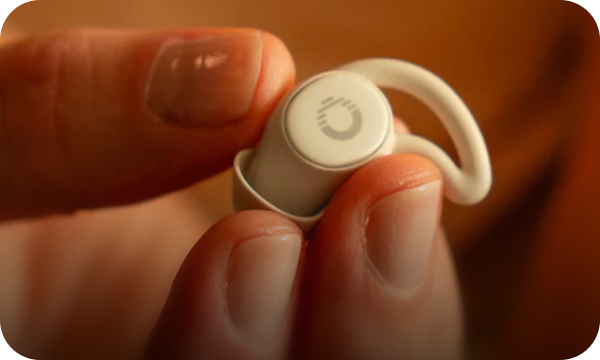
Ozlo Sleepbuds® simply don’t feel like other earbuds. Sleepbuds stay in place even when you toss and turn. The tiny earbuds, with their comfortable silicone tips and anchor-in-place wings, are designed for all-night comfort, no matter your sleeping position. Sleep on your back, side, or whatever works for you, and Ozlo Sleepbuds® will remain in place throughout the night.

Key Highlights
- Founded by three former Bose engineers with extensive experience in audio tech
- Sleepbuds® actively mask unwanted sounds like snoring, traffic, and environmental noises with calming, science-backed audio.
- Ultra-soft silicone tips designed to support every sleeping position, ensuring a secure and comfortable fit.
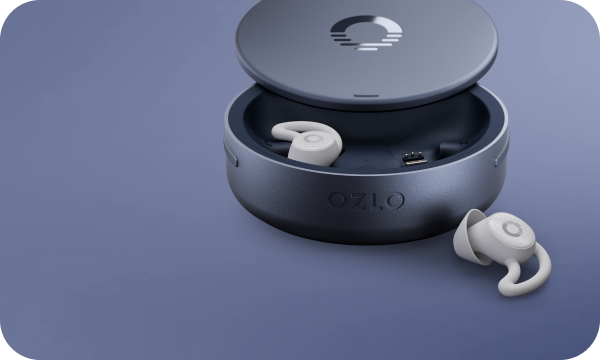
- Up to 10 hours of continuous use with extra charges from the Smart Case.
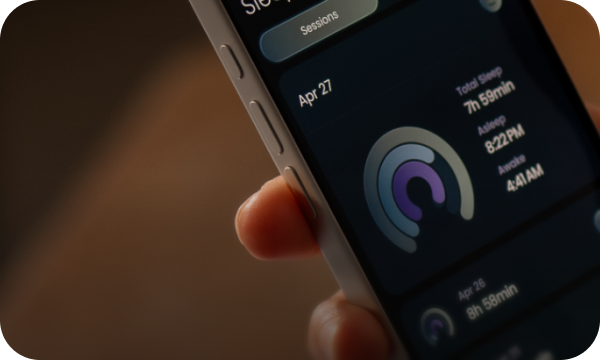
- Built-in biometric and environmental sensors offering personalized sleep reports
- Personal alarm gently wakes you without disturbing your partner
What’s Next? The Future of Sleep-Focused Earbuds
While Bose remains silent on Sleepbuds 3, interest in sleep-tech devices continues to grow. If consumer demand persists, it’s possible that Bose, or another major player, could re-enter the space in the future.
For now, those seeking a direct successor to Bose Sleepbuds have a clear alternative in Ozlo Sleepbuds, which build upon the original design while introducing new features that Bose never implemented.
Conclusion
Bose Sleepbuds had a strong following among users who needed a comfortable and effective way to block out unwanted noises during sleep. While the product had its challenges, including battery life issues and limited functionality, its core concept of noise masking resonated with many. With Bose stepping away from the Sleepbuds line, its future remains uncertain. However, former Bose engineers have carried the idea forward through Ozlo Sleepbuds, offering a product that builds on the strengths of the original while introducing new features like streaming and sleep tracking.
For those hoping for Bose Sleepbuds 3, no official announcement has been made. But with increasing interest in sleep-focused audio technology, it wouldn’t be surprising to see a new competitor, or even Bose itself, revisit this space in the future. Until then, users looking for a Sleepbuds-like experience have promising alternatives like Ozlo Sleepbuds and other sleep-centric earbuds on the market.
FAQs
Has Bose announced the release of Sleepbuds 3?
No, as of now, Bose has not confirmed or announced any plans for Sleepbuds 3. The company discontinued Sleepbuds II in 2023 and has since focused on other audio products.
Why did Bose discontinue Sleepbuds II?
Bose stated that Sleepbuds II did not achieve the level of adoption they had hoped for. While improvements were made over the first generation, challenges like battery reliability and limited functionality may have contributed to the decision to discontinue them.
What was the difference between Bose Sleepbuds and traditional earbuds?
Unlike traditional earbuds that allow you to stream music, podcasts, or calls, Bose Sleepbuds were specifically designed for nighttime use. They played preloaded noise-masking sounds instead of allowing open streaming. The goal was to create a consistent, soothing audio environment that helped reduce external distractions.
What are Ozlo Sleepbuds, and how do they compare to Bose Sleepbuds?
Ozlo Sleepbuds were developed by former Bose engineers who acquired the Sleepbuds trademark. They retain the low-profile, side-sleeper-friendly design of Bose Sleepbuds while adding features such as music streaming, sleep tracking, and environmental sensors.
Can Ozlo Sleepbuds be considered a direct replacement for Bose Sleepbuds?
For users who liked Bose Sleepbuds but wished for more features like Bluetooth streaming and better battery reliability, Ozlo Sleepbuds offer a very similar design with added improvements. While they aren’t made by Bose, they were developed by people who worked on the original Sleepbuds.
What alternatives are available if I can’t buy Bose Sleepbuds anymore?
Aside from Ozlo Sleepbuds, other brands have released sleep-focused earbuds, such as Soundcore Sleep A20 by Anker and QuietOn 3, which use different technologies to block out external noise. Choosing the right option depends on whether you prefer noise masking, noise cancellation, or audio streaming features.


