








El ruido blanco no siempre es suficiente: cómo elegir el dispositivo para dormir adecuado para los despertares nocturnos
Ya estabas dormido cuando ocurrió: un ronquido a tu lado, una puerta en el pasillo, un coche fuera, y de repente estabas completamente despierto, mirando al techo y preguntándote por qué el ruido blanco que te ayudaba a la hora de acostarte no hacía absolutamente nada a las 2:17 de la madrugada.
En resumen: el ruido blanco suele ser una primera opción inteligente, especialmente para un sonido de fondo constante. Pero si los ruidos que te despiertan son cercanos, agudos, irregulares o están ligados a una persona que se mueve justo a tu lado, el sonido a nivel de la habitación puede dejar de ser suficiente, y el audio para dormir a nivel del oído suele convertirse en el siguiente paso más sensato.
Cuando el ruido de la habitación sigue interrumpiendo, puede que sea hora de pasar al nivel del oído.
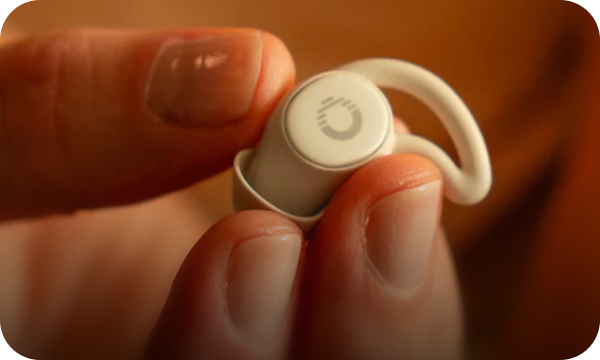
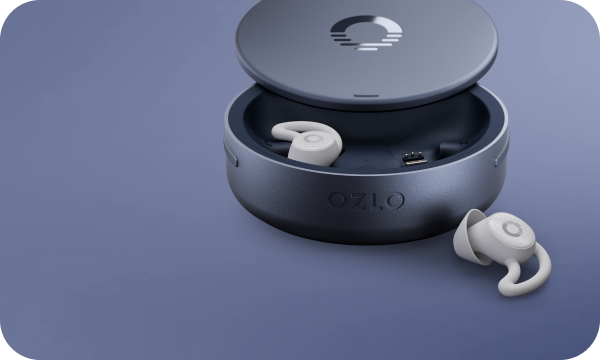
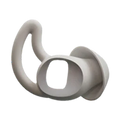
Si el ruido blanco te ayuda a conciliar el sueño, pero los sonidos cercanos te despiertan más tarde, los Ozlo Sleepbuds® están diseñados para los casos más difíciles: habitaciones compartidas, viajes y ruidos nocturnos impredecibles.
Descubre cómo funcionan los Ozlo SleepbudsGran parte de los consejos sobre el sueño se centran en conciliar el sueño. Creemos que el problema más exasperante es permanecer dormido una vez que la noche ya ha comenzado bien. Te quedas dormido, tu cuerpo finalmente se asienta, y luego un sonido cercano lo interrumpe todo. Ese es un problema diferente a la inquietud a la hora de acostarse, y merece una forma diferente de elegir dispositivos para dormir.
Cuando la gente compra en esta categoría, a menudo compara lo que es más visible: una máquina de ruido blanco, tapones para los oídos, un rastreador, quizás auriculares o audífonos para dormir. Pero la popularidad no es el filtro adecuado. La mejor pregunta es más sencilla: ¿qué te está despertando exactamente, y ese sonido es algo que se puede enmascarar en toda la habitación, o necesita protección más cerca de tus oídos?
Hemos descubierto que esta decisión se vuelve mucho más fácil cuando identificas el patrón detrás del despertar. No todo el ruido se comporta de la misma manera en un dormitorio, y no todos los dispositivos para dormir resuelven el mismo tipo de interrupción.
Zumbido de fondo constante
Este es el tipo de ruido más fácil de manejar con un enmascaramiento a nivel de la habitación: tráfico lejano, un zumbido suave del sistema de climatización, un sonido ambiental similar a un ventilador o el murmullo general de un edificio. Estos sonidos son difusos y relativamente constantes. Una máquina de ruido blanco puede hacer un buen trabajo aquí porque añade un manto de sonido estable en toda la habitación en lugar de intentar reaccionar a cada pequeña interrupción.
Si tu problema de sueño se encuentra principalmente en esta categoría, un dispositivo de habitación puede ser suficiente. No necesitas necesariamente nada más personal o más complejo.
Picos intermitentes
Aquí es donde las cosas empiezan a cambiar. Piensa en puertas de pasillo, un ladrido de perro, un coche acelerando, ruidos de tuberías, vecinos de arriba o un compañero tosiendo de vez en cuando. El problema no es solo el volumen. Es la imprevisibilidad. Los sonidos agudos pueden atravesar el paisaje sonoro porque tu cerebro nota el cambio, no solo el volumen.
Por eso algunas personas dicen que el ruido blanco "funciona hasta que deja de hacerlo". Puede suavizar los límites de un entorno, pero si el desencadenante llega como un pico repentino, el enmascaramiento a nivel de la habitación puede no proteger completamente el mantenimiento del sueño durante la segunda mitad de la noche.
Ruido próximo a la cama
Esta es la categoría que con mayor frecuencia empuja a la gente más allá del enmascaramiento de la habitación: ronquidos a tu lado, sonidos de respiración, sábanas que se mueven, movimiento del colchón, una vibración nocturna del teléfono en la mesita de noche o alguien que se levanta o se acuesta. El ruido no es solo audible. Está cerca. A veces está a centímetros de distancia.
En ese momento, añadir más sonido a la habitación puede parecer como intentar arreglar un susurro en tu oído encendiendo un altavoz al otro lado de la habitación. A veces ayuda un poco. A menudo no ayuda lo suficiente. Ese es el umbral donde el audio personal para dormir empieza a tener mucho más sentido.
Perturbación ligada al movimiento
Algunos despertares son parte sonido, parte anticipación. Escuchas a tu pareja darse la vuelta, ajustar las mantas o levantarse, y tu cerebro ya está alerta para lo siguiente. Estas noches pueden ser especialmente difíciles porque la perturbación se concentra alrededor de la cama misma. No estás intentando cambiar el carácter de toda la habitación; estás intentando reducir el impacto de lo que está ocurriendo justo a tu lado.
En esos casos, la comodidad importa tanto como la acústica. Un dispositivo que suena bien pero se vuelve molesto a las 3 a.m. no está resolviendo realmente el problema.
Aquí está la prueba de umbral que nos gusta usar. Si tu sueño mejora cuando la habitación tiene un ventilador, una máquina de ruido blanco u otra fuente de sonido constante, y aún así te despiertas solo ocasionalmente, el enmascaramiento a nivel de la habitación probablemente está haciendo su trabajo. Mantenlo simple.
Pero si te despiertas repetidamente por sonidos cercanos, irregulares o físicamente ligados a la cama, es posible que hayas cruzado al territorio del nivel del oído. La pista no es que tu configuración actual nunca ayude. La pista es que te ayuda a conciliar el sueño, pero luego falla en protegerte cuando sonidos específicos se abren paso.
En términos prácticos, la línea suele cruzarse en dormitorios compartidos, apartamentos con paredes delgadas, habitaciones de hotel y entornos de viaje donde el ruido es cercano e impredecible. Ahí es donde el audio personal para dormir puede superar al sonido de la habitación porque no tiene que llenar todo el espacio para ser efectivo. Funciona donde el problema realmente te afecta.
Cómo se comparan los principales dispositivos para dormir para los despertares nocturnos
La mayoría de las comparaciones de tecnología del sueño se pierden en las listas de características. Para este problema, creemos que la comparación más clara es sobre la utilidad probable contra los despertares provocados por el ruido.
- Máquinas de ruido blanco: la mejor opción inicial para el ruido ambiental difuso y constante. Útil para la hora de acostarse y a menudo suficiente para ruidos leves de apartamentos o casas.
- Auriculares para dormir o audio personal para dormir: más fuertes cuando los despertares son causados por ruidos cercanos, intermitentes o relacionados con la cama y necesitas comodidad durante toda la noche, no solo relajación por la noche.
- Tapones para los oídos: sencillos y a veces efectivos, especialmente para viajes o ruido ocasional, pero la comodidad, el ajuste y la consistencia pueden variar mucho de persona a persona.
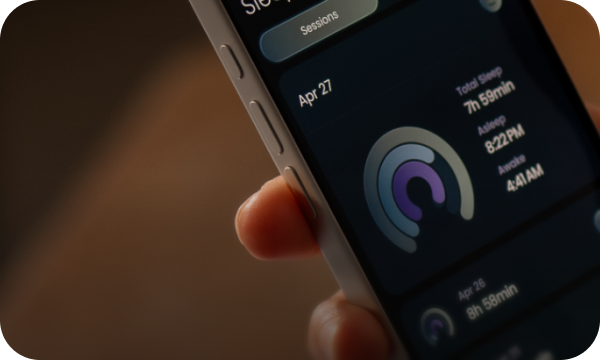
- Rastreadores del sueño: útiles para notar patrones o confirmar que tu noche está fragmentada, pero secundarios cuando el problema principal es evitar el propio despertar provocado por el ruido.
Ese último punto es importante. Un rastreador puede decirte que te despertaste. Por lo general, no puede evitar el despertar. Si el ruido es el verdadero desencadenante, la solución suele residir en la gestión del sonido, no solo en más datos.
Qué significa esto en la vida real
Dormitorio compartido
Si el ronquido, la respiración, el movimiento o el horario de tu pareja son lo que te despierta, este suele ser el caso más claro para ir más allá del enmascaramiento a nivel de la habitación. El ruido es cercano, direccional y recurrente. Una máquina de ruido blanco aún puede ayudar a que la habitación se sienta más tranquila, pero puede que no sea lo que proteja tu lado de la cama durante toda la noche.
Este es exactamente el tipo de caso de ruido cercano más difícil en el que creemos que los Ozlo Sleepbuds tienen sentido. Están construidos para una comodidad minúscula durante toda la noche y diseñados para dormir en lugar de para un uso de audio genérico. Y como una señal de confianza, no un discurso de trofeo: Shop TODAY nombró a Ozlo Sleepbuds los auriculares de sueño más innovadores en sus premios Sleep Awards de 2026.
Ese reconocimiento destaca porque refleja algo que la gente a menudo descubre solo después de probar varios productos para dormir: la comodidad durante la noche y la usabilidad en el mundo real importan tanto como el sonido en sí. Un dispositivo puede parecer impresionante en el papel y aun así volverse molesto después de unas pocas horas si crea presión, se mueve al dormir de lado o se siente demasiado voluminoso como para olvidarse de él. Los productos de audio específicos para el sueño se juzgan de manera diferente a los auriculares normales porque el objetivo no es la escucha activa, sino crear una configuración que apoye el sueño de manera silenciosa sin convertirse en parte del problema.
Si bien los premios nunca deben reemplazar el ajuste y la experiencia personal, este tipo de reconocimiento puede ser una señal útil para los compradores que intentan acotar una categoría concurrida. Para las personas que comparan el enmascaramiento a nivel de habitación, los auriculares tradicionales y el audio dedicado al sueño, destaca un enfoque de diseño centrado menos en las características de entretenimiento y más en la comodidad durante toda la noche, especialmente en situaciones donde el ruido es cercano, intermitente y difícil de controlar.
Vivir en un apartamento
El ruido de un apartamento puede ir en cualquier dirección. Si es principalmente el sonido constante de la calle o un zumbido del edificio, un dispositivo para la habitación aún podría ser suficiente. Si es el golpe de arriba, la puerta del pasillo, la voz intermitente o el golpe impredecible de la tubería, ahí es donde la gente a menudo nota los límites del enmascaramiento de la habitación.
La clave es notar si tus despertares provienen de un ambiente ruidoso en general o de eventos sonoros repentinos. El segundo patrón generalmente necesita una solución más personal.

Viajes
Viajar es donde los planes de sueño se ponen a prueba. Hoteles, HVAC desconocido, actividad en los pasillos, un compañero de asiento que ronca en un avión, paredes delgadas, ruido matutino de la ciudad: no son paisajes sonoros ordenados y repetibles. Son mixtos e intermitentes. Una opción compacta y cómoda a nivel del oído suele ser más práctica que depender de la colaboración de la habitación.
Por eso, la comodidad no puede tratarse como un detalle menor. Si un dispositivo es molesto de llevar, no importa lo impresionante que parezca la hoja de especificaciones antes de acostarse. Por la mañana, la usabilidad gana.
Noches con ruido mixto
Algunas personas necesitan una configuración en capas. Quizás la habitación se beneficia de una base de sonido baja y constante, pero la protección real aún debe ocurrir en el oído debido a perturbaciones cercanas ocasionales. No lo consideramos un exceso. Lo consideramos una adaptación de la configuración al problema real en lugar de forzar una herramienta para que haga todo el trabajo.
Cómo usar cualquier configuración de sonido nocturno de forma más cómoda y segura
El objetivo no es seguir subiendo el volumen hasta que dejes de oír el mundo. El objetivo es crear suficiente protección o enmascaramiento para reducir los despertares, manteniendo la configuración cómoda y conservadora para un uso prolongado durante la noche.
- Prioriza el ajuste primero; la incomodidad a la 1 a.m. puede anular los beneficios acústicos.
- Mantén el volumen bajo y práctico en lugar de agresivo.
- Usa la misma configuración de forma consistente durante varias noches antes de juzgarla.
- Si sigues subiendo el volumen para combatir picos específicos, eso es una señal de que la categoría de dispositivo puede ser incorrecta para el problema.
- Presta atención a la irritación, presión o dolor en los oídos y ajústalo en consecuencia.
- Recuerda que un rastreador puede ayudar a confirmar patrones, pero no debe distraerte de solucionar el problema de sonido en sí.
Donde ningún dispositivo es la solución completa
Queremos ser sinceros sobre los límites aquí. Algunas interrupciones del sueño son mayores que cualquier dispositivo para dormir. Si el ambiente es extremadamente ruidoso, si hay un problema médico de sueño en juego, o si la comodidad del oído es constantemente deficiente sin importar lo que intentes, el siguiente paso correcto puede implicar cambios ambientales, orientación médica del sueño, o ambos.
También hay personas a las que simplemente les va mejor con la opción menos invasiva posible. Si los tapones blandos te funcionan y puedes usarlos cómodamente, genial. Si una máquina de habitación maneja tu entorno, aún mejor. El punto no es escalar por escalar. El punto es escalar cuando tu patrón de despertar dice que lo necesitas.
Preguntas frecuentes
¿Puede una máquina de ruido blanco seguir ayudando si mi pareja ronca?
A veces, especialmente si el ronquido es leve y la configuración de la habitación es favorable. Pero cuando el sonido está justo a tu lado y varía en intensidad, muchas personas encuentran que el enmascaramiento de la habitación ayuda menos de lo que esperaban.
¿Los tapones para los oídos son mejores que los auriculares para dormir?
Pueden ser una opción simple útil, especialmente para viajes ocasionales o personas que prefieren el silencio. Pero si la comodidad, el ajuste o la consistencia durante la noche son un problema, el audio personal para dormir puede ser más fácil de llevar noche tras noche.
¿Debería comprar un rastreador primero?
Si ya sabes que el ruido te está despertando, probablemente no. Un rastreador puede validar el patrón, pero rara vez es la solución principal para los despertares repetidos provocados por el ruido.
¿Cómo sé que he cruzado la línea de la ayuda a nivel de habitación a la ayuda a nivel de oído?
Si tu configuración te ayuda a conciliar el sueño, pero sigues despertándote por sonidos cercanos, repentinos o relacionados con la cama, esa es la señal más clara. Es entonces cuando el audio personal para dormir se convierte en la opción más inteligente.
Fuentes y referencias
- Recursos de la Academia Americana de Medicina del Sueño sobre la alteración del sueño y la salud del sueño.
- Guía del Instituto Nacional de Sordera y Otros Trastornos de la Comunicación sobre el ruido y la seguridad auditiva.
- Información de los Centros para el Control y la Prevención de Enfermedades sobre el sueño y los factores ambientales.
- Guía audiológica general sobre el volumen de escucha conservador y la exposición prolongada al sonido.
Si tus noches se ven interrumpidas por el ruido cercano en lugar de simplemente por una mente ocupada a la hora de acostarse, elegiríamos el dispositivo basándonos en esa realidad. Comienza con el enmascaramiento de la habitación cuando el sonido sea constante y difuso. Pero cuando los despertares provienen de la cama, el pasillo, la pared del hotel o los pequeños sonidos repentinos que atraviesan la noche, ahí es donde Ozlo encaja mejor: audio personal, cómodo y para dormir toda la noche, diseñado para el tipo de interrupción que el ruido blanco por sí solo no siempre resuelve.
¿Listo para una mejor respuesta a los despertares nocturnos?
Para ronquidos a tu lado, ruido de pasillo, paredes de hotel y otras interrupciones cercanas o irregulares, los Ozlo Sleepbuds® ofrecen una solución de sueño más personal que el enmascaramiento a nivel de habitación por sí solo.
Comprar Ozlo Sleepbuds

