







Monitores de sueño portátiles: opciones fiables para tus datos de sueño
En Ozlo, creemos que los rastreadores de sueño más confiables dependen de lo que se intente averiguar. La mayoría de los rastreadores de sueño portátiles son mejores para estimar el sueño total, el horario del sueño y las tendencias generales que para rastrear con precisión el sueño REM o rastrear el sueño profundo minuto a minuto.
Ningún dispositivo portátil de consumo es universalmente el mejor en cuanto a sueño REM, sueño profundo, ronquidos y ambiente de sueño. Por eso, esta guía no es una recopilación genérica. Es un árbol de decisión práctico. Estamos separando el problema de la medición del problema real del sueño. Si su problema principal es el ruido del compañero, los ronquidos, el ruido del hotel o las interrupciones nocturnas repetidas, la mejor pregunta quizás no sea "¿Qué rastreador me da más datos?". Podría ser "¿Qué es lo que realmente perturba mi sueño y qué puede ayudarme a protegerlo?"
Los estudios de validación comparan los dispositivos de consumo con la polisomnografía, o PSG, la prueba de laboratorio estándar de oro explicada en la descripción general de los estudios del sueño del NHLBI. La PSG mide las ondas cerebrales, los movimientos oculares, el tono muscular, la respiración, el oxígeno y más. Los dispositivos portátiles de consumo no suelen hacerlo. En su lugar, estiman las etapas del sueño a partir de señales como el movimiento, la frecuencia cardíaca, la variabilidad de la frecuencia cardíaca, la temperatura, la SpO2 y, a veces, el audio o el EEG en dispositivos más especializados.
Esa brecha estructural es importante. El sueño REM y el sueño profundo se definen principalmente por la actividad cerebral. Los dispositivos de muñeca y de anillo suelen inferir esas etapas indirectamente. En pocas palabras: muchos dispositivos son útiles para detectar patrones, pero sus porcentajes de etapa pueden parecer más exactos de lo que realmente son.
En las investigaciones de validación de rastreadores de sueño para el consumidor, los dispositivos a menudo rinden mejor al detectar que alguien probablemente está dormido que al identificar la vigilia silenciosa o separar una etapa del sueño de otra. Eso no los hace inútiles. Significa que deben leerse como herramientas de tendencia, no como instrumentos médicos.
-
¿Desea datos de tendencias o una medición de etapa de alta precisión?
- Si desea datos de tendencias, pase al Paso 2.
- Si desea una medición precisa, primero conozca la limitación: los dispositivos portátiles de consumo pueden ser útiles, pero no son lo mismo que un estudio del sueño. El REM suele ser más fácil de estimar que el sueño profundo, pero ambos siguen siendo estimaciones.
-
¿Los ronquidos o el ruido son una de sus principales preocupaciones?
- Si sí, pase al Paso 3.
- Si no, pase al Paso 4.
-
¿Duerme solo o con una pareja?
- Cama compartida: separe "quiero saber si hubo ronquidos" de "necesito dormir a pesar de ellos". Esos no son el mismo problema.
- Sueño en solitario: un anillo, reloj o pulsera puede ser útil si su objetivo principal es la consistencia de la hora de acostarse, el tiempo total de sueño, la frecuencia cardíaca en reposo, la VFC y las tendencias generales de las etapas del sueño.
-
¿Puede dormir cómodamente con un reloj o un anillo?
- Sí: elija el dispositivo menos intrusivo que realmente usará todas las noches.
- No: busque herramientas no portátiles, herramientas para el entorno del sueño o sistemas que puedan brindarle información sobre el sueño sin pedirle que duerma con un dispositivo voluminoso en su cuerpo.
Ruta A: Desea tendencias a largo plazo, no una certeza similar a la de un laboratorio
Si este es su caso, los anillos, relojes y pulseras pueden ser útiles. Pueden ayudarlo a comprender el horario del sueño, la consistencia de la hora de acostarse, la frecuencia cardíaca en reposo, la VFC, los patrones de recuperación y la calidad general del sueño a lo largo del tiempo.
La mejor manera de usar este tipo de rastreador es observar los patrones semanales o mensuales en lugar de reaccionar a una mala noche. Un solo número de REM o sueño profundo puede ser engañoso. Un patrón que se repite durante varias noches suele ser más útil.
Ideal para: personas a las que les gustan los datos de salud, desean retroalimentación rutinaria y no se estresarán por puntuaciones de sueño imperfectas.
Ruta B: Le importa más la lectura más precisa posible de las etapas del sueño
Si su prioridad es la precisión de las etapas del sueño, los dispositivos pasivos de muñeca y anillo no son el límite. Los dispositivos de EEG para el consumidor o los que se usan en la cabeza pueden acercarse más a las señales utilizadas en un laboratorio del sueño porque miden más cerca del cerebro. La desventaja es la comodidad. Un dispositivo puede ser técnicamente más fuerte y aun así fallar en la vida real si deja de usarlo después de tres noches.
Las marcas reconocibles en el mercado más amplio incluyen Oura, Fitbit, Apple, WHOOP y las opciones de EEG para el consumidor que se usan en la cabeza. El logotipo importa menos que tres preguntas: ¿el dispositivo tiene una validación independiente, puede dormir cómodamente con él y realmente revisará los datos de manera útil?
Ideal para: personas que están específicamente interesadas en las estimaciones de las etapas del sueño y están dispuestas a aceptar las desventajas de la comodidad.
Ruta C: El ronquido o el ruido es el principal problema
Aquí es donde muchas reseñas de rastreadores de sueño no dan en el clavo. Primero separe dos objetivos: "Quiero saber si hubo ronquidos" y "Necesito dormir a pesar de ellos". Un rastreador puede confirmar que su noche fue interrumpida, pero eso no le ayuda automáticamente a dormir mejor mañana.
La detección directa de ronquidos suele depender de señales de audio o acústicas, por lo que los sistemas basados en teléfonos, de cabecera o debajo del colchón pueden ser más relevantes que un dispositivo de muñeca si su objetivo es simplemente saber si se produjeron ronquidos. Pero si su mayor problema es dormir junto al ruido, la detección por sí sola puede no ser suficiente.
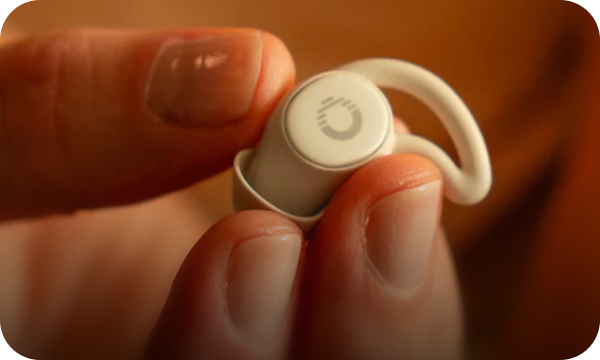
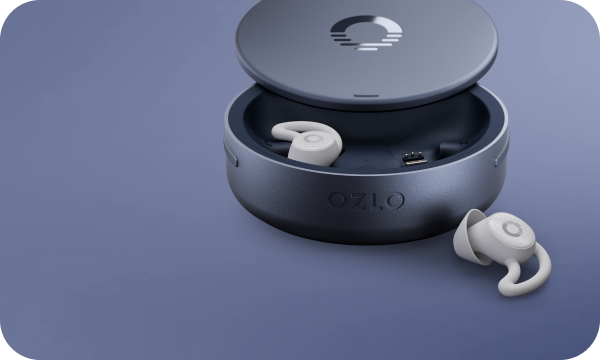
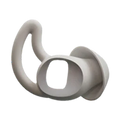
Aquí es donde los Ozlo Sleepbuds se diferencian de un rastreador tradicional. Están diseñados para la comodidad al dormir, la supresión de ruido, la transmisión de audio y el uso nocturno. Para un durmiente ligero que comparte cama, un viajero frecuente o cualquier persona que lidie con espacios ruidosos, la solución más útil puede ser proteger el ambiente del sueño mientras se aprende qué patrones están afectando su descanso.
Nota importante: los ronquidos fuertes o crónicos, los jadeos, las apneas presenciadas o la somnolencia diurna significativa deben seguir motivando una evaluación médica. Los datos del sueño del consumidor pueden ser útiles, pero no deben reemplazar a un médico o un estudio formal del sueño. Consulte MedlinePlus: Ronquidos y Educación del Sueño de la AASM.
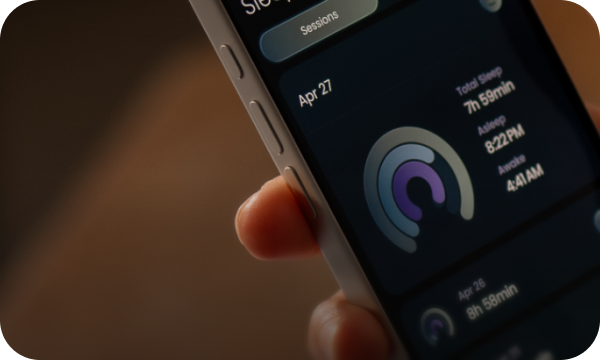
Ozlo no intenta ser un rastreador de sueño REM y profundo de grado de laboratorio. Esa distinción es importante. Con Ozlo Sleep Patterns, el valor es más práctico: ayudarlo a comprender cómo su rutina de sueño y su entorno de sueño pueden estar moldeando su noche.
Sleep Patterns, actualmente mostrado por Ozlo como beta en dispositivos iOS, se basa en datos de sueño personalizados impulsados por su entorno. En lugar de solo preguntar "¿Cuánto sueño profundo tuve?", ayuda a los usuarios a analizar preguntas como:
- ¿Dormí todo el tiempo que planeaba?
- ¿Fueron consistentes mis horas de acostarme y levantarme?
- ¿Con qué eficiencia mi tiempo en la cama se convirtió en descanso real?
- ¿Hubo interrupciones por ruido durante la noche?
- ¿La exposición a la luz o los cambios de temperatura interrumpieron mi descanso?
- ¿Cómo es mi patrón de sueño de 30 días?
La parte interesante es el papel de la Ozlo Smart Case. Según Ozlo, la Smart Case incluye sensores que pueden detectar sonido, luz, cambios de temperatura y presión barométrica. Eso brinda a los usuarios un tipo diferente de información sobre el sueño. No solo una puntuación, sino un contexto.
Por ejemplo, un dispositivo portátil podría decirle que tuvo una noche inquieta. Ozlo Sleep Patterns está diseñado para ayudar a explicar lo que pudo haber sucedido a su alrededor. ¿Hubo una perturbación por ruido? ¿Se calentó la habitación? ¿Entró la luz en la habitación antes de lo habitual? Esos detalles suelen ser más procesables que obsesionarse con si su porcentaje de REM se movió unos pocos puntos.
Esta es también una forma más limpia de hablar sobre los datos del sueño. El objetivo no es convertir la hora de acostarse en una evaluación de rendimiento. El objetivo es notar patrones a los que realmente pueda responder, como ajustar su horario de sueño, reducir la exposición a la luz, controlar la temperatura ambiente o usar los Sleepbuds de manera más intencionada cuando el ruido es parte del problema.
Si es posible que no necesite un rastreador tradicional
A veces, la respuesta correcta no son más datos corporales. Si su problema real son los ronquidos de su pareja, el ruido del hotel, las paredes delgadas, el ruido de la calle o las interrupciones nocturnas repetidas, un rastreador puede decirle que la noche fue complicada sin ayudarlo a dormir a pesar de ello.
Ahí es donde una herramienta para el entorno del sueño puede ser más relevante. Para los lectores a quienes más les importa la comodidad, las noches más tranquilas y la mejora práctica del sueño, por qué los Sleepbuds son importantes puede ser más útil que otra puntuación portátil.
Esto también es importante para las personas que se ponen ansiosas con el seguimiento del sueño. Ortosomnia es el término que se usa a menudo cuando alguien se enfoca tanto en optimizar los datos del sueño que el sueño en sí empeora. Las señales incluyen revisar las puntuaciones del sueño inmediatamente después de despertarse, cambiar hábitos basándose en pequeños cambios nocturnos o estresarse por los números de REM y sueño profundo que pueden no ser precisos.
Ozlo Sleep Patterns puede ser un término medio más saludable para algunas personas porque los conocimientos están vinculados a los hábitos y el entorno. Puede ayudarlo a hacer mejores preguntas sin pretender que cada número es una medición de grado médico.
La portabilidad también importa. Los anillos pueden ser más fáciles que los relojes para algunos durmientes. Los relojes y las pulseras pueden causar fatiga en la muñeca. Los dispositivos que se usan en la cabeza pueden ofrecer una detección de etapa más fuerte, pero los durmientes de lado pueden dejar de usarlos rápidamente. Los sistemas no portátiles eliminan la incomodidad corporal, pero pueden agregar fricción a la configuración. Los Sleepbuds están diseñados específicamente para la comodidad nocturna, lo cual importa si se supone que el producto ayuda todas las noches, no solo la primera semana.
Los viajeros también pueden preocuparse por accesorios prácticos como el estuche de viaje, el cable de carga USB-C de silicona y el bloque de carga.
Cómo leer los datos de sueño que obtiene
Los dispositivos portátiles estiman. No leen directamente el cerebro como lo hace la PSG. Por eso pueden confundir el sueño REM con el sueño ligero, difuminar las etapas del sueño, confundir la vigilia tranquila con el sueño o reaccionar de forma exagerada al movimiento y a los cambios de los sensores.
Ozlo Sleep Patterns debe leerse de manera diferente. Las ideas más útiles probablemente provendrán de los patrones: su horario de sueño, la eficiencia del sueño, las interrupciones ambientales, los eventos de ruido y las tendencias de comportamiento de 30 días.
- Utilice promedios de 1 a 2 semanas en lugar de reaccionar a una sola noche.
- No trate los porcentajes de sueño REM y profundo de los wearables como hechos de laboratorio.
- Busque patrones sobre los que pueda actuar, como acostarse tarde, perturbaciones por ruido, cambios de temperatura en la habitación, interrupciones por viajes o horarios de vigilia inconsistentes.
- Utilice los datos ambientales para mejorar su habitación, no para culparse por cada mala noche.
- Recuerde que los datos de ronquidos no pueden diagnosticar la apnea del sueño. Puede sugerir un patrón, pero no es una respuesta médica.
- Consulte a un médico o realice un estudio formal del sueño si tiene ronquidos crónicos fuertes, jadeos, apneas presenciadas, insomnio persistente o somnolencia diurna excesiva.
Una nota práctica más: el mismo dispositivo puede informar diferentes resultados de sueño después de actualizaciones de firmware o aplicaciones. La generación del dispositivo, la versión de la aplicación, las actualizaciones del algoritmo en la nube y la configuración pueden afectar lo que ve con el tiempo. La coherencia en la configuración importa casi tanto como el propio dispositivo.
Tabla resumen
| Objetivo | Mejor tipo de dispositivo | Nivel de fiabilidad | Principal desventaja | Para quién es |
|---|---|---|---|---|
| Seguimiento del horario de sueño, VFC y patrones de varias noches | Anillo, reloj o pulsera con validación publicada | Moderado para tendencias | Los datos de etapas de una sola noche pueden parecer más exactos de lo que son | Lectores que desean una dirección a lo largo del tiempo |
| Obtener la lectura de etapa de consumidor más cercana disponible | Dispositivo para la cabeza o tipo EEG de consumidor | Más alto para etapas, pero aún limitado en comparación con PSG | La comodidad y la adherencia pueden disminuir rápidamente | Lectores que buscan precisión y tolerarán las desventajas de la portabilidad |
| Saber si hubo ronquidos | Sistema basado en teléfono, audio de cabecera o debajo del colchón | A menudo mejor que los wearables de muñeca para la captura directa de ronquidos | La ubicación y el ruido de la habitación afectan los resultados | Lectores centrados en la detección de ronquidos |
| Comprender cómo el entorno afecta el sueño | Patrones de sueño de Ozlo con información de Ozlo Smart Case | Útil para hábitos, entorno y tendencias | No es una herramienta de diagnóstico médico de etapas del sueño | Personas que desean información útil sobre el sueño sin depender solo de los datos de etapas de los dispositivos portátiles |
| Dormir a pesar de los ronquidos del compañero o los espacios ruidosos | Ozlo Sleepbuds | Orientado al alivio, no al diagnóstico | No reemplaza la evaluación médica para síntomas preocupantes | Durmientes ligeros, parejas y viajeros |
| Investigar posibles síntomas de trastornos del sueño | Evaluación clínica, prueba de apnea del sueño en el hogar o PSG | Máximo para el diagnóstico | No es un atajo de tecnología de consumo | Lectores con síntomas de alarma |
Preguntas frecuentes del comprador
¿Son precisos los rastreadores de sueño portátiles para el sueño REM?
Normalmente solo de forma moderada. El sueño REM suele ser una de las etapas no de vigilia con mejor rendimiento en los dispositivos portátiles de consumo, pero aun así se infiere indirectamente y sigue siendo mucho menos preciso que la PSG.
¿Qué rastreadores de sueño portátiles son los mejores para rastrear el sueño profundo?
La mejor pregunta es qué tipo de dispositivo se adapta a su objetivo. Los anillos, relojes y pulseras validados pueden ayudar con el seguimiento de tendencias, pero el sueño profundo es una de las etapas más difíciles de clasificar con precisión para los dispositivos portátiles de consumo.
¿Puede un smartwatch detectar los ronquidos de forma fiable?
Normalmente no solo con el reloj. La detección de ronquidos a menudo depende de un micrófono de teléfono emparejado o de un sistema de audio cercano. Eso puede ser útil para la sincronización y el volumen, pero no es el estándar de oro para los trastornos respiratorios del sueño.
¿Son los anillos más precisos que los relojes para el seguimiento del sueño?
No automáticamente. El seguimiento del sueño con anillo frente al reloj depende más de la calidad de la validación, el ajuste, la fisiología y el software que del factor de forma por sí solo.
¿Qué es Ozlo Sleep Patterns?
Ozlo Sleep Patterns es la experiencia de información sobre el sueño de Ozlo. Está diseñada para ayudar a los usuarios a comprender la duración del sueño, la consistencia, la eficiencia, las perturbaciones ambientales y las tendencias de comportamiento del sueño a largo plazo. Conecta la calidad del sueño con condiciones como el ruido, la luz y la temperatura, utilizando datos de la Ozlo Smart Case.
¿Ozlo rastrea el sueño REM y profundo?
Ozlo Sleep Patterns no debe entenderse como un rastreador clínico de sueño REM y profundo. Su valor más fuerte es ayudar a los usuarios a comprender sus patrones de sueño y su entorno de sueño, incluidas las perturbaciones que pueden afectar el descanso.
¿Necesito un rastreador de sueño si mi pareja ronca?
No necesariamente. Si su principal problema es dormir a pesar del ruido, una solución de enmascaramiento de ruido que priorice la comodidad puede ser más útil que más datos sobre las etapas. La información sobre el sueño puede ayudarle a comprender lo que sucedió, pero los Sleepbuds están diseñados para ayudar a proteger la noche misma.
¿Puede un rastreador de sueño decir si tengo apnea del sueño?
Ningún dispositivo portátil de consumo debe usarse para diagnosticar la apnea del sueño por sí solo. Los ronquidos crónicos fuertes, los jadeos, las apneas presenciadas y la somnolencia diurna excesiva deben discutirse con un médico.
¿Por qué los diferentes rastreadores de sueño muestran diferentes números de REM y sueño profundo?
Porque cada dispositivo utiliza diferentes sensores, algoritmos, reglas de estadiaje y ciclos de actualización. Dos dispositivos pueden analizar la misma noche y clasificarla de manera diferente.
¿Qué debo comprar si quiero detección de ronquidos pero también necesito dormir a pesar del ruido?
Separe la detección del alivio. Use un sistema basado en audio si quiere saber si hubo ronquidos. Considere los Ozlo Sleepbuds si su objetivo principal es realmente dormir a pesar del ruido de su pareja, el ruido de los viajes u otras interrupciones nocturnas.


