








Máquina de ruido blanco para la cabecera de la cama vs. compañero que ronca
Finalmente estás en esa zona frágil, casi dormido, cuando el primer ronquido irregular aterriza a quince centímetros de distancia, y de repente toda la habitación se siente demasiado pequeña para que un altavoz en la mesita de noche lo resuelva. Ese momento es la razón por la que esta pregunta se vuelve tan frustrante: si el ruido está justo a tu lado, la herramienta que funciona para el sonido general de la habitación podría no ser la herramienta que te ayude a conciliar el sueño más rápido esta noche.
Aquí está la respuesta corta: una máquina de ruido de mesita de noche puede ayudar absolutamente con un sonido de fondo amplio y constante. Pero si lo que te mantiene despierto es el ronquido cercano e irregular de tu pareja, el audio personal para dormir suele ser la opción más adecuada. Vemos esto a menudo. El problema no es solo el volumen. Es la proximidad, la imprevisibilidad y el hecho de que tu cerebro sigue muy activo mientras intentas quedarte dormido.
¿Necesitas una solución más cercana para los ronquidos a tu lado?
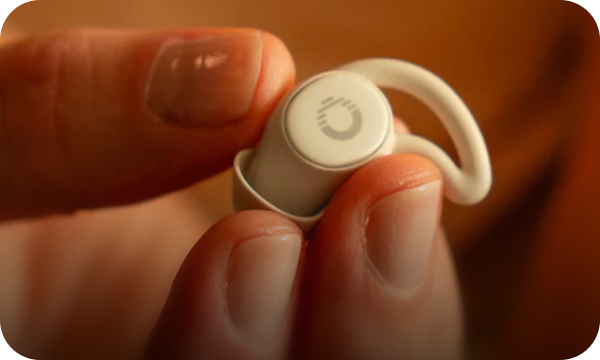
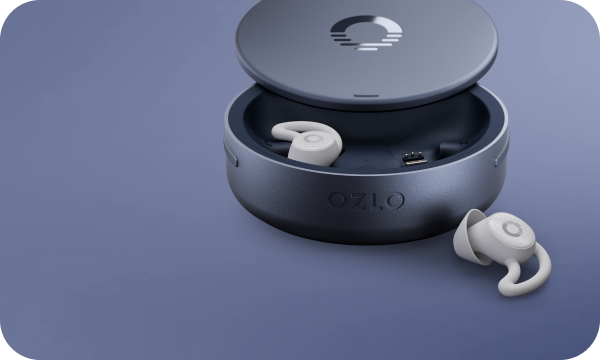
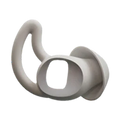
Si el ruido blanco a nivel de habitación no es suficiente, el audio específico para dormir puede funcionar mejor al llevar un sonido relajante directamente a tus oídos. Los Ozlo Sleepbuds están diseñados para una comodidad durante toda la noche, incluso para quienes duermen de lado.
Ver cómo funcionan los SleepbudsEsa distinción importa porque el objetivo aquí no es construir un plan completo de manejo de ronquidos antes de acostarse. Es lograr que te duermas más rápido sin convertir la noche en un debate, un diagnóstico o un mini experimento científico.
El primer tramo de intentar conciliar el sueño es un tipo especial de vulnerabilidad. Antes de que realmente te duermas, tu cerebro todavía está rastreando los cambios en el entorno, especialmente los cambios que suenan humanos: una pausa, un traqueteo, una inhalación repentina, una ráfaga más fuerte después de un ritmo tranquilo. El sonido constante es más fácil de desvanecer en el fondo. El sonido irregular sigue pidiendo tu atención.

Por eso el ronquido de la pareja puede sentirse tan diferente de los sonidos de la lluvia, un ventilador o un suave lavado de ruido blanco. El ruido humano tiende a variar. Cambia de ritmo, dirección e intensidad. Cuando ese sonido está a centímetros de distancia en lugar de al otro lado de la habitación, tu cerebro no solo lo escucha como parte del espacio. Lo escucha como algo inmediato.
Si alguna vez pensaste: "El ruido blanco está encendido, entonces, ¿por qué sigo escuchando el próximo ronquido?", no te estás imaginando cosas. Al inicio del sueño, la anticipación es parte del problema. Una vez que notas que el patrón es impredecible, puedes terminar esperando la próxima interrupción incluso antes de que ocurra.
Nos gusta simplificar esta decisión con una prueba de proximidad. Hazte tres preguntas: ¿Qué tan cerca está la fuente de sonido? ¿Qué tan predecible es? Y, ¿se siente como ruido ambiental o como ruido dirigido directamente a ti?
Cuanto más cerca está la fuente de sonido, más difícil es que el enmascaramiento a nivel de habitación siga siendo efectivo. Un altavoz en la mesita de noche llena el espacio, lo cual es genial cuando el problema es el espacio en sí. Pero el ronquido a tu lado no es realmente "ruido ambiental". Es íntimo, direccional y cambia constantemente. Eso hace que sea más difícil para una solución basada en la habitación mantenerse al día, especialmente en los primeros 20 minutos cuando intentas cruzar la línea hacia el sueño.
En términos prácticos, una máquina de cabecera puede ser suficiente si el ronquido es leve, ocasional y no está justo en tu oído. Pero si el sonido es cercano e irregular, el audio personal para dormir suele tener una ventaja más fuerte porque te trae el sonido enmascarador a ti en lugar de pedirle a toda la habitación que compita.
Intentar el ruido blanco primero fue completamente razonable
Nunca diríamos que el ruido blanco es una mala decisión. Para mucha gente, es el primer paso obvio y, a menudo, útil. Es familiar, fácil de configurar y genuinamente útil para suavizar perturbaciones de fondo como el tráfico lejano, el movimiento en los pasillos, el ciclo del HVAC o la extraña sensación general de las habitaciones desconocidas.
Donde comienza a fallar es cuando la fuente de ruido es muy localizada. Un compañero que ronca no solo hace ruido en la habitación; lo hace justo a tu lado, con un ritmo irregular y cambios tonales repentinos. Ese es un trabajo mucho más difícil para el enmascaramiento de la habitación.
Así que, si ya probaste una máquina de noche y aún así te encontrabas completamente despierto, eso no significa que fallaste en la higiene del sueño o elegiste una categoría "mala". Más a menudo, significa que tu primer instinto tenía sentido, pero el problema del ruido era simplemente más personal y cercano de lo que un altavoz de habitación puede manejar mejor.
La comodidad decide lo que realmente seguirás usando
Incluso la estrategia de sonido más inteligente se desmorona si la configuración es molesta. Aquí es donde mucha gente se queda atascada. Pueden darse cuenta de que necesitan algo más cercano que una máquina de cabecera, pero les preocupa que usar cualquier cosa durante la noche se sienta intrusivo, especialmente si duermen de lado.
Esa preocupación es justa. Los auriculares y audífonos estándar suelen ser una mala elección para dormir porque no fueron diseñados para una almohada, una noche larga o las pequeñas tolerancias de comodidad antes de acostarse. Si el dispositivo presiona, se mueve o te hace pensar en el propio dispositivo, deja de ayudarte a conciliar el sueño más rápido.
Precisamente por eso creemos que el diseño específico para dormir es importante. Nuestro enfoque en Ozlo se basa en Sleepbuds pequeños y ultracómodos, diseñados para usarse toda la noche, no para escuchar de forma casual. Para este tipo de problema, la eficacia no se trata solo de si el sonido llega a tus oídos. Se trata de si la solución se siente lo suficientemente fácil de usar noche tras noche en una cama compartida real.

Por qué esto es aún más importante en camas compartidas, hoteles y viajes
Los problemas de sueño en camas compartidas son tanto emocionales como prácticos. La mayoría de la gente no quiere convertir la hora de acostarse en una negociación ni hacer que su pareja se sienta como un proyecto. A menudo, el camino más rápido para dormir mejor es dar al durmiente afectado una herramienta que funcione de forma independiente, sin necesidad de que toda la habitación o la otra persona cooperen exactamente de la manera correcta todas las noches.
Esa lógica se vuelve aún más fuerte cuando viajas. Las habitaciones de hotel, las visitas familiares y los espacios desconocidos tienden a hacer que cada sonido se sienta más agudo. La acústica de la habitación es diferente, tu rutina está alterada y tu cerebro ya está un poco más alerta. Si tu pareja comienza a roncar en ese entorno, una máquina de cabecera puede añadir comodidad, pero el audio personal para dormir a menudo hace el trabajo más pesado porque mantiene el ambiente sonoro constante sin importar dónde se encuentre la cama.
Para los lectores que desean una opción sin medicamentos que pueda llevarse de casa a los viajes sin mucho problema, ahí es donde los auriculares centrados en el sueño se vuelven especialmente prácticos. Resuelven tu posición de escucha real: en la cama, en una almohada, junto a la fuente de ruido.
Una forma rápida de elegir esta noche
- Una máquina de ruido junto a la cama puede ser suficiente si el sonido que te molesta es principalmente ruido ambiental general, el ronquido es leve o intermitente, y ya duermes bien con sonido ambiental de fondo.
- Una máquina de ruido junto a la cama puede ser suficiente si quieres suavizar el ambiente general de la habitación y el problema no se siente muy direccional o muy cerca.
- El audio personal para dormir es probablemente la mejor opción si el ronquido está justo a tu lado, es irregular y llama la atención antes de que puedas conciliar el sueño.
- El audio personal para dormir es probablemente la mejor opción si ya probaste el ruido blanco y aún te encuentras esperando el próximo ronquido.
- El audio personal para dormir es probablemente la mejor opción si quieres una solución amigable para parejas que te ayude a dormir sin convertir la hora de acostarse en un conflicto.
- El audio personal para dormir es probablemente la mejor opción si la comodidad para dormir de lado, el uso constante durante toda la noche y la flexibilidad para viajar son importantes en una sola solución.
Preguntas frecuentes a la hora de dormir
¿Qué pasa si los tapones para los oídos no me funcionaron?
Eso no descarta los auriculares para dormir. Los tapones básicos pueden reducir el sonido, pero no añaden una capa de enmascaramiento controlada, y muchas personas los encuentran incómodos o inconsistentes durante la noche. Los auriculares específicos para dormir son una experiencia diferente cuando están diseñados para la comodidad y para emitir un sonido relajante justo donde lo necesitas.
¿Necesitan ambas personas la misma solución?
No. En muchas parejas, la medida más inteligente es simplemente ayudar al durmiente más ligero a proteger su parte de la experiencia. Esto puede reducir la tensión rápidamente porque se centra en lograr que una persona se duerma antes, en lugar de pedirles a ambas personas que adopten la misma configuración.
¿Esto solo es útil para viajar?
En absoluto. Viajar es solo donde la diferencia se hace más obvia. Si tu problema en casa es un compañero de cama que ronca cerca, la misma lógica de proximidad se aplica todas las noches. Viajar solo hace que muchas personas se den cuenta antes de que el sonido a nivel de la habitación no siempre es suficiente.
¿Qué debo intentar si el altavoz de la habitación casi funciona, pero no del todo?
Ese "casi" suele ser la pista. Si una máquina de cabecera te ayuda a relajarte pero aún así no te ayuda a conciliar el sueño una vez que comienzan los ronquidos, la habitación probablemente ya no sea el problema. La fuente de sonido está demasiado cerca y es demasiado variable. Ese suele ser el momento de pasar del enmascaramiento de la habitación a una opción personal como los Ozlo Sleepbuds, que están diseñados para permanecer cómodos toda la noche mientras te brindan una forma más directa y sin medicamentos para conciliar el sueño más rápido.
¿Listo para una forma sin medicamentos de conciliar el sueño más rápido?
Cuando el ronquido es cercano, irregular e imposible de ignorar, una solución personal a menudo supera a un altavoz de cabecera. Los Ozlo Sleepbuds están diseñados para camas compartidas, viajes y un uso cómodo durante toda la noche para que puedas dejar de esperar el próximo ronquido y conciliar el sueño.
Comprar Ozlo Sleepbuds

