









Antes de comprar auriculares con cancelación de ruido para dormir, pregúntate qué necesita realmente el sueño
La gente suele buscar auriculares con cancelación de ruido para dormir después de un tipo de noche muy específico.
La habitación está lo suficientemente silenciosa como para que pienses que deberías poder dormir. Luego algo la atraviesa. Un ronquido. Un coche fuera. Un vecino arriba. Una puerta de pasillo. Un ascensor de hotel. Una pareja que se mueve en la cama. Intentas ignorarlo, pero ahora estás despierto, molesto y esperando el siguiente sonido.
Así que la búsqueda tiene sentido. Quieres algo que detenga el ruido.
El problema es que los auriculares con cancelación de ruido normales suelen estar diseñados para una vida diferente: sentarse erguido en un avión, trabajar en una oficina, ir al trabajo, atender llamadas o escuchar música. Dormir es una prueba más difícil. Estás acostado. Tu cabeza está sobre una almohada. Puede que duermas de lado. Es posible que necesites que el producto se mantenga cómodo durante siete u ocho horas. Es posible que necesites despertarte sin despertar a otra persona.
Por eso la mejor pregunta no es "¿qué auriculares cancelan más ruido?". La mejor pregunta es: ¿qué funciona realmente mientras duermo?
"Auriculares con cancelación de ruido para dormir" suena como la solución obvia porque las palabras coinciden con el problema. El ruido te molesta. Los auriculares cancelan el ruido. Listo.
Pero el sueño no funciona como un viaje diario.
Durante el día, un buen par de auriculares puede ser voluminoso, cálido, apretado o notorio, y eso puede estar bien. Estás despierto. Puedes ajustarlos. Puedes quitártelos. Puedes moverlos si te molestan.
Por la noche, ese mismo producto tiene que desaparecer en tu rutina. Si presiona contra la almohada, atrapa el calor, se mueve cuando te das la vuelta o te irrita el oído, crea un nuevo problema de sueño al intentar resolver el antiguo.
Aquí es donde muchas personas se dan cuenta de que en realidad no necesitan auriculares para dormir. Necesitan una solución prioritaria para el sueño.
Un producto de sueño real tiene que pasar una prueba diferente a la de un producto de audio diurno. No se trata solo de la calidad del sonido o la fuerza de la cancelación. Se trata de si el producto puede seguir siendo útil después de medianoche, cuando estás cansado y no te interesa ajustar la tecnología.
| Lo que el sueño necesita | Por qué los auriculares normales tienen dificultades | Por qué Ozlo se adapta al problema |
|---|---|---|
| Comodidad contra una almohada | Los auriculares de diadema pueden resultar voluminosos, cálidos o incómodos al acostarse. | Los Ozlo Sleepbuds son de perfil bajo y están diseñados para usar durante toda la noche. |
| Comodidad para dormir de lado | Muchos auriculares intrauditivos presionan la oreja al darse la vuelta. | Ozlo está diseñado pensando en las posiciones para dormir, incluida la de lado. |
| Ayuda con sonidos irregulares | La cancelación de ruido tradicional no siempre es ideal para ronquidos, voces y sonidos repentinos en el dormitorio. | Ozlo combina el bloqueo de ruido pasivo con sonidos enmascaradores que ayudan a que las interrupciones sean menos perceptibles. |
| Una rutina de sueño tranquila | El audio regular puede seguir reproduciéndose, cambiar el volumen o mantener su atención. | Ozlo le permite usar el audio para relajarse y luego recurrir a sonidos centrados en el sueño. |
| Despertar sin molestar a la pareja | Una alarma del teléfono puede molestar a la persona que está a su lado. | Ozlo incluye una alarma privada para un despertar más silencioso. |
| Una configuración nocturna repetible | Los auriculares a menudo son algo que se usa ocasionalmente, no algo diseñado como un hábito de sueño nocturno. | Ozlo se construye como parte de una rutina de sueño, no solo como un accesorio de audio. |
El verdadero problema no siempre es el volumen. Es la interrupción.
Un dormitorio no tiene que estar perfectamente en silencio para poder dormir. Muchas personas pueden dormir con un ventilador, una lluvia suave, el tráfico distante o un zumbido familiar. Lo que suele despertar a la gente es un cambio en el sonido.
Un ronquido cambia de ritmo. Una puerta se cierra. Un coche pasa. Una pareja se mueve. El sonido puede durar solo unos segundos, pero tu cuerpo reacciona como si algo hubiera sucedido.
Por eso, buscar el silencio total puede ser frustrante. El mundo rara vez permanece en silencio, especialmente en apartamentos, casas compartidas, hoteles o dormitorios con un compañero que ronca.
Un objetivo más realista es hacer que las interrupciones sean menos bruscas. Ahí es donde la combinación de un sellado cómodo y un sonido enmascarador se vuelve útil. El sellado ayuda a reducir algo de ruido exterior. El sonido enmascarador ayuda a suavizar lo que aún se percibe. Juntos, pueden hacer que la noche se sienta menos interrumpible.
Por qué Ozlo es una mejor respuesta que los auriculares voluminosos para dormir
Los Ozlo Sleepbuds no intentan ser auriculares diurnos. Ese es el punto.
Están diseñados para la parte de la vida en la que los auriculares normales suelen fallar: acostado en la cama, tratando de no despertarse y necesitando algo lo suficientemente cómodo como para usarlo durante toda la noche.
Los Ozlo Sleepbuds utilizan un enfoque prioritario para el sueño:
- Bloqueo pasivo de ruido del sellado intrauditivo, lo que ayuda a reducir la cantidad de sonido exterior que le llega.
- Sonidos de sueño con enmascaramiento de ruido que ayudan a cubrir y reemplazar los sonidos disruptivos que aún se perciben.
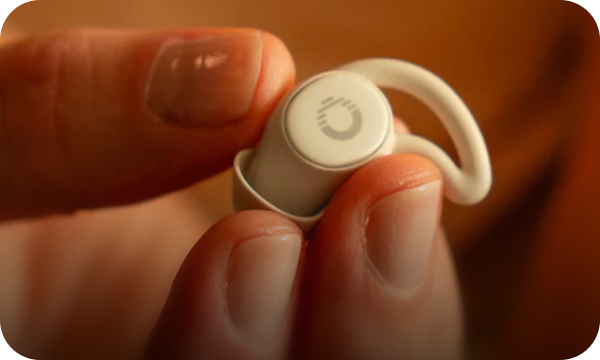
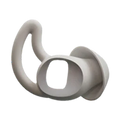
- Un diseño de perfil bajo hecho para la comodidad durante toda la noche, incluidos los que duermen de lado.
- Transmisión Bluetooth para personas a las que les gusta conciliar el sueño con un podcast, audiolibro, meditación, música u otro audio para relajarse.
- Una alarma privada para que pueda despertarse sin comenzar el día despertando a otra persona.
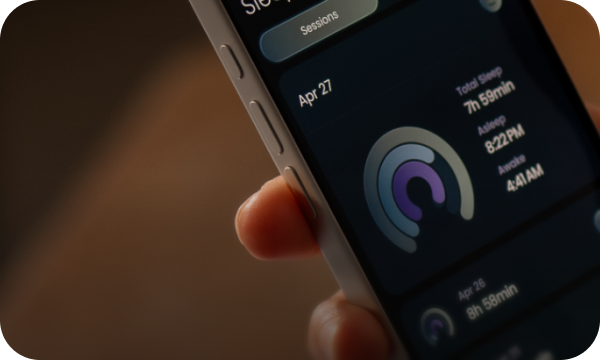
- Una aplicación centrada en el sueño que convierte el dispositivo en parte de una rutina de sueño, no solo en otro par de auriculares.
Así que, si tu búsqueda comenzó con auriculares con cancelación de ruido para dormir, la mejor solución podría no ser auriculares en absoluto. Podría ser algo diseñado específicamente para dormir.
Cuándo los auriculares con cancelación de ruido normales tienen sentido
Los auriculares con cancelación de ruido normales no son inútiles. Pueden ser excelentes para ciertas situaciones.
Si estás sentado erguido en un avión, trabajando en una oficina ruidosa, estudiando en una casa concurrida o intentando reducir el ruido de fondo constante durante el día, los auriculares con cancelación de ruido tradicionales pueden ser una buena opción.
Pero dormir exige otra cosa. El producto tiene que funcionar mientras tu cuerpo está relajado, moviéndose y apoyado contra una almohada. Tiene que ser cómodo cuando no estás pensando en ello. Tiene que encajar en las partes tranquilas de tu vida, no solo en las activas.
Por eso, los auriculares normales a menudo se sienten como una solución provisional en la cama. Ozlo está diseñado para el caso de uso real.
Si el problema son los ronquidos, la comodidad es lo primero
Los ronquidos son una de las razones más comunes por las que la gente busca soluciones de ruido para dormir. También es uno de los sonidos más difíciles de manejar porque es cercano, irregular y emocionalmente frustrante.
El instinto es bloquear todo. Pero si el producto te lastima los oídos, la almohada lo empuja o te hace sentir atrapado, probablemente no seguirás usándolo.
Para los ronquidos, la mejor solución suele ser algo con lo que realmente puedas dormir. Eso significa un ajuste de perfil bajo, un sellado seguro y un entorno sonoro que haga que los ronquidos sean menos dominantes.
Ozlo se basa en esa realidad. No te pide que duermas con auriculares voluminosos. Te ofrece una forma más pequeña y específica para el sueño de controlar el sonido a tu lado.
Si el problema es viajar, la coherencia importa
Los hoteles no solo son ruidosos. Son desconocidos.
No conoces los patrones del pasillo. No conoces los sonidos del ascensor. No sabes quién está en la habitación de al lado. Tu cerebro permanece más alerta porque la habitación es nueva.
Una configuración portátil para dormir ayuda porque le da a tu cuerpo algo familiar. El mismo ajuste. Los mismos sonidos. La misma alarma. La misma rutina.
Este es otro lugar donde Ozlo tiene más sentido que los auriculares tradicionales. No estás tratando de silenciar una habitación de hotel entera. Estás creando un pequeño y consistente entorno de sueño alrededor de tus propios oídos.
Si el problema es tu mente, el silencio puede no ser suficiente
A veces, la habitación no es lo más ruidoso. Tus pensamientos lo son.
Un dormitorio completamente silencioso puede hacer que la mente se sienta más ruidosa. Revives el día. Planificas el mañana. Recuerdas una cosa más. De repente, estás completamente despierto en una habitación que es técnicamente tranquila.
Para algunas personas, el audio para dormir ayuda. Un podcast, un audiolibro, una meditación o música tranquila pueden darle a la mente algo suave que seguir. Pero la transmisión regular también puede convertirse en su propio problema si continúa toda la noche o sigue desviando tu atención.
Ozlo le da a ese hábito una estructura más centrada en el sueño. Puedes usar el audio para relajarte y luego confiar en los sonidos del sueño para ayudarte a pasar la noche.
Una forma sencilla de saber si necesitas Ozlo en lugar de auriculares
Hazte estas preguntas:
- ¿Necesito algo que pueda usar mientras estoy acostado de lado?
- ¿Necesito ayuda con los ronquidos, el movimiento de la pareja, los vecinos, el ruido del hotel o los sonidos repentinos?
- ¿Quiero dormirme con audio pero no gestionar un par de auriculares normales toda la noche?
- ¿Quiero una alarma que no despierte a mi pareja?
- ¿Los auriculares normales me han parecido demasiado voluminosos, cálidos o incómodos en la cama?
Si la respuesta es sí, probablemente no estés buscando unos auriculares mejores. Estás buscando un mejor dispositivo para dormir.
Diseñado para lo que los auriculares no fueron construidos
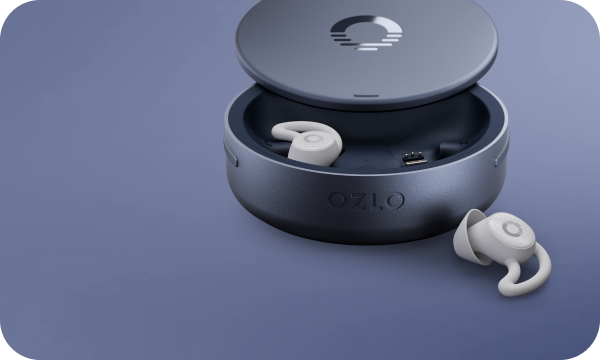
Los Ozlo Sleepbuds están diseñados para personas que necesitan ayuda con el ruido nocturno, no solo para escuchar durante el día. Combinan el bloqueo pasivo de ruido, sonidos de enmascaramiento aptos para el sueño, transmisión Bluetooth y una alarma privada en un diseño de perfil bajo hecho para la comodidad durante toda la noche.
En resumen
Si buscas auriculares con cancelación de ruido para dormir, la necesidad es real. La categoría de producto simplemente puede ser incorrecta.
Los auriculares normales están hechos para las horas en que estás despierto. Los Ozlo Sleepbuds están hechos para las horas en que intentas mantenerte dormido.
Esa diferencia importa. El sueño necesita comodidad, un ajuste de perfil bajo, sonidos enmascaradores, una alarma privada y una rutina fácil de repetir cuando estás cansado. Ozlo está diseñado desde el principio pensando en esas necesidades.
Antes de comprar auriculares voluminosos para la cama, pregúntate si quieres un producto de audio diurno o una solución prioritaria para el sueño.
Ver cómo funcionan los Ozlo Sleepbuds
Preguntas frecuentes
¿Son una buena idea los auriculares con cancelación de ruido para dormir?
Pueden ser útiles en algunas situaciones, especialmente para personas que duermen boca arriba o necesitan ayuda con el ruido de fondo constante. Pero muchos auriculares tradicionales son demasiado voluminosos, cálidos o incómodos para dormir toda la noche. Un dispositivo específico para el sueño suele ser más práctico.
¿Son mejores los auriculares intrauditivos para dormir que los auriculares de diadema?
Para muchas personas, sí. Los auriculares intrauditivos para dormir suelen ser más pequeños y fáciles de usar en la cama, especialmente para quienes duermen de lado. Los Ozlo Sleepbuds están diseñados para la comodidad durante toda la noche, enmascarar sonidos y una alarma privada, cosas para las que los auriculares normales no suelen estar hechos.
¿Los Ozlo Sleepbuds utilizan cancelación activa de ruido?
Los Ozlo Sleepbuds utilizan el bloqueo pasivo de ruido del sello de la punta del oído combinado con sonidos de sueño que enmascaran el ruido. Están diseñados para ayudar a reducir y cubrir los sonidos nocturnos disruptivos de una manera que prioriza el sueño.
¿Puede Ozlo ayudar con los ronquidos?
Ozlo puede ayudar a que los ronquidos sean menos molestos combinando un cómodo sello intrauditivo con sonidos enmascaradores. Los ronquidos son irregulares y difíciles de eliminar por completo, por lo que el objetivo es hacerlos menos perceptibles y más fáciles de ignorar al dormir.
¿Puedo transmitir audio con los Ozlo Sleepbuds?
Sí. Los Ozlo Sleepbuds admiten la transmisión por Bluetooth, para que puedas conciliar el sueño con audio como un podcast, audiolibro, meditación, música u otro contenido para relajarte.
¿Qué diferencia a Ozlo de los auriculares normales?
Los auriculares normales suelen estar diseñados para música, llamadas, entrenamientos o desplazamientos. Los Ozlo Sleepbuds están diseñados para dormir, con un ajuste de perfil bajo, sonidos para dormir, bloqueo pasivo de ruido, transmisión y una alarma privada.
¿Son los Ozlo Sleepbuds buenos para las personas que duermen de lado?
Los Ozlo Sleepbuds están diseñados pensando en la comodidad durante toda la noche y en las personas que duermen de lado. Su forma de perfil bajo los hace más prácticos para la cama que muchos auriculares intrauditivos o de diadema tradicionales.


