













Your Fall Sleep Reset: 8 Habits to Try This Season
Feel like your energy has taken a serious nosedive lately? You're probably not imagining it, and you're certainly not alone. If you've been eyeing your bed longingly at 4 p.m., it's because autumn is sending your brain signals that make you want to take a nice, long nap.
And while it might be annoying to feel sleepy so early, wanting more rest right now is normal, and it's also kind of a good thing. Those long summer evenings forced you outside, kept you social, and made you stay up late. But let's be real. By September, you probably found yourself running on incredibly inconsistent sleep, right?
The good news is, Fall is the easiest season to get back on schedule. Cold, fall nights do the exact opposite, and your body starts responding to those changes exactly as it should.
Here are some smart ways to use the fall season to reset and improve your sleep.
 Pay Attention to Your Wake-Up Time
Most sleep advice tells you to go to bed earlier, which is kind of hard to do on command. The easier and more effective move is picking a wake-up time and sticking with it, even on the weekends. Once your mornings become predictable, your body starts adjusting your bedtime on its own.
There are a lot of research-backed benefits to picking a regular wake-up time, too. A consistent schedule is linked to better alertness, mood, metabolic health, and cardiovascular health.
And here's why fall is the ideal time to make this shift: you're already going to bed earlier, so you're not going to war with your body to build the habit. You're simply giving it a fixed point to organize around.
 Use the Morning Light Like Medicine
Here's a little science behind why you start feeling sleepy during the fall. Melatonin, the sleep hormone, is tied directly to light exposure, and fall provides a lot less of that. So as the days grow shorter, melatonin starts to increase earlier in the day and stays in your system longer.
Morning light tells your brain the day has started and moves your internal clock earlier, which means you get sleepy at a reasonable hour and wake up more easily.
As the days get shorter, try taking advantage of that morning light. Ten minutes of daylight within an hour of waking will do more for your rhythm than any melatonin supplement on the shelf, and it's completely free. Take your coffee out to the porch instead of drinking it at the kitchen counter, take your dog on a little longer walker, or jog outside instead of on the treadmill.
In one study, workers who got bright light in the morning slept more efficiently, fell asleep faster, and felt less groggy than those who stuck with ordinary office lighting. If you live somewhere where your mornings are genuinely dark, a light therapy lamp on your desk can help.
 Fall Back Without Falling Apart
Daylight saving time ends at 2 a.m. on Sunday, November 1 this year. And while an extra hour of sleep sounds like a gift from above, the aftermath can feel kind of like jet lag. Sunset suddenly lands in the late afternoon, you feel like you're eating dinner super late, and your internal clock spends a week arguing with the actual clock.
So instead of taking the hit all at once, try spreading it out. Four or five nights before the change, try shifting your bedtime and your wake-up by 15 to 30 minutes. That way, come Sunday, you're already halfway there. And because your circadian rhythm pays attention to when you eat, try moving your meals
 Layer Up
Heat is the enemy of good sleep, which is why in the summertime we run fans, crank the AC, and chase the cold side of the pillow. Then suddenly, the temperature drops and the whole house goes into cozy mode: heat on, flannel sheets, a big fat duvet.
While all of that sounds (and is) incredibly comfy, you don't want to overdo it. Your core temperature needs to fall for you to drop off and stay asleep. Most sleep experts agree that a bedroom set somewhere between 65 and 68 degrees is idea for sleep.
Because autumn nights swing between genuinely chilly and unexpectedly, the answer is layers. Instead of reaching or one super-warm blanket, use breathable cotton sheets, a light blanket, and a comforter that you can push off at 3 a.m. if you get too hot.
 Keep Things Circulating
During cooler months, we tend to close the windows, which means a lot less ventilation. Unfortunately, it's not the best for our sleep. Researchers have found that opening a bedroom window overnight helps people fall asleep faster and sleep more efficiently than sleeping in a sealed room. Try cracking a window when the weather allows, or leave the bedroom door open and run a fan on low.
 Switch Up Your Shower Routine
A warm shower is great for your nightly wind-down routine, and it's not just because it feels nice in October. Warming up raises your body temperature, then the drop afterward mirrors the natural cooling that cues sleep.
A meta-analysis found that a warm shower or bath one to two hours before bed helped people fall asleep about ten minutes faster.
 Start Moving With the Sun
Exercise is one of the most reliable sleep aids. Johns Hopkins sleep researchers note that moderate aerobic exercise increases slow wave sleep, the deep stage where your brain and body do their repair work.
And remember what we said about the sleep benefits of morning light? Morning or early afternoon exercise does double duty this time of year: it deepens your sleep that night and gets you morning light you need. A brisk 20 minute walk at lunch, a bike commute, a few laps around the block between meetings is all it takes.
 Cut the Noise
Rain pounding the gutters, wind whistling, your noisy furnace clunking on, your neighbor who blows leaves at eight on a Saturday. Fall can be noisy, and is known to fragment sleep, reduce its continuity, and cut total sleep time.
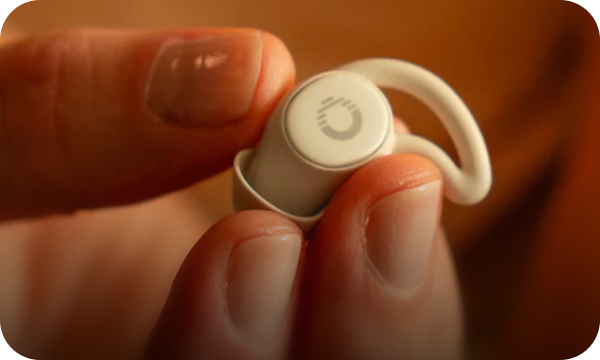
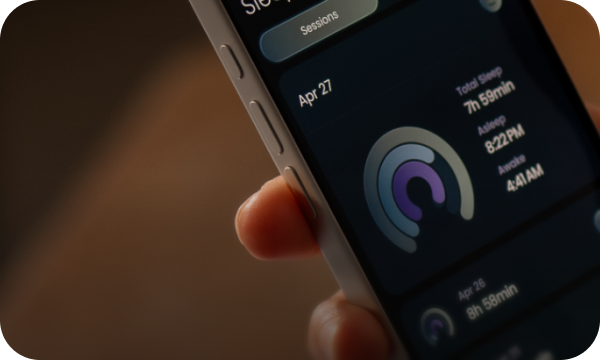
That's where Ozlo Sleepbuds 2 come in. They're small enough to sleep in comfortably, including on your side, and they mask the sounds that pull you out of deep sleep with audio matched to what's happening around you. It's an way to keep your room quiet, no matter what fall throws your way.
In closing, resetting your fall sleep schedule doesn't have to be a giant overhaul. Adopting a few small-but-steady will help you enter the season feeling well-rested.


