












Why Women’s Sleep Changes After 40: A Q&A with Angela Foster
Sleep can start to feel different in your 40s. You may fall asleep just fine but find yourself waking more often. Sounds that never bothered you before suddenly pull you out of sleep. Or you wake up after what should have been a full night and still don't feel fully rested.
For many women, these changes coincide with perimenopause and other shifts happening in the body during midlife. But that doesn't mean disrupted sleep is something you simply have to accept.
Angela Foster is a nutritionist, health and performance coach, host of the High Performance Health podcast, and creator of BioSyncing®. Her work focuses on helping women optimize their health, energy and performance, with sleep playing a central role.
We sat down with Angela to talk about what happens to sleep as women enter their 40s, why perimenopause can make a good night's sleep harder to come by, and the habits, environment and tools that can help.
Q&A with Angela Foster
 Why can sleep start to feel so different for women in their late 30s and 40s, and what role does perimenopause play?
"Sleep can start to feel very different in the late 30s and 40s because perimenopause brings changes in oestrogen and progesterone, and those hormones influence sleep, temperature regulation and the brain’s calming systems. As ovulation becomes less consistent, progesterone declines and some women find it harder to switch off, stay asleep or get back to sleep after waking. In the later stages of the menopause transition, hot flushes and night sweats can add another layer of disruption. It’s not always just hormones, but perimenopause can absolutely change the way sleep feels."
 Many women find they become lighter sleepers during this stage of life. Why might things like a partner snoring, pets, traffic, or other nighttime noise suddenly feel more disruptive?
"During perimenopause, sleep can become lighter and more fragmented, and so it is easier to be woken up. Fluctuating oestrogen and progesterone can affect sleep architecture, temperature regulation and the nervous system, so noises you once slept through, e.g. a partner snoring, pets moving, traffic outside may suddenly be enough to wake you. Some women report that even the sound of their partner breathing keeps them awake. Once awake, it can be harder to fall back asleep."
 You talk a lot about longevity and high performance. How important is sleep to both, especially for women in midlife?
"Sleep is foundational to both longevity and high performance. Good circadian alignment, sleep timing, duration and quality all affect our long-term health. Quality sleep supports everything from cognitive performance and mood to insulin sensitivity, cardiovascular health, immune function and muscle recovery. Sleep also affects how well we handle stress, so when sleep is compromised, it becomes much harder to feel, think and perform at your best. Midlife is also often a time of greater responsibility for women, when juggling the demands of career, children and elderly parents can make it harder to relax and unwind."
 If someone knows their sleep could be better, what are the first changes you recommend making to their routine or sleep environment?
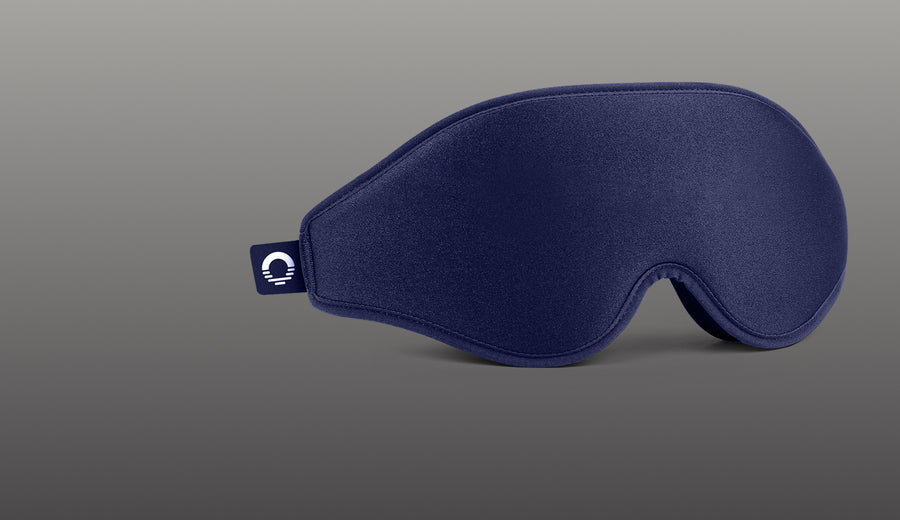
"I’d start with a consistent bedtime and wake time, as recent research is highlighting this as being one of the most important variables alongside getting outside for morning light to help regulate your circadian rhythm. Then I’d optimise the bedroom: cool, dark and quiet, using a sleep mask and something to reduce noise if needed and make sure the room is well ventilated. For most people avoiding caffeine after midday, minimising bright light exposure at night and creating a calming wind-down routine, whether that’s relaxing audio, breathing or even a scent like lavender, which does have some research behind it for sleep. Most importantly, look at what is actually fragmenting your sleep and remove as many of those disruptions as you can."
 There are more sleep tools and technologies available than ever. Where do you think sleep technology can genuinely help, and where should people focus on the fundamentals first?
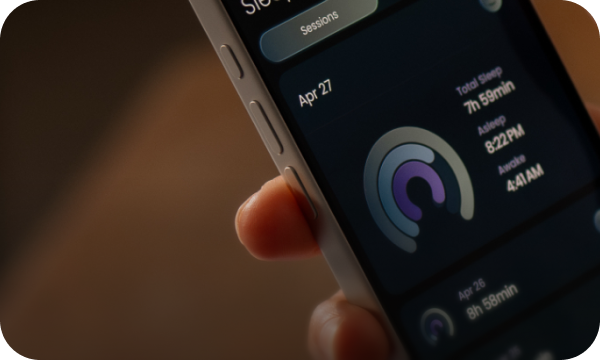
"Sleep technology can be really useful for helping you spot patterns and make better decisions, so long as it doesn’t lead to obsessiveness or anxiety over getting a perfect sleep score where this can actually make sleep worse. Wearables that track sleep, resting heart rate and HRV, temperature-controlled mattresses, or tools that reduce noise can be helpful in better understanding the habits and behaviours that affect our sleep. But I always come back to the fundamentals first: consistent sleep and wake times, morning light, a cool, dark, quiet bedroom, managing caffeine and alcohol intake, restricting bright light in the evening and having a good wind-down routine. Technology should support good sleep habits, not replace them."
 You’ve been using Ozlo Sleepbuds yourself. How have they fit into your sleep routine, and what have you found most useful about them?
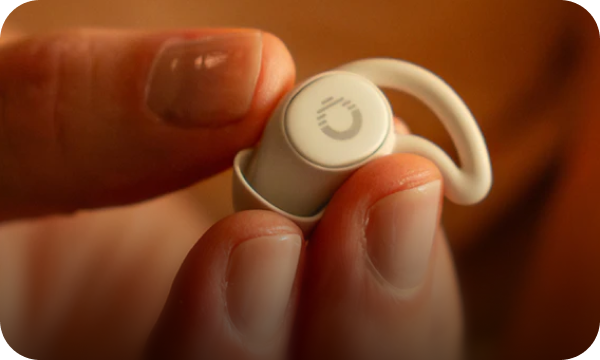
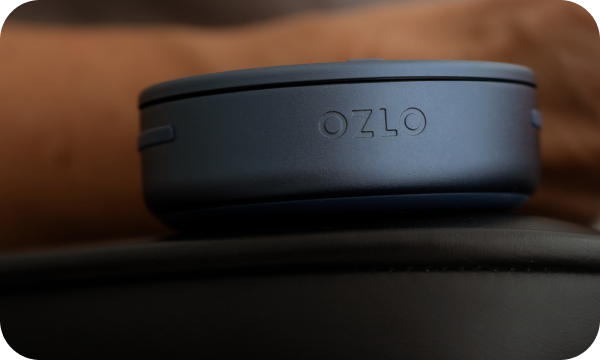
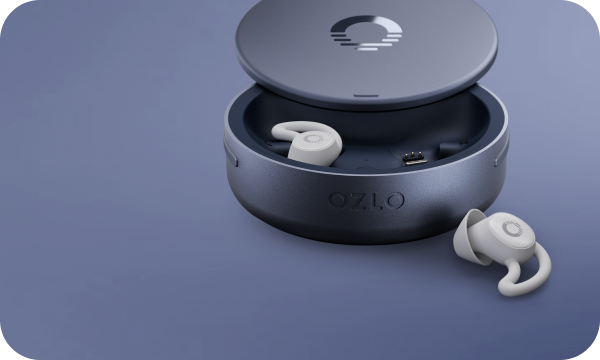
"I’ve found the Ozlo Sleepbuds particularly useful when I’m travelling and when I can’t control the environment. For me, the biggest benefit is reducing disruptive noise without having to completely change my sleep routine. They’re soft enough to sleep on my side, and I like that they can play calming sounds while also helping to block things like traffic or hotel noise. If I have trouble sleeping I also enjoy listening to a guided meditation or an audiobook and I really like the feature where Ozlo automatically pauses the audiobook when I fall asleep so I don’t lose my place and can pick up from the same spot the next day."


