







Does Using a CPAP Help with Snoring?
Snoring might seem harmless, but for some people, it can point to underlying issues that affect sleep and comfort. One device that often enters the picture is a CPAP machine. But before assuming it’s the right fix, it’s worth understanding how it works, who it’s designed for, and when it’s actually recommended.

Will a CPAP Stop Snoring?
Snoring can turn even the coziest bed into a nightly battleground. One person’s trying to sleep. The other sounds like a lawnmower in REM. In many households, a CPAP machine often enters the conversation as a potential solution - but is it really the right tool for snoring?
To answer that, it helps to look at why snoring happens in the first place. Most of the time, it comes down to airflow. When air has trouble moving smoothly through the nose or throat during sleep, the surrounding soft tissues can vibrate. That vibration is what creates the familiar sound of snoring.
Common snoring triggers include:
-
Sleeping on your back
-
Drinking alcohol close to bedtime
-
Smoking
-
Nasal congestion
-
Weight gain
-
Muscle relaxation during sleep, which may narrow the airway
Sometimes, snoring is simply a noise. Other times, it’s a sign of something more - like obstructive sleep apnea (OSA). This condition is often described as involving repeated pauses in breathing during sleep, typically caused by a narrowed or blocked airway. Loud, frequent snoring is often one of its first visible signs.
This is where CPAP comes in. Short for continuous positive airway pressure, a CPAP machine creates a steady stream of pressurized air that helps prevent the airway from collapsing during sleep.
For those who have been diagnosed with OSA, CPAP is a commonly prescribed option. It helps maintain steady airflow and can reduce snoring that’s related to blocked airways. However, CPAP is not designed or recommended to treat snoring on its own and should only be used after a medical diagnosis of obstructive sleep apnea, typically confirmed through a sleep study, to ensure appropriate treatment and avoid potential complications. If sleep apnea is not present, a CPAP machine typically isn’t the first step.
CPAP Basics: What It Does and How It Works
At its core, a CPAP machine provides continuous positive pressure to keep the upper airway from collapsing during sleep. It’s a well-established therapy for obstructive sleep apnea and is prescribed following a formal diagnosis.
A typical CPAP setup includes:
-
A motor that draws in and pressurizes ambient air
-
A hose that delivers the air to the mask
-
A mask that fits over the nose, mouth, or both
The pressurized airflow is intended to keep airways open, which can help promote steadier breathing and potentially reduce snoring in people with OSA. This often results in more restful sleep, fewer interruptions, and quieter nights.
Still Snoring with CPAP?
It happens. Some people still snore even while using a CPAP machine. That doesn’t always mean the device isn’t working - but it could indicate something needs adjusting.
Possible reasons include:
-
Mask fit issues: Leaks can prevent the full pressure from reaching the airway
-
Pressure settings: Airflow may not be strong enough to support breathing
-
Mouth breathing: Breathing through the mouth while using a nasal mask can reduce the pressure delivered to the airway, potentially allowing partial airway collapse and leading to snoring
-
Positional habits: Sleeping on the back may still lead to vibration and sound
Things that might help:
-
Reassessing the mask size or switching mask styles
-
Adding a chinstrap to encourage nasal breathing
-
Reviewing pressure settings with a sleep professional
-
Adjusting sleep position with supportive pillows
If snoring continues, checking device settings or speaking with a qualified provider may help clarify what’s going on.
CPAP Isn’t the Only Option
If you snore but don’t have sleep apnea, there are other approaches that may help manage the noise. Many don’t require machines at all.
Alternatives worth exploring:
-
Oral devices: These reposition the jaw or tongue to help keep airways open
-
Nasal strips or dilators: Useful for mild, congestion-related snoring
-
Lifestyle adjustments: Weight loss, sleep position changes, and limiting alcohol intake may help
-
Sleeping on your side: A simple change that often reduces snoring
-
Tongue and throat exercises: Gentle stretches can help tone airway muscles over time
-
For bed partners, sleepbuds can help reduce exposure to disruptive snoring without changing the snorer’s habits, and we have a good option for you:
Ozlo Sleepbuds®
An amazingly restful and peaceful sleep every night, free from distractions and noise, is the greatest gift you can give!

What are Ozlo Sleepbuds?
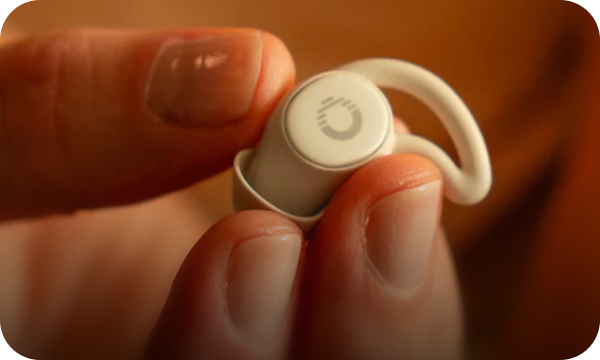
Ozlo is a science-driven, one-stop-shop for the best sleep of your life. Unlike other headphones and earbuds, our tiny Sleepbuds® are engineered to be super comfy, even for side sleepers, while blocking out sleep-disrupting sounds.
Sleepbuds® play audio for up to ten hours, letting you enjoy our noise-masking tracks or stream anything you like, including audiobooks, podcasts, white noise, and YouTube.

The Ozlo Difference
At Ozlo, we're dedicated to helping you achieve the best sleep possible through innovative audio solutions. Our company, founded by three former Bose engineers, focuses on creating products that not only help you fall asleep, but stay asleep throughout the night.
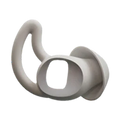
Ozlo Sleepbuds® simply don’t feel like other earbuds. Sleepbuds stay in place even when you toss and turn. The tiny earbuds, with their comfortable silicone tips and anchor-in-place wings, are designed for all-night comfort, no matter your sleeping position. Sleep on your back, side, or whatever works for you, and Ozlo Sleepbuds® will remain in place throughout the night.

Key Highlights
- Founded by three former Bose engineers with extensive experience in audio tech
- Sleepbuds® actively mask unwanted sounds like snoring, traffic, and environmental noises with calming, science-backed audio.
- Ultra-soft silicone tips designed to support every sleeping position, ensuring a secure and comfortable fit.
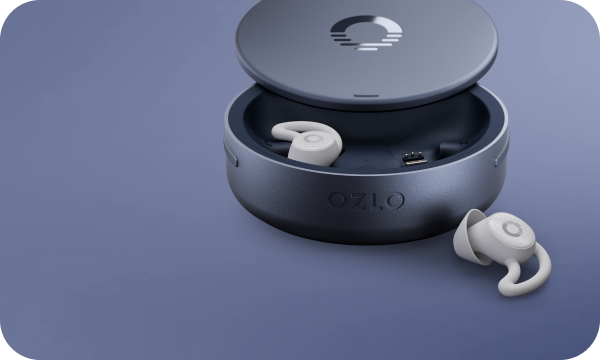
- Up to 10 hours of continuous use with extra charges from the Smart Case.
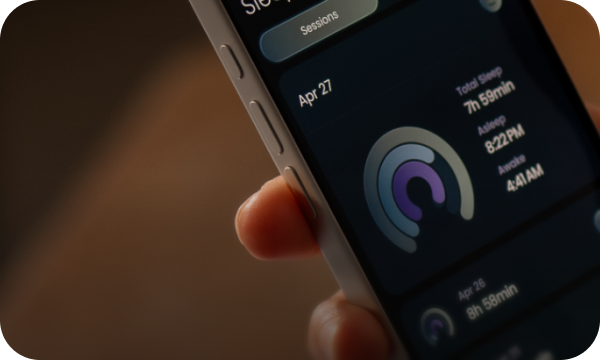
- Built-in biometric and environmental sensors offering personalized sleep reports
- Personal alarm gently wakes you without disturbing your partner
In some cases, people explore surgical options when snoring is related to physical airway differences. That route is usually reserved for more persistent or severe cases.
Conclusion
Snoring might seem like a small thing, but it often signals something bigger. CPAP is widely used for managing sleep apnea and may support more consistent nighttime breathing in those who need it. But for those who snore without sleep apnea, CPAP isn’t usually the first solution to reach for.
The important part is understanding the cause. Whether it’s adjusting habits, changing sleep position, or seeking guidance from a specialist, there are plenty of ways to find quieter nights.
FAQs
Can a CPAP machine completely stop snoring?
If snoring is related to obstructive sleep apnea, CPAP may help make a difference for some individuals. But without a diagnosis of sleep apnea, CPAP is not recommended as a snoring treatment.
What if I still snore while using a CPAP?
It might mean the pressure settings need adjustment, the mask isn’t fitting properly, or other factors like sleep position or mouth breathing are involved. A follow-up review may help fine-tune your setup.
Do I need a CPAP if I only snore occasionally?
No. CPAP therapy is typically prescribed for sleep apnea. For occasional snoring, simpler options like lifestyle changes, oral devices, or sleep position changes are often more appropriate.
Are there quieter ways to manage snoring?
Yes. Things like nasal strips, adjusting sleep position, and using sleepbuds can help reduce the disturbance of snoring. These don’t treat snoring directly but can help manage the sound.
Should I get tested for sleep apnea if I snore a lot?
If snoring is loud, frequent, or paired with other signs like daytime fatigue or disrupted sleep, it may be worth talking to a healthcare provider. A sleep specialist may recommend testing if there are signs that suggest disrupted breathing at night.


