










Simple Ways to Tune Out Snoring and Sleep Soundly
Snoring can turn bedtime into a nightly challenge. Whether it’s a partner, a roommate, or someone camping on the other side of a paper-thin tent wall, the noise can make it nearly impossible to get the rest you need.
Fortunately, there are ways to work around it. This guide breaks down practical, realistic strategies for tuning out snoring so you can fall asleep faster and stay asleep longer. No arguments, no gadgets you’ll never use, and no overpromising.
Simple Ways to Block Out Snoring Noise
Tuning out snoring usually starts with one thing: managing the sound. Some methods are simple and inexpensive, while others take a bit more planning, but all are worth considering if you're losing sleep to someone else's noisy breathing.
1. Ozlo Sleepbuds®
An amazingly restful and peaceful sleep every night, free from distractions and noise, is the greatest gift you can give!

What are Ozlo Sleepbuds?
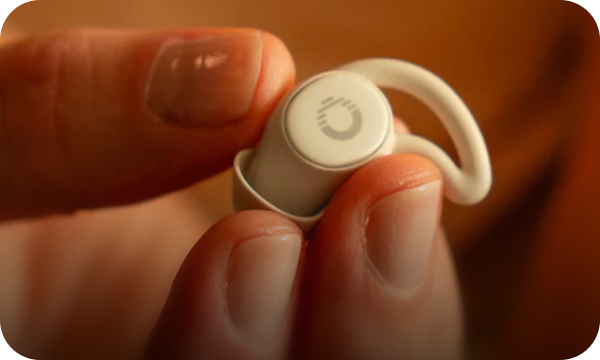
Ozlo is a science-driven, one-stop-shop for the best sleep of your life. Unlike other headphones and earbuds, our tiny Sleepbuds® are engineered to be super comfy, even for side sleepers, while blocking out sleep-disrupting sounds.
Sleepbuds® play audio for up to ten hours, letting you enjoy our noise-masking tracks or stream anything you like, including audiobooks, podcasts, white noise, and YouTube.

The Ozlo Difference
At Ozlo, we're dedicated to helping you achieve the best sleep possible through innovative audio solutions. Our company, founded by three former Bose engineers, focuses on creating products that not only help you fall asleep, but stay asleep throughout the night.
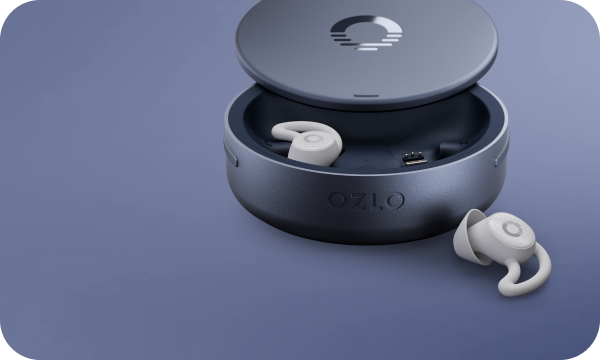
Ozlo Sleepbuds® simply don’t feel like other earbuds. Sleepbuds stay in place even when you toss and turn. The tiny earbuds, with their comfortable silicone tips and anchor-in-place wings, are designed for all-night comfort, no matter your sleeping position. Sleep on your back, side, or whatever works for you, and Ozlo Sleepbuds® will remain in place throughout the night.

Key Highlights
- Founded by three former Bose engineers with extensive experience in audio tech
- Sleepbuds® actively mask unwanted sounds like snoring, traffic, and environmental noises with calming, science-backed audio.
- Ultra-soft silicone tips designed to support every sleeping position, ensuring a secure and comfortable fit.
- Up to 10 hours of continuous use with extra charges from the Smart Case.
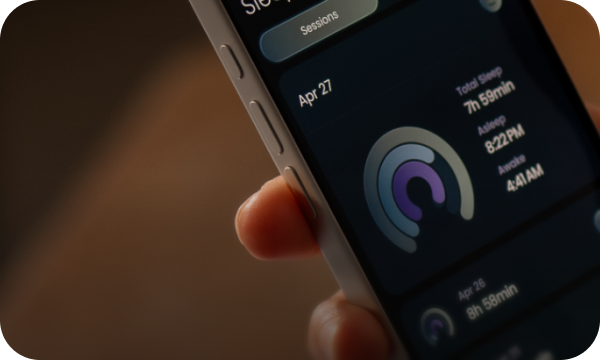
- Built-in biometric and environmental sensors offering personalized sleep reports
- Personal alarm gently wakes you without disturbing your partner
2. Add Noise to Drown Out the Snoring
Adding consistent sound to your environment can help reduce the sharpness or irregularity of snoring sounds.
-
White noise machines produce a steady background hum that helps your brain tune out sudden or inconsistent sounds.
-
Pink noise is a softer, more natural variation that many people find relaxing. It’s often compared to rainfall or gentle wind.
-
Nature sounds, audiobooks, or calming podcasts can serve as audio distractions that help shift focus away from external noise.
Whether you're streaming or using a dedicated device, the idea is to replace disruptive noise with something your brain can more easily ignore.
Adjusting the Sleep Environment
Snoring isn’t just a sound problem. Sometimes it’s about how the sound moves through your space. A few environmental changes can go a long way.
Soundproofing Basics
-
Close doors fully and use door sweeps or draft blockers to minimize sound leakage.
-
Add soft furnishings like rugs, curtains, or fabric wall hangings to absorb sound and reduce echo.
-
If snoring is loud enough to travel between rooms, consider sleeping separately on occasion. It can be a practical short-term solution, especially for light sleepers.
Moisturize the Air
Some people find that dry air makes nighttime breathing less comfortable. Running a humidifier at night may help the snorer by reducing nasal congestion or throat dryness, potentially easing snoring, but it does not directly impact how snoring is perceived by others.

Encourage Better Sleep Habits (Without Starting a Fight)
If you sleep next to someone who snores, making changes together can help. Just keep the conversation supportive, not critical.
Suggest Positional Changes
Sleeping position matters. Lying on the back can cause the tongue and soft tissues to fall backward, narrowing airways.
-
Encourage side sleeping or using pillows to slightly elevate the head.
-
A classic method: taping or sewing a tennis ball to the back of a pajama top. Some people find this helpful, but it might be uncomfortable or impractical for others.
Avoid Common Sleep Disruptors
-
Alcohol before bed can overly relax the muscles and increase snoring.
-
Smoking and certain medications may irritate or dry out airways.
-
Keeping a consistent sleep schedule may reduce nighttime restlessness for both people in the bed.
These aren’t instant fixes, but they can help create a more sleep-friendly routine over time.
When to Try Devices or Extra Help
For some, positional changes and sound masking aren't enough. Some people explore options like specialized pillows, nasal strips, or wearable supports to reduce snoring-related noise, though results can vary.
If snoring continues to significantly affect sleep, the snorer should consult a healthcare provider to rule out obstructive sleep apnea, a serious condition requiring medical evaluation, before exploring devices or other solutions. This article, however, focuses on how to reduce the impact of snoring on your own sleep.
What If Nothing Works?
Sometimes, even with the best setup, snoring can still break through. If that happens, it might be time to adjust your own approach.
Build a Sleep Routine That Works Around the Snoring
-
Try going to bed a little earlier so you fall asleep before the snoring starts.
-
Use consistent background noise each night to train your brain to filter it out.
-
Keep your earbuds, sound machine, or sleep app ready and charged.
Know When to Take Space
Sleeping in a separate room occasionally can be a practical choice for better rest. It doesn’t reflect on the relationship, it just means both people value getting a good night’s sleep.
Conclusion
Snoring can turn restful nights into an endurance test. But tuning it out isn’t impossible. With the right mix of sound masking, environmental changes, and open communication, you can protect your sleep without turning bedtime into a nightly struggle.
Start simple. Try what feels manageable. And remember, this isn’t about fixing anyone - it’s about giving yourself the tools to sleep through the noise.
FAQs
What’s the best way to block out snoring at night?
There isn’t one perfect method, but many people find success using sleep earbuds, background sounds, or small environmental changes. Testing different tools is often the best way to figure out what works for you.
Do earplugs really work for snoring?
They can help with mild or higher-pitched snoring. However, for louder or deeper sounds, they may not block enough noise. Comfort is also a factor, especially for side sleepers.
What is the difference between white noise and pink noise?
White noise is more static-like, while pink noise has a softer tone, often compared to wind or rainfall. Many people find pink noise more relaxing, though preferences vary.
Can soundproofing a bedroom help?
Yes. Even simple adjustments like door sweeps or rugs can reduce how much noise travels through your space. It’s a useful step for those who are especially sensitive to sound.
Is sleeping in another room a bad sign for a relationship?
Not at all. It can simply be a practical decision to help both people get better rest. Taking space for sleep doesn’t say anything negative about the relationship.
What if nothing seems to block out the noise?
Try combining different strategies, like headphones plus white noise or adjusting sleep times. If you're still struggling, consider resetting the sleep environment or using a separate space when needed.


