











Smart Tips to Prevent Snoring While Flying
Flying can already feel like enough of a challenge. Between the tight legroom, dry air, and engine noise, catching some sleep mid-flight is no small feat. But what happens when you finally drift off only to find out you’ve been snoring loud enough to turn heads?
Snoring on a plane isn’t uncommon, even for people who don’t usually snore. The good news? There are practical ways to reduce the chances of it happening. With a few small changes in how you prep, sit, and sleep in the air, you can rest easier without worrying about bothering your seatmates.

Why People Snore More on Planes
Snoring in the air isn’t just about how tired you are. Several in-flight conditions work against quiet sleep:
-
Upright seating: Most airplane seats don’t recline far. This position can make the tongue fall backward slightly, narrowing your airway and increasing vibration.
-
Dry cabin air: Low humidity on planes can dry out your throat and nasal passages, which may make snoring more likely.
-
Noise disruption: Background engine noise and announcements can disrupt sleep, making it harder to rest comfortably, but other factors like seating position and dry air primarily contribute to snoring.
-
Fatigue and dehydration: Being overtired can deepen sleep stages, where snoring is more likely. Dehydration adds to throat dryness, contributing to noisy breathing.
Pre-Flight Habits That Help
1. Stay Hydrated
Dry throat? More snoring. That’s the equation. Start drinking water before you board and sip regularly during the flight. Instead of aiming for a fixed amount like 8 ounces per hour, focus on drinking steadily based on your needs. Staying hydrated helps keep the throat and nose from drying out.
2. Watch What You Eat and Drink
-
Avoid alcohol before flying: It relaxes muscles in your throat, which may make snoring more likely.
-
Skip sedatives unless prescribed: These are known to cause relaxation, which some travelers associate with increased snoring.
-
Be cautious with heavy meals: Some people find that spicy or greasy foods cause discomfort or congestion, which might affect breathing during rest.
-
Consider allergy awareness: Seasonal or environmental allergies may contribute to congestion. Some travelers bring nasal sprays, but it’s best to consult a doctor before using anything new.
3. Bring Anti-Snoring Tools
You don’t need to overpack, but a few items can help:
-
Nasal strips or dilators: Open nasal passages to allow easier airflow.
-
Saline spray: Keeps nasal tissue moist in the dry cabin air.
-
Neck pillow: Helps keep your head upright and your airway better aligned.
-
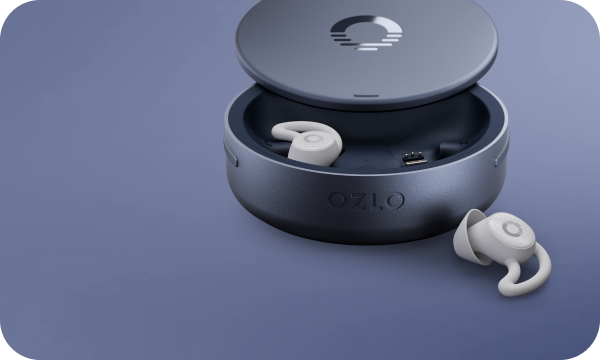
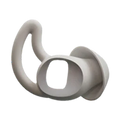
Sleep-focused earbuds: Some travelers use earbuds built for sleep to play calming audio and block out noise. They can help maintain a peaceful environment, especially for light sleepers worried about disturbing others.
Smart In-Flight Strategies
Choose Your Seat Wisely
A window seat can help. It offers support to lean against, which may reduce head tilt and promote better neck posture. You're also less likely to be disturbed by others needing to get in and out of the row.
Adjust Your Sleep Position
If your seat allows for significant reclining, take advantage of it to help keep your airway more open. Minimal reclining, as often found in economy class, may not be enough to reduce snoring and could cause your head to tilt backward, which may worsen it. Use a neck pillow or rolled-up scarf to keep your head in a neutral position.
Skip the Sleep Tray Nap
Sleeping with your head on the tray table may seem like a quick fix, but it can restrict breathing and put pressure on your neck. That position also tends to cause mouth breathing, which may increase the chance of snoring.
Other Helpful Habits to Try
Stick to Your Sleep Routine
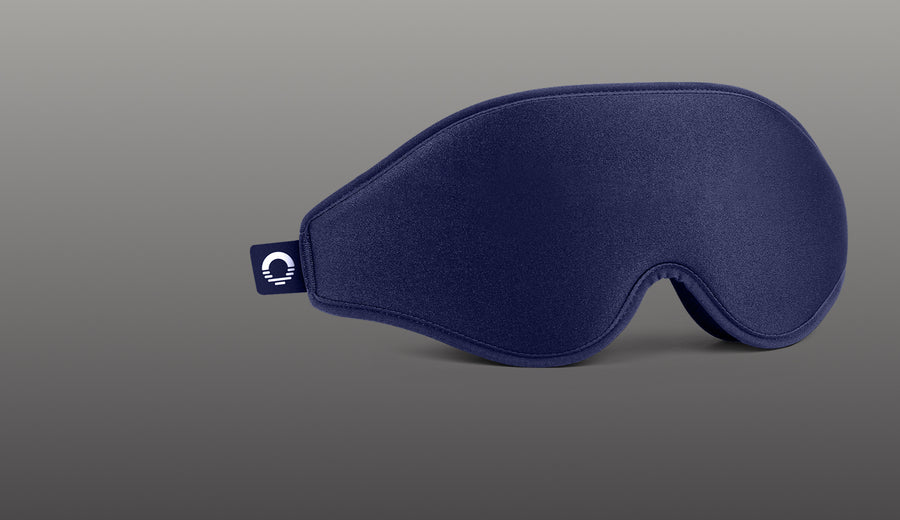
Familiar habits can help signal it’s time to sleep. Whether that means brushing your teeth, listening to an audiobook, or using a sleep mask, small routines can support a smoother transition into rest.
Move Around Before You Doze Off
If allowed, stand up and stretch during the flight. Even walking at the gate before boarding helps. Movement improves circulation and reduces swelling, which may affect airway comfort.
Dress for Comfort
Wear loose layers and breathable fabrics. Tight collars or stiff outfits can make it harder to relax and might affect your breathing position when you nod off.
When to Talk to a Doctor
If someone tells you that you snore loudly, choke, or stop breathing in your sleep (even on land), it may be worth mentioning to a healthcare provider. These might be worth discussing with a healthcare provider, especially if they’ve been happening regularly, both in flight and at home.
Quick Checklist: Snoring Prevention Before and During the Flight
Pre-Flight Prep
-
Drink water throughout the day
-
Avoid alcohol and sedatives
-
Pack nasal spray and strips
-
Bring a neck pillow
-
Choose a window seat if available
In-Flight Habits
-
Sit reclined with your neck supported
-
Avoid sleeping on tray tables
-
Breathe through your nose
-
Follow a simple bedtime routine
-
Use calming audio or earplugs
Conclusion
Snoring doesn’t have to take over your travel experience. Whether you snore often or just want to avoid it during the flight, a few mindful adjustments can go a long way. With a little planning, a calm mindset, and the right tools on hand, you can rest easier at 30,000 feet.
FAQs
What causes people to snore more during flights?
Dry air, upright seating, and general fatigue can all play a part. These factors may dry out your airways or change your sleeping posture, which could make snoring more likely.
Can someone who doesn’t normally snore still snore on a plane?
Yes, it can happen. Changes in air pressure, dehydration, or just being very tired might bring on occasional snoring in people who don't usually experience it.
Does drinking water really help reduce the chance of snoring?
Staying hydrated may keep your throat and nose from drying out, which some people associate with less disrupted rest. Sipping water regularly during the flight is a simple way to stay more comfortable.
Is it better to sit upright or recline slightly?
Reclining slightly may reduce strain on your neck and support a more comfortable breathing position.
Why avoid alcohol before a flight if you're trying not to snore?
Alcohol relaxes the muscles in your throat and can dry out your airways. That combination makes snoring more likely, even if it doesn’t normally happen.
Do those little nasal strips actually work for flying?
They might. Nasal strips or similar tools are easy to bring and are used by some travelers who feel they breathe more comfortably with them.


