







Why is My Baby Snoring? Understanding the Causes and What to Do
*Important Notice: Please consult a doctor if you have any medical conditions. We do not provide medical advice or make claims, and we are not liable for individual health outcomes.
Hearing your baby snore can be concerning, especially for new parents who might wonder if it’s a normal part of development or a sign of something more serious. Snoring in babies is actually quite common, and in most cases, it's harmless. However, understanding why your baby is snoring and knowing when it could indicate an underlying issue is important for both your peace of mind and your baby's health. While occasional snoring is often nothing to worry about, there are times when it could be a sign of a medical condition that needs attention. In this article, we’ll break down the common causes of baby snoring, when it may be a cause for concern, and what steps you can take to address it.

Is It Normal for a Baby to Snore?
Snoring is quite common in babies, and it is usually not a cause for concern. Research indicates that about 9% of infants snore at least three times a week, with many outgrowing it as they develop. Babies are naturally "noisy breathers," with air passing through their tiny nasal passages, creating sounds as they breathe. Since babies are obligate nose breathers (meaning they must breathe through their nose unless they are crying), it’s not uncommon to hear them make breathing sounds while they sleep.
However, mild snoring that’s brief and doesn’t disrupt the baby’s sleep is generally normal. As babies grow, their airway tissues become firmer, and these sounds typically decrease over time. In many cases, your baby’s snoring will resolve naturally as their airways mature.
What Causes a Baby to Snore?
Several factors can contribute to snoring in babies. Most commonly, the causes are related to the baby’s developmental stage or temporary health conditions. Below are some of the primary reasons for baby snoring:
-
Laryngomalacia (Soft Larynx): Laryngomalacia is a common cause of baby snoring, where the soft tissues of the larynx (voice box) collapse inward, partially obstructing the airway as the baby breathes. This condition is typical in infants and often resolves by 18 to 24 months as the muscles around the airway become stronger.
-
Nasal Congestion or Blockage: Just like adults, babies can experience nasal congestion due to colds, allergies, or a dry environment. When the nasal passages are blocked, it makes it harder for them to breathe through their noses, leading to snoring sounds. Congestion due to illness or other factors is a common reason for baby snoring.
-
Deviated Septum: A deviated septum occurs when the cartilage or bone that divides the nostrils is crooked, making it difficult for the baby to breathe through one or both nostrils. This condition is usually present from birth and may lead to snoring, requiring medical attention if the obstruction becomes severe.
-
Sleep Position: Although babies should always be placed on their backs to sleep (as recommended by the American Academy of Pediatrics), certain sleep positions can make snoring worse. If a baby is congested, sleeping on their back can cause their airway to become more restricted, which can exacerbate snoring.
-
Genetic Conditions: Certain genetic conditions, such as Down syndrome, can increase the likelihood of snoring in babies due to anatomical differences in their airway. These conditions may require closer monitoring and management to ensure proper development and ensure the baby’s breathing patterns are normal.
Is Baby Snoring Harmful?
In most cases, baby snoring is harmless and resolves as they grow. However, there are times when persistent or loud snoring may indicate an underlying issue that needs medical attention. If your baby’s snoring is accompanied by other concerning signs, such as difficulty breathing, gasping, or choking during sleep, it may be a sign of sleep apnea or other sleep disorders.
When Should Baby Snoring Be a Concern?
There are several signs that could suggest your baby’s snoring is more than just a normal developmental phase. While occasional snoring in babies is common and often harmless, persistent or loud snoring, especially when accompanied by other concerning symptoms, may indicate an underlying health issue. It's important for parents to be aware of these signs, as they can help identify potential problems early on and ensure the baby receives the appropriate care if necessary.
Persistent or Loud Snoring
If your baby’s snoring is loud and frequent, especially if it continues past infancy, it may indicate an airway obstruction or a more serious medical condition. Persistent or unusually loud snoring warrants a closer look by a pediatrician to rule out any underlying health issues.
Breathing Difficulties
If your baby is having trouble breathing, exhibits a blueish tint to their skin, or their nostrils flare excessively while breathing, it’s crucial to seek medical attention. These signs could indicate that their airway is severely restricted, requiring immediate evaluation.
Signs of Respiratory Distress
Signs such as chest retractions or rapid breathing can be indicators of respiratory distress. If your baby is showing these symptoms, it’s important to seek medical help immediately to ensure they are receiving adequate oxygen and are not at risk of more severe complications.
Gasping or Choking Sounds
If your baby makes gasping or choking noises during sleep, it could be a sign of sleep apnea, where breathing stops momentarily during sleep. These episodes may disrupt your baby’s rest and require medical evaluation to determine the best course of action.
If you notice any of these signs, or if the snoring becomes disruptive or concerning, it’s important to consult with your pediatrician for a thorough evaluation.
What to Do About Baby Snoring
In most cases, baby snoring is not a cause for concern, especially if it is mild and occasional. Snoring is often a natural part of a baby’s development, and many babies will outgrow it as their airways mature. However, if the snoring becomes frequent or seems to interfere with your baby’s sleep or comfort, it’s important to first consult with your pediatrician. They can help assess whether there is an underlying issue that needs attention.
If your doctor confirms that the snoring is not a sign of a serious condition, there are steps you can take to reduce it and ease your baby’s breathing. Simple actions, such as using nasal saline, running a humidifier, and adjusting your baby’s sleep position, can help improve their sleep quality and ensure they’re as comfortable as possible during the night.
Use Nasal Saline
If your baby is experiencing nasal congestion, using a saline nasal spray can help loosen mucus, making it easier for them to breathe. After applying the saline, you can use a bulb syringe to gently suction out the excess mucus, which can provide relief and reduce snoring.
Humidifier
Running a humidifier in your baby’s room can add moisture to the air, which helps ease nasal congestion and prevents dryness in the airways. This can be particularly helpful if the snoring is caused by a dry environment, allowing your baby to breathe more easily and sleep more comfortably.
Positioning
If your baby is congested and snoring, slightly elevating the head of their crib mattress may help open their airway and reduce snoring. However, always adhere to safe sleep practices and ensure your baby sleeps on their back until they are able to roll over on their own.
Monitor Your Baby’s Health
If your baby has recently been sick, their snoring may be linked to an illness. Keep track of their symptoms, and if you’re concerned about persistent snoring or other issues, it’s important to consult with your pediatrician for further advice and proper care.
A Quiet Sleep for Parents: Creating a Peaceful Sleep Environment
Ensuring a peaceful sleep environment for both parents and babies can be challenging, but there are ways to mask disruptive sounds and create a more restful atmosphere. With the right tools, you can help foster better sleep for everyone in the household.
Ozlo Sleepbuds®
An amazingly restful and peaceful sleep every night, free from distractions and noise, is the greatest gift you can give!

What are Ozlo Sleepbuds?
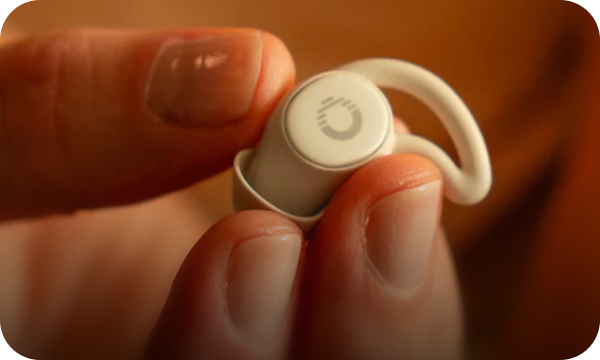
Ozlo is a science-driven, one-stop-shop for the best sleep of your life. Unlike other headphones and earbuds, our tiny Sleepbuds® are engineered to be super comfy, even for side sleepers, while blocking out sleep-disrupting sounds.
Sleepbuds® play audio for up to ten hours, letting you enjoy our noise-masking tracks or stream anything you like, including audiobooks, podcasts, white noise, and YouTube.

The Ozlo Difference
At Ozlo, we're dedicated to helping you achieve the best sleep possible through innovative audio solutions. Our company, founded by three former Bose engineers, focuses on creating products that not only help you fall asleep, but stay asleep throughout the night.
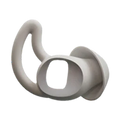
Ozlo Sleepbuds® simply don’t feel like other earbuds. Sleepbuds stay in place even when you toss and turn. The tiny earbuds, with their comfortable silicone tips and anchor-in-place wings, are designed for all-night comfort, no matter your sleeping position. Sleep on your back, side, or whatever works for you, and Ozlo Sleepbuds® will remain in place throughout the night.

Key Highlights
- Founded by three former Bose engineers with extensive experience in audio tech
- Sleepbuds® actively mask unwanted sounds like snoring, traffic, and environmental noises with calming, science-backed audio.
- Ultra-soft silicone tips designed to support every sleeping position, ensuring a secure and comfortable fit.
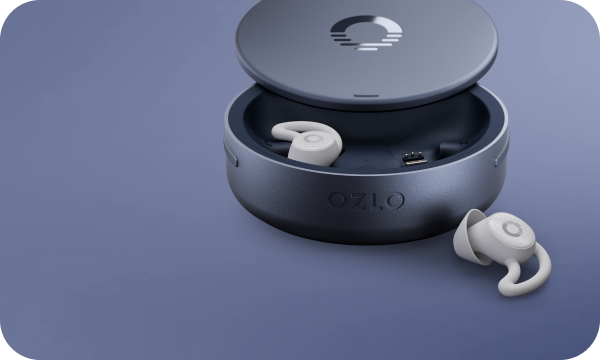
- Up to 10 hours of continuous use with extra charges from the Smart Case.
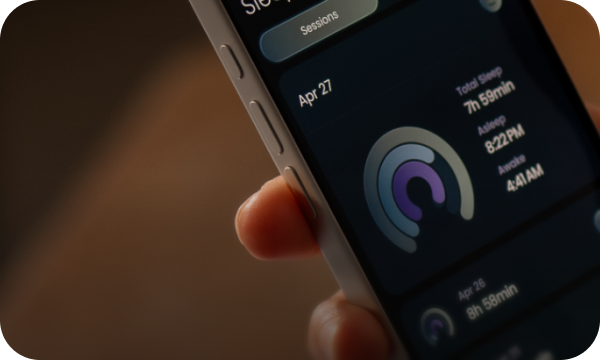
- Built-in biometric and environmental sensors offering personalized sleep reports
- Personal alarm gently wakes you without disturbing your partner
Conclusion
Snoring in babies is a common occurrence, and in most cases, it is not a cause for concern. As babies develop, their airway tissues become firmer, and snoring often resolves naturally. However, if the snoring becomes loud, persistent, or is accompanied by signs like difficulty breathing, gasping, or choking, it could indicate an underlying health issue, such as sleep apnea, which requires medical attention.
By staying vigilant and monitoring your baby’s snoring and other sleep patterns, you can ensure that any potential health concerns are addressed early on. Always consult with your pediatrician if you're uncertain about your baby’s snoring, especially if it disrupts their sleep or is accompanied by other troubling symptoms. Early intervention can help protect your baby's health and ensure a restful sleep for everyone in the household.
FAQs
Is it normal for my baby to snore?
Yes, it is quite common for babies to snore, especially in the early months. In many cases, baby snoring is harmless and occurs due to developmental factors like a soft larynx or nasal congestion. However, if the snoring becomes persistent, loud, or is accompanied by signs of respiratory distress, it’s important to consult a pediatrician to rule out any underlying conditions.
What causes baby snoring?
Baby snoring can be caused by several factors, including laryngomalacia (a soft larynx), nasal congestion, a deviated septum, or even genetic conditions like Down syndrome. In many cases, these causes are temporary and resolve as your baby grows, but persistent snoring should be checked by a doctor if it's causing discomfort or associated with other symptoms.
When should I be concerned about my baby’s snoring?
You should be concerned if your baby’s snoring is loud, persistent, or accompanied by signs like difficulty breathing, a blueish tint to their skin, nostril flaring, or pauses in breathing. These could be signs of sleep apnea or other sleep-related issues, and it’s important to seek medical advice if you notice any of these symptoms.
Can baby snoring indicate sleep apnea?
Yes, persistent and loud snoring in babies can sometimes be a sign of sleep apnea, particularly if it's accompanied by other symptoms such as gasping, choking, or pauses in breathing during sleep. If you notice these signs, it's important to consult with a pediatrician to determine whether a sleep study or further evaluation is necessary.
How can I help my baby stop snoring?
In many cases, baby snoring will resolve on its own as your baby grows and their airway becomes more developed. However, you can try using nasal saline to clear congestion, running a humidifier in their room to add moisture to the air, or slightly elevating their crib mattress to open the airway. Always follow safe sleep guidelines and consult your pediatrician if snoring persists or worsens.


