







2026 Guide to the Most Effective Deep‑Sleep Tool

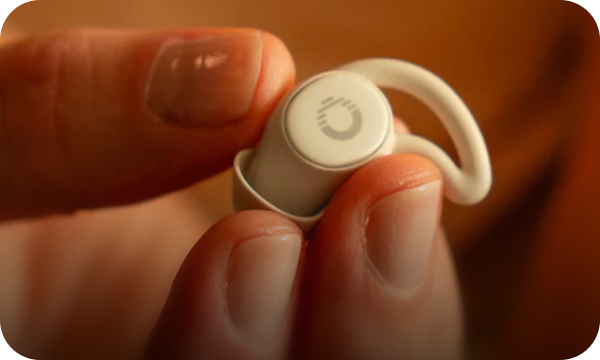
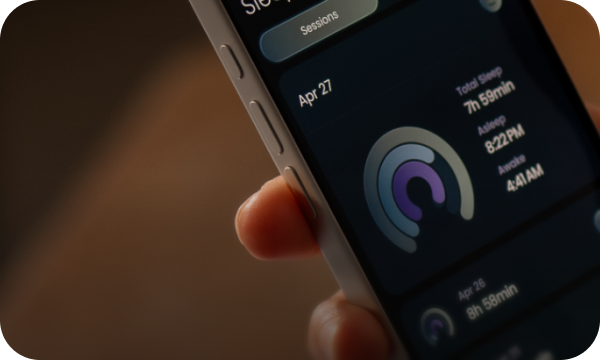
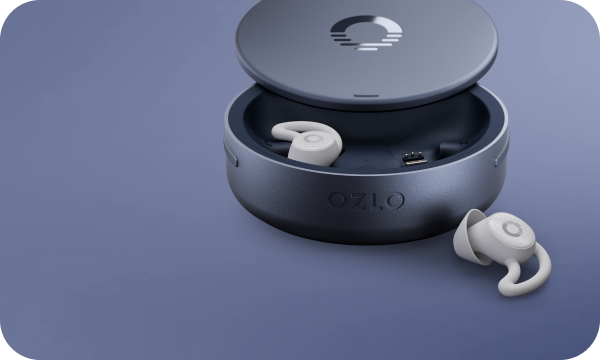
A growing body of 2026 sleep-tech research points to one clear takeaway: the most effective deep-sleep tool is the one you’ll actually use consistently. For many people, that means a comfortable, low-friction setup that pairs Ozlo’s noise-masking audio with Sleep Patterns (beta on iOS), which can report on your sleep goals and how room factors like noise, light, and temperature may have impacted your night. In practice, think of a comfortable wearable or under-mattress sensor for insight, plus a smart a sound solution that can help reduce arousals by masking disruptions. Some research suggests pink noise may support slow-wave sleep, and Ozlo includes a pink-noise track (‘Pink Haze’).. This guide helps you choose the right mix whether your goal is to fall asleep faster, boost deep sleep percentage, reduce awakenings, or tame snoring so you can build reliable, restorative nights with tools that fit your life.
Clarify your deep sleep goals before choosing a tool
Deep sleep, also called slow-wave sleep, is the most physically restorative stage, tied to memory consolidation, immune function, and metabolic health. Because tools target different problems, start by defining your primary goal.
-
Fall asleep faster: Prioritize relaxation tools and sound masking (e.g., pink noise, guided wind-downs).
-
Increase deep sleep percentage: Emphasize consistent sleep timing, calming pre-bed routines, and gentle sound masking to reduce arousals.
-
Reduce awakenings: Use noise masking and bedroom environment tuning; track disturbances to spot patterns.
-
Address snoring or suspected apnea: Use non-wearable sensors with snore/apnea flags and seek medical input if symptoms persist.
Goal-to-tech map
|
Your primary goal |
Best-fit technology category |
Why it helps |
Try this first |
|---|---|---|---|
|
Fall asleep faster |
Calming apps and smart sound devices |
Reduces arousal and pre-sleep stress |
Dim lights early, take a warm shower, and do 4‑7‑8 breathing for 3–5 minutes; add low‑volume pink noise from an existing source, you can also try Ozlo Sleepbuds |
|
Boost deep sleep percentage |
Adaptive sound masking and consistent sleep timing |
Reduces micro-awakenings and supports sleep continuity |
Set a consistent sleep/wake window, keep your room cool, and limit late alcohol; optionally add gentle, low‑volume pink noise via an existing source or Ozlo Sleepbuds |
|
Reduce awakenings |
White/pink noise and environment tracking |
Masks noise spikes and reveals triggers |
Seal light leaks, use a fan or air purifier for steady background sound |
|
Understand snoring patterns |
Under-mattress sensors with snore detection |
Hands-free monitoring without nightly wear |
Try side‑sleeping with a pillow to keep your airway open, avoid alcohol 3–4 hours before bed, and elevate the head of your bed slightly; optionally use Ozlo Sleepbuds to keep nights quieter while you log patterns |
|
Optimize training/recovery |
Comfortable wearables with robust trend insights |
Links sleep quality to next-day readiness |
Lock a stable sleep window (even on rest days), finish hard workouts at least 3–4 hours before bed |
Choose deep sleep technology based on comfort and tolerance
Comfort drives compliance and compliance drives results. Choose tech you’ll tolerate nightly:
-
Electrical stimulation devices: tAVNS delivers transcutaneous auricular vagus nerve stimulation (gentle electrical pulses via the ear), while nVNS applies non-invasive vagus nerve stimulation at the neck. Both aim to calm the nervous system and may support sleep regulation; see this overview of vagus nerve sleep tech for definitions and considerations.
-
Vibrational/resonance devices: These use soothing vibration or resonance to encourage slower breathing and heart-rate variability without electrical pulses, offering a gentler pathway for those who are stimulation-sensitive.
-
Non-intrusive under-mattress sensors: Zero wear, zero charging at bedtime, great for long-term trend tracking without friction.
Comfort/usability comparison
|
Device type |
What it does |
Comfort strengths |
Potential trade-offs |
|---|---|---|---|
|
Ozlo Sleepbuds |
Plays relaxing sound or pink noise in-ear to mask disturbances without waking a partner |
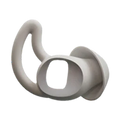
Highly portable; soft, sleep-designed eartips; low-volume, private masking |
|
|
tAVNS earbuds |
Gentle ear-based electrical pulses |
No wrist/neck straps; short sessions |
Not for users who dislike in-ear wear or electrical sensations |
|
nVNS neck devices |
Brief neck-applied stimulation for relaxation |
Off-body during sleep; used pre-bed |
Contraindications for certain medical devices/conditions see clinician first |
|
Vibroacoustic pads/pillows |
Soothing vibration or resonance |
Non-electrical sensation; calming for many |
Bulk/bed setup; subtlety varies by brand and user |
|
Under-mattress sensors |
Track sleep |
Nothing to wear; fully passive |
Insight only, requires separate tools for active relaxation/masking |
Prioritize adaptive, low‑disruption sound masking
Adaptive sound tools can deliver supportive cues only when helpful. Well-tuned pink noise or relaxing sound at low volume can reinforce deep sleep by masking disturbances without waking you. Favor systems that back off or pause if any disruption is detected.
Incorporate a consistent pre-bed routine with device use
Technology works best when it rides along with a simple, repeatable routine. Regularity helps entrain your nervous system; give any setup 2–6 weeks to see steady benefits, a timeline echoed in consumer tracker guidance.
Sample routine you can adopt tonight
-
T-minus 60 minutes: Dim lights; finish heavy meals and intense exercise.
-
T-minus 45 minutes: Set phone to Do Not Disturb; lower room temperature.
-
T-minus 30 minutes: Start your wind-down (brief reading, gentle stretch, or a 5–10 minute guided exercise).
-
T-minus 15 minutes: Activate your chosen deep-sleep tech (sound masking on low volume, timers/schedules set).
-
Lights out: Keep cues consistent night to night same order, same timing.
Use sleep trackers thoughtfully for long-term insight
Actigraphy tracking movement to estimate sleep/wake can reveal patterns over weeks without overfocusing on nightly noise; see what actigraphy measures for a clear primer. Remember, no home tracker equals a sleep lab’s polysomnography, so prioritize comfort, consistency, and the app’s clarity over perfect nightly scores, as noted in consumer tracker guidance.
Use trackers to spot:
-
Patterns: What consistently precedes your best nights?
-
Context: How bedtime, alcohol, temperature, or late workouts shift your sleep.
-
Comfort: A device you forget is there is the one you’ll wear.
Implementation tips for maximizing deep sleep tool benefits
-
Start low, go slow: Begin at the lowest intensity and increase gradually as tolerated.
-
Use safety features: Favor systems that keep masking steady and low-disruption. Ozlo’s Sleep Patterns can show when disturbances occurred and when masking helped cover them.
-
Measure what matters: Note morning refreshment, mood, and daytime alertness alongside device metrics; trends beat single-night swings.
-
Control the environment: Cool, dark, and quiet rooms amplify any tech’s impact.
-
Protect the habit: Charge devices during the day and automate routines where possible.
Where to buy under-mattress sleep sensors online
An under-mattress sleep sensor is a thin strip placed beneath your mattress that passively tracks sleep stages, snoring, and interruptions no wristband or ring required. The category’s standouts include options like the Withings Sleep Analyzer, cited for hands-free tracking and apnea-related insights in T3’s best sleep tracker roundup.
Trusted places to buy
|
Outlet type |
Why choose it |
What to check |
|---|---|---|
|
Official brand stores |
Latest models, full warranty, direct support |
Return window, firmware update policy, shipping |
|
Specialty sleep/fitness retailers |
Curated selection, knowledgeable support |
Compatibility with your bed/frame; bundled accessories |
|
Authorized marketplaces |
Competitive pricing, fast shipping |
“Sold by/fulfilled by” authenticity, easy returns, regional plugs |
Best wearable sleep devices for tracking and improving deep sleep
Quick comparison
|
Device (2026) |
Deep-sleep tracking quality |
Battery life |
Comfort |
App ecosystem highlights |
|---|---|---|---|---|
|
Ozlo Sleepbuds (in-ear sound masking) |
supports deeper sleep by masking disturbances |
All-night per charge |
Soft, sleep-designed eartips |
Relaxation content and masking scenes in-app |
|
Whoop |
Strong recovery analytics with detailed strain/sleep linkage |
Multi-day with battery pack |
Soft strap, 24/7-friendly |
Coach-style recommendations |
|
Apple Watch |
Tight iPhone integration |
Multi-day (varies by use) |
Familiar wrist feel |
Broad health data, shortcuts, third-party sleep apps |
|
Oura Ring |
trusted for balanced accuracy and trend insights |
Several days per charge |
Ultra-light, all-night wear |
Clear readiness trends |
Evaluate beyond specs: Does it feel invisible at night, and does the app help you change one small thing tomorrow?
Top apps and connected devices for analyzing deep sleep data
A connected sleep device is any wearable or non-wearable that syncs with an app to log, visualize, and help improve your sleep. Pair insight with action by choosing platforms that translate numbers into simple next steps.
-
For sound-first sleepers, start with Ozlo Sleepbuds: comfortable in-ear sound masking that blends relaxation content and gentle noise; see Ozlo Sleepbuds for a user-first take on app-guided, comfortable sound support.
-
Headspace: Guided wind-downs, meditations, and sleepcasts featured in the Sleep Foundation’s best sleep apps list.
-
Rings/bands with supportive apps: Oura, Whoop, Apple Watch, each turns stage estimates into trends you can act on.
-
Under-mattress ecosystems: Clear nightly summaries and snore flags without anything on your body.
White noise machines and sleep sound devices that support deep sleep
A white noise machine produces steady, broadband sound that masks environmental noise. Many models now offer pink noise energy concentrated in lower frequencies that’s often used to gently support slow-wave sleep.
Options to consider
|
Device |
What stands out |
Portability |
App integration |
Customization |
|---|---|---|---|---|
|
Ozlo Sleepbuds (in-ear sound masking) |
Personal, partner-friendly masking with relaxing content; best option for private, all-night masking |
High |
Typically app-based |
Scene selection, timers, fit profiles |
|
Chorus Sleep |
A range of relaxing soundscapes, white noise, and breathing guidance |
Bedside |
App-guided |
Multiple sound modes and routines |
|
Hatch Restore (lamp + sound) |
Blends sound masking with sunrise light and ambience for wind-down |
Bedside |
Strong app experience |
Routines, schedules, content library |
|
Compact travel units |
Simple noise masking that fits in a carry-on |
High |
Often minimal |
Volume and sound type presets |
Quick tip
Set volume just below the level of intrusions you’re masking enough to blur spikes without feeling loud.
Frequently asked questions about deep sleep tools and tracking
Should I choose a wearable or an under-mattress sensor for deep sleep?
Wearables give you personal metrics and all-day context, while under-mattress sensors offer hassle-free, no-wear tracking.
Can apps really help improve or increase deep sleep?
Yes, consistent use of guided wind-downs, breathing, and calming soundscapes can lower arousal and support deeper sleep as part of a nightly routine.
Are white noise machines truly effective for deep sleep?
They help many sleepers by masking disruptive noise; pink noise options are often used to gently support slow-wave sleep without waking you.
Is it safe to use electrical stimulation devices for sleep at home?
Modern at-home vagus nerve stimulators can be safe when used as directed. Ozlo focuses on sound-based, low‑EMF Sleepbuds, not electrical stimulation devices.
What’s a simple tool I can use to get deeper, more restful sleep?
Many people find that a small, comfortable tool they’ll actually use every night works best. Ozlo Sleepbuds are designed for soft in‑ear earbuds that play relaxing sound / gentle pink noise to mask disturbances and help protect deep sleep without waking your partner.


