












Why Have I Been Snoring Lately? Understanding the Causes and What You Can Do About It
If you've recently found yourself waking up groggy, being nudged by your partner in the middle of the night, or surprised by recordings of your own nighttime noises, you're not alone. Snoring can creep into your sleep patterns unexpectedly, even if you've never been a habitual snorer before. Understanding why you've started snoring lately requires looking at a mix of physiological, environmental, and lifestyle-related factors. In this comprehensive guide, we will break down the most common and scientifically backed reasons people begin snoring, especially if it’s a new development.

What Is Snoring, Exactly?
Snoring occurs when airflow through the mouth and nose is partially obstructed during sleep. This causes surrounding tissues to vibrate, leading to the familiar rumbling sound. While occasional snoring can be harmless, persistent or sudden snoring may signal underlying health issues or recent lifestyle changes that are worth exploring.
Weight Gain and Increased Neck Circumference
One of the most common reasons people start snoring suddenly is weight gain. When fat accumulates around the neck and throat, it can narrow the airway, making it more likely to collapse during sleep. Even a modest increase in weight can cause noticeable changes in sleep breathing, particularly if the added weight is concentrated in the upper body.
A larger neck circumference, often exceeding 17 inches for men or 16 inches for women, can increase the risk of snoring and sleep apnea, particularly when combined with other factors like obesity or a high body mass index (BMI). If you've gained weight recently, especially during stressful or sedentary periods, this could explain your new snoring patterns.
Sleep Position
Your body position during sleep can greatly impact your airway. Sleeping on your back allows gravity to pull the soft tissues of the throat downward, which can obstruct the airway and cause vibrations. This position is particularly problematic for individuals who already have a narrow airway.
If you've recently switched to a new mattress, pillow, or sleep environment, or if you've simply fallen into the habit of back-sleeping, this change could be triggering your snoring.
Alcohol Consumption
Alcohol is a muscle relaxant. Consuming it before bedtime causes the muscles in your throat to relax more than usual, making it easier for your airway to become partially blocked. Even moderate alcohol consumption, particularly within 2–4 hours of bedtime, can intensify snoring by relaxing throat muscles, with effects varying based on individual sensitivity and tolerance. If you’ve been drinking more frequently or closer to bedtime than usual, consider this a major red flag.
Nasal Congestion and Allergies
Blocked nasal passages force you to breathe through your mouth, which increases the chances of snoring. Chronic nasal congestion due to allergies, sinus infections, or structural issues like a deviated septum can all lead to noisy nights.
Environmental factors such as pollen, dust mites, or pet dander in your bedroom may also contribute. If your snoring started around allergy season or after moving into a new home, nasal congestion could be the root cause.
Sleep Deprivation
Ironically, not getting enough rest can also lead to snoring. When you're overtired, your muscles become even more relaxed during deep sleep, including those in your throat. This creates the perfect storm for airway obstruction and snoring.
Changes in work schedule, parenting responsibilities, or stress can interfere with your sleep duration and quality, leading to increased snoring.
Aging and Muscle Tone
As we age, the muscle tone in our throat and tongue naturally decreases. This means that even people who never snored before may begin to snore as they get older. Aging also affects sleep architecture, often leading to lighter and more fragmented sleep that increases the chance of snoring episodes.
Hormonal Changes
Hormonal fluctuations, such as those during pregnancy, menopause, or hormone replacement therapy, can contribute to snoring by promoting fat accumulation in the neck or relaxing airway tissues.
Anatomical Features
Some people are born with or develop physical characteristics that make snoring more likely:
-
A low, thick soft palate
-
An elongated uvula
-
Large tonsils or adenoids
-
A deviated nasal septum
These features can restrict airflow even without external triggers like alcohol or weight gain.
If you've recently undergone dental or ENT procedures, or if you've developed throat infections or inflammation, these anatomical changes may be involved.
Medications and Sedatives
Certain medications such as sedatives, muscle relaxants, and antidepressants can relax the muscles of the throat, increasing the likelihood of snoring. If you've recently started or changed a prescription, review the side effects with your healthcare provider.
Sleep Apnea Warning Signs
Obstructive sleep apnea (OSA) is a serious sleep disorder characterized by repeated pauses in breathing during sleep. While loud and frequent snoring is a common symptom, not all snoring indicates OSA, and further evaluation by a specialist is needed for diagnosis. Other symptoms include:
-
Gasping or choking during sleep
-
Morning headaches
-
Dry mouth or sore throat upon waking
-
Daytime fatigue and irritability
-
Difficulty concentrating
If you experience any of these in addition to your recent snoring, consult a sleep specialist for further evaluation.
What You Can Do About It
There are actionable steps you can take to reduce or eliminate snoring, starting with lifestyle changes:
-
Weight Management: Losing even a small amount of weight can help reduce throat fat and open up your airway.
-
Change Sleep Position: Try sleeping on your side. Special pillows or positional therapy devices can help maintain this posture.
-
Avoid Alcohol: Especially within three hours of bedtime.
-
Treat Nasal Congestion: Use nasal sprays, strips, or antihistamines as needed.
-
Improve Sleep Hygiene: Stick to a consistent bedtime, limit screen time, and create a relaxing pre-sleep routine.
-
Diagnostic Options: If lifestyle changes don’t reduce snoring or if you suspect sleep apnea, a sleep specialist may recommend diagnostic tests. Polysomnography, a comprehensive sleep study, monitors breathing, heart rate, and oxygen levels during sleep. Home sleep apnea tests are also available for simpler cases. These tests help identify the severity and cause of snoring, guiding effective treatment.
For some, simple changes are enough. But if your snoring persists or worsens, medical devices like CPAP machines or surgery may be necessary.
How to Sleep Peacefully When Snoring Gets in the Way
For those struggling with sleep disruptions due to snoring - whether it's your own or your partner's - technology can provide real relief. One innovative solution is Ozlo Sleepbuds®.
Ozlo Sleepbuds®
An amazingly restful and peaceful sleep every night, free from distractions and noise, is the greatest gift you can give!

What are Ozlo Sleepbuds?
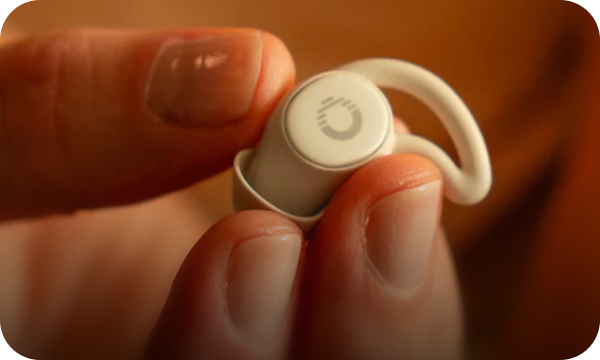
Ozlo is a science-driven, one-stop-shop for the best sleep of your life. Unlike other headphones and earbuds, our tiny Sleepbuds® are engineered to be super comfy, even for side sleepers, while blocking out sleep-disrupting sounds.
Sleepbuds® play audio for up to ten hours, letting you enjoy our noise-masking tracks or stream anything you like, including audiobooks, podcasts, white noise, and YouTube.

The Ozlo Difference
At Ozlo, we're dedicated to helping you achieve the best sleep possible through innovative audio solutions. Our company, founded by three former Bose engineers, focuses on creating products that not only help you fall asleep, but stay asleep throughout the night.
Ozlo Sleepbuds® simply don’t feel like other earbuds. Sleepbuds stay in place even when you toss and turn. The tiny earbuds, with their comfortable silicone tips and anchor-in-place wings, are designed for all-night comfort, no matter your sleeping position. Sleep on your back, side, or whatever works for you, and Ozlo Sleepbuds® will remain in place throughout the night.

Key Highlights
- Founded by three former Bose engineers with extensive experience in audio tech
- Sleepbuds® actively mask unwanted sounds like snoring, traffic, and environmental noises with calming, science-backed audio.
- Ultra-soft silicone tips designed to support every sleeping position, ensuring a secure and comfortable fit.
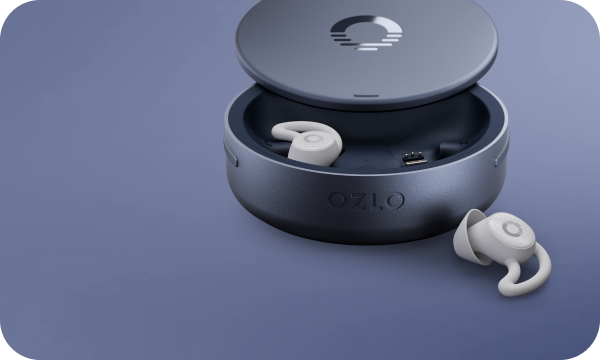
- Up to 10 hours of continuous use with extra charges from the Smart Case.
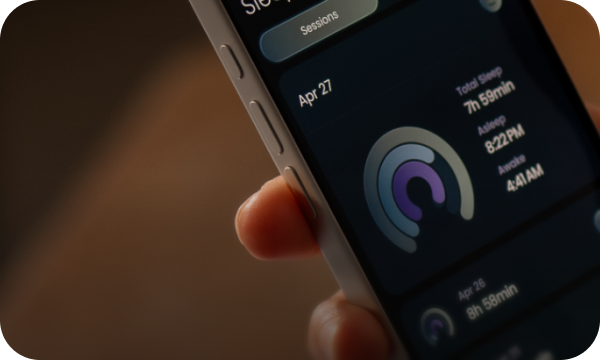
- Built-in biometric and environmental sensors offering personalized sleep reports
- Personal alarm gently wakes you without disturbing your partner
Conclusion
If you've been wondering why you’ve started snoring lately, the answer often lies in a combination of subtle yet significant changes in your body, daily habits, or sleeping environment. Factors like weight fluctuations, increased stress, changes in sleep posture, nasal congestion, or even a shift in your bedtime routine can all contribute. In some cases, snoring may be linked to aging or the side effects of medications. While occasional snoring isn't always a cause for concern, consistent or sudden snoring can sometimes point to more serious underlying conditions, such as obstructive sleep apnea.
The good news is that most causes of snoring are manageable once properly identified. Keeping track of your symptoms, evaluating recent lifestyle changes, and optimizing your sleep hygiene can significantly reduce or eliminate snoring. Prioritizing regular sleep, avoiding alcohol before bed, adjusting your sleep position, and treating nasal blockages are all effective first steps. If snoring persists or worsens, seeking medical advice ensures that any potential health issues are addressed early, helping you reclaim restful and uninterrupted sleep.
FAQs
Is it normal to start snoring as an adult if I never did before?
Yes, it's fairly common to begin snoring later in life. This can be triggered by changes in weight, sleep habits, alcohol consumption, stress levels, or the natural aging process that affects muscle tone in the throat.
Can stress or lack of sleep cause snoring?
Yes. Both stress and sleep deprivation can lead to deeper, more relaxed sleep phases where throat muscles lose tone, making snoring more likely. Chronic stress may also contribute to weight gain or poor sleep posture, indirectly increasing the risk.
How do I know if my snoring is a sign of something serious like sleep apnea?
Warning signs include loud, frequent snoring accompanied by gasping or choking during sleep, morning headaches, daytime fatigue, and poor concentration. If these symptoms are present, it's important to consult a healthcare provider or sleep specialist.
Can allergies suddenly cause snoring?
Yes. Seasonal or environmental allergies can cause nasal congestion, forcing you to breathe through your mouth during sleep, which increases the chance of snoring. Even people without a history of allergies can develop sensitivities over time.
Does my sleeping position really make a difference?
Absolutely. Sleeping on your back often worsens snoring because gravity causes the tongue and soft tissues to fall backward into the airway. Side sleeping typically helps keep the airway open and reduces the likelihood of snoring.


