











Why Did I Just Start Snoring? Understanding the Causes and What to Do Next
Snoring is one of those issues that many associate with aging or long-term habits, but what if it suddenly begins out of nowhere? You may have never snored a day in your life, yet now you find yourself waking up to complaints from your partner or even from your own disrupted sleep. If you’re asking yourself, "Why did I just start snoring?" you're not alone. In this article, we’ll explore the possible reasons behind a sudden onset of snoring, how it connects to broader health concerns, and what steps you can take to address it.

What Causes Snoring?
Snoring is more than just a noisy nighttime nuisance - it's a physical signal that something in your breathing process isn’t functioning smoothly. While it may seem like a harmless habit, especially if it’s new or infrequent, snoring can be a symptom of disrupted airflow caused by various physiological or environmental factors. When you fall asleep, the muscles in your throat, tongue, and soft palate naturally relax. In some individuals, this relaxation leads to a narrowing of the airway, partially obstructing the flow of air. As air squeezes through this tightened passage, the surrounding soft tissues vibrate and produce the sound we recognize as snoring. But not everyone experiences this the same way. Factors such as nasal congestion, weight gain, sleep posture, anatomical variations like a deviated septum or enlarged tonsils, alcohol consumption, or poor sleep hygiene can increase the likelihood of snoring. Understanding the causes behind your snoring is essential because it helps distinguish between occasional harmless snoring and signs of a more serious condition like obstructive sleep apnea. In the sections that follow, we’ll break down the most common causes to help you pinpoint what might be triggering your snoring.
Weight Gain
Even a slight increase in weight can lead to fat deposits around the neck and throat, narrowing the airway and causing snoring. If you’ve recently gained weight, particularly in the upper body, this could be a key trigger.
Sleep Position
Sleeping on your back can cause your tongue and soft palate to collapse to the back of your throat. This creates an obstruction and increases the likelihood of snoring. If you’ve recently changed sleep habits or mattress firmness, your position may be to blame.
Alcohol Consumption
Drinking alcohol relaxes the muscles in your throat and reduces your natural defense against airway obstruction. If your drinking habits have changed, especially close to bedtime, it may explain your new snoring behavior.
Age-Related Changes
As we age, the muscle tone in our throat diminishes. Even if you've never snored before, age-related tissue relaxation can lead to airway obstruction and snoring later in life.
Nasal Congestion or Allergies
Sudden snoring may also result from temporary factors like a cold, sinus infection, or seasonal allergies. These conditions can block nasal passages, forcing mouth breathing and increasing the risk of snoring.
Deviated Septum or Nasal Structural Changes
A shift in nasal anatomy due to injury or gradual cartilage changes can lead to restricted airflow and new snoring patterns. This is often overlooked but can develop at any age.
Medications
Certain medications such as sedatives, muscle relaxants, or sleep aids can relax the throat muscles excessively. If you recently started any new prescriptions, they could be contributing to snoring.
Hormonal Changes
Hormonal changes, such as those during pregnancy or menopause in women or age-related testosterone decline in men, can affect muscle tone and respiratory patterns, contributing to snoring. Water retention and weight gain during pregnancy can further narrow the airway.
Smoking
Smoking can irritate and inflame the upper airway, leading to swelling and increased snoring risk.
When Snoring Signals Something Serious
While occasional snoring is typically benign and often triggered by temporary factors like a cold or an odd sleeping position, persistent, loud, or disruptive snoring should not be dismissed. It may be a warning sign of a more serious sleep-related disorder known as obstructive sleep apnea (OSA). This condition occurs when the muscles at the back of the throat relax too much during sleep, leading to repeated blockages in the airway. Each time the airway collapses, breathing temporarily stops, sometimes for 10 seconds or longer, until the brain detects the lack of oxygen and briefly wakes the person up to resume breathing. These interruptions may happen dozens or even hundreds of times per night, severely affecting the quality of rest. Key indicators that your snoring might be linked to OSA include:
-
Gasping or choking sounds during the night: These happen when breathing is suddenly restored after an apnea episode.
-
Witnessed pauses in breathing: Often reported by a bed partner, these silent moments followed by loud snorts or gasps are classic OSA patterns.
-
Excessive daytime sleepiness: Constant sleep disruptions prevent deep, restorative sleep, leaving you feeling tired, sluggish, or drowsy even after what seemed like a full night’s rest.
-
Difficulty concentrating or memory issues: Poor sleep affects cognitive performance, leading to trouble focusing, forgetfulness, and decreased productivity.
-
Morning headaches: These may result from oxygen deprivation and disrupted sleep cycles.
-
Sore throat or dry mouth upon waking: Common in individuals who breathe through their mouths at night due to airway blockage.
If you recognize one or more of these symptoms, it’s essential not to ignore them. Untreated sleep apnea has been linked to serious health consequences, including high blood pressure, heart disease, stroke, diabetes, and an increased risk of accidents due to fatigue. A consultation with a sleep specialist or undergoing a sleep study (polysomnography) can help confirm whether OSA is present and guide appropriate treatment options. Early diagnosis is key to improving sleep quality, protecting long-term health, and restoring daytime energy.
How to Stop Sudden Snoring
Identifying the underlying cause is the first step. Once you do, the following strategies can help:
-
Lose Excess Weight: Reducing fat around the neck can open the airway.
-
Adjust Sleep Position: Try sleeping on your side instead of your back.
-
Limit Alcohol: Avoid drinking alcohol at least 4 hours before bedtime.
-
Treat Nasal Congestion: Use saline sprays, nasal strips, or antihistamines.
-
Change Medications: Talk to your doctor if you suspect a prescription is the cause.
-
Myofunctional therapy: Involving exercises to strengthen the muscles of the mouth and throat, may help improve airway muscle tone and reduce snoring in some cases.
Consider Professional Evaluation
If your snoring began suddenly and continues despite efforts to change your habits, it’s time to seek a professional evaluation. Occasional snoring is often benign, but persistent or worsening snoring can be a symptom of an underlying condition that requires medical attention.
A sleep study, known as polysomnography, is one of the most effective diagnostic tools. It monitors brain activity, breathing patterns, oxygen levels, heart rate, and movements during sleep. This comprehensive approach can detect obstructive sleep apnea (OSA), a condition in which breathing repeatedly stops during the night and may go unnoticed without monitoring.
In some cases, your healthcare provider may recommend a nasal endoscopy to assess the structure of your nasal passages or imaging tests like a CT scan to check for anatomical obstructions such as a deviated septum, enlarged tonsils, or airway narrowing.
Getting an accurate diagnosis allows for a tailored treatment plan. This could include CPAP therapy, oral appliances, or surgical correction of structural issues. Left untreated, sleep disorders like OSA can contribute to serious health problems, including high blood pressure, heart disease, stroke, and cognitive decline.
If you’ve noticed other symptoms like daytime fatigue, difficulty concentrating, headaches, or gasping during sleep, don’t delay in contacting a sleep specialist or ENT doctor. Early intervention can restore your sleep quality and protect your overall health.
Creating a Sleep-Conducive Environment
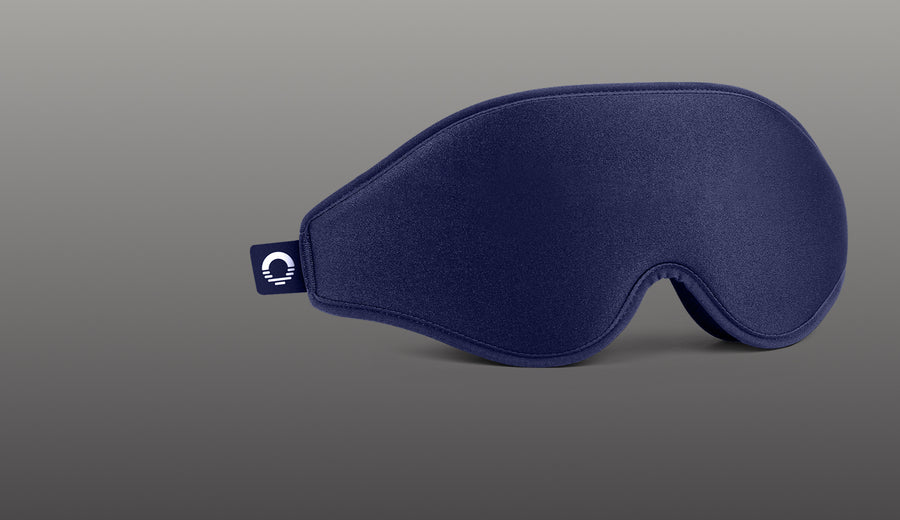
In some cases, external noise and disturbances make snoring more noticeable or disruptive. Creating a peaceful sleep setting can minimize these effects.
One effective way to block external noise and improve sleep quality is to use sound-masking devices.
Ozlo Sleepbuds®
An amazingly restful and peaceful sleep every night, free from distractions and noise, is the greatest gift you can give!

What are Ozlo Sleepbuds?
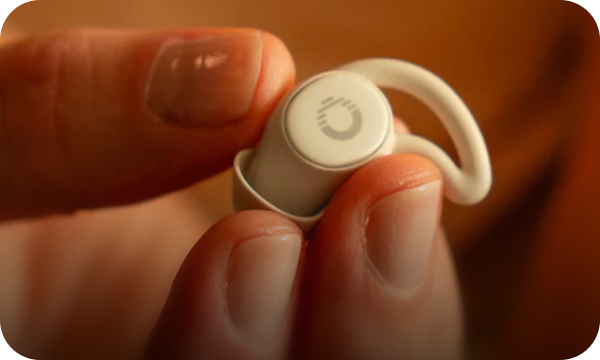
Ozlo is a science-driven, one-stop-shop for the best sleep of your life. Unlike other headphones and earbuds, our tiny Sleepbuds® are engineered to be super comfy, even for side sleepers, while blocking out sleep-disrupting sounds.
Sleepbuds® play audio for up to ten hours, letting you enjoy our noise-masking tracks or stream anything you like, including audiobooks, podcasts, white noise, and YouTube.

The Ozlo Difference
At Ozlo, we're dedicated to helping you achieve the best sleep possible through innovative audio solutions. Our company, founded by three former Bose engineers, focuses on creating products that not only help you fall asleep, but stay asleep throughout the night.
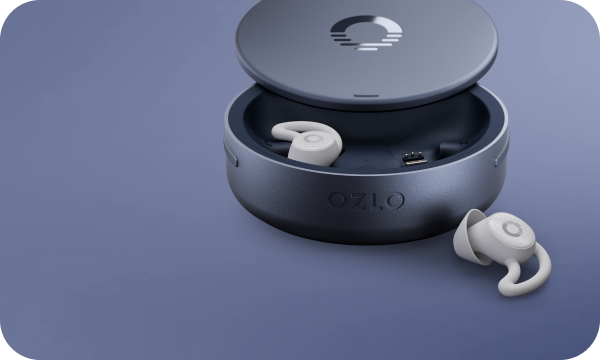
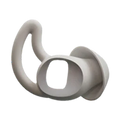
Ozlo Sleepbuds® simply don’t feel like other earbuds. Sleepbuds stay in place even when you toss and turn. The tiny earbuds, with their comfortable silicone tips and anchor-in-place wings, are designed for all-night comfort, no matter your sleeping position. Sleep on your back, side, or whatever works for you, and Ozlo Sleepbuds® will remain in place throughout the night.

Key Highlights
- Founded by three former Bose engineers with extensive experience in audio tech
- Sleepbuds® actively mask unwanted sounds like snoring, traffic, and environmental noises with calming, science-backed audio.
- Ultra-soft silicone tips designed to support every sleeping position, ensuring a secure and comfortable fit.
- Up to 10 hours of continuous use with extra charges from the Smart Case.
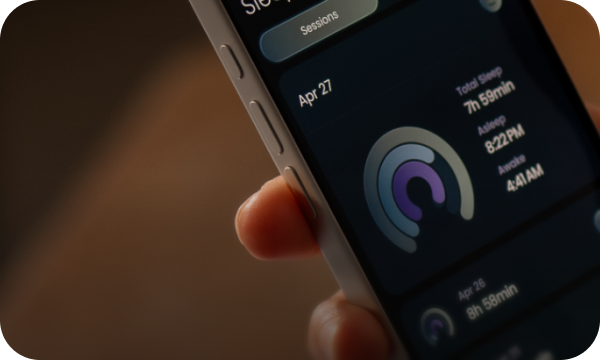
- Built-in biometric and environmental sensors offering personalized sleep reports
- Personal alarm gently wakes you without disturbing your partner
Conclusion
Snoring that starts suddenly can feel alarming, especially if it's never been an issue before. However, many of the causes are manageable with a combination of lifestyle changes, medical guidance, and sleep-enhancing tools. If your snoring is impacting your quality of life or hinting at a deeper health issue, don't ignore it. Early action can restore restful nights and protect your long-term well-being.
Remember, snoring is a symptom, not a condition itself. Understanding the "why" behind your snoring is the key to finding a lasting solution.
FAQs
Why did I suddenly start snoring even though I never did before?
Sudden snoring can be caused by factors like weight gain, nasal congestion, alcohol consumption, poor sleep posture, or the development of sleep disorders such as sleep apnea. Lifestyle changes or temporary health conditions can also play a role.
Is sudden snoring a sign of a health issue?
Not always, but if it's accompanied by symptoms like choking during sleep, gasping, extreme fatigue, or high blood pressure, it could indicate obstructive sleep apnea or another medical condition. It’s a good idea to consult a healthcare provider.
Can stress or lack of sleep cause snoring?
Yes, both stress and sleep deprivation can cause muscle relaxation in the throat and tongue, increasing the likelihood of snoring. Chronic stress may also affect breathing patterns during sleep.
Will snoring go away on its own?
In some cases, yes. If the snoring is related to a cold, allergies, or a temporary condition, it may resolve without treatment. However, if it persists or worsens, it’s best to explore the underlying causes.
When should I see a doctor about snoring?
You should see a doctor if your snoring is loud, frequent, or accompanied by signs like daytime sleepiness, gasping, or pauses in breathing during the night. These may be symptoms of sleep apnea or other sleep disorders.


