













Why Does My Cat Snore and When Should You Worry?
This article is for general information and isn't veterinary advice. If your cat is showing symptoms or you have concerns about their health, speak with a qualified veterinarian.
Cats sleep something like sixteen hours a day, and most of them do it in near silence. So the first time a low rattle drifts up from the foot of the bed, it lands as strange before it lands as cute.
Why does my cat snore? Something has narrowed the airway while the muscles around it went slack. That's the short answer, and it's usually harmless. Still, cat snoring turns up less often in cats than in dogs, which makes it worth knowing when the sound points at something a vet should see.
Key Takeaways
-
Snoring starts when relaxed tissue in the nose and throat vibrates as air pushes past it.
-
Flat-faced breeds, extra weight, and strange sleeping positions account for most of what you'll hear.
-
A cat who has rattled quietly since kittenhood is almost always fine.
-
Change is the thing to watch. Snoring that appears out of nowhere, or keeps getting louder, is worth a vet's opinion.
-
Snoring broken up by pauses, gasping, or choking sounds points at sleep apnea and needs a vet.
Cat Snoring vs Purring and Other Sleep Sounds
Not every sound a sleeping cat makes is a snore, and telling them apart saves you either a worry or a wasted month. Purring gets mistaken for snoring constantly. Two other noises, stertor and stridor, fool most owners while pointing at something more serious.
|
Sound |
What you hear |
Awake or asleep |
Concern level |
|
Snoring |
Low rattle, loudest on the exhale |
Asleep only |
Usually none |
|
Purring |
Steady hum running through inhale and exhale alike |
Either |
None |
|
Stertor |
Wet, congested, snore-like |
Often awake too |
Call your vet |
|
Stridor |
Thin, high whistle |
Either |
Same-day care |
Timing separates them. Snoring stops when your cat wakes up. Stertor and stridor don't.
Do Cats Snore and What Causes the Sound
Air moving through a wide, open passage makes no sound. Narrow that passage and the airflow turns turbulent, dragging against soft tissue and setting it vibrating. That vibration is what you hear.
Deep sleep is when the narrowing happens. Muscle tone falls across the whole body during the deepest non-REM stages, the soft palate and throat walls included. Tissue that held its shape all day goes loose, the airway gives up a little diameter, and breathing that was silent an hour earlier starts to buzz.
The same physics drives human snoring, which is why weight, anatomy, congestion, and sleeping position show up on both lists.
Common Causes of Cat Snoring

Awkward Sleeping Positions
Cats fall asleep in shapes that would send a physiotherapist into early retirement. Head hanging off a shelf, chin mashed into a cushion, neck folded at an angle nothing should fold at. Any of these kinks the upper airway just enough to start a rattle, and it stops the moment they roll over.
Flat-Faced Cat Breeds
Persians, Himalayans, Burmese, British Shorthairs, and Exotic Shorthairs all carry shortened facial bones. The skull got compressed over generations of breeding, but the soft tissue inside didn't shrink to match.
Three features do most of the damage.
-
Narrow nostrils, which restrict air before it gets anywhere
-
A soft palate too long for the mouth holding it, partly covering the entrance to the windpipe
-
A sinus system packed into less room than it needs
For these breeds, snoring is close to a factory setting. The same anatomy explains it when your dog snores loudly, since flat-faced dogs run into an identical problem.
Extra Weight
Fat deposits around the neck and throat press inward on an airway already about as wide as a drinking straw. Weight-related snoring arrives slowly, which makes it easy to miss until a visitor points it out. The same extra pounds raise the odds of diabetes, arthritis, and urinary tract disease.
Judging weight by eye is unreliable under long fur, so vets use a body condition score instead, a nine-point scale where five is ideal and most pet cats land at six or seven. A rough version takes ten seconds at home.
-
Lay flat fingers along the ribcage and press gently. Ribs you can feel under a thin layer means a healthy weight
-
Ribs you have to hunt for means there's work to do
-
Looking down from above, a slight inward curve behind the ribs should be visible
Upper Respiratory Infections and Cat Flu
Feline herpesvirus and calicivirus sit behind most cases of what people call cat flu, and a congested cat snores for the same reason a congested person does. Nasal tissue swells, mucus fills what space is left, and airflow has nowhere quiet to go. Expect sneezing, runny eyes, and a flatter mood alongside it.
Allergies, Irritants, and Dry Air
Pollen, dust mites, mold, and litter dust all irritate the nasal lining, and chronic rhinitis keeps it inflamed long after the trigger has gone. Bone-dry indoor air does something similar by parching the mucous membranes. Snoring that comes and goes with the seasons, or shows up when the heating does, usually traces back here.
Dental Disease and Tooth Root Abscesses
The roots of a cat's upper teeth sit close enough to the nasal cavity that an infected tooth can push inflammation straight up into it. The swelling narrows the passage and produces snoring that no amount of repositioning will fix. Look for bad breath, drooling, or a cat who has started chewing on one side only.
Nasal Blockages, Polyps, and Tumors
A blade of grass or a seed can lodge behind the soft palate and stay there. Signs start abruptly, usually alongside sneezing fits or pawing at the face. Polyps and tumors are rarer and build gradually over weeks or months, which is why a slow, steady increase in snoring deserves attention rather than patience.
Don't try to retrieve anything yourself, even if you can see it. Nasal tissue tears easily, and a half-removed object usually ends up lodged further in than where it started.
Age and Senior Cats
Muscle tone falls off as cats get older, and the soft palate is no exception. A cat who slept in silence at four can develop a soft rattle at fourteen for no reason beyond slacker tissue.
Arthritis compounds it, since stiff hips and a sore neck push senior cats into sleeping positions they'd have avoided in their prime. Older immune systems also clear respiratory infections less efficiently, so a bug a young cat shrugs off in three days can drag on for weeks.
Has Your Cat Always Snored, or Did It Start Recently?
Two cats can snore at identical volume and be in completely different situations. What separates them is whether the sound is old news or new information.
-
Always snored, otherwise well. This is your cat's baseline. Mention it at the next wellness exam and leave it there.
-
Snored before, louder now. Something has been added on top of the baseline. Book an appointment without panicking.
-
Never snored, now does. New sound means new cause. Get it looked at.
When to Worry About Cat Snoring

Signs Worth a Vet Appointment
-
Discharge from the nose or eyes
-
Sneezing that keeps up for more than a day or two
-
Eating or drinking less than usual
-
Lethargy, hiding, or a drop in play
-
Noise that carries on while your cat is awake
Signs That Need Same-Day Care
-
Open-mouth breathing, which is never normal in a cat at rest
-
Gasping with the neck stretched forward
-
Gagging or retching between breaths
-
Visible effort on each breath
-
Gums tinged blue or grey
Cornell's Feline Health Center is blunt about that second list, warning that a cat struggling to breathe faces real risk without prompt treatment. Their guidance on labored breathing is worth reading before you need it.
What a Vet Will Check and Treat
A first visit runs to a physical exam, a history, and imaging if anything looks off. Bring a phone recording of the sound. Treatment then tracks whatever turns up.
-
Infections clear with antibiotics or antiviral support
-
Allergies respond to antihistamines or steroids
-
A lodged foreign body comes out under sedation
-
Polyps are removed surgically and biopsied
-
Flat-faced cats whose breathing genuinely limits them may be offered surgery to widen the nostrils or shorten an overlong soft palate
Cat Snoring and Sleep Apnea

Cats can develop obstructive sleep apnea. It's uncommon, and most snoring cats don't have it, but it sits at the serious end of everything on this page.
How to Tell Snoring From Sleep Apnea
Ordinary snoring is continuous. The airway narrows, the tissue vibrates, and the sound keeps a rhythm you could set a metronome to.
Apnea breaks that rhythm. The airway closes completely for a few seconds, the sound stops, and then breathing restarts with a gasp, a snort, or a choking noise as the cat surfaces briefly out of sleep. Those pauses are the sign to watch for, not the volume.
Which Cats Are Most at Risk
Flat-faced cats already have compressed sinuses, a crowded soft palate, and often a narrower windpipe, so there's little margin left when the tissue relaxes. Overweight cats lose their margin from the outside in. A cat carrying both risks at once is the classic case.
Daytime signs matter as much as nighttime ones, since a cat repeatedly pulled out of deep sleep never gets the restorative rest they need.
-
Unusual tiredness or a drop in interest in play
-
Irritability that seems out of character
-
Sleeping propped upright with the head raised, which keeps the airway open
There's no feline CPAP, so treatment targets the underlying cause rather than the breathing itself.
How to Reduce Your Cat's Snoring
Snoring that comes from the shape of a cat's skull can't be fixed at home, and no amount of pillow arrangement will change that. The causes that respond to weight and environment are a different story.
What Helps
-
Weight loss on a plan your vet sets. Measure meals by cup or scale rather than pouring by eye, since free-feeding is where most of the drift comes from
-
Ten or fifteen minutes of wand or laser play a day, which does more than a food swap alone
-
Weigh-ins every fortnight. Feline weight loss has to be slow, because crash dieting a cat risks hepatic lipidosis
-
A humidifier near the sleeping spot, which loosens dried nasal membranes in heated rooms
-
Low-dust litter, washed bedding, and vacuuming near favorite napping furniture
What Won't Help
-
Repositioning a sleeping cat, which buys you about four minutes
-
Over-the-counter snoring remedies, none of which are formulated for cats
-
Waiting out a snore that started last week, since the sudden causes are the ones worth catching early
Our guide on how to get your dog to stop snoring covers the same ground from the canine side.
How to Sleep Through a Snoring Cat

Say the vet visit goes well. Clean bill of health, nothing structural, nothing to treat. Your cat still sounds like a small outboard motor at three in the morning, and you're still awake.
You have three options.
-
Move the cat out of the bedroom, which works until the door starts getting scratched
-
Move yourself, which solves the noise and creates a different problem
-
Leave the arrangement alone and deal with the sound instead
That third route is where noise-masking audio earns its place. A cat's snore is intermittent and unpredictable, the exact profile that defeats any attempt at pure silence, since a quiet room makes every irregular rattle land harder.
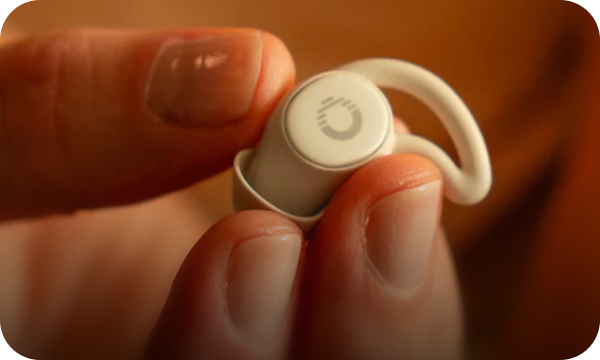
Block and replace works better. Our Sleepbuds® seal out part of the noise passively, then lay a steady engineered sound over the rest, so sleep-disrupting sounds stop registering as events that pull you awake.

Two details matter for this particular problem.
-
At 1.6 grams each, they sit flush enough to sleep on your side, which counts for something once a cat has claimed most of the pillow
-
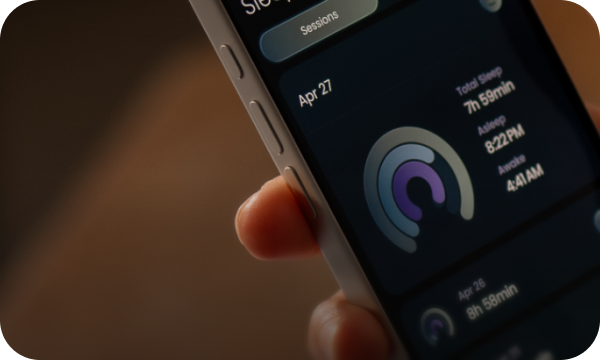
Battery runs the full night, so the masking is still going at three in the morning when the rattling starts up again
If a healthy cat is costing you sleep, Ozlo Sleepbuds® are built for this kind of night.
Tracking Your Cat's Normal Snoring
A snore you've lived with for years only works as a comparison point if you can prove what it used to sound like. Nobody remembers that accurately four months on, and "it seems louder lately" gives a vet almost nothing to work with.
Building the record takes about a minute a month.
-
Record thirty seconds on your phone tonight
-
Note the date, rough volume, sleeping position, and whether your cat was fully asleep
-
Repeat every couple of weeks
Two recordings three months apart tell a vet more in ten seconds than a paragraph of description will.
Frequently Asked Questions
Is it normal for cats to snore?
Snoring is less common in cats than in dogs, but plenty of healthy cats do it. Occasional soft snoring during deep sleep, with no other symptoms and no recent change in volume or frequency, generally reflects normal anatomy rather than a problem.
Why did my cat suddenly start snoring?
Sudden snoring usually means something new has narrowed the airway. Common culprits include an upper respiratory infection, seasonal allergies, recent weight gain, or something inhaled and lodged in the nasal passage. New snoring deserves a vet's assessment rather than a wait-and-see approach.
Do kittens snore?
Kittens snore far less than adult cats because their airways are clear and their muscle tone is high. A kitten who snores regularly is worth mentioning to your vet, since it can indicate a congenital airway abnormality or an early respiratory infection that responds well to prompt treatment.
Can secondhand smoke make my cat snore?
Yes. Smoke and vape aerosol irritate the nasal lining and throat, and chronic exposure keeps that tissue inflamed and narrowed. Cats also groom residue out of their fur, which adds a second exposure route. Smoking outdoors and away from the cat reduces both.
Does a humidifier help with cat snoring?
It can, when dry air is part of the picture. Adding moisture keeps nasal membranes from drying and thickening, which eases airflow. Keep the unit clean, run it at moderate settings, and skip essential oil diffusers entirely, since many oils are toxic to cats.why does my cat snore


