









Snoring When Awake: What’s Going On?
Snoring is usually something people expect to hear when someone’s out cold on the couch or deep into sleep. But what if a similar noise shows up while someone is still awake? It might sound strange, but noisy breathing, sometimes described as snore-like, can occur in certain situations.
This article takes a closer look at what these sounds might mean, how they happen, and the different factors that can bring them on.

What Is Snoring – and Can It Happen While You're Awake?
Snoring is that familiar vibrating sound that occurs when airflow gets partially blocked as it moves through the nose and throat. It’s typically tied to sleep, since the muscles in the throat tend to relax when the body is resting. This relaxation can narrow the airways. As air passes through those tighter spaces, the surrounding soft tissues may vibrate, and that’s what causes the snoring sound.
While the term "snoring" is most often used for sleep-related sounds, people can also experience snore-like or noisy breathing during wakeful periods. It might show up during quiet moments, like reclining on the couch, getting drowsy, or even mid-conversation. These sounds can range from heavy breathing to intermittent vibrations. The person making the sound may not notice it themselves, but others around them often do.
Why Snoring Might Happen While Awake
There isn’t just one explanation for this kind of breathing. It’s usually a mix of physical traits, habits, or other contributing factors.
-
Airway Muscle Relaxation: In deeply relaxed states, such as when someone is about to doze off or is lying in a reclined position, throat muscles may slightly loosen. In some people, this can affect airflow and create audible sounds.
-
Nasal or Mouth Breathing: Breathing through the mouth, especially when the nose is congested, can produce louder, raspier sounds. This can resemble snoring but doesn't necessarily involve the same mechanisms.
-
Structural Narrowing: Some individuals have naturally narrower airways or features like a high-arched palate, large tonsils, or specific jaw structures. These can affect how air moves through the upper airway, sometimes causing airflow noise during breathing.
-
Breathing Sound Variation: Not all sounds that resemble snoring come from the same place. Some may result from changes in airflow or the shape of the upper airway during relaxed breathing. While these are not true snores in the medical sense, they can sound similar.
Is It Always Related to Sleep Disorders?
Not necessarily. Noisy breathing or snore-like sounds while awake don’t automatically indicate a health issue. Still, in some cases, they could overlap with patterns also seen in sleep-related breathing disturbances.
Breathing Patterns and Sleep Apnea
Snore-like sounds during wakefulness are not directly linked to sleep-related conditions like apnea, though individuals with noisy daytime breathing may benefit from monitoring sleep patterns if other symptoms arise.
While these sounds alone are not a diagnosis, they could be one of several signs that it may be helpful to monitor breathing habits more closely, especially if other symptoms like poor sleep or frequent tiredness are also present.
Common Contexts Where It Might Occur
These kinds of sounds can show up during certain activities or states of relaxation. Some common contexts include:
-
Before falling asleep: As the body eases into sleep, the airway may begin to relax, even before full sleep kicks in.
-
During deep relaxation: Lying down and zoning out, while reading, watching TV, or resting, can bring on this kind of breathing.
-
After physical activity: Heavy breathing after a workout or brisk walk might be louder than usual, especially if done through the mouth. While this isn’t the same as snoring, it may be mistaken for it.
-
When extremely tired: Deep fatigue can lower muscle tone, which might temporarily affect breathing and cause heavier or more audible breath sounds.
How to Manage Snore-Like Sounds While Awake
If snore-like sounds are happening more often than you'd like, there are a few simple habits and adjustments that might help reduce them:
Ozlo Sleepbuds®
An amazingly restful and peaceful sleep every night, free from distractions and noise, is the greatest gift you can give!

What are Ozlo Sleepbuds?
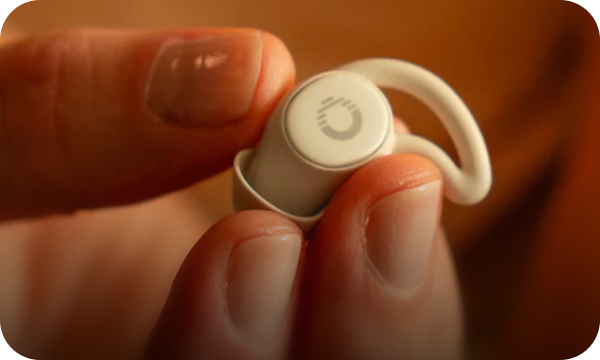
Ozlo is a science-driven, one-stop-shop for the best sleep of your life. Unlike other headphones and earbuds, our tiny Sleepbuds® are engineered to be super comfy, even for side sleepers, while blocking out sleep-disrupting sounds.
Sleepbuds® play audio for up to ten hours, letting you enjoy our noise-masking tracks or stream anything you like, including audiobooks, podcasts, white noise, and YouTube.

The Ozlo Difference
At Ozlo, we're dedicated to helping you achieve the best sleep possible through innovative audio solutions. Our company, founded by three former Bose engineers, focuses on creating products that not only help you fall asleep, but stay asleep throughout the night.
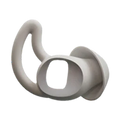
Ozlo Sleepbuds® simply don’t feel like other earbuds. Sleepbuds stay in place even when you toss and turn. The tiny earbuds, with their comfortable silicone tips and anchor-in-place wings, are designed for all-night comfort, no matter your sleeping position. Sleep on your back, side, or whatever works for you, and Ozlo Sleepbuds® will remain in place throughout the night.

Key Highlights
- Founded by three former Bose engineers with extensive experience in audio tech
- Sleepbuds® actively mask unwanted sounds like snoring, traffic, and environmental noises with calming, science-backed audio.
- Ultra-soft silicone tips designed to support every sleeping position, ensuring a secure and comfortable fit.
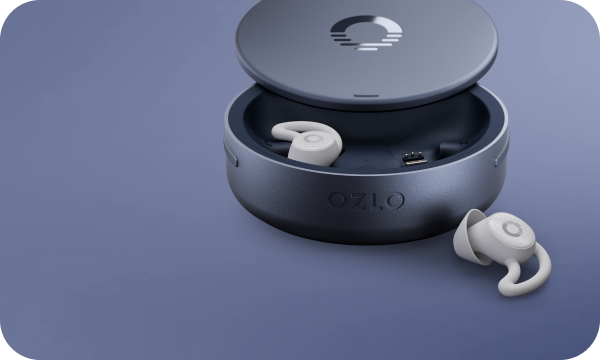
- Up to 10 hours of continuous use with extra charges from the Smart Case.
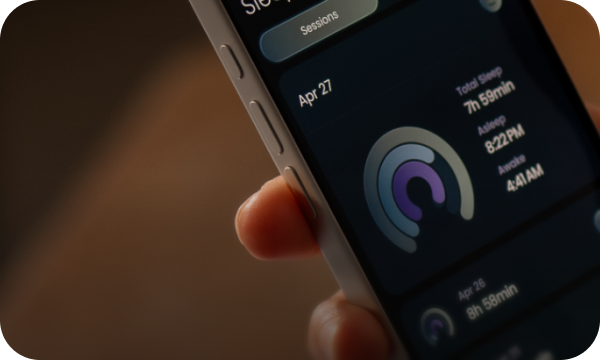
- Built-in biometric and environmental sensors offering personalized sleep reports
- Personal alarm gently wakes you without disturbing your partner
-
Try adjusting your posture: Sitting upright or changing your head position can help keep airways a bit more open and may reduce noisy breathing.
Stay hydrated: Dry airways can contribute to louder breath sounds. Drinking water throughout the day may help keep things smoother. -
Check your environment: Dry indoor air or allergens can irritate your nose or throat. Using a humidifier or keeping your space clean may make a difference.
-
Practice nasal breathing: Breathing through the nose instead of the mouth can often lead to quieter, more controlled airflow.
-
Take note of patterns: If the sounds happen mostly at certain times, like after a workout or during screen time in bed, identifying those patterns can help you make small changes to your routine.
These aren’t medical treatments or solutions, but they can be simple ways to reduce the types of breathing sounds often described as 'snore-like.'
Things to Keep in Mind
Snore-like sounds while awake are usually harmless. But if they happen frequently, or are noticed alongside other things like tiredness, disrupted sleep, or difficulty focusing, it might be worth paying attention. If the sounds are persistent or seem connected to other changes in daily comfort, it may be helpful to explore the situation further with a qualified professional.
Conclusion
Snoring while awake isn’t something people usually expect, but it happens. Whether it’s during a quiet moment on the couch or just before drifting off, that sudden snore can catch everyone off guard. In many cases, it’s simply a mix of how someone breathes, how relaxed their body is, and the natural structure of their airways.
It doesn’t always signal something deeper, but if it keeps happening or starts to affect daily comfort, it’s worth paying attention to. Understanding what might be behind it is a solid first step toward figuring out what’s going on.
FAQs
Can you really snore while you're still awake?
Yes, it’s possible. Some people make snoring-like sounds during quiet moments, especially when they’re relaxed, reclined, or almost asleep. It’s more common than most people realize.
Why would someone snore when they’re not sleeping?
It usually comes down to how air moves through the throat and nose. Things like tiredness, mouth breathing, or certain physical features can all play a part.
Is snoring while awake something to worry about?
Not always. It can happen occasionally without meaning anything serious. But if it’s frequent or paired with other signs like tiredness or irregular breathing, it might be a good idea to look into it further.
Can posture or position affect it?
Definitely. Lying on the back or reclining in a certain way can cause the muscles in the throat to relax, which might trigger that snoring sound even when the person isn’t fully asleep.
How would someone know if they snore while awake?
Often, they don’t notice it themselves. It’s usually someone nearby who hears it and points it out. In some cases, people catch it when they hear recordings or pay attention during quiet moments.
Does snoring while awake mean you’re about to fall asleep?
Not necessarily. It can happen before sleep, but also during moments of deep relaxation or tiredness when the body is still awake.


