










Snoring in Pregnancy: Causes, Solutions, and What to Expect
Snoring during pregnancy is a common issue that affects many expecting individuals, and it’s often more than just a minor annoyance. For some, it becomes a nightly problem that not only disrupts their own sleep but also affects their partner's ability to rest. As your body undergoes various changes during pregnancy, it’s not uncommon for snoring to become more frequent and more intense. The good news is that, for many, this condition improves after childbirth. However, if you’re wondering whether your snoring will go away after pregnancy, you’re not alone in your concerns. Understanding the causes behind pregnancy-related snoring and knowing the available solutions can help you better manage your sleep quality during this unique and sometimes challenging time. By addressing these factors, you can ensure that both you and your baby get the rest you need for a healthier pregnancy.

Why Does Snoring Occur During Pregnancy?
During pregnancy, your body undergoes significant changes that can lead to snoring. The most common causes include:
-
Hormonal Changes: The surge in hormones like estrogen and progesterone can lead to nasal congestion and swelling in the upper airway. These changes narrow the airflow, making it more difficult to breathe through the nose and increasing the likelihood of snoring.
-
Fluid Retention: Pregnant individuals experience increased blood volume and fluid retention. When you lie down, these fluids can accumulate around the neck and airway, restricting airflow and triggering snoring.
-
Weight Gain: As your body weight increases, the tissues around the neck may enlarge, further narrowing the airway. This is especially noticeable in the second and third trimesters.
-
Other Contributing Factors: Other contributing factors include pre-existing obesity, sleeping on your back, or anatomical traits like a narrow airway, which can exacerbate snoring during pregnancy.
When Does Snoring Begin and How Long Does It Last?
Snoring often begins in the second trimester of pregnancy, as the body starts to experience more noticeable physical changes. It typically becomes more frequent and pronounced during the third trimester, when weight gain and fluid retention are more significant.
For many, the good news is that snoring tends to subside after childbirth as the body returns to its pre-pregnancy state. However, not everyone will experience a complete cessation of snoring post-pregnancy. The persistence of snoring depends on individual factors such as weight gain, sleeping positions, and the presence of other medical conditions like sleep apnea.
Can Snoring Be a Sign of a Health Issue During Pregnancy?
While snoring itself is often harmless, it can sometimes indicate a more serious health condition, especially when combined with other symptoms. In some cases, snoring during pregnancy is linked to:
-
Obstructive Sleep Apnea (OSA): Snoring is a common symptom of OSA, a condition where breathing stops and starts repeatedly during sleep. This can cause fragmented sleep and lead to poor oxygen levels, which may impact both the individual and the fetus.
-
Hypertension and Preeclampsia: Studies have shown that snoring during pregnancy is associated with elevated blood pressure and preeclampsia, a pregnancy-related complication. This makes it essential to monitor any snoring that is persistent or particularly loud.
-
Gestational Diabetes: Some research suggests a link between snoring during pregnancy and gestational diabetes, which is marked by elevated blood sugar levels.
If you notice frequent, loud snoring, or if it's accompanied by other symptoms like fatigue or difficulty breathing, it's important to consult with your healthcare provider.
Tips for Improving Overall Sleep During Pregnancy
Getting restful and quality sleep is essential during pregnancy, as it supports the health and well-being of both the mother and the developing baby. Poor sleep can lead to an array of issues, including a weakened immune system, increased stress levels, and complications such as preterm birth or gestational diabetes. Therefore, improving sleep quality during pregnancy is crucial for maintaining energy levels and ensuring a healthy pregnancy. Here are some tips to help improve overall sleep during pregnancy:
Why Sleep Is Important for Maternal and Fetal Health
Sleep plays a vital role in pregnancy by allowing the body to recharge, manage stress, and support critical bodily functions. During sleep, the immune system strengthens, the body processes nutrients, and hormone levels stabilize - all essential for fetal development. Poor sleep, on the other hand, can contribute to elevated stress hormones, inflammation, and poor glucose regulation, which may increase the risk of pregnancy complications.
Sleep Hygiene Tips
Maintaining good sleep hygiene is essential to achieving restful sleep during pregnancy. Here are some practical ways to create an optimal sleep environment:
-
Cool, Dark, and Quiet Room: Make sure your bedroom is dark, quiet, and cool. A dark and quiet environment can help promote better sleep by reducing external distractions.
-
Limit Fluid Intake Before Bed: To avoid frequent trips to the bathroom during the night, try to limit your intake of fluids a couple of hours before bed.
-
Establish a Regular Sleep Schedule: Going to bed and waking up at the same time every day helps regulate your body’s internal clock and improves overall sleep quality.
The Role of Relaxation
Pregnancy can be a physically and emotionally demanding time, so relaxation is key to winding down before bed. Incorporating relaxation techniques can help prepare your body for rest and reduce the likelihood of restless nights:
-
Gentle Stretches: Stretching before bed can relax your muscles, ease tension, and promote circulation.
-
Meditation or Deep Breathing: Meditation or mindfulness exercises can calm the mind, reduce anxiety, and prepare your body for sleep.
-
Reading or Soothing Music: Relaxing activities like reading a book or listening to calming music can help ease the transition into a peaceful sleep.
Other Remedies for Managing Snoring During Pregnancy
Snoring during pregnancy can disrupt your sleep and that of your partner. While lifestyle adjustments like sleeping positions and nasal remedies can help, there are also other strategies that can further reduce or prevent snoring. Here are some natural remedies and specialized devices designed to ease snoring during pregnancy:
Natural Methods
Certain natural remedies can help alleviate nasal congestion and relax the airway, making breathing easier and potentially reducing snoring:
-
Essential Oils: Oils such as eucalyptus, peppermint, or lavender can be used in a diffuser or applied topically (diluted) to clear nasal passages and reduce congestion. These oils can promote easier breathing and help prevent airway blockages during sleep.
-
Herbal Teas: Herbal teas like chamomile, ginger, and peppermint have natural soothing properties that may help relax the muscles in the throat and reduce inflammation, leading to less snoring.
Specialized Sleep Devices
There are also various devices that can help reduce airway restriction during sleep and improve breathing, which may reduce snoring:
-
Nasal Dilators: These devices are designed to gently open the nasal passages, making it easier to breathe through your nose while you sleep. Nasal dilators can be particularly effective for those who experience snoring due to nasal congestion.
-
Anti-Snore Pillows: Specialized pillows are designed to provide better support for your head, neck, and spine while sleeping. These pillows promote proper alignment and help reduce the chances of airway obstruction, which can alleviate snoring.
-
Pregnancy Sleep Pillows: A pregnancy pillow or wedge pillow can provide additional support for side sleeping, which is recommended during pregnancy. This can help maintain an optimal sleeping position that minimizes snoring caused by sleeping on your back.
These remedies and devices can be helpful in reducing snoring during pregnancy, ensuring you get better quality sleep without disturbing your partner or compromising your health.
A Solution to Improve Your Sleep During Pregnancy
If you find that snoring is disrupting your sleep or that of your partner, it can be incredibly frustrating, especially during pregnancy when restful sleep is crucial. While lifestyle changes and sleep position adjustments can help alleviate some of the discomforts, external factors such as a partner’s snoring can still interfere with your ability to sleep soundly.
Ozlo Sleepbuds®
An amazingly restful and peaceful sleep every night, free from distractions and noise, is the greatest gift you can give!

What are Ozlo Sleepbuds?
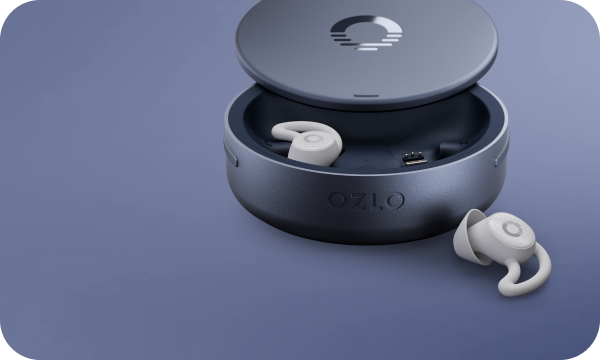
Ozlo is a science-driven, one-stop-shop for the best sleep of your life. Unlike other headphones and earbuds, our tiny Sleepbuds® are engineered to be super comfy, even for side sleepers, while blocking out sleep-disrupting sounds.
Sleepbuds® play audio for up to ten hours, letting you enjoy our noise-masking tracks or stream anything you like, including audiobooks, podcasts, white noise, and YouTube.

The Ozlo Difference
At Ozlo, we're dedicated to helping you achieve the best sleep possible through innovative audio solutions. Our company, founded by three former Bose engineers, focuses on creating products that not only help you fall asleep, but stay asleep throughout the night.
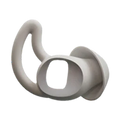
Ozlo Sleepbuds® simply don’t feel like other earbuds. Sleepbuds stay in place even when you toss and turn. The tiny earbuds, with their comfortable silicone tips and anchor-in-place wings, are designed for all-night comfort, no matter your sleeping position. Sleep on your back, side, or whatever works for you, and Ozlo Sleepbuds® will remain in place throughout the night.

Key Highlights
- Founded by three former Bose engineers with extensive experience in audio tech
- Sleepbuds® actively mask unwanted sounds like snoring, traffic, and environmental noises with calming, science-backed audio.
- Ultra-soft silicone tips designed to support every sleeping position, ensuring a secure and comfortable fit.
- Up to 10 hours of continuous use with extra charges from the Smart Case.
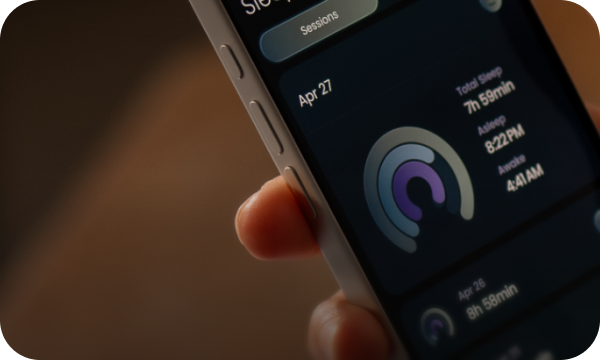
- Built-in biometric and environmental sensors offering personalized sleep reports
- Personal alarm gently wakes you without disturbing your partner
Will Snoring Go Away After Pregnancy?
For most people, snoring improves after childbirth as the body returns to normal. Swelling around the airway decreases, and the hormonal changes that contributed to snoring subside. However, if you gained significant weight during pregnancy or had underlying issues such as obstructive sleep apnea, snoring may persist.
In some cases, snoring after pregnancy can be a sign of ongoing issues like sleep apnea. If snoring continues after childbirth, it's important to consult with your doctor, especially if you had any pregnancy complications like high blood pressure or gestational diabetes.
Conclusion
Snoring during pregnancy is common, and for many, it improves after childbirth. The physical changes that contribute to snoring, such as hormonal fluctuations, weight gain, and fluid retention, typically resolve after pregnancy. However, if snoring persists or is accompanied by other symptoms, it could indicate a more serious health condition like obstructive sleep apnea or hypertension.
Managing snoring during pregnancy through lifestyle changes, proper sleep positions, and natural remedies can help ensure a restful night’s sleep for both you and your partner. If snoring continues after pregnancy, it's advisable to consult with a healthcare provider to rule out any underlying health issues.
FAQs
Does snoring during pregnancy always go away after childbirth?
Not always. While snoring often improves after childbirth, it may persist in some individuals, particularly if they gained significant weight during pregnancy or have other underlying health issues.
Is snoring a sign of sleep apnea during pregnancy?
Snoring can be a symptom of obstructive sleep apnea, especially if it’s loud and frequent. It’s important to consult with a healthcare provider if you suspect sleep apnea.
How can I reduce snoring during pregnancy naturally?
Sleeping on your side, using nasal strips, and avoiding alcohol and sedatives can help reduce snoring. Pregnancy pillows or wedge pillows can also promote side-sleeping positions and reduce airway restriction.


