







My Newborn Is Snoring: What Does It Mean and When Should I Worry?
Snoring in newborns can catch many new parents off guard. You expect soft coos, maybe hiccups, but hearing your tiny baby snore can feel alarming. Is it normal? Is it dangerous? Should you call the pediatrician? The good news is that in many cases, newborn snoring is harmless and temporary. Still, there are situations where it could signal something more serious.
In this guide, we’ll explore the most important facts about newborn snoring, what causes it, how to tell when it’s a problem, and what steps you should take next. Whether you're a first-time parent or adding another member to the family, this article offers practical, science-backed insights into your baby’s nighttime noises.

Is It Normal for Newborns to Snore?
Yes - mild snoring or noisy breathing is common in newborns. Their airways are incredibly small and still developing. Even a little bit of mucus, dryness, or pressure can cause vibrations that result in snore-like sounds. In most cases, this is not a sign of a health issue and resolves on its own as the baby grows.
The soft structures in a newborn’s nose and throat are very sensitive. When these tissues shift during sleep or if airflow becomes slightly obstructed, a snoring sound can occur. Unlike adult snoring, which is often caused by weight or muscle relaxation, newborn snoring is typically due to small, developing airways and anatomical factors like congestion or laryngomalacia.
Most Common Causes of Newborn Snoring
Understanding what causes snoring in newborns can help you respond appropriately. Here are the top causes:
1. Stuffy Nose
A newborn’s nasal passages are tiny. Even a small amount of mucus from a cold, dry air, or environmental irritants can cause congestion. This is the most common reason babies snore.
-
Use of saline drops and a nasal aspirator can help
-
Humidifiers may reduce nighttime congestion
2. Laryngomalacia
This condition involves a soft, floppy larynx (voice box) that partially collapses over the airway when breathing. It’s the most common cause of persistent noisy breathing in infants.
-
Usually resolves on its own by 18 to 24 months
-
More noticeable when baby is lying on their back
-
Consult a doctor if symptoms seem severe or interfere with feeding
3. Deviated Septum
A deviated septum occurs when the wall between the nostrils is off-center. This can be congenital or due to birth trauma. While often harmless, it can make breathing noisier.
-
May improve as the baby grows
-
Pediatric assessment can confirm if there’s a concern
4. Secondhand Smoke Exposure
Babies exposed to cigarette smoke, dust, pet dander, or other allergens are more likely to have airway inflammation, which can lead to snoring. Smoke exposure is linked to many respiratory issues in infants and should be avoided entirely.
5. Feeding Method
Limited studies suggest breastfeeding may reduce respiratory infections, potentially lowering snoring risk, but more research is needed.
6. Congenital Conditions
Certain birth conditions, like Down syndrome or craniofacial abnormalities, can contribute to airway obstruction and snoring. These are usually diagnosed early and come with a clear treatment plan.
What Snoring Sounds Mean
It’s easy to confuse true snoring with other newborn sounds. Here’s how to differentiate:
-
Snoring: Low, vibrating noise, often during inhalation, consistent in tone
-
Stridor: High-pitched and harsh, caused by upper airway blockage
-
Wheezing: Musical-sounding, usually on exhalation, suggests lower airway involvement
-
Crackles: Popping or bubbling noises linked to fluid in the lungs
-
Gasping: May indicate breathing difficulties, potentially linked to apnea, but requires medical evaluation.
Recording your baby’s nighttime sounds can be helpful for the pediatrician. Always note patterns, volume, and associated behaviors.
When to Be Concerned
Most infant snoring isn’t dangerous. However, persistent or severe symptoms may point to an underlying problem. Contact your pediatrician if you notice:
-
Long pauses in breathing (10 seconds or more)
-
Loud or frequent snoring (more than 3 nights per week)
-
Poor feeding or slow weight gain
-
Blue lips or skin
-
Labored breathing, flaring nostrils, or visible chest retractions
-
Sleeping with the neck extended backward
-
Chronic mouth breathing or dry mouth
These symptoms could indicate obstructive sleep apnea, central sleep apnea, or a structural airway issue. Sleep studies or endoscopic exams may be recommended in such cases.
What You Can Do at Home
While many causes of snoring resolve on their own, you can take supportive measures to ease your baby's breathing:
-
Saline nasal drops: Loosens mucus safely
-
Bulb syringe or aspirator: Clears nasal passages
-
Cool-mist humidifier: Adds moisture to dry air
-
Elevate head slightly: Avoid elevating the crib unless specifically advised by a pediatrician, as flat sleep surfaces are safest to reduce SIDS risk.
-
Breastfeed if possible: Supports overall respiratory health
-
Avoid smoke and allergens: Keep baby’s sleep space clean and well-ventilated
Sleep Apnea in Infants
While rare, sleep apnea can occur in babies. There are two main types:
-
Obstructive Sleep Apnea (OSA): Airway collapses or becomes blocked
-
Central Sleep Apnea (CSA): The brain temporarily stops sending signals to breathe
Signs include gasping, choking, frequent awakenings, and long pauses in breathing. If suspected, doctors may recommend a sleep study or refer to a specialist.
Medical Evaluation and Testing
If your pediatrician is concerned about your baby's snoring or notices signs that suggest an underlying issue, they may recommend further medical evaluation. These diagnostic procedures are designed to assess your baby’s airway, breathing patterns, and overall respiratory health. Early testing can be crucial for identifying serious conditions and starting the right treatment plan as soon as possible.
Here are the most commonly used tests:
-
Sleep study (polysomnography):
This overnight test monitors multiple physiological parameters while your baby sleeps. It tracks breathing patterns, airflow, oxygen saturation, heart rate, brain activity, and body movements. A sleep study can help diagnose obstructive or central sleep apnea and other sleep-related breathing disorders. It is considered the gold standard for evaluating abnormal snoring in infants and children. -
Endoscopy:
A flexible tube with a camera (endoscope) is gently inserted through the nose or mouth to provide a direct view of the airway. This helps doctors identify structural abnormalities such as laryngomalacia, enlarged adenoids, or airway collapse. The procedure is usually done under sedation and is brief but highly informative. -
Pulmonary function tests (PFTs):
These tests evaluate how well your baby's lungs are working. Though typically used in older children, simpler assessments may be adapted for infants in some clinical settings. PFTs can help rule out lower airway obstructions or chronic lung conditions contributing to noisy breathing. -
Imaging tests (CT or MRI scans):
If structural abnormalities are suspected, such as a deviated septum or other craniofacial anomalies, imaging may be recommended. CT scans provide detailed images of bone and soft tissue structures, while MRI scans offer high-resolution images without radiation. These can help visualize problems that might not be visible through physical examination alone.
Each of these tests serves a specific role and is typically chosen based on the symptoms, age of the infant, and clinical findings during the pediatric assessment. While not all babies who snore will need advanced testing, these tools are critical for cases where the cause is unclear or the symptoms suggest something more than simple congestion.
Improving Infant Sleep Quality
Sometimes, snoring is just one of many sleep disturbances affecting your baby - and you. While nasal causes might resolve, the resulting noise can still disrupt rest for the whole household. This is where smart, non-invasive solutions can help manage nighttime distractions for parents.
Ozlo Sleepbuds®
An amazingly restful and peaceful sleep every night, free from distractions and noise, is the greatest gift you can give!

What are Ozlo Sleepbuds?
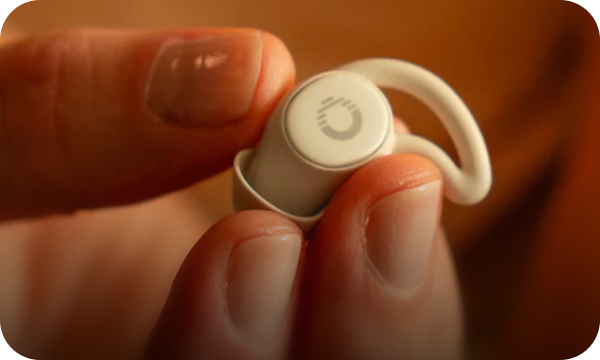
Ozlo is a science-driven, one-stop-shop for the best sleep of your life. Unlike other headphones and earbuds, our tiny Sleepbuds® are engineered to be super comfy, even for side sleepers, while blocking out sleep-disrupting sounds.
Sleepbuds® play audio for up to ten hours, letting you enjoy our noise-masking tracks or stream anything you like, including audiobooks, podcasts, white noise, and YouTube.

The Ozlo Difference
At Ozlo, we're dedicated to helping you achieve the best sleep possible through innovative audio solutions. Our company, founded by three former Bose engineers, focuses on creating products that not only help you fall asleep, but stay asleep throughout the night.
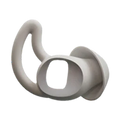
Ozlo Sleepbuds® simply don’t feel like other earbuds. Sleepbuds stay in place even when you toss and turn. The tiny earbuds, with their comfortable silicone tips and anchor-in-place wings, are designed for all-night comfort, no matter your sleeping position. Sleep on your back, side, or whatever works for you, and Ozlo Sleepbuds® will remain in place throughout the night.

Key Highlights
- Founded by three former Bose engineers with extensive experience in audio tech
- Sleepbuds® actively mask unwanted sounds like snoring, traffic, and environmental noises with calming, science-backed audio.
- Ultra-soft silicone tips designed to support every sleeping position, ensuring a secure and comfortable fit.
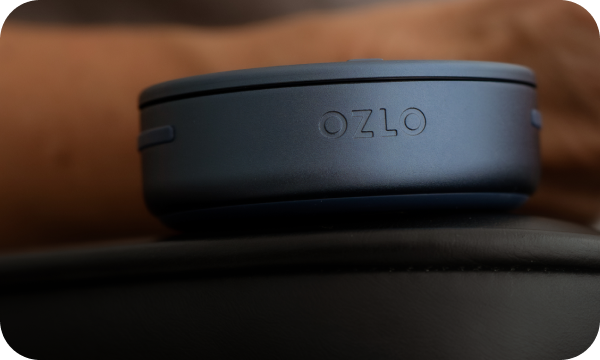
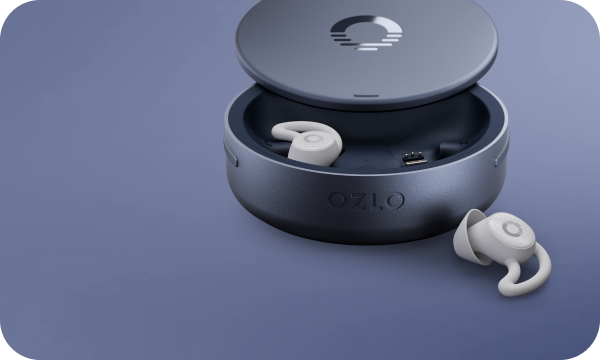
- Up to 10 hours of continuous use with extra charges from the Smart Case.
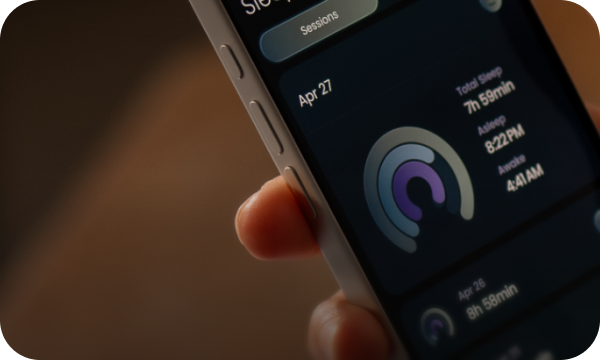
- Built-in biometric and environmental sensors offering personalized sleep reports
- Personal alarm gently wakes you without disturbing your partner
Conclusion
Snoring in newborns is often normal and temporary, caused by small nasal passages, minor congestion, or common structural quirks. In most cases, it doesn’t require treatment. But persistent, loud, or complicated snoring may warrant medical evaluation to rule out conditions like sleep apnea or laryngomalacia.
The key is to observe patterns, note any red flags, and maintain regular pediatric visits. When in doubt, record the sounds and consult a doctor.
A good night’s sleep for your baby often means better sleep for you, too. Knowing when to take action - and when to simply wait it out - is part of the parenting journey. With the right care and awareness, your newborn’s snoring is just one more phase that will pass with time.
FAQs
Is it normal for a newborn to snore occasionally?
Yes, occasional light snoring in newborns is usually normal. Their airways are small and sensitive, so minor congestion or normal anatomical development can cause temporary noisy breathing. Most babies outgrow this as their nasal passages and throat structures mature.
When should I worry about my newborn’s snoring?
You should consult a pediatrician if your baby’s snoring is loud, frequent (more than 3 nights per week), or accompanied by symptoms like pauses in breathing, difficulty feeding, poor weight gain, bluish skin, or signs of labored breathing. These may indicate an underlying issue such as sleep apnea or airway obstruction.
What can I do at home to help reduce my baby's snoring?
You can use saline nasal drops, a bulb syringe, or a humidifier to relieve nasal congestion. Keeping your baby’s sleep environment free from smoke, dust, and allergens also helps. If symptoms persist or worsen, seek medical advice rather than attempting extended home remedies.


