







How to Stop Snoring After Pregnancy: Effective Solutions for a Peaceful Sleep
Snoring after pregnancy is a common issue faced by many women. The hormonal changes, weight gain, and physical adjustments that occur during pregnancy can all contribute to snoring. While snoring may have been a temporary issue during pregnancy, many women continue to experience it postpartum. Understanding the reasons behind this and discovering practical solutions is crucial for restoring restful and quiet nights. This article will explore the primary causes of post-pregnancy snoring and provide actionable tips on how to stop snoring after pregnancy. Snoring can disrupt not only your sleep but also your partner’s, making it essential to address for a harmonious postpartum recovery.

Why Do You Snore After Pregnancy?
Snoring occurs when there is an obstruction in the airflow through the mouth or nose during sleep. During pregnancy, several factors contribute to increased snoring, and some of these factors may persist even after childbirth. Understanding the root causes of snoring post-pregnancy will help you address the issue effectively.
Hormonal Changes and Nasal Congestion
During pregnancy, hormonal changes, particularly the increased levels of estrogen and progesterone, can lead to nasal congestion. These hormones cause the nasal passages to swell, making it harder to breathe through the nose. While hormonal changes during pregnancy can cause nasal congestion, these effects typically subside within weeks after childbirth, and persistent snoring is more often related to residual weight gain, sleep position, or other factors like allergies.
Weight Gain
Pregnancy often leads to weight gain, particularly in the third trimester. Even after childbirth, the weight may take some time to shed, and this extra weight can contribute to snoring. The excess weight, especially around the neck area, can narrow the airways, making it more difficult for air to pass freely during sleep, resulting in snoring.
Changes in Sleeping Positions
During pregnancy, women are often advised to sleep on their side to improve circulation and prevent back pain. After giving birth, some women continue to sleep in positions that may contribute to snoring. Sleeping on your back, for example, can cause the tongue and soft tissues in the throat to collapse, leading to obstructed airflow and snoring.
Obstructive Sleep Apnea
Obstructive sleep apnea (OSA) is a condition where the airway becomes partially or completely blocked during sleep, causing breathing interruptions. OSA can occur more frequently during pregnancy and may continue postpartum, especially if the underlying factors like weight gain and nasal congestion remain unaddressed. Snoring is a key symptom of OSA, which can increase risks of hypertension and chronic fatigue. If you experience gasping, choking, or frequent waking at night, consult your healthcare provider promptly.
How to Stop Snoring After Pregnancy: Practical Tips
Now that we’ve identified the causes of post-pregnancy snoring, let’s explore the most effective solutions to help reduce or eliminate snoring and improve sleep quality.
Sleep on Your Side
One of the simplest and most effective ways to prevent snoring is to adjust your sleeping position. Sleeping on your back can cause the tongue and soft tissues in the throat to collapse, blocking the airway. This is especially problematic if you’re still dealing with residual swelling or weight gain from pregnancy.
Sleeping on your side, with your legs slightly bent and supported by a pregnancy pillow, can help keep your airway open. If you find it challenging to stay on your side during the night, consider using specialized pillows designed to encourage side-sleeping and prevent rolling onto your back.
Use a Humidifier
If nasal congestion is contributing to your snoring, using a humidifier in your bedroom can help. The dry air in your sleeping environment may exacerbate nasal congestion, making it harder to breathe through your nose. A humidifier can add moisture to the air, keeping nasal passages clear and reducing snoring. Ensure regular cleaning to prevent bacteria or mold buildup.
Consider Nasal Dilators
Nasal dilators are over-the-counter devices that can be used to help open up the nasal passages. They work by gently widening the nostrils, allowing for easier airflow. This can be particularly helpful if you’re experiencing nasal congestion postpartum due to residual hormonal changes or allergies.
Another option is saline nasal sprays, which can help to clear mucus and reduce congestion, further minimizing the chances of snoring caused by blocked nasal passages.
Maintain a Healthy Weight
Excess weight, particularly around the neck and throat, can contribute to snoring by narrowing the airway. Postpartum weight loss can take time, but maintaining a healthy diet and engaging in regular physical activity will help reduce the excess weight that may be contributing to snoring.
It’s important to consult with your healthcare provider before starting any weight-loss programs, especially after pregnancy, to ensure you’re following a safe and effective plan that meets your specific needs.
Limit Alcohol and Sedatives
Alcohol and sedatives relax the muscles in the throat and can increase the likelihood of snoring. It’s important to avoid alcohol, especially in the evening, as it can worsen snoring and interfere with the quality of your sleep. If you’re taking any sedative medications postpartum, speak to your doctor about possible alternatives or adjustments to your medication.
Exercise Regularly
Regular exercise not only helps with weight management but also strengthens the muscles of the throat and airway. This can reduce the likelihood of snoring by helping to keep the muscles from relaxing too much during sleep. Aim for at least 30 minutes of moderate activity per day, such as walking, swimming, or yoga.
Try Anti-Snoring Devices
Anti-snoring devices, such as mandibular advancement devices (MAD), can help by positioning the lower jaw forward to keep the airway open, particularly if snoring is related to obstructive sleep apnea or airway collapse.
A dentist specializing in sleep disorders can assess if an anti-snoring device suits you and ensure proper fitting, though costs and potential discomfort should be considered.
Consult Your Doctor
If your snoring persists despite trying lifestyle changes and home remedies, or if you experience additional symptoms like excessive daytime sleepiness, gasping for air at night, or difficulty concentrating, it’s important to consult your healthcare provider. Your doctor may recommend a sleep study to diagnose any underlying conditions like obstructive sleep apnea, which could be contributing to your snoring.
The Importance of Sleep in Postpartum Recovery
Getting enough rest after childbirth is essential for your physical and emotional well-being. Poor sleep can affect your energy levels, mood, and ability to care for your newborn. By addressing snoring and improving your sleep quality, you can speed up your recovery and feel more energized throughout the day.
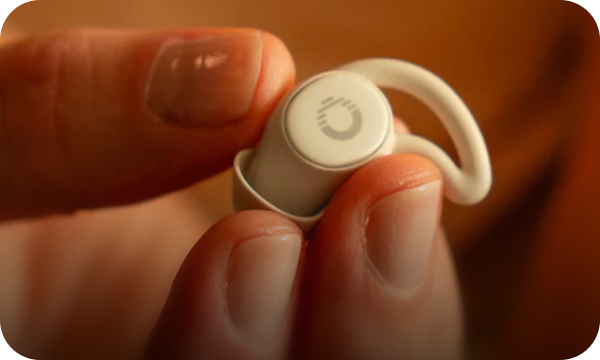
If you’re struggling with snoring and sleep disruption, consider solutions like Ozlo Sleepbuds® to help mask disruptive sounds and improve the quality of your sleep. These tiny earbuds are designed to provide a comfortable and noise-free sleep environment, allowing you to rest peacefully and wake up feeling refreshed.
Optimizing Your Sleep Quality
For those seeking better sleep and reduced snoring, there are cutting-edge solutions designed to block disruptive sounds and foster a calmer, more restful sleep environment. These advanced method target the underlying causes of sleep disturbances, ensuring a peaceful atmosphere that encourages deeper, uninterrupted sleep.
Ozlo Sleepbuds®
An amazingly restful and peaceful sleep every night, free from distractions and noise, is the greatest gift you can give!

What are Ozlo Sleepbuds?
Ozlo is a science-driven, one-stop-shop for the best sleep of your life. Unlike other headphones and earbuds, our tiny Sleepbuds® are engineered to be super comfy, even for side sleepers, while blocking out sleep-disrupting sounds.
Sleepbuds® play audio for up to ten hours, letting you enjoy our noise-masking tracks or stream anything you like, including audiobooks, podcasts, white noise, and YouTube.

The Ozlo Difference
At Ozlo, we're dedicated to helping you achieve the best sleep possible through innovative audio solutions. Our company, founded by three former Bose engineers, focuses on creating products that not only help you fall asleep, but stay asleep throughout the night.
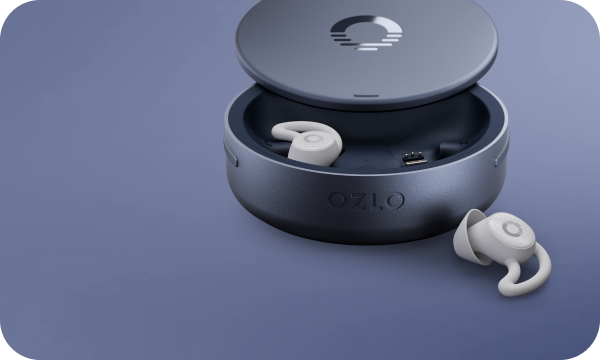
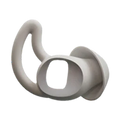
Ozlo Sleepbuds® simply don’t feel like other earbuds. Sleepbuds stay in place even when you toss and turn. The tiny earbuds, with their comfortable silicone tips and anchor-in-place wings, are designed for all-night comfort, no matter your sleeping position. Sleep on your back, side, or whatever works for you, and Ozlo Sleepbuds® will remain in place throughout the night.

Key Highlights
- Founded by three former Bose engineers with extensive experience in audio tech
- Sleepbuds® actively mask unwanted sounds like snoring, traffic, and environmental noises with calming, science-backed audio.
- Ultra-soft silicone tips designed to support every sleeping position, ensuring a secure and comfortable fit.
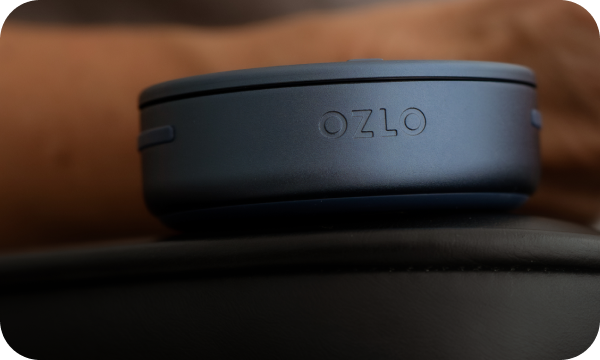
- Up to 10 hours of continuous use with extra charges from the Smart Case.
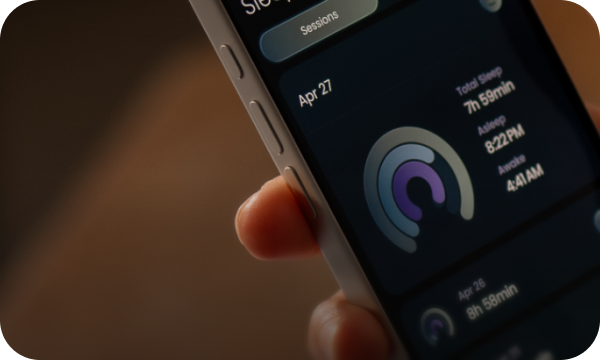
- Built-in biometric and environmental sensors offering personalized sleep reports
- Personal alarm gently wakes you without disturbing your partner
Conclusion
Snoring after pregnancy is a common issue that many women face, but it’s not something you have to live with. As your body goes through a variety of changes post-pregnancy, factors like hormonal fluctuations, weight gain, and sleep position can all contribute to snoring. However, understanding the causes of post-pregnancy snoring and implementing practical solutions can significantly reduce or even eliminate snoring, allowing you to enjoy better sleep quality.
By making simple adjustments such as changing your sleep position, using a humidifier, and ensuring that your sleeping environment is conducive to rest, you can see improvements in your sleep. Moreover, consulting with your doctor to address any underlying health issues or rule out conditions like sleep apnea can further enhance your ability to stop snoring.
Start with these manageable steps, and you’ll not only improve your sleep but also create a more peaceful, restful environment for both you and your baby.
FAQs
What causes snoring after pregnancy?
Snoring after pregnancy can be caused by several factors, including residual weight gain, hormonal changes, and physical changes in the body. After pregnancy, your body may still experience swelling in the nasal passages or throat due to lingering hormonal fluctuations. Additionally, weight gain during pregnancy can put extra pressure on the airway, contributing to snoring. Sleep position also plays a role – if you tend to sleep on your back, it can worsen snoring by restricting airflow.
How can I stop snoring while breastfeeding?
To reduce snoring while breastfeeding, focus on maintaining proper sleep hygiene and improving your sleep position. Sleeping on your side instead of your back can help keep your airway open. Consider using pillows or a body pillow to support your sleeping position. Staying hydrated and avoiding allergens or nasal irritants may also help prevent congestion. If snoring persists, consult with your doctor, as it could be related to underlying issues like sleep apnea.
When should I see a doctor about snoring after pregnancy?
If your snoring persists after pregnancy and is accompanied by other symptoms, such as excessive fatigue, gasping for air during sleep, or waking up with a dry mouth, it may indicate obstructive sleep apnea. In these cases, it's important to consult with a healthcare provider who can evaluate your condition and recommend appropriate treatments, such as a sleep study or CPAP therapy. If snoring is affecting your quality of sleep and overall well-being, it’s also a good idea to speak with your doctor to rule out any serious health concerns.


