











How Long Does Snoring Last? Understanding Duration, Causes, and Solutions
Snoring is a common occurrence that affects a significant portion of the population. While it may seem like a harmless nuisance, understanding the duration and underlying causes of snoring is crucial for addressing potential health implications. This article delves into the various aspects of snoring, focusing on its duration, contributing factors, and effective solutions to mitigate its impact.
Snoring occurs when airflow through the mouth and nose is partially obstructed during sleep, leading to the vibration of tissues in the upper airway. This vibration produces the characteristic sound associated with snoring. Factors such as the relaxation of throat muscles, the position of the tongue, and the structure of the airway contribute to this phenomenon.

Duration of Snoring: How Long Does It Last?
Understanding how long snoring lasts is essential to evaluating whether it’s a harmless occurrence or a symptom of a more serious health condition. Snoring duration can be examined in two primary dimensions: the amount of time snoring occurs within a single night, and how frequently it happens over the long term.
Nightly Patterns
Snoring is not a constant phenomenon throughout the night. Its occurrence is strongly influenced by the sleep cycle, particularly the stages of non-REM and REM sleep:
-
Non-REM sleep (stages N2 and N3): Snoring is more prevalent during these stages due to decreased muscle tone, which increases the likelihood of airway obstruction. This can result in more frequent snoring episodes.
-
REM sleep: Although brain activity increases during REM, muscle tone drops even further. However, snoring is generally less frequent during this stage across all snorers, regardless of the severity of their condition.
Total snoring time per night varies: Occasional snorers may snore intermittently during specific sleep phases, with episodes influenced by factors like sleep position and nasal congestion. Habitual or chronic snorers, particularly those with conditions like obstructive sleep apnea, often experience more frequent and prolonged episodes that recur throughout the night.
Snoring duration is also affected by body position, alcohol consumption before sleep, nasal congestion, and sleep environment (such as humidity or allergens).
Chronicity Over Time
The frequency of snoring across days, weeks, or months determines whether it’s a passing issue or a chronic problem. Snoring can typically be categorized into three levels of persistence:
Occasional Snoring
-
Happens sporadically, often triggered by temporary conditions like a cold, sinus infection, fatigue, alcohol use, or sleeping in an unusual position.
-
Usually not a cause for concern unless it begins to increase in frequency.
-
Duration per episode tends to be short and may not occur every night.
Habitual Snoring
-
Defined by snoring that happens on most nights, often without a clear temporary trigger.
-
May be linked to underlying issues such as allergies, nasal obstruction, poor sleep posture, or being overweight.
-
Can disrupt not only the snorer’s sleep but also that of a partner, leading to fragmented sleep and daytime fatigue.
-
Over time, it may worsen and lead to or signal the development of more serious conditions, such as obstructive sleep apnea (OSA).
Chronic Snoring
-
A persistent, long-term condition where snoring occurs nightly or nearly every night.
-
Frequently associated with obstructive sleep apnea, a serious sleep disorder where breathing repeatedly stops and starts during sleep.
-
Often accompanied by other symptoms such as gasping, choking, excessive daytime sleepiness, morning headaches, or mood changes.
-
Without treatment, chronic snoring may last for years, with both the intensity and duration increasing over time.
-
It requires a professional diagnosis and possibly a sleep study to determine whether OSA or another respiratory condition is present.
Factors Influencing the Duration of Snoring
Snoring is a common sleep-related issue that affects millions of people across all age groups. Understanding how long snoring lasts and what influences its duration is crucial for finding effective solutions and improving sleep quality.
Sleep Apnea
Obstructive sleep apnea is a condition characterized by repeated episodes of partial or complete blockage of the airway during sleep. These episodes can last from a few seconds to over a minute and occur multiple times per hour, significantly affecting sleep quality and overall health.
Age and Muscle Tone
As individuals age, typically starting around middle age (40 years and older), muscle tone in the throat and airway gradually decreases, increasing the likelihood and duration of snoring. This age-related change can lead to more prolonged and frequent snoring episodes.
Body Weight
Excess body weight, particularly around the neck, can narrow the airway and contribute to snoring. Weight gain can exacerbate snoring duration and intensity.
Alcohol and Sedatives
Consumption of alcohol or sedative medications relaxes the muscles in the throat, increasing the risk and duration of snoring during sleep.
Addressing Snoring: Effective Solutions
Effectively managing snoring requires a multifaceted approach that combines lifestyle changes with medical intervention when necessary. While some individuals may benefit from simple adjustments, others may require professional evaluation to address underlying causes.
Weight Management
Excess body weight, particularly around the neck and upper torso, can narrow the airway and increase the risk of tissue vibration during sleep. Fat deposits around the throat exert pressure on the airway, making it more susceptible to obstruction. Maintaining a healthy weight through balanced nutrition and regular physical activity not only reduces snoring but also improves overall cardiovascular and respiratory health.
Sleep Position
Your sleeping posture plays a critical role in snoring. Sleeping on your back causes gravity to pull the tongue and soft palate backward, narrowing the airway and increasing the likelihood of snoring. Switching to side sleeping helps keep the airway open and reduces these obstructions. Using body pillows or specialized side-sleeping aids can help train the body to maintain this position throughout the night.
Avoiding Alcohol and Sedatives
Alcohol and sedative medications relax the muscles of the throat and tongue, which can lead to airway collapse during sleep. The deeper, less controlled sleep induced by these substances also increases the intensity and duration of snoring episodes. To minimize this effect, avoid consuming alcohol or sedatives at least three to four hours before bedtime.
Continuous Positive Airway Pressure (CPAP)
CPAP therapy is a frontline treatment for obstructive sleep apnea (OSA), a condition often accompanied by chronic snoring. The device delivers a constant stream of air through a mask, preventing airway collapse during sleep. CPAP not only reduces snoring significantly but also improves sleep quality and reduces the risk of associated health issues such as hypertension and heart disease.
Oral Appliances
For individuals with mild to moderate snoring or sleep apnea, custom-made oral appliances can be a highly effective solution. These devices work by gently repositioning the lower jaw and tongue forward to maintain an open airway. Fitted by a dentist or sleep specialist, these appliances are often more comfortable and portable than CPAP machines, making them ideal for travel or light snorers.
Surgical Options
When lifestyle changes and non-invasive treatments fail to resolve chronic snoring, surgical interventions may be considered. Surgical procedures may involve removing excess tissue from the throat (uvulopalatopharyngoplasty), reshaping the nasal structure (septoplasty), or even implanting supportive devices in the soft palate (pillar implants). Each surgical approach is tailored to the patient’s specific anatomical issue and is usually recommended only after comprehensive diagnostic testing.
Enhancing Sleep Quality
For individuals seeking non-invasive methods to improve sleep quality and reduce the impact of snoring, certain audio solutions can be beneficial. Noise-masking devices, such as white noise machines or specialized earbuds like Ozlo Sleepbuds®, can help reduce the impact of snoring on sleep partners, though their effectiveness varies and requires further research.
Ozlo Sleepbuds®
An amazingly restful and peaceful sleep every night, free from distractions and noise, is the greatest gift you can give!

What are Ozlo Sleepbuds?
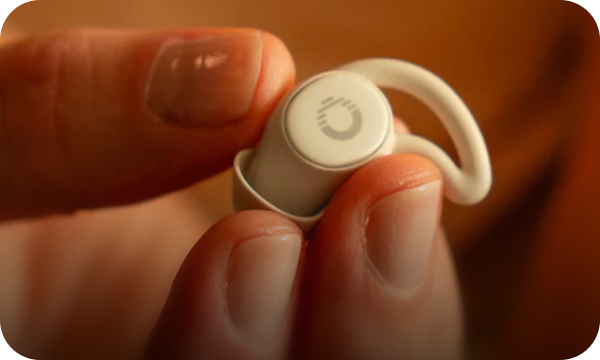
Ozlo is a science-driven, one-stop-shop for the best sleep of your life. Unlike other headphones and earbuds, our tiny Sleepbuds® are engineered to be super comfy, even for side sleepers, while blocking out sleep-disrupting sounds.
Sleepbuds® play audio for up to ten hours, letting you enjoy our noise-masking tracks or stream anything you like, including audiobooks, podcasts, white noise, and YouTube.

The Ozlo Difference
At Ozlo, we're dedicated to helping you achieve the best sleep possible through innovative audio solutions. Our company, founded by three former Bose engineers, focuses on creating products that not only help you fall asleep, but stay asleep throughout the night.
Ozlo Sleepbuds® simply don’t feel like other earbuds. Sleepbuds stay in place even when you toss and turn. The tiny earbuds, with their comfortable silicone tips and anchor-in-place wings, are designed for all-night comfort, no matter your sleeping position. Sleep on your back, side, or whatever works for you, and Ozlo Sleepbuds® will remain in place throughout the night.

Key Highlights
- Founded by three former Bose engineers with extensive experience in audio tech
- Sleepbuds® actively mask unwanted sounds like snoring, traffic, and environmental noises with calming, science-backed audio.
- Ultra-soft silicone tips designed to support every sleeping position, ensuring a secure and comfortable fit.
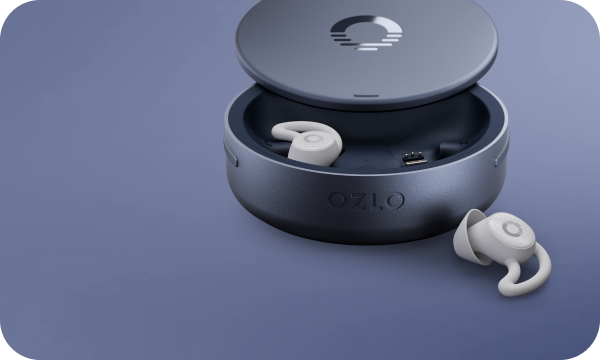
- Up to 10 hours of continuous use with extra charges from the Smart Case.
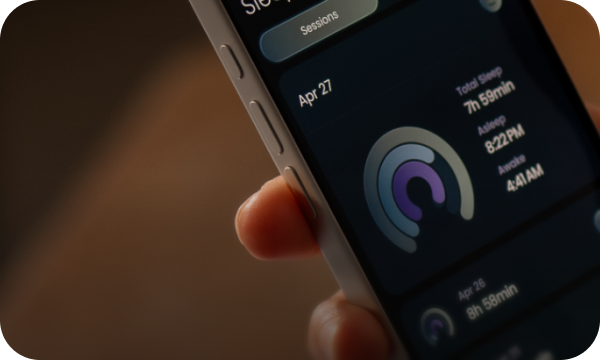
- Built-in biometric and environmental sensors offering personalized sleep reports
- Personal alarm gently wakes you without disturbing your partner
Conclusion
Understanding the duration and causes of snoring is essential for identifying appropriate interventions and improving sleep quality. Snoring is more than just a nighttime nuisance - it can signal underlying health issues and significantly impact both the snorer and their sleep partner.
By recognizing whether snoring is occasional, habitual, or chronic, individuals can take informed steps toward better rest. Addressing lifestyle factors such as body weight, sleep posture, and alcohol consumption plays a crucial role in reducing snoring episodes. In cases where lifestyle changes aren't enough, seeking medical advice is key. Proper diagnosis and treatment can help manage snoring effectively, prevent complications like obstructive sleep apnea, and restore healthier, more restful sleep.
Taking proactive steps not only helps reduce the intensity and frequency of snoring, but also supports long-term health, cognitive performance, and emotional well-being.
FAQs
Can snoring go away on its own over time?
Yes, in some cases, especially if it is caused by temporary factors like a cold, allergies, or alcohol use. However, if snoring becomes habitual or chronic, it’s unlikely to resolve without addressing underlying causes such as weight gain, nasal obstruction, or poor sleep posture.
How do I know if my snoring is a short-term issue or a chronic condition?
Occasional snoring linked to specific triggers tends to resolve within a few nights. If you snore at least 3 nights a week for several weeks, especially with symptoms like fatigue or gasping, it's more likely to be chronic and should be evaluated by a healthcare provider.
Does snoring always get worse with age?
Not necessarily, but aging can increase the risk of snoring due to reduced muscle tone in the throat and other physiological changes. Lifestyle choices and health conditions also play a major role in whether snoring worsens or stays manageable over time.


