









Does Smoking Cause Snoring?
Snoring is a common sleep disturbance that affects both the person making the sound and everyone within earshot. While snoring is often linked to sleep position, weight, or nasal congestion, one major but often underestimated factor is smoking. Cigarettes, cigars, vaping, and even passive smoke exposure have a direct and well-documented link to increased snoring. In this article, we break down the relationship between smoking and snoring, how it affects your sleep, and what you can do about it.

The Link Between Smoking and Snoring
Yes - smoking causes snoring, and the link is strong. Numerous studies have shown that smokers are significantly more likely to snore than non-smokers. In fact, regular smokers are at least twice as likely to snore, and the more you smoke, the more likely and severely you snore.
The irritants and chemicals in cigarette smoke inflame and damage the tissues that line your airways. This leads to swelling, mucus buildup, and congestion in the nose, throat, and lungs - all of which make breathing noisier and less efficient during sleep. These changes narrow the airway and increase the chances of tissue vibration, which is the root cause of snoring.
Why Smoking Leads to Snoring - What Happens in the Airways
When you smoke, hot smoke and toxic particles travel through your entire respiratory tract, irritating each part of the airway as they pass. Your body responds by producing protective mucus, but this reaction can quickly become excessive and obstruct normal breathing. Over time, repeated exposure leads to chronic changes in airway structure and function, directly increasing the likelihood of snoring.
Irritation of airway linings
Tobacco smoke contains thousands of chemicals that irritate the mucosal linings of your nose, throat, and lungs. This irritation causes the tissues to become hypersensitive and reactive. Even occasional smoking can result in lasting sensitivity, making the airways more vulnerable to further inflammation and obstruction.
Inflammation and swelling of tissues
The smoke doesn’t just irritate - it inflames. Inflammation causes tissues to swell, which narrows the airway passages, especially in the upper throat and nasal areas. This narrowing restricts airflow and increases turbulence when you breathe during sleep, setting the stage for tissue vibration and snoring.
Increased mucus production
To protect itself from smoke exposure, the body ramps up mucus production. This excess mucus leads to nasal stuffiness, post-nasal drip, and congestion in the chest and throat. Blocked passages reduce airflow efficiency and force the body to work harder just to breathe, contributing to snoring.
Narrowed air passages
Inflamed, swollen tissues and thick mucus combine to significantly narrow the airway diameter. As a result, airflow becomes more forceful and chaotic, especially during sleep when the body is relaxed. The turbulent air causes the soft tissues to vibrate, which produces the characteristic sound of snoring.
Loss of muscle tone in airway structures
Chronic smoking can weaken the muscle tone of the upper airway over time. Reduced muscle tone makes it easier for the soft palate and tongue to collapse into the airway during sleep. This collapse is a primary mechanism of both snoring and, in more severe cases, obstructive sleep apnea.
Chronic respiratory conditions
Long-term smokers often develop respiratory issues like chronic bronchitis, sinus infections, and persistent coughing. These conditions further impair normal airflow and contribute to a cycle of poor breathing and disrupted sleep. Even after quitting, recovery from these chronic effects can take months or years.
Together, these changes explain why smoking has such a strong and direct impact on snoring. The more frequently and heavily you smoke, the more damage accumulates in your airway - and the more intense your snoring is likely to become.
How Vaping and Passive Smoke Affect Snoring Too
Vaping is often marketed as a safer alternative to smoking, but it still has consequences for your airway health. E-liquids contain nicotine and other chemical additives that can irritate the throat and nasal lining. Studies have shown that vaping can lead to airway inflammation and mucus production, just like traditional cigarettes. While the damage may be less severe, the effects are still enough to contribute to snoring.
Fortunately, the damage caused by smoking isn’t always permanent. Reducing or quitting tobacco use can lead to significant improvements in breathing, sleep quality, and overall health. However, for long-term or heavy smokers - especially those with chronic conditions like COPD - some structural changes in the airways may be irreversible. In such cases, snoring may persist to some extent, even after quitting, though symptoms often become less severe.
Passive smoking is another overlooked risk. Living with a smoker means you're breathing in secondhand smoke, which contains thousands of harmful chemicals. Exposure to secondhand smoke has been linked to increased rates of snoring - not just in adults, but also in children. In fact, children exposed to household smoking are more likely to snore and develop respiratory problems.

Smoking and Sleep Apnea - A Dangerous Connection
Snoring is often an early warning sign of a more serious condition called obstructive sleep apnea (OSA). While not every person who snores has OSA, almost all individuals with OSA snore regularly. Among people diagnosed with OSA, smokers tend to have more frequent breathing interruptions, more severe symptoms, and lower sleep quality. Here’s how smoking makes OSA worse:
-
Increased inflammation in the airways: Smoking inflames the soft tissues of the upper airway, narrowing the space through which air passes. This narrowing makes the airway more prone to collapse during sleep, which is a hallmark of OSA.
-
Excess mucus production and congestion: The body produces more mucus in response to smoke exposure, leading to clogged nasal passages and throat congestion. This added obstruction makes it harder to maintain a clear airway during sleep, increasing the risk of apneic events.
-
Nicotine withdrawal during the night: Smokers often experience mini-withdrawal symptoms while sleeping, especially if they haven’t smoked for several hours. These symptoms can cause micro-awakenings that fragment sleep and prevent the body from reaching deep, restorative stages.
-
Reduced effectiveness of CPAP therapy: Continuous positive airway pressure (CPAP) is the most effective treatment for OSA, but smoking interferes with its success. Smokers frequently report nasal discomfort, congestion under the mask, and difficulty maintaining consistent use, which lowers overall treatment adherence.
-
Higher risk of long-term complications: Untreated or poorly managed OSA can lead to serious health issues like high blood pressure, stroke, and heart disease. For smokers, these risks are amplified, making it even more critical to manage both the smoking habit and the sleep disorder simultaneously.
Together, these effects make it clear that smoking not only increases the likelihood of developing OSA, but also worsens its severity and complicates its treatment.
How to Create a Better Sleep Environment
Snoring doesn’t just affect the person making the noise. Partners, roommates, and family members can also suffer from disrupted sleep due to loud or chronic snoring. In some cases, this leads to sleep deprivation, mood changes, and even relationship strain. Creating a quiet, calming sleep environment can help minimize these effects.
Ozlo Sleepbuds®
An amazingly restful and peaceful sleep every night, free from distractions and noise, is the greatest gift you can give!

What are Ozlo Sleepbuds?
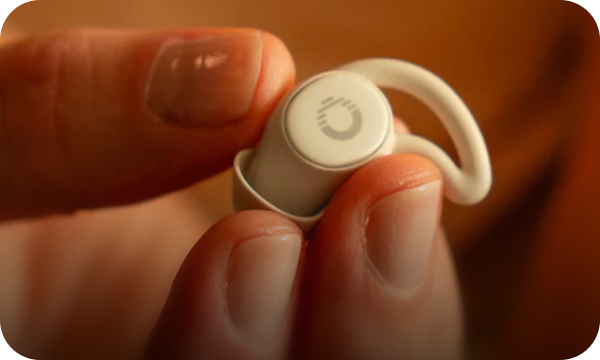
Ozlo is a science-driven, one-stop-shop for the best sleep of your life. Unlike other headphones and earbuds, our tiny Sleepbuds® are engineered to be super comfy, even for side sleepers, while blocking out sleep-disrupting sounds.
Sleepbuds® play audio for up to ten hours, letting you enjoy our noise-masking tracks or stream anything you like, including audiobooks, podcasts, white noise, and YouTube.

The Ozlo Difference
At Ozlo, we're dedicated to helping you achieve the best sleep possible through innovative audio solutions. Our company, founded by three former Bose engineers, focuses on creating products that not only help you fall asleep, but stay asleep throughout the night.
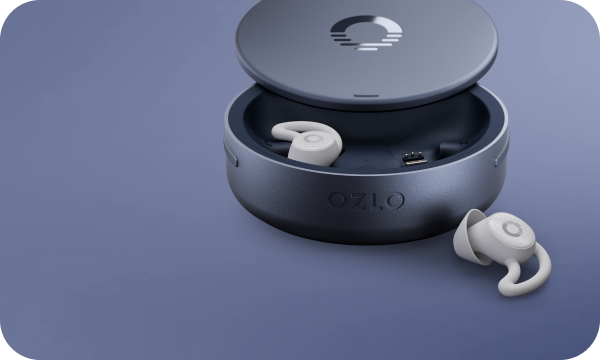
Ozlo Sleepbuds® simply don’t feel like other earbuds. Sleepbuds stay in place even when you toss and turn. The tiny earbuds, with their comfortable silicone tips and anchor-in-place wings, are designed for all-night comfort, no matter your sleeping position. Sleep on your back, side, or whatever works for you, and Ozlo Sleepbuds® will remain in place throughout the night.

Key Highlights
- Founded by three former Bose engineers with extensive experience in audio tech
- Sleepbuds® actively mask unwanted sounds like snoring, traffic, and environmental noises with calming, science-backed audio.
- Ultra-soft silicone tips designed to support every sleeping position, ensuring a secure and comfortable fit.
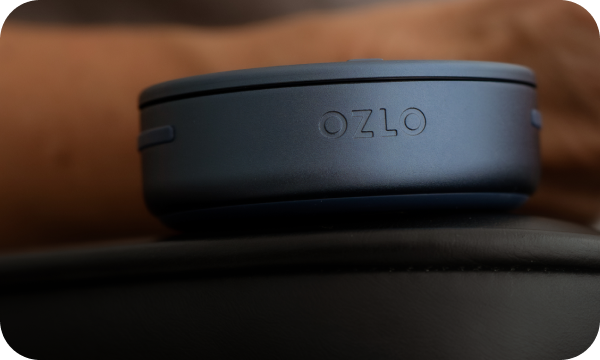
- Up to 10 hours of continuous use with extra charges from the Smart Case.
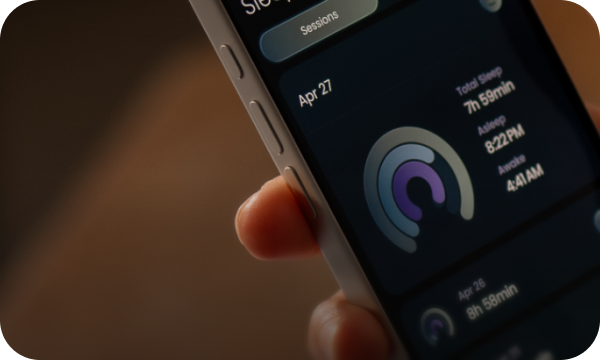
- Built-in biometric and environmental sensors offering personalized sleep reports
- Personal alarm gently wakes you without disturbing your partner
Conclusion
The evidence is clear: smoking directly contributes to snoring by inflaming and narrowing the airways. Whether it’s from cigarettes, vaping, or even secondhand smoke, the irritants involved disrupt normal airflow and increase the likelihood and intensity of snoring. While vaping also irritates the respiratory tract, studies suggest that its effects may be less severe than those caused by traditional cigarette smoke. Still, it can contribute to airway inflammation and worsen snoring symptoms in some users.
While the path to quitting may be difficult, the benefits are well worth the effort - for you and for those who sleep near you. If you’re struggling with snoring and smoke regularly, it’s time to take the connection seriously. Talk to a healthcare provider about quitting strategies, get evaluated for potential sleep apnea, and explore tools that can support both your recovery and your rest.
FAQs
Does smoking really cause snoring, or is it just a myth?
Smoking is a proven contributor to snoring. The chemicals in tobacco smoke irritate and inflame the tissues in the airways, leading to swelling, mucus buildup, and narrowed passages. This increases resistance to airflow and causes the vibrations that result in snoring.
How quickly can quitting smoking reduce snoring?
Some improvement in snoring may be noticed within a few weeks of quitting, especially if the airway inflammation begins to subside. However, full recovery of airway function and snoring reduction to non-smoker levels may take several months to a few years, depending on how long and how heavily a person smoked.
Is vaping better than smoking when it comes to snoring?
While vaping may reduce exposure to some harmful substances found in tobacco smoke, it can still irritate the airways and contribute to inflammation. Vaping is not harmless and may still lead to snoring, especially if used frequently or with high-nicotine liquids.
Can secondhand smoke cause snoring in non-smokers?
Yes. Exposure to secondhand smoke can inflame the airways in non-smokers, especially children and partners who live with smokers. This exposure increases the risk of snoring and respiratory issues even in people who don’t smoke themselves.
Are smokers more likely to have sleep apnea?
Yes. Smokers are at higher risk for developing obstructive sleep apnea (OSA). Smoking increases upper airway inflammation and makes the tissues more likely to collapse during sleep, leading to breathing interruptions and worsened sleep quality.
Can cutting back on smoking instead of quitting still help reduce snoring?
Reducing the number of cigarettes smoked per day, particularly avoiding smoking in the hours before bed, can lessen airway irritation and congestion. While not as effective as quitting entirely, cutting back may still provide some relief from snoring and improve sleep quality over time.


