











Does Pregnancy Cause Snoring? Understanding the Causes and Solutions for Expecting Mothers
Pregnancy is a life-changing experience, but it can also come with its own set of challenges. One unexpected side effect that many pregnant women face is snoring, even if they have never snored before. While snoring during pregnancy is common, it is important to understand what causes it and how it can be managed. In this article, we will explore why pregnancy can lead to snoring, the potential risks, and ways to reduce it for better sleep during pregnancy.

Why Does Pregnancy Cause Snoring?
Pregnancy is marked by numerous physiological changes, and many of these changes contribute to the development of snoring. Let's break down the key factors involved.
Hormonal Changes
During pregnancy, the body undergoes significant hormonal fluctuations, particularly an increase in estrogen and progesterone.These hormones are essential for supporting the developing baby, but they can also have unintended effects on the body. They contribute to swelling of the mucus membranes in the nasal passages and may relax the muscles of the upper airway, increasing the likelihood of snoring. This swelling can lead to nasal congestion and make it more difficult to breathe through the nose. When the nasal airways are obstructed, it forces individuals to breathe through their mouths, which can result in snoring.
Increased Blood Flow
Starting in the early weeks of pregnancy, the body begins to produce more blood to support the growing baby. Throughout pregnancy, blood volume gradually increases, reaching a peak of approximately 40–50% by the third trimester, which can cause a variety of changes throughout the body. The increased blood flow can cause the blood vessels in the upper airway to swell, narrowing the air passages and creating resistance to airflow. This increased resistance can contribute to snoring, particularly in the later stages of pregnancy when the blood volume is at its highest.
Pregnancy Rhinitis
Approximately 20–40% of pregnant women experience pregnancy rhinitis, a condition characterized by nasal congestion caused by increased blood flow and hormonal changes, which may worsen in the third trimester. This condition can lead to a stuffy nose, making it difficult to breathe through the nostrils and leading to snoring. Pregnancy rhinitis often worsens at night when lying down, further contributing to snoring.
Weight Gain
As pregnancy progresses, weight gain is inevitable. The accumulation of extra tissue, particularly around the neck and throat, can obstruct the airway. This additional pressure can cause the airway to narrow, increasing the likelihood of snoring. In the third trimester, many women experience significant weight gain, which can exacerbate snoring.
Sleep Position
The sleep position can also play a major role in snoring during pregnancy. Sleeping on your back can cause the tongue and soft tissues at the back of the throat to collapse, narrowing the airway and causing snoring. This is why doctors recommend side-sleeping for pregnant women, as it helps keep the airway open and reduces the chances of snoring.
When Does Snoring Begin During Pregnancy?
Snoring during pregnancy can occur at any point, but it tends to begin during the second trimester. Some women report snoring even in the early stages of pregnancy, while others may notice it only in the third trimester. Approximately 14–53% of pregnant women develop snoring at some point, with prevalence increasing in the third trimester.
Is Snoring During Pregnancy a Cause for Concern?
For most women, snoring during pregnancy is simply an unpleasant side effect of the physical changes their body is going through. However, in some cases, snoring can be a sign of an underlying health issue, particularly if it is accompanied by other symptoms. It's important to monitor your snoring patterns and consult a doctor if you experience additional symptoms.
Snoring and Sleep Apnea
Snoring is one of the most common signs of obstructive sleep apnea (OSA), a condition where the airway becomes temporarily blocked during sleep, causing breathing interruptions. Pregnancy increases the risk of obstructive sleep apnea (OSA) due to physiological changes like weight gain and airway narrowing. Although not every snorer has sleep apnea, if snoring is accompanied by symptoms such as gasping for air, frequent waking during the night, or excessive daytime sleepiness, it could indicate OSA. Left untreated, sleep apnea can increase the risk of complications such as high blood pressure, gestational diabetes, and preeclampsia.
Snoring and Preeclampsia
There is also a potential link between snoring during pregnancy and preeclampsia, a pregnancy complication characterized by high blood pressure. Obstructive sleep apnea (OSA), often indicated by loud snoring with gasping or choking, is associated with an increased risk of preeclampsia, though snoring alone is not a direct cause.
Gestational Diabetes
Some research suggests that snoring during pregnancy may be linked to an increased risk of gestational diabetes. This condition causes high blood sugar levels and can affect both the mother and the baby. If snoring is accompanied by other risk factors such as obesity, excessive weight gain, or a family history of diabetes, it is advisable to consult with a healthcare professional.
How to Reduce Snoring During Pregnancy
While snoring during pregnancy can be frustrating, there are several steps you can take to reduce it and improve your sleep quality.
Sleep on Your Side
Sleeping on your side can significantly reduce snoring by preventing the collapse of the tongue and soft tissues in the throat. You can use pillows to support your back and prevent yourself from rolling over during the night.
Elevate Your Head
Raising the upper part of your body with extra pillows can help keep your airway open by reducing the effects of nasal congestion and fluid retention. This can provide relief from snoring and improve airflow.
Use a Humidifier
Using a humidifier in your bedroom can help keep the air moist, which can alleviate nasal congestion and reduce the likelihood of snoring. This is particularly helpful if you suffer from pregnancy rhinitis or other nasal issues.
Stay Hydrated
Drinking plenty of water throughout the day can help thin the mucus in your nasal passages, reducing congestion and improving airflow. Staying hydrated is especially important during pregnancy to support overall health.
Avoid Alcohol and Sedatives
Alcohol and sedative medications can relax the muscles in the throat, increasing the likelihood of snoring. It's best to avoid these substances, especially close to bedtime, to help prevent snoring.
Try Nasal Strips or Sprays
Nasal strips can help open up the nasal passages, making it easier to breathe through your nose and reducing snoring. Nasal saline sprays can provide relief from nasal congestion and are generally safe during pregnancy. Decongestant medications should only be used under medical supervision, as many are not recommended during pregnancy.
Practice Good Sleep Hygiene
Establishing a consistent sleep routine and creating a calm sleep environment can help improve your sleep quality and reduce snoring. Avoid caffeine and heavy meals before bed, and aim to go to sleep at the same time each night.
Will Snoring Stop After Pregnancy?
For most women, snoring during pregnancy is temporary, and it typically stops after childbirth. However, some women may continue to snore postpartum, especially if other factors such as excess weight or sleep apnea are involved. Snoring often becomes less severe over time, but it's important to consult a doctor if it persists or worsens. After childbirth, snoring typically resolves as hormonal levels normalize and pregnancy-related weight gain diminishes. However, persistent snoring may occur if postpartum weight retention, chronic nasal congestion, or underlying conditions like allergies or sleep apnea are present. Consulting a healthcare provider can help address these issues.
Tip to Enhance Your Sleep Quality
Although the tips mentioned above can greatly help reduce snoring after drinking, there are also advanced solutions available to ensure you get better sleep, even with the disruption of snoring.
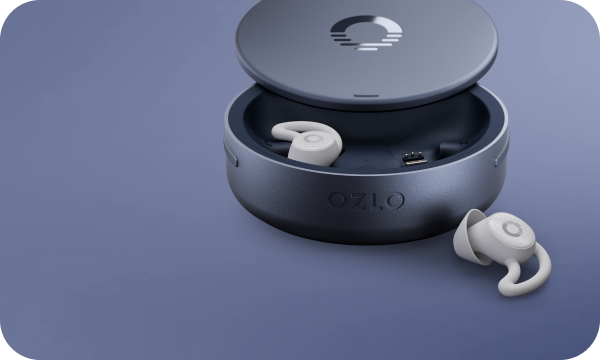
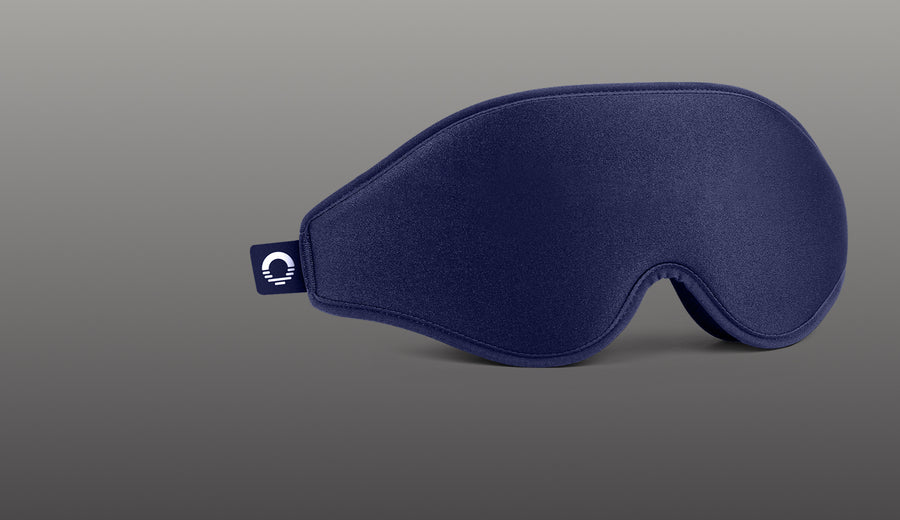
Ozlo Sleepbuds®
An amazingly restful and peaceful sleep every night, free from distractions and noise, is the greatest gift you can give!

What are Ozlo Sleepbuds?
Ozlo is a science-driven, one-stop-shop for the best sleep of your life. Unlike other headphones and earbuds, our tiny Sleepbuds® are engineered to be super comfy, even for side sleepers, while blocking out sleep-disrupting sounds.
Sleepbuds® play audio for up to ten hours, letting you enjoy our noise-masking tracks or stream anything you like, including audiobooks, podcasts, white noise, and YouTube.

The Ozlo Difference
At Ozlo, we're dedicated to helping you achieve the best sleep possible through innovative audio solutions. Our company, founded by three former Bose engineers, focuses on creating products that not only help you fall asleep, but stay asleep throughout the night.
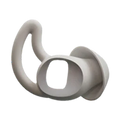
Ozlo Sleepbuds® simply don’t feel like other earbuds. Sleepbuds stay in place even when you toss and turn. The tiny earbuds, with their comfortable silicone tips and anchor-in-place wings, are designed for all-night comfort, no matter your sleeping position. Sleep on your back, side, or whatever works for you, and Ozlo Sleepbuds® will remain in place throughout the night.

Key Highlights
- Founded by three former Bose engineers with extensive experience in audio tech
- Sleepbuds® actively mask unwanted sounds like snoring, traffic, and environmental noises with calming, science-backed audio.
- Ultra-soft silicone tips designed to support every sleeping position, ensuring a secure and comfortable fit.
- Up to 10 hours of continuous use with extra charges from the Smart Case.
- Built-in biometric and environmental sensors offering personalized sleep reports
- Personal alarm gently wakes you without disturbing your partner
Conclusion
Snoring during pregnancy is a common and often temporary issue caused by hormonal changes, nasal congestion, weight gain, and other pregnancy-related factors. While snoring is usually harmless, it can sometimes indicate underlying health conditions such as sleep apnea, preeclampsia, or gestational diabetes. Taking steps to manage snoring, such as sleeping on your side, using nasal strips, and staying hydrated, can help improve sleep quality and reduce discomfort. If snoring persists or is accompanied by other symptoms, it is important to consult with a healthcare professional to ensure both your health and the health of your baby.
FAQs
Is snoring during pregnancy normal?
Yes, snoring during pregnancy is common, with up to 30% of pregnant women experiencing it. Hormonal changes, increased blood flow, nasal congestion, and weight gain can all contribute to snoring. Although snoring is often harmless, if it is accompanied by other symptoms like excessive daytime sleepiness or gasping for air, it may be a sign of sleep apnea or another condition, so it's important to consult a doctor if you have concerns.
Can snoring during pregnancy lead to health problems?
While snoring itself is usually harmless, it can be linked to health issues like sleep apnea, high blood pressure, and gestational diabetes. If snoring is accompanied by excessive fatigue, shortness of breath, or difficulty concentrating during the day, it could indicate a more serious condition. Consulting a healthcare provider can help identify any underlying problems and ensure both the mother and baby are healthy.
How can I reduce snoring during pregnancy?
There are several ways to reduce snoring during pregnancy, including sleeping on your side to keep the airway open, elevating your head to reduce nasal congestion, and staying hydrated to thin mucus in your nasal passages. Avoiding alcohol, maintaining a healthy weight, and using nasal strips or sprays can also help alleviate snoring. If snoring persists or worsens, it is important to consult a doctor for further evaluation.


