














Is There a Connection Between Obesity and Snoring?
Most people think of snoring as an annoying sound, but what’s behind it might be more complex. One factor that often comes up is body weight. Many wonder if gaining weight can lead to louder, more frequent snoring. The short answer? There’s a potential link, but it doesn’t apply equally to everyone. Let’s explore how body composition, breathing, and sleep might be connected.

How Obesity Can Contribute to Snoring
Snoring is often associated with a partial blockage in airflow during sleep, which may cause vibrations in soft tissues. This narrowing causes soft tissues in the airway to vibrate, which produces that familiar snoring sound.
Snoring can have multiple causes, including nasal congestion, certain sleep positions, or relaxed throat muscles, but body weight is one factor that may raise the likelihood of it occurring. Not everyone who snores is overweight, and not everyone who is overweight snores, but research shows there may be an association.
Here's how excess weight could play a role:
-
Fat Around the Neck: Carrying extra tissue around the neck may press on the airway. This could reduce the space for airflow, increasing the chances of vibration during breathing.
-
Pressure from Abdominal Fat: Some studies suggest that weight gain in the midsection could influence breathing comfort by affecting posture and lung expansion. While individual effects vary, this could make breathing during sleep less efficient.
-
Changes in Muscle Tone: Excess weight has been associated in some studies with changes in muscle tone, which might affect how open the airway remains during sleep.
Combined with typical sleep-related changes, like relaxed throat muscles or a tongue that shifts backward, these effects may make snoring more likely for individuals with overweight or obesity.
Why Some Overweight People Snore, and Others Don’t
The connection between weight and snoring isn’t universal. Physical differences between individuals play a big part in whether snoring occurs.
Factors that may influence snoring:
-
Natural width of the airway
-
Jaw and facial structure
-
Genetics
-
Sleep habits
-
Hormones and how body fat is distributed (which may differ between men and women)
For example, someone with a naturally wider airway might not snore at all, even with extra weight. Another person with a narrower airway might snore even if they’re within a healthy weight range.
What About Sleep Apnea?
In some cases, snoring has been observed alongside conditions such as obstructive sleep apnea, but a clinical evaluation is needed to understand individual circumstances. While this article does not offer medical advice or diagnosis, studies suggest that people with obesity may face a higher risk of experiencing repeated interruptions in their breathing during sleep.
Some research suggests a higher chance of breathing disruption in individuals with increased body fat around the neck, though this varies by person. If loud snoring is accompanied by symptoms like gasping or daytime exhaustion, it’s important to seek further evaluation from a qualified professional.
The Impact of Snoring Beyond Just Noise
Snoring doesn’t only affect whoever hears it, it can also impact the person who’s snoring. Persistent snoring may lead to poor sleep quality and interfere with how well someone feels during the day.
Common effects of regular snoring:
-
Waking up feeling tired
-
Dry mouth or sore throat
-
Interrupted sleep patterns
-
Sleep loss for partners
-
Emotional discomfort or frustration
Snoring can also affect shared sleep environments. It’s not uncommon for couples to sleep separately or for one person to use earplugs or noise-masking earbuds just to fall asleep. While not a long-term solution, sleep-focused earbuds may help reduce the disturbance and create a more comfortable rest environment in the meantime:
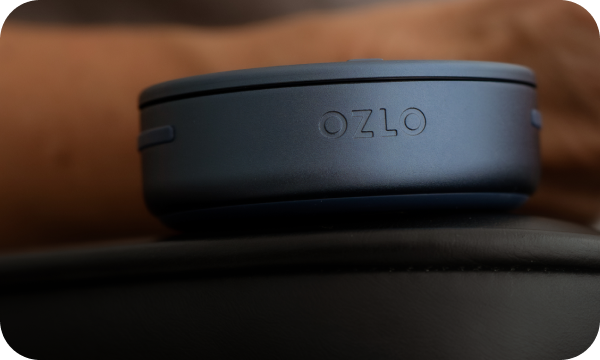
Ozlo Sleepbuds®
An amazingly restful and peaceful sleep every night, free from distractions and noise, is the greatest gift you can give!

What are Ozlo Sleepbuds?
Ozlo is a science-driven, one-stop-shop for the best sleep of your life. Unlike other headphones and earbuds, our tiny Sleepbuds® are engineered to be super comfy, even for side sleepers, while blocking out sleep-disrupting sounds.
Sleepbuds® play audio for up to ten hours, letting you enjoy our noise-masking tracks or stream anything you like, including audiobooks, podcasts, white noise, and YouTube.

The Ozlo Difference
At Ozlo, we're dedicated to helping you achieve the best sleep possible through innovative audio solutions. Our company, founded by three former Bose engineers, focuses on creating products that not only help you fall asleep, but stay asleep throughout the night.
Ozlo Sleepbuds® simply don’t feel like other earbuds. Sleepbuds stay in place even when you toss and turn. The tiny earbuds, with their comfortable silicone tips and anchor-in-place wings, are designed for all-night comfort, no matter your sleeping position. Sleep on your back, side, or whatever works for you, and Ozlo Sleepbuds® will remain in place throughout the night.

Key Highlights
- Founded by three former Bose engineers with extensive experience in audio tech
- Sleepbuds® actively mask unwanted sounds like snoring, traffic, and environmental noises with calming, science-backed audio.
- Ultra-soft silicone tips designed to support every sleeping position, ensuring a secure and comfortable fit.
- Up to 10 hours of continuous use with extra charges from the Smart Case.
- Built-in biometric and environmental sensors offering personalized sleep reports
- Personal alarm gently wakes you without disturbing your partner
Frequent or intense snoring has been linked to reduced sleep quality, which some people report affects their energy and focus during the day.
Practical Ways to Reduce Snoring Linked to Weight
If snoring seems to have increased alongside weight gain, there are a few strategies that might help reduce it. These steps won’t work for everyone, but they can be worth exploring.
Lifestyle adjustments:
-
Gradual Weight Loss: Some studies suggest that modest weight loss may be associated with improved airflow or reduced snoring in certain individuals. Reducing excess tissue may ease pressure on the airway.
-
Regular Movement: Physical activity can support overall well-being and may help maintain tone in the muscles around the throat and airway.
-
Sleep Position Changes: Sleeping on the back may worsen snoring. Shifting to your side and using a supportive pillow can sometimes reduce the severity.
-
Head Elevation: Raising the head slightly may help keep the airway more open. Wedge pillows or adjustable beds are commonly used for this.
-
Avoiding Sedatives and Alcohol Before Bed: Both can overly relax muscles in the airway, which might increase the chance of snoring.
-
Breathing Exercises: Some people find that simple breathing or throat exercises may help promote more stable airflow during rest, though results can vary.
Other Causes to Consider
Body weight is one of many factors that can play a role in snoring, but it’s not the only one. In some cases, the cause may be unrelated to weight entirely.
Other common contributors include:
-
Nasal congestion from allergies or illness
-
Smoking, which can irritate and inflame the airway
-
Enlarged tonsils or adenoids
-
Deviated nasal septum or structural issues
-
Family history of snoring or related conditions
Even individuals at a healthy weight can experience snoring, depending on their anatomy and sleep habits.
Conclusion
Obesity doesn’t automatically lead to snoring, but it may increase the chances for some people. The connection between body weight and sleep is complex and influenced by many factors, including airway anatomy and overall health.
Rather than focusing on blame or oversimplified solutions, the goal is to understand how these pieces fit together, and to explore small, practical steps that may help improve sleep over time.
FAQs
Can losing weight really help with snoring?
For some people, yes. Weight loss has been associated with reduced snoring in certain cases, but outcomes are different for everyone.
Is it possible to snore even if you're not overweight?
Absolutely. Weight is just one of several factors. Anatomy, congestion, or how you sleep can all influence snoring.
Why does snoring get worse when lying on your back?
When lying flat, gravity can pull the tongue and other soft tissues backward, narrowing the airway and increasing the likelihood of snoring.
Are there any quick fixes for snoring?
There’s no instant cure, but changing your sleep position, adjusting your pillow, or improving sleep habits may help reduce it.
Do people with more neck fat snore more?
Some studies suggest that extra tissue around the neck may increase airway resistance, but it doesn’t affect everyone the same way.
Can snoring affect your energy levels?
Yes. If snoring disrupts your sleep, it can leave you feeling tired during the day, even after a full night in bed.
Is snoring always a sign of a serious health issue?
Not necessarily. Snoring can be harmless for many people, but in some situations, it may point to an underlying sleep issue. It’s best to consider the context and consult a professional if concerned.


