







Can Nasal Strips Really Help With Snoring?
Snoring can be a nightly frustration, whether you're the one snoring or the one lying awake beside it. Among the many options people try, nasal strips tend to be one of the simplest. But what are they, what do they actually do, and are they worth trying if snoring is getting in the way of sleep?
Let’s walk through what nasal strips are designed for, when they might help, and when they probably won’t.

What Are Nasal Strips and When Might They Help?
Nasal strips are small adhesive bands worn across the bridge of the nose. They’re made with flexible material that gently lifts the sides of the nose outward. This action targets the nasal valve area – the narrowest part of the nasal passage near the nostrils, helping open the airflow in the outer part of the nose.
There are two types:
-
External nasal strips, which attach to the outside of the nose and gently pull the nostrils open
-
Internal nasal dilators, which sit inside the nostrils and keep them slightly expanded during sleep
Both aim to reduce airflow resistance in the front portion of the nasal passage. However, they don’t affect deeper obstructions, like those in the back of the nose or throat.
They tend to be most useful when snoring is linked to:
-
Nasal congestion from colds, allergies, or sinus infections
-
Swelling or inflammation in the nasal passages
-
Mild structural features, like narrow or collapsible nostrils
-
Environmental triggers, such as dust or seasonal irritants
That said, snoring often starts elsewhere – such as in the throat, soft palate, or tongue. In these cases, nasal strips are less likely to help. But for nasal-based snoring, especially the kind triggered by congestion or blockage in the outer nasal passages, they may offer short-term relief.
What They Don’t Do
Nasal strips have their limits. They are not designed to treat obstructive sleep apnea, which involves interruptions in breathing during sleep. In some cases, people with nasal congestion may feel like breathing is a bit easier when using strips, but this is not a substitute for medical care or diagnosis.
Nasal strips also don’t affect snoring caused by vibration in the soft palate or tongue. They don’t correct structural conditions like a deviated septum. However, some users with certain nasal characteristics might notice a temporary improvement in airflow.
Even when helpful, the effect is temporary. Nasal strips are used nightly and don’t offer a long-term solution.
Research at a Glance
Several studies have looked at whether nasal strips make a real difference:
-
A 1997 Swedish study found that habitual snorers without sleep apnea reported reduced snoring, mouth dryness, and daytime sleepiness when using Breathe Right nasal strips, as assessed by bed partners.
-
A 2016 literature review examining 14 studies found no significant benefit for people with sleep apnea but noted that nasal strips could help improve airflow for some snorers.
-
A 2018 clinical trial published by Allergy, Asthma & Clinical Immunology observed improvement in perceived sleep quality among users who had nasal congestion.
It’s worth noting that results vary, and some of the reported benefits may be tied to user perception rather than measurable changes. In other words, there may be a placebo effect at play for some people.
Pros and Cons of Nasal Strips
Pros
-
Easy to find in stores and pharmacies
-
No prescription or medication required
-
Non-invasive and simple to use
-
May offer quick relief for nasal-related snoring
-
Well tolerated by many users
Cons
-
Less effective for snoring caused by the throat or tongue
-
May not help with deeper nasal blockage
-
Adhesive can irritate sensitive skin
-
Require precise placement to be effective
-
Designed for one-time use, so must be restocked regularly
Alternatives for Long-Term Snoring Relief
If nasal strips fall short or if you’re looking for something more lasting, there are other tools and habits that might help. What works best depends on the underlying cause of the snoring.
-
Positional therapy: Changing sleep posture, especially avoiding lying on your back, may reduce snoring in some cases.
-
Humidifiers: Dry air can irritate nasal passages. Using a humidifier may help ease overnight congestion.
-
Nasal sprays: Saline or allergy sprays can reduce inflammation in the nose and support easier breathing.
-
Oral devices: Some mouthpieces are designed to shift the jaw position slightly, which some people use in an effort to manage snoring that may be related to the back of the throat.
-
Medical procedures: In some cases, people experiencing more persistent or complicated nasal issues may choose to consult with a medical provider to explore potential solutions.
-
Sleepbuds or sound-masking earbuds: These don’t reduce snoring but can help partners sleep through the noise. They’re designed to block or mask sound for a quieter experience. Check it out:
Ozlo Sleepbuds®
An amazingly restful and peaceful sleep every night, free from distractions and noise, is the greatest gift you can give!

What are Ozlo Sleepbuds?
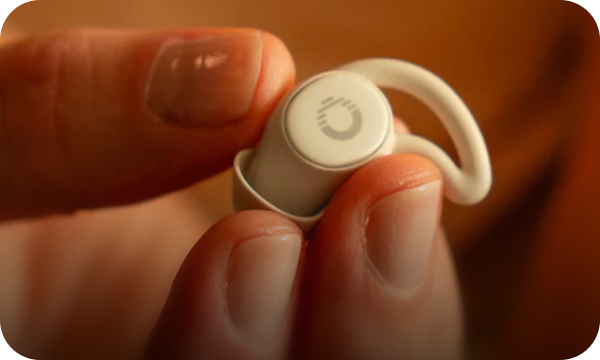
Ozlo is a science-driven, one-stop-shop for the best sleep of your life. Unlike other headphones and earbuds, our tiny Sleepbuds® are engineered to be super comfy, even for side sleepers, while blocking out sleep-disrupting sounds.
Sleepbuds® play audio for up to ten hours, letting you enjoy our noise-masking tracks or stream anything you like, including audiobooks, podcasts, white noise, and YouTube.

The Ozlo Difference
At Ozlo, we're dedicated to helping you achieve the best sleep possible through innovative audio solutions. Our company, founded by three former Bose engineers, focuses on creating products that not only help you fall asleep, but stay asleep throughout the night.
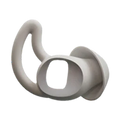
Ozlo Sleepbuds® simply don’t feel like other earbuds. Sleepbuds stay in place even when you toss and turn. The tiny earbuds, with their comfortable silicone tips and anchor-in-place wings, are designed for all-night comfort, no matter your sleeping position. Sleep on your back, side, or whatever works for you, and Ozlo Sleepbuds® will remain in place throughout the night.

Key Highlights
- Founded by three former Bose engineers with extensive experience in audio tech
- Sleepbuds® actively mask unwanted sounds like snoring, traffic, and environmental noises with calming, science-backed audio.
- Ultra-soft silicone tips designed to support every sleeping position, ensuring a secure and comfortable fit.
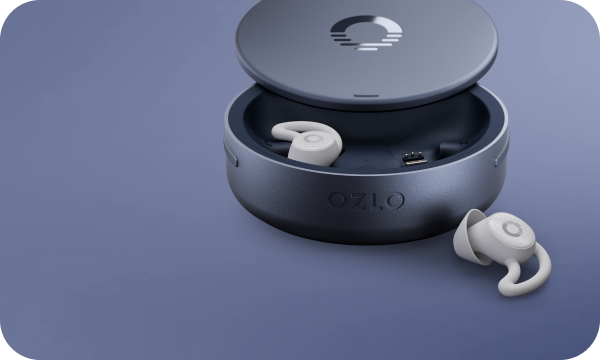
- Up to 10 hours of continuous use with extra charges from the Smart Case.
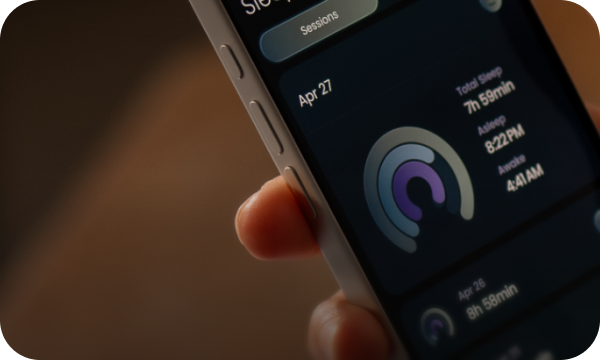
- Built-in biometric and environmental sensors offering personalized sleep reports
- Personal alarm gently wakes you without disturbing your partner
Conclusion
Nasal strips may help some people, particularly those whose snoring stems from nasal congestion or mild blockage near the nostrils. They’re low-effort and easy to try, but they don’t address more complex causes like throat obstruction or sleep apnea.
Their effectiveness is often tied to the source of the snoring. While they can be part of the solution, they usually aren’t the whole answer.
FAQs
Do nasal strips stop snoring completely?
Not for everyone. They might reduce snoring linked to nasal congestion, but they won’t work if the cause is further down the airway.
Can anyone use nasal strips?
Most people can. Those with sensitive skin might experience irritation from the adhesive.
How do you know if nasal strips will work for your snoring?
If you snore more when congested or during allergy season, they might help. If the snoring happens year-round and feels unrelated to your nose, they’re less likely to work.
Are nasal strips reusable?
No. They’re meant for one-time use and need to be replaced each night.
How do nasal strips compare to other snoring solutions?
They’re simple and easy to use but less comprehensive than other options like oral devices or medical treatment. They may help in the short term but won’t resolve deeper causes.
Can you combine nasal strips with other tools like humidifiers or sprays?
Yes. For example, using a nasal spray followed by a strip may offer more relief than either one alone, especially if congestion is a factor.
Do nasal strips help with sleep apnea?
They do not treat sleep apnea. At most, they might slightly improve airflow for someone with nasal blockage, but they aren’t a substitute for medical treatment.


