








Does Invisalign Actually Help with Snoring? Here's the Scoop
Snoring is a common nighttime disruption. For some, it’s a mild annoyance. For others, it affects sleep quality, relationships, and overall energy levels. While there are many products and strategies out there claiming to fix snoring, one lesser-known area of interest is Invisalign - a popular treatment for straightening teeth.
So, is there any connection between these nearly invisible aligners and nighttime snoring? The short answer is: maybe, but only in specific cases. Here's a closer look at how dental alignment might factor into nighttime breathing, and why this approach isn’t a one-size-fits-all solution.

Can Invisalign Help with Snoring?
Snoring typically happens when airflow is partially blocked during sleep. As the muscles around the throat and tongue relax, the airway can become narrower. That tighter space causes nearby tissues to vibrate, producing the snoring sound. In some people, the shape and position of the jaw may contribute to this issue.
Invisalign isn’t designed to address snoring. Its primary purpose is orthodontic, helping to align teeth and improve bite function. In some cases, dental alignment may have minor effects on jaw posture, but Invisalign is not designed to change jaw position or treat breathing issues.
Whether this actually improves snoring depends on the specific cause. It’s not a guaranteed outcome and should never be assumed without a professional evaluation.
When Jaw Alignment Affects Snoring
There are a variety of factors that can increase the likelihood of snoring:
-
Sleeping on your back
-
Extra weight around the neck
-
Nasal congestion or blockages
-
Alcohol or sedative use before bed
-
Weak muscle tone in the throat or tongue
-
A misaligned jaw or crowded teeth
If a person’s jaw alignment is making the airway more narrow, such as in cases of a deep bite, a narrow arch, or crowding that limits tongue space, then correcting that structure with Invisalign might be helpful. These changes may reduce resistance in the airway, but they are just one piece of a complex puzzle.
Where Invisalign Fits In
Invisalign is best known for using clear plastic aligners to gradually move teeth into a better position. It’s an orthodontic treatment used to address bite irregularities, spacing issues, and crowding.
What’s less commonly discussed is that jaw and dental alignment can also play a role in how air flows during sleep. For people whose snoring may be linked to how their jaw sits, Invisalign could potentially improve space for the tongue or change how the airway is shaped, but only in very specific cases.
How Jaw Alignment Affects Breathing
When the lower jaw is set too far back, it may cause the tongue to sit closer to the throat. This positioning can narrow the airway and increase the chance of tissue vibration during breathing. Orthodontic treatment like Invisalign primarily aligns teeth. While minor changes in jaw posture may occur in some cases, these are not intended outcomes and should not be expected as part of treatment for sleep-related issues.
These are potential side effects of orthodontic changes, not guaranteed outcomes. If jaw alignment is a contributing factor, Invisalign may support better airflow, but it is not a treatment for sleep-related breathing issues.
What Invisalign Actually Does
Invisalign works by guiding teeth into a healthier position using removable, BPA-free aligners. Each set of aligners is designed for a specific phase of movement and is replaced every few weeks throughout the course of treatment.
The aligners do not use metal brackets or wires. Because they are removable, they allow for regular brushing, flossing, and eating without restriction. Most people use Invisalign for cosmetic and functional dental goals, such as straightening teeth or correcting mild to moderate bite issues.
As alignment improves, the overall structure of the jaw can shift into a more functional position. For some users, improved alignment may affect how the jaw and tongue rest during sleep. While not intended as a treatment, these shifts may influence overall comfort. Still, any improvements in snoring should be considered secondary and not expected as a primary outcome.
What Invisalign Doesn’t Do
Even though Invisalign may impact the jaw's position over time, it does not address many of the more common or complex causes of snoring.
It won’t help in cases where snoring is caused by:
-
Nasal congestion, allergies, or sinus issues
-
Alcohol use or sleep-position habits
-
Weak airway muscles unrelated to jaw structure
-
Medical conditions such as obstructive sleep apnea
Invisalign is not a replacement for clinical treatments like CPAP therapy or mandibular advancement devices, which are specifically made to address breathing problems during sleep. While Invisalign may change how the mouth and teeth are positioned, it is not intended to affect breathing or treat any sleep-related issues.
Anyone considering Invisalign for potential snoring improvement should first confirm that jaw alignment is a relevant factor, and understand that results are not guaranteed.
What Else Might Help
Snoring can have many causes, which is why no single solution works for everyone. Improving sleep often means trying a combination of habits and tools, sometimes with professional guidance.
Lifestyle and Habit Changes
-
Switching sleep position: Side-sleeping may help reduce snoring
-
Cutting back on alcohol: Especially before bed, since it relaxes airway muscles
-
Keeping a consistent sleep schedule: Helps support deeper, more stable sleep cycles
-
Losing weight: Reducing neck or upper body weight may ease pressure on airways
Additional Tools and Strategies
Ozlo Sleepbuds®
An amazingly restful and peaceful sleep every night, free from distractions and noise, is the greatest gift you can give!

What are Ozlo Sleepbuds?
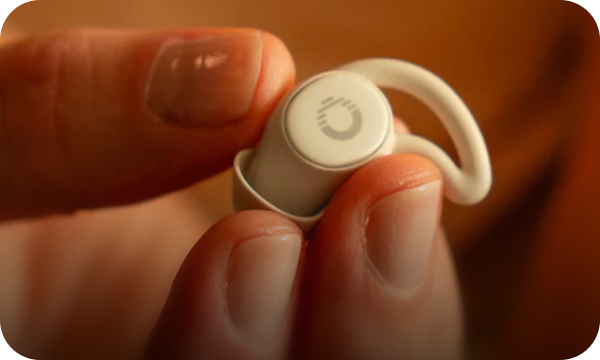
Ozlo is a science-driven, one-stop-shop for the best sleep of your life. Unlike other headphones and earbuds, our tiny Sleepbuds® are engineered to be super comfy, even for side sleepers, while blocking out sleep-disrupting sounds.
Sleepbuds® play audio for up to ten hours, letting you enjoy our noise-masking tracks or stream anything you like, including audiobooks, podcasts, white noise, and YouTube.

The Ozlo Difference
At Ozlo, we're dedicated to helping you achieve the best sleep possible through innovative audio solutions. Our company, founded by three former Bose engineers, focuses on creating products that not only help you fall asleep, but stay asleep throughout the night.
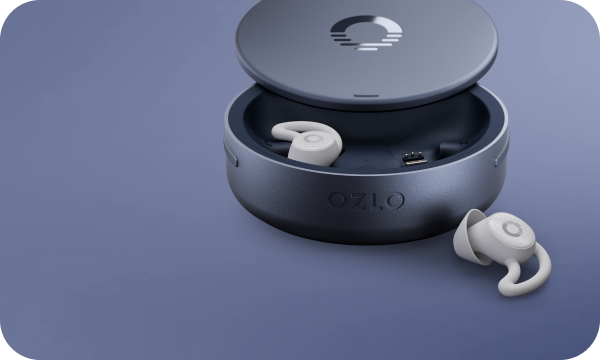
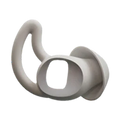
Ozlo Sleepbuds® simply don’t feel like other earbuds. Sleepbuds stay in place even when you toss and turn. The tiny earbuds, with their comfortable silicone tips and anchor-in-place wings, are designed for all-night comfort, no matter your sleeping position. Sleep on your back, side, or whatever works for you, and Ozlo Sleepbuds® will remain in place throughout the night.

Key Highlights
- Founded by three former Bose engineers with extensive experience in audio tech
- Sleepbuds® actively mask unwanted sounds like snoring, traffic, and environmental noises with calming, science-backed audio.
- Ultra-soft silicone tips designed to support every sleeping position, ensuring a secure and comfortable fit.
- Up to 10 hours of continuous use with extra charges from the Smart Case.
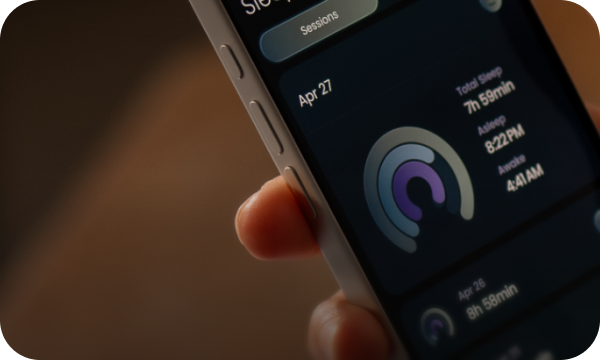
- Built-in biometric and environmental sensors offering personalized sleep reports
- Personal alarm gently wakes you without disturbing your partner
-
Nasal strips or dilators: Improve airflow through nasal passages
-
Humidifiers: Add moisture to dry indoor air and reduce throat irritation
-
Anti-snoring pillows: Help align the head and neck for better breathing
-
Mandibular advancement devices: Custom mouthguards that hold the jaw slightly forward
-
Sleep specialist consultations: Can help identify structural or medical causes of persistent snoring
Combining lifestyle improvements with supportive tools often leads to the most noticeable benefits, and helps rule out other contributing factors over time.
Is Invisalign Right for You?
If straightening your teeth or correcting bite alignment is already a goal, Invisalign may be worth exploring. For those who also snore, it’s important to determine whether jaw structure plays a role before expecting any impact on nighttime breathing.
Invisalign May Be Worth Considering If:
-
You’re interested in addressing mild to moderate dental alignment issues
-
You’ve been told that your jaw or bite may be affecting your breathing
-
You’ve already tried other non-medical snoring strategies without success
-
You prefer a removable and discreet alternative to braces
A consultation with a dental professional can help clarify whether Invisalign fits your cosmetic and functional goals. If snoring is a concern, especially in relation to possible sleep apnea, a sleep specialist should also be consulted to ensure proper evaluation and care.
Conclusion
Invisalign is a widely used orthodontic tool that helps guide teeth and jaws into better alignment. In some cases, those structural changes may support more open airways, especially if a misaligned bite is contributing to snoring. But that outcome is not guaranteed and shouldn’t be expected as the main purpose of treatment.
For anyone exploring snoring solutions, it’s always a good idea to start with a full evaluation. Understanding the cause of the snoring is the best way to decide which path forward might actually work. Invisalign might play a small role for some, but for many, the solution lies elsewhere.
FAQs
Does Invisalign stop snoring?
No, Invisalign is not designed to stop snoring. Its primary use is to align teeth and improve bite. In specific cases where jaw positioning contributes to snoring, alignment changes might help, but it’s not a consistent or guaranteed result.
Can a better bite really affect how someone breathes at night?
Sometimes. If the jaw position is interfering with airflow during sleep, correcting that alignment may support smoother breathing. But this depends entirely on individual anatomy and should be evaluated by a professional.
Will everyone who uses Invisalign snore less?
No. Snoring is often caused by factors unrelated to jaw alignment, like sinus issues, alcohol use, or sleep position. Invisalign is unlikely to affect those causes.
Can Invisalign reduce snoring over time?
In cases where jaw alignment is believed to influence snoring, changes in bite position may relate to how air moves during sleep. However, any potential effects would vary and should not be expected as a treatment outcome.
Is Invisalign a replacement for other snoring treatments?
Not at all. Invisalign is not a treatment for snoring or sleep-related breathing issues. It does not replace CPAP machines, sleep studies, or medically prescribed devices.
What should someone do if they want to try Invisalign to improve snoring?
The best first step is speaking with a dentist or orthodontist. They can determine if jaw alignment might be playing a role and whether Invisalign is likely to help. A full sleep evaluation may also be recommended before moving forward.


