








Can Flonase Actually Do Anything for Snoring?
Snoring is one of those things that seems harmless until it starts interrupting sleep. It’s noisy, often unpredictable, and in many cases, it’s linked to how freely air can move through the nose and throat during the night. Flonase is often mentioned by people looking for relief from nasal stuffiness, especially at night. But can it really make a difference when it comes to snoring? This article looks at how Flonase works and what people are actually experiencing when they use it.

What Is Flonase and Why Is It Mentioned for Snoring?
Snoring can have a variety of causes, but when nasal breathing is limited, mouth breathing often takes over - and that tends to be louder. This is where Flonase comes in for some people.
Flonase is an over-the-counter nasal spray that contains fluticasone, a commonly used ingredient in products for allergy-related nasal symptoms. It's typically used for managing:
-
Seasonal or year-round allergies
-
Runny or stuffy noses
-
Sneezing
-
Itchy or watery eyes
While Flonase is primarily intended for allergy-related nasal symptoms, it may also help relieve nasal congestion caused by viral infections like the common cold, though this is not its primary use. The spray is intended for regular use, and some people say they begin noticing results after a few days.
Some individuals dealing with nasal congestion say they noticed easier nighttime breathing after using Flonase. While it's not made to treat snoring directly, it may play a role when nasal blockage is a contributing factor.
Can It Help Reduce Snoring?
There’s no official indication that Flonase is designed for snoring. However, when congestion is part of the problem, some people find that addressing nasal congestion helps reduce the noise or frequency of snoring.
What Users Report
According to various online discussions and anecdotal feedback:
-
Some users say they could breathe more easily at night after using Flonase
-
A few mentioned feeling more comfortable with smaller CPAP masks due to improved airflow
-
Others noted that their congestion felt reduced before bed, making it easier to fall asleep
-
Some people used Flonase alongside saline rinses or allergy medication for better results
-
Not all feedback was positive. A few users didn’t notice much improvement or experienced irritation or dryness, leading them to stop use
These reports reflect individual experiences and should not be seen as universal outcomes. Any changes to treatment, especially with sleep therapy equipment, should be discussed with a medical provider.
Where Flonase Might Make a Difference
Flonase may be more commonly used by people who experience snoring that seems related to:
-
Seasonal allergies
-
Ongoing nasal inflammation
-
Fluctuating congestion
If snoring is mainly related to throat structure, sleep apnea, or other non-nasal causes, Flonase likely won’t have much impact.
Things to Know Before Using Flonase
Timing Matters
Several people noted that using Flonase at the same time each evening helped build its effect. Since it’s not fast-acting, consistent use over multiple days is often necessary.
It's Not a One-Solution-Fits-All
Some people say their snoring feels less intense when their nasal congestion is under control, but it isn’t a complete fix. Some users still needed CPAP or other equipment to manage nighttime breathing issues.
How to Use Flonase Effectively
If considering Flonase for nasal congestion at night, here are a few tips that came up in discussions:
-
Stick to the instructions: It’s meant for regular use, not one-time relief
-
Apply with care: Avoid sniffing too hard after spraying
-
Monitor for side effects: Some users report dryness or irritation with extended use, especially if not applied as directed
-
Use alongside other methods: Some people pair it with saline rinses or air purifiers to manage allergens
What About Long-Term Use?
Flonase is often used on a regular basis for allergy-related nasal symptoms, but that doesn’t mean it’s risk-free. Long-term use should always follow dosing guidelines. Some users mentioned needing breaks after extended use due to dryness or nosebleeds. If symptoms persist or worsen, it’s important to check in with a healthcare provider.
When to Explore Other Options
If snoring continues even with Flonase, or if it's paired with symptoms like gasping, choking, or daytime tiredness, it could be a sign of sleep apnea. That condition requires a different approach, and often starts with a sleep study.
Other strategies to consider include:
-
Changing sleep position: Side-sleeping may help reduce snoring
-
Oral devices: These adjust the position of the jaw or tongue to keep airways open
-
CPAP therapy: Sometimes used when sleep studies show interrupted nighttime breathing.
-
Environmental changes: Managing allergies with filters or keeping the room clean may help
-
Lifestyle shifts: Avoiding alcohol before bed, changing pillow types, or adjusting bedtime routines
And for those who are mostly trying to manage the sound of snoring from a partner, tech-based solutions like sleep-focused earbuds are becoming more common. These devices help mask background noise without relying on bulky headphones or constant white noise from a speaker. They're not designed to treat snoring, but they can make it easier to sleep through it. Here is the good ones:
Ozlo Sleepbuds®
An amazingly restful and peaceful sleep every night, free from distractions and noise, is the greatest gift you can give!

What are Ozlo Sleepbuds?
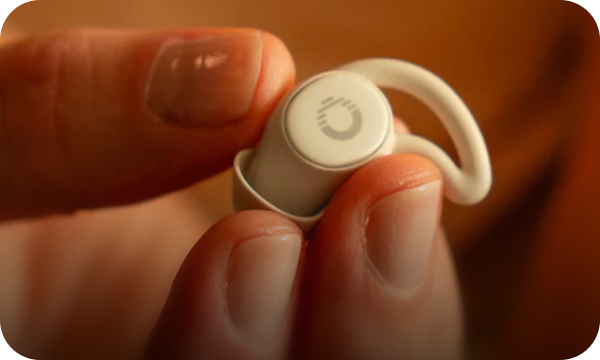
Ozlo is a science-driven, one-stop-shop for the best sleep of your life. Unlike other headphones and earbuds, our tiny Sleepbuds® are engineered to be super comfy, even for side sleepers, while blocking out sleep-disrupting sounds.
Sleepbuds® play audio for up to ten hours, letting you enjoy our noise-masking tracks or stream anything you like, including audiobooks, podcasts, white noise, and YouTube.

The Ozlo Difference
At Ozlo, we're dedicated to helping you achieve the best sleep possible through innovative audio solutions. Our company, founded by three former Bose engineers, focuses on creating products that not only help you fall asleep, but stay asleep throughout the night.
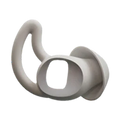
Ozlo Sleepbuds® simply don’t feel like other earbuds. Sleepbuds stay in place even when you toss and turn. The tiny earbuds, with their comfortable silicone tips and anchor-in-place wings, are designed for all-night comfort, no matter your sleeping position. Sleep on your back, side, or whatever works for you, and Ozlo Sleepbuds® will remain in place throughout the night.

Key Highlights
- Founded by three former Bose engineers with extensive experience in audio tech
- Sleepbuds® actively mask unwanted sounds like snoring, traffic, and environmental noises with calming, science-backed audio.
- Ultra-soft silicone tips designed to support every sleeping position, ensuring a secure and comfortable fit.
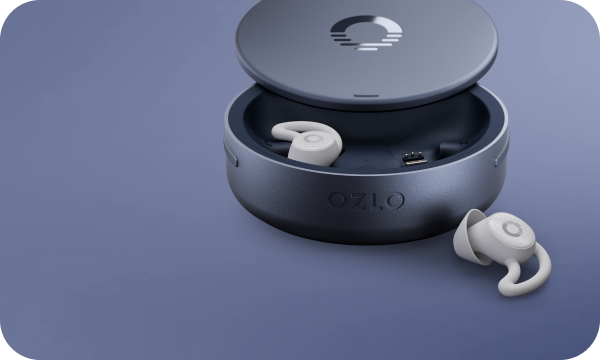
- Up to 10 hours of continuous use with extra charges from the Smart Case.
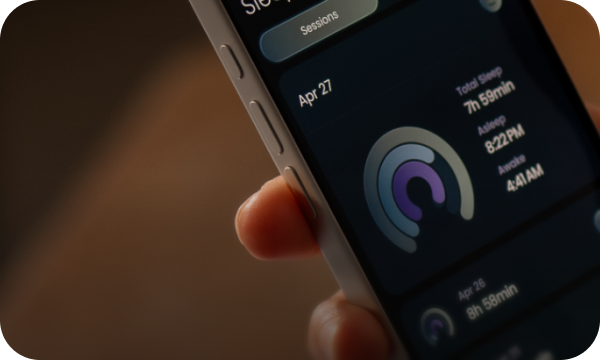
- Built-in biometric and environmental sensors offering personalized sleep reports
- Personal alarm gently wakes you without disturbing your partner
Final Thoughts
Flonase isn’t made to treat snoring, but in certain situations, it may help. When nasal congestion is part of the problem, reducing that blockage might lead to quieter nights. That said, it won’t address every cause of snoring. As with many sleep-related concerns, finding what works usually takes a bit of experimentation, and sometimes, professional guidance.
FAQs
Does Flonase stop snoring?
Not directly. It’s made for allergy-related nasal symptoms and may be helpful if stuffiness contributes to snoring.
How long does it take to work?
Flonase may start relieving symptoms within 12-48 hours, with maximum effectiveness typically achieved after 3-7 days of consistent daily use.
Is it safe to use every night?
Many people do use it daily. It’s important to follow the instructions and stop if irritation occurs.
Can I combine it with other products?
Yes, some users combine it with saline rinses or allergy pills, but it’s always good to check for interactions.
What if it doesn’t help?
If Flonase doesn’t improve snoring, other strategies like sleep position, dental devices, or sound-masking earbuds might help.
Does it help with all types of congestion?
No, it’s intended for allergy-related nasal symptoms, not short-term congestion from colds.
What side effects should I watch for?
Some users have mentioned mild irritation or dryness, especially with frequent use. If anything feels off, stop use and check in with a healthcare provider.


