










Can Drinking Be the Reason You're Snoring at Night?
A relaxing drink at the end of a long day might feel like the perfect way to wind down. But if snoring seems louder or more frequent after a few glasses of wine or beer, you're not imagining things. Alcohol can affect how well you breathe during sleep. Whether it's an occasional issue or part of your nightly routine, it’s worth understanding how drinking may influence your sleep and snoring.

Does Drinking Cause Snoring?
In short: yes, drinking can make snoring more likely. While it’s not the root cause for everyone, alcohol can raise the chances, especially if someone already snores from time to time.
Snoring often occurs when airflow through the nose or throat becomes restricted during sleep, which can lead to vibrations in soft tissues and create noise. It’s common and can vary night to night.
Alcohol may increase the likelihood of restricted airflow during sleep, especially for people who already snore. It relaxes the muscles that usually help keep the airway open, and in some people, it may also cause the nasal passages to swell. Together, these changes can lead to louder or more frequent snoring. Alcohol can exacerbate snoring in those who already snore and may also trigger snoring in some individuals who do not typically snore. By relaxing the muscles of the upper airway and increasing resistance to airflow, it can provoke snoring episodes even in people without a prior history.
What Alcohol Does to Your Body at Bedtime
Drinking close to bedtime may increase the chances of snoring. The way alcohol affects the body contributes to this in a few key ways:
Relaxes Muscles More Than Usual
Alcohol can slow down activity in the body and relax muscles, including those that usually help support the airway during sleep. This includes the tongue, soft palate, and throat. In people who are already prone to snoring, this extra muscle relaxation may allow the airway to narrow more than usual.
May Contribute to Nasal Congestion
Alcohol can dilate blood vessels, leading to swelling in the nasal passages in some individuals, and may also irritate the nasal mucosa. This additional irritation can increase nasal congestion and airway resistance, promoting mouth breathing and increasing the likelihood of snoring.
Can Dry Out the Throat
Alcohol is known to be dehydrating. When the throat is dry, tissues might become more irritated or prone to vibration, which could lead to increased snoring for some people.
How Timing and Quantity Make a Difference
Alcohol doesn’t affect everyone in the same way, but how much you drink and how close to bedtime you drink it can make a difference.
-
Higher amounts of alcohol can lead to deeper muscle relaxation, which increases the chance of snoring.
-
Drinking right before bed gives your body less time to process the alcohol, meaning its effects may be stronger while you’re asleep.
-
People who already snore may notice the problem becomes more frequent or intense after drinking.
Alcohol and Sleep Quality
Beyond snoring, alcohol may influence how the body moves through sleep stages. While it can help you fall asleep faster, alcohol significantly reduces time spent in REM sleep, a critical stage for restorative rest. It also increases sleep fragmentation by causing more frequent awakenings throughout the night, leading to poorer sleep quality and grogginess the next day.
Snoring vs. Something More Serious
Snoring is often harmless and mostly just noisy. But if it comes with symptoms like choking sounds, long pauses in breathing, or noticeable tiredness during the day, it may be worth paying closer attention.
Alcohol can worsen snoring and may also contribute to or trigger episodes of obstructive sleep apnea (OSA), even in individuals without a prior diagnosis. It can increase the frequency and severity of apneic events, reduce oxygen levels during sleep, and is considered a significant risk factor for sleep-disordered breathing. If snoring becomes frequent or disruptive, tracking how often it happens and what might be triggering it is a helpful first step.
Tips to Reduce Snoring After Drinking
Snoring after drinking isn’t guaranteed. A few small changes might help make the night quieter:
-
Watch the clock: Try to leave a 3 to 4-hour gap between your last drink and when you go to sleep. This gives your body more time to process the alcohol.
-
Stay hydrated: Drinking water between or after alcoholic drinks can help reduce dryness in the throat.
-
Sip in moderation: Cutting back on the number of drinks might reduce the chance of snoring, especially if you're already prone to it.
-
Sleep on your side: Sleeping flat on your back can make tissues collapse more easily. Side sleeping often keeps the airway more open.
-
Try gentle breathing support: Some people say that using tools like nasal strips or devices that change mouth position seems to make a difference in their snoring. These may be especially helpful after a night of drinking.
-
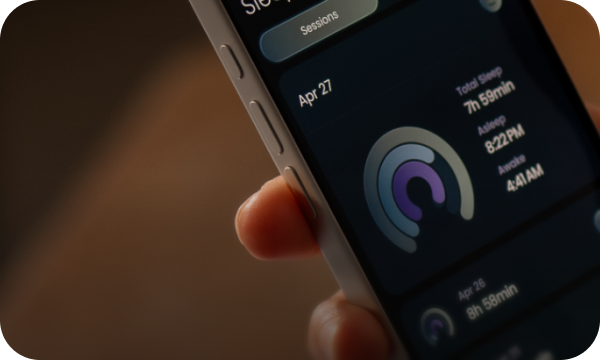
Track your patterns: If you notice more snoring after certain types of drinks, or after a certain number, keeping a simple sleep log may help spot what’s contributing to it.
When to Get Support
If snoring starts happening more often or leaves you feeling more tired, it might be helpful to notice when it happens and what might be contributing. Paying attention to your habits, especially how alcohol fits into your evening routine, can reveal patterns that are easy to overlook.
If the changes you’ve tried aren’t helping, it may be useful to talk to a professional about what you're experiencing. Sometimes, making sense of your sleep habits is about observing small patterns and adjusting your routine in a way that feels right for you.
Conclusion
Drinking doesn’t automatically mean you’ll snore, but for many people, it can make it more likely. From relaxed muscles to stuffy noses to lighter sleep, alcohol can nudge your body into a state where snoring is more likely to happen.
Fortunately, a few small tweaks in your routine, like staying hydrated, cutting back on drinks, or shifting the timing, can go a long way. The key is figuring out what works for you, so you (and anyone nearby) can sleep a little easier.
FAQs
Does alcohol always cause snoring?
Not always. Some people can drink and not snore at all. Others might notice louder or more frequent snoring depending on how much they drank or how close to bedtime it was.
Why do I snore more after drinking, but not every time?
It could be the timing, how much you drank, or even the position you slept in. Some nights, your body might be more relaxed or congested, which can make snoring more likely.
Should I stop drinking completely if I snore?
Not necessarily. If snoring is only occasional, spacing out drinks earlier in the evening or having fewer may already help. It's about finding what balance works for you.
How long before bed should I stop drinking?
Leaving about 3 to 4 hours between your last drink and bedtime gives your body time to process the alcohol and may reduce the chances of snoring.
Does one type of alcohol affect snoring more than another?
That can vary. Some people notice more congestion with certain drinks like red wine or beer. Paying attention to how different drinks affect your sleep might help you spot a pattern.
Does alcohol affect how well I sleep?
It can. Even if you fall asleep quickly, alcohol may lower the amount of restorative sleep you get. That might leave you feeling groggy the next day, even after being in bed for hours.


