












Does Congestion Cause Snoring? The Real Connection and What You Can Do
If you’ve ever had a stuffy nose and found yourself suddenly snoring through the night, you’re not imagining it. Nasal congestion is one of the most common, yet overlooked, causes of snoring. But how exactly does a blocked nose lead to those noisy nighttime vibrations? And more importantly, what can you do about it?
This article explores the direct link between congestion and snoring, identifying the physiological mechanisms involved, common causes of congestion, and how to break the cycle for better, quieter sleep.

How Congestion Causes Snoring
Nasal congestion refers to a blockage of the nasal passages, often caused by inflammation, swelling of the nasal tissues, or an excess of mucus. When the nasal airway is restricted, breathing through the nose becomes difficult or impossible. As a result, many people begin to breathe through their mouths while asleep.
Mouth breathing is a primary trigger for snoring. Unlike nasal breathing, mouth breathing alters the position of the tongue and soft palate, narrowing the airway and increasing resistance. This leads to turbulent airflow that causes surrounding tissues to vibrate - the sound we know as snoring. Mouth breathing caused by congestion dries out the mouth and throat, compounding irritation and making snoring more pronounced.
Common Causes of Nasal Congestion That Lead to Snoring
Understanding the root of your congestion is critical in addressing snoring effectively. Below are the most common contributors:
Allergies (Allergic Rhinitis)
Allergic reactions to pollen, dust mites, pet dander, and mold can cause the nasal passages to swell and overproduce mucus. Chronic allergies not only cause congestion but also increase your likelihood of becoming a mouth breather during sleep.
Colds and Respiratory Infections
Even a temporary cold or sinus infection can block nasal airflow enough to trigger snoring. During illness, increased mucus production and inflammation reduce the space available for air to pass through your nose.
Deviated Nasal Septum
A structural issue where the wall between the nostrils is crooked or off-center can make one or both nasal passages narrow. This reduces airflow and contributes to chronic congestion and snoring.
Nasal Polyps
Noncancerous growths inside the nasal passages can obstruct airflow, forcing mouth breathing. They are often associated with chronic inflammation or long-standing allergies.
Turbinate Hypertrophy
The turbinates are structures inside your nose that warm and humidify air. If they become enlarged due to infection or allergy, they can restrict nasal breathing and promote snoring.
Environmental Irritants
Dry air, air pollution, smoke, and even changes in indoor humidity can inflame the nasal lining, especially in people with sensitive sinuses.
Hormonal Changes
Hormonal fluctuations, such as those during pregnancy or menopause, can cause nasal congestion by increasing blood flow to the nasal tissues, leading to swelling and restricted airflow. This is often seen in pregnant women experiencing rhinitis of pregnancy.
Why Mouth Breathing Matters
When the nose is congested, the body defaults to breathing through the mouth during sleep. This bypasses the nose’s natural filtering and humidifying mechanisms. Mouth breathing during sleep not only increases the likelihood of snoring but also causes dry mouth, sore throat, and greater risk of dental issues.
Over time, chronic mouth breathing can weaken airway muscles and make snoring worse, even when congestion improves. This is why it’s essential to treat the root cause of congestion early, rather than rely on temporary workarounds.
The Role of Sleep Position and Airflow Resistance
Congestion doesn’t just make it harder to breathe - it changes your entire breathing mechanics during sleep. When lying down, gravity causes blood to pool in the nasal passages, increasing blockage. Combined with an open-mouth posture, this creates a narrow upper airway that is prone to vibration.
This is why people who only snore when they’re congested often notice it’s worst when sleeping on their backs. Side sleeping can sometimes reduce the effects of congestion by improving drainage and airway patency.
When Congestion Leads to Sleep Apnea
In some cases, blowing congestion can contribute to snoring and, in some cases, increase the risk of developing obstructive sleep apnea (OSA), particularly when combined with other risk factors like obesity or anatomical airway issues.. This condition involves partial or complete airway blockages that interrupt breathing multiple times per hour.
Warning signs that congestion-related snoring may have progressed to OSA include:
-
Loud snoring interrupted by pauses or choking sounds
-
Waking up gasping for air
-
Morning headaches
-
Daytime fatigue
-
Difficulty concentrating
-
Dry mouth and sore throat
If you experience these symptoms regularly, a sleep study may be necessary to confirm whether OSA is present.
How to Prevent Congestion-Induced Snoring
The key to reducing snoring triggered by nasal congestion is to keep your nasal passages clear, reduce inflammation, and support healthy airflow during sleep. Below are evidence-based strategies to help you breathe better and snore less:
Use saline nasal sprays or rinses
Saline solutions help clear mucus, allergens, and irritants from the nasal passages. Daily rinsing, especially before bed, can reduce inflammation and promote easier nasal breathing. This is particularly useful during allergy season or when recovering from a cold. Use saline nasal sprays or rinses regularly to clear mucus and irritants. Avoid overuse of decongestant nasal sprays (e.g., oxymetazoline), as prolonged use can lead to rebound congestion, known as rhinitis medicamentosa.
Take antihistamines or allergy medications
If allergies are the underlying cause of your congestion, over-the-counter or prescription antihistamines can reduce swelling and mucus production. Nasal steroid sprays may also be effective for long-term control of inflammation in the nasal lining.
Avoid sleeping on your back
Back sleeping causes the tongue and soft tissues to fall backward, narrowing the airway. This is even more problematic when the nose is blocked. Switching to side sleeping can significantly reduce both congestion and snoring by maintaining better airflow.
Elevate your head while sleeping
Sleeping with your head slightly elevated can prevent blood from pooling in the nasal tissues, which helps reduce swelling and promotes drainage. You can use a wedge pillow or raise the head of your bed by a few inches.
Use a humidifier
Dry air irritates nasal passages and makes congestion worse. A humidifier adds moisture to your sleep environment, helping to soothe inflamed tissues and loosen mucus, especially in winter or if you use indoor heating or air conditioning.
Limit exposure to environmental irritants
Common triggers like cigarette smoke, strong cleaning products, perfumes, pet dander, and dust can inflame your airways. Keeping your bedroom clean, using air purifiers, and avoiding known allergens can help minimize nasal blockage.
Consult an ENT specialist for structural issues
If your congestion is persistent and unresponsive to typical treatments, structural problems like a deviated septum, enlarged turbinates, or nasal polyps may be the root cause. An ENT (ear, nose, and throat) specialist can evaluate your anatomy and recommend medical or surgical options to restore airflow.
Maintain a healthy weight
Excess body weight, particularly around the neck, can narrow the airway and worsen snoring, even in the presence of congestion. Weight loss through a balanced diet and regular exercise can reduce snoring severity.
Supportive Solutions for Peaceful Sleep
While you're addressing the causes of congestion, your sleep doesn’t have to suffer. Noise-masking and sound therapy solutions can provide immediate nighttime relief - not by stopping snoring, but by making your sleep environment less disruptive.
Ozlo Sleepbuds®
An amazingly restful and peaceful sleep every night, free from distractions and noise, is the greatest gift you can give!

What are Ozlo Sleepbuds?
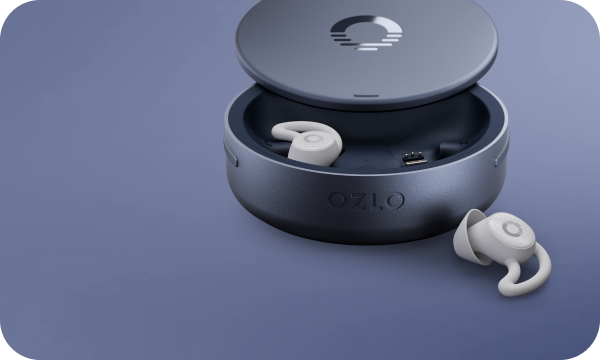
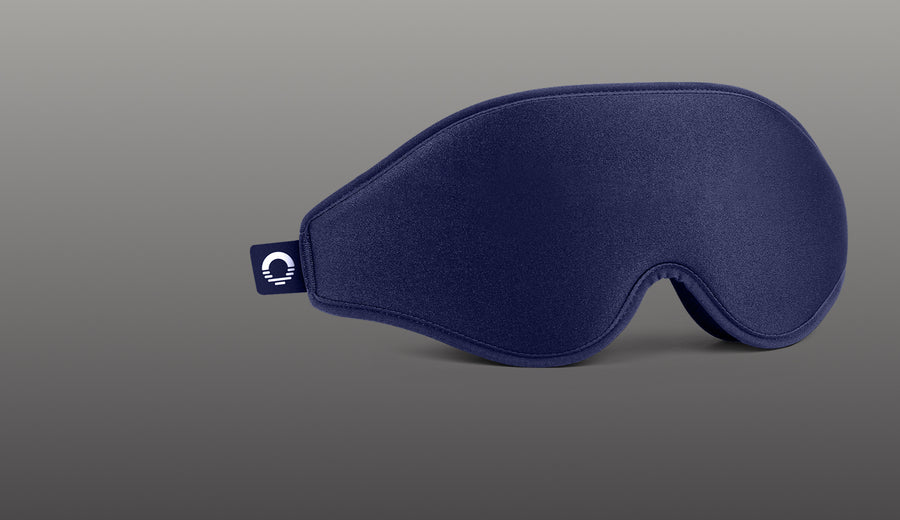
Ozlo is a science-driven, one-stop-shop for the best sleep of your life. Unlike other headphones and earbuds, our tiny Sleepbuds® are engineered to be super comfy, even for side sleepers, while blocking out sleep-disrupting sounds.
Sleepbuds® play audio for up to ten hours, letting you enjoy our noise-masking tracks or stream anything you like, including audiobooks, podcasts, white noise, and YouTube.

The Ozlo Difference
At Ozlo, we're dedicated to helping you achieve the best sleep possible through innovative audio solutions. Our company, founded by three former Bose engineers, focuses on creating products that not only help you fall asleep, but stay asleep throughout the night.
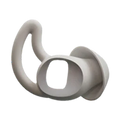
Ozlo Sleepbuds® simply don’t feel like other earbuds. Sleepbuds stay in place even when you toss and turn. The tiny earbuds, with their comfortable silicone tips and anchor-in-place wings, are designed for all-night comfort, no matter your sleeping position. Sleep on your back, side, or whatever works for you, and Ozlo Sleepbuds® will remain in place throughout the night.

Key Highlights
- Founded by three former Bose engineers with extensive experience in audio tech
- Sleepbuds® actively mask unwanted sounds like snoring, traffic, and environmental noises with calming, science-backed audio.
- Ultra-soft silicone tips designed to support every sleeping position, ensuring a secure and comfortable fit.
- Up to 10 hours of continuous use with extra charges from the Smart Case.
- Built-in biometric and environmental sensors offering personalized sleep reports
- Personal alarm gently wakes you without disturbing your partner
Conclusion
So, does congestion cause snoring? Absolutely. Nasal congestion limits airflow, increases the likelihood of mouth breathing, and creates ideal conditions for snoring to occur. While this type of snoring is often temporary, neglecting the underlying causes can lead to long-term sleep disturbances or even more serious issues such as obstructive sleep apnea.
By identifying the root cause of your congestion and taking targeted steps to improve nasal airflow, you can significantly reduce snoring. Whether it involves treating allergies, optimizing your sleep environment, or adjusting your sleeping position, a consistent and informed approach can help restore quiet, uninterrupted sleep.
FAQs
Can nasal congestion really cause snoring?
Yes. When your nasal passages are blocked, airflow becomes restricted, forcing you to breathe through your mouth. Mouth breathing increases the chances of airway vibration, which leads to snoring.
Is congestion-related snoring temporary or chronic?
It depends on the cause. If congestion is due to a cold or seasonal allergies, the snoring is usually temporary. However, chronic issues like a deviated septum or persistent allergies can lead to long-term snoring unless treated.
How can I tell if my snoring is due to congestion or something more serious?
If your snoring is accompanied by symptoms like gasping, choking, or frequent awakenings, it may be a sign of obstructive sleep apnea. If it’s mostly linked to nasal blockage and improves with decongestants or allergy meds, congestion is likely the cause.
Does sleeping on your back make congestion-related snoring worse?
Yes. Lying on your back can increase nasal congestion due to gravity and make your airway more likely to collapse. Side sleeping usually helps reduce both congestion and snoring.
What is the best way to prevent snoring caused by congestion?
Clearing nasal passages is key. Use saline sprays, treat underlying allergies, maintain indoor humidity, and avoid irritants like smoke and dust. If structural issues are involved, consult a specialist.


