












Does Belly Fat Cause Snoring? Understanding the Connection and How to Fix It
Snoring is one of the most common night time disturbances and is often dismissed as a minor inconvenience. However, it can also be a sign of more serious underlying issues. While many factors contribute to snoring, one that often goes overlooked is belly fat. But does belly fat really cause snoring? And if so, how?
In this article, we’ll explore the physiological relationship between belly fat and snoring, why excess abdominal fat can obstruct normal breathing during sleep, and how addressing this issue can lead to better sleep quality and overall health. We’ll also provide actionable tips to help manage belly fat and reduce snoring effectively.

What Causes Snoring?
To understand the impact of belly fat, it’s essential to first understand what causes snoring in general. Snoring happens when air flows through a narrowed or partially blocked airway, causing tissues in the throat to vibrate. This narrowing can be the result of several factors, including:
-
Nasal congestion
-
Enlarged tonsils or adenoids
-
Relaxed throat muscles during sleep
-
Sleeping on your back
-
Alcohol consumption
-
Obesity
-
Anatomical factors, such as a narrow airway, deviated septum, or retrognathia (receding jaw), and genetic predisposition to airway structure
While many of these are temporary or situational, excess body fat - particularly around the neck and abdomen - has a more consistent and chronic impact.
The Link Between Belly Fat and Snoring
Excess belly fat contributes to snoring by compressing the diaphragm and reducing lung volume, while neck fat directly narrows the upper airway, often playing a more immediate role in airway obstruction. Here’s how abdominal fat affects your ability to breathe during sleep:
1. Diaphragm Compression
Belly fat pushes up against your diaphragm, especially when you lie on your back. This upward pressure restricts the diaphragm's movement, which is essential for drawing air into the lungs. Limited lung expansion reduces the volume of air you take in and increases the likelihood of airway collapse.
2. Reduced Lung Volume
When fat accumulates around the midsection, it doesn’t just affect your appearance - it also compresses your rib cage and lungs. This leads to a reduction in lung volume and lowers the airflow needed to keep the upper airway open. Without enough airflow pressure, soft tissues in the throat collapse more easily and vibrate, causing snoring.
3. Increased Airway Resistance
The combination of less diaphragm movement and reduced lung capacity leads to greater resistance in the airway. More resistance means more vibration - and more snoring. This effect is especially pronounced during deep sleep when the muscles are most relaxed.
Belly Fat and Sleep Apnea
Snoring is not always just snoring. In many cases, it’s a symptom of obstructive sleep apnea (OSA), a serious sleep disorder characterized by repeated pauses in breathing during sleep. Belly fat is a known contributor to OSA for the same mechanical reasons it contributes to snoring.
Studies, such as those published in the Journal of Clinical Sleep Medicine, have shown that individuals with central obesity—fat concentrated around the abdomen—are at significantly higher risk for obstructive sleep apnea due to mechanical pressure. In fact, even a modest reduction in abdominal fat can lead to significant improvements in sleep quality and a reduction in apnea episodes.
Can Losing Belly Fat Reduce Snoring?
Yes, losing belly fat can help reduce or even eliminate snoring in many individuals. Here’s how:
-
Improved diaphragm function: Less fat pushing up from below allows your diaphragm to move more freely and efficiently.
-
Greater lung expansion: With reduced pressure on the lungs and rib cage, your body can take in more air with each breath.
-
Less airway collapse: Increased airflow keeps the upper airway open and stable during sleep.
Studies have found that even a 10-15% reduction in body weight can significantly reduce the severity of sleep apnea and habitual snoring. More substantial weight loss, such as after bariatric surgery, has led to complete resolution of OSA in some cases.
The Snoring-Obesity Cycle
There’s a bidirectional relationship between belly fat and poor sleep. Not only can belly fat cause snoring and sleep apnea, but sleep disruption from snoring can also lead to weight gain. Here’s how the cycle works:
-
Poor sleep leads to fatigue
-
Fatigue leads to less physical activity and poor food choices
-
Lack of energy drives cravings for sugar and high-calorie foods
-
Weight gain accumulates around the belly
-
Belly fat worsens snoring and sleep apnea
-
Chronic stress and emotional eating, often triggered by poor sleep, can further drive cravings for high-calorie foods, perpetuating the cycle of weight gain and worsening snoring.
Breaking this cycle requires a combined approach of weight loss, better sleep hygiene, and targeted interventions.
How Fat Distribution Affects Snoring Risk
Not all body fat is created equal. Where fat is stored plays a crucial role in determining your risk of snoring. Men, for example, are more likely to accumulate fat around the abdomen and chest - areas that directly impact breathing. Women, especially before menopause, tend to store fat in the hips and thighs, which has less effect on respiratory function.
After menopause, however, fat distribution in women becomes more centralized, which may explain the increased risk of snoring and sleep apnea in postmenopausal women.
Strategies to Reduce Belly Fat and Snoring
Reducing belly fat is one of the most effective ways to tackle snoring at its root. Here are science-backed strategies that can help:
-
Front-load your meals: Eat more in the morning and reduce intake in the evening
-
Cut back on refined carbs: Lower intake of sugar and starches to reduce fat storage
-
Exercise regularly: Aim for both cardio and strength training to boost metabolism
-
Sleep on your side: Reduces airway compression caused by gravity
-
Avoid late-night eating: Digesting large meals before bed can worsen reflux and breathing
-
Use a wedge pillow: Elevating your head helps keep airways open
Complementary Tools to Improve Sleep Quality
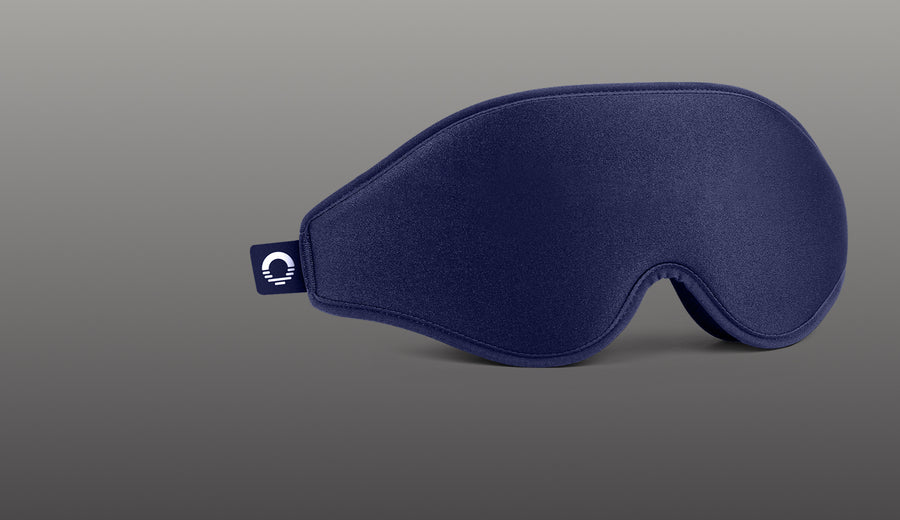
While addressing belly fat can significantly reduce snoring, the journey takes time. In the meantime, smart sleep solutions can help you get better rest despite ongoing noise disruptions. One such solution is using noise-masking sleep tech that promotes uninterrupted sleep.
Ozlo Sleepbuds®
An amazingly restful and peaceful sleep every night, free from distractions and noise, is the greatest gift you can give!

What are Ozlo Sleepbuds?
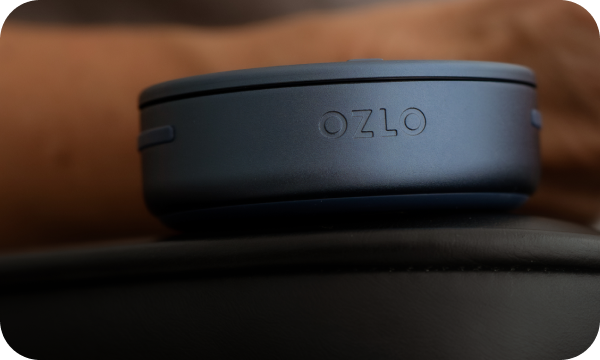
Ozlo is a science-driven, one-stop-shop for the best sleep of your life. Unlike other headphones and earbuds, our tiny Sleepbuds® are engineered to be super comfy, even for side sleepers, while blocking out sleep-disrupting sounds.
Sleepbuds® play audio for up to ten hours, letting you enjoy our noise-masking tracks or stream anything you like, including audiobooks, podcasts, white noise, and YouTube.

The Ozlo Difference
At Ozlo, we're dedicated to helping you achieve the best sleep possible through innovative audio solutions. Our company, founded by three former Bose engineers, focuses on creating products that not only help you fall asleep, but stay asleep throughout the night.
Ozlo Sleepbuds® simply don’t feel like other earbuds. Sleepbuds stay in place even when you toss and turn. The tiny earbuds, with their comfortable silicone tips and anchor-in-place wings, are designed for all-night comfort, no matter your sleeping position. Sleep on your back, side, or whatever works for you, and Ozlo Sleepbuds® will remain in place throughout the night.

Key Highlights
- Founded by three former Bose engineers with extensive experience in audio tech
- Sleepbuds® actively mask unwanted sounds like snoring, traffic, and environmental noises with calming, science-backed audio.
- Ultra-soft silicone tips designed to support every sleeping position, ensuring a secure and comfortable fit.
- Up to 10 hours of continuous use with extra charges from the Smart Case.
- Built-in biometric and environmental sensors offering personalized sleep reports
- Personal alarm gently wakes you without disturbing your partner
When to See a Doctor
Snoring caused by belly fat can often be managed through lifestyle changes. However, if your snoring is loud, persistent, or accompanied by other symptoms like choking during sleep, daytime drowsiness, or morning headaches, you should speak to a healthcare provider.
In addition to CPAP therapy and surgical options, positional therapy—using devices to encourage side sleeping—can help reduce snoring and mild OSA. Weight loss remains a primary strategy for improving symptoms in individuals with obesity-related OSA
A sleep study may be necessary to determine whether you have obstructive sleep apnea. Treatment for OSA may include CPAP therapy, oral appliances, or in some cases, surgical interventions. Addressing weight issues often enhances the effectiveness of these treatments.
Conclusion
Belly fat is a significant and often underestimated contributor to snoring. When excess abdominal fat accumulates, it places upward pressure on the diaphragm and compresses the lungs, particularly when lying down. This mechanical restriction reduces lung volume and limits airflow, increasing the likelihood of airway collapse and vibration - the two physiological events that lead to snoring. Beyond the nighttime disturbance, this compromised breathing can also affect oxygen saturation and overall sleep quality, potentially leading to fatigue, metabolic imbalance, and long-term health risks such as sleep apnea or cardiovascular strain.
Fortunately, this cycle can be interrupted. By actively addressing belly fat through sustainable lifestyle changes - including balanced nutrition, regular physical activity, and proper sleep positioning - many individuals experience a significant reduction in snoring and better overall rest. Understanding the connection between your body composition and sleep health is the first step toward meaningful and lasting improvement. With a consistent, well-rounded approach, quieter nights and refreshed mornings are well within reach.
FAQs
How exactly does belly fat contribute to snoring?
Belly fat presses against the diaphragm when lying down, limiting lung expansion and reducing airflow. This restriction increases the likelihood of airway collapse, which leads to vibrations in the throat and results in snoring.
Can losing just belly fat reduce snoring, or do I need to lose overall body weight?
Targeting belly fat specifically can help because it reduces pressure on the diaphragm and lungs. However, overall body fat reduction usually yields the most significant improvements in sleep quality and breathing patterns.
Why do men tend to snore more due to belly fat compared to women?
Men are more likely to store fat centrally - around the abdomen and chest - which directly affects respiratory mechanics. In contrast, premenopausal women typically accumulate fat around the hips and thighs, which has less impact on breathing.
How does belly fat increase the risk of sleep apnea?
Excess abdominal fat can indirectly narrow the upper airway by limiting lung volume and diaphragm function. This contributes to obstructive sleep apnea, a condition where the airway repeatedly collapses during sleep, often starting with chronic snoring.
Are there specific sleeping positions that help reduce snoring related to belly fat?
Yes. Sleeping on your side can help reduce snoring caused by belly fat. It prevents the abdominal mass from pressing directly against the diaphragm and improves airflow through the upper airway compared to lying on your back.


