







Do Night Guards Stop Snoring? Everything You Need to Know
Snoring is more than just an irritating sound in the middle of the night - it’s a widespread issue that can seriously disrupt sleep quality, affect health, and put strain on personal relationships. For some, it’s a mild annoyance. For others, it becomes a nightly struggle that leaves both the snorer and their partner feeling exhausted and frustrated. Whether it’s occasional or chronic, snoring often signals an underlying issue with airflow during sleep, and addressing it is key to achieving deeper, more restorative rest.
As awareness of sleep health continues to grow, so does interest in practical, non-invasive solutions. One such option that has gained significant attention is the night guard - specifically, a type known as a mandibular advancement device (MAD). These dental appliances are designed to reposition the lower jaw slightly forward during sleep, with the goal of opening the airway and reducing the vibrations that cause snoring. But can a mouthguard truly solve the problem? Or is it just another overhyped gadget?
In this article, we’ll take a closer look at how night guards work, what makes them effective in certain cases, and how they compare to other snoring treatments. We'll also examine their limitations, who should consider using them, and when snoring might be a sign of a more serious condition requiring medical attention.

What Is a Night Guard and How Does It Work?
A night guard is a dental appliance typically worn during sleep to address various oral and airway issues. It is available in two main forms:
-
Custom-made: created by a dentist based on an impression of your teeth
-
Over-the-counter (OTC): found in pharmacies or online, often boil-and-bite or one-size-fits-all models
Repositions the jaw and tongue forward to widen the airway, reducing obstruction and tissue vibration in the throat, which helps minimize snoring. When used to treat snoring, the most effective type is the mandibular advancement device (MAD). This night guard slightly moves the lower jaw forward, which helps prevent airway blockage and reduces the vibrations that cause snoring.
Here’s how a night guard helps reduce snoring:
-
Repositions the jaw: Gently shifts the lower jaw forward, increasing airway space.
-
Moves the tongue forward: Prevents it from collapsing backward and blocking airflow.
-
Stabilizes the soft palate: Helps reduce fluttering of tissues in the throat.
-
Improves airflow: A wider, more open airway reduces resistance and vibration.
-
Minimizes tissue collapse: Prevents obstruction that causes interrupted breathing.
This physical repositioning helps reduce snoring and may also benefit those with mild obstructive sleep apnea by keeping the airway open through the night.
Night guards are also widely used to treat bruxism (teeth grinding), offering a dual benefit for individuals who suffer from both grinding and snoring. The best results typically come from custom-fitted devices.
-
A more secure fit
-
Lower risk of jaw strain or shifting teeth
-
Higher long-term durability
In short, night guards don’t just suppress the sound of snoring - they work to correct one of its most common physical causes by supporting the airway and promoting smoother, quieter breathing during sleep.
Can Night Guards Actually Stop Snoring?
Studies, such as those published in the Journal of Sleep Research and Sleep and Breathing, suggest that night guards may reduce snoring in approximately 70% of patients, though effectiveness varies based on the device type and snoring cause.
The key to their success lies in anatomical compatibility. Night guards are particularly helpful for individuals whose snoring is caused by a narrowed airway due to jaw alignment or tongue position. By bringing the jaw forward, the device mechanically increases airway space, reducing obstruction.
However, they are not a universal solution. Night guards are less effective for individuals whose snoring stems from:
-
Nasal obstruction
-
Obesity-related airway compression
-
Central sleep apnea (not caused by airway blockage)
-
Night guards are less effective for snoring caused by nasal obstruction, obesity-related airway compression, central sleep apnea, enlarged tonsils or adenoids, or temporomandibular joint (TMJ) disorders, which may require alternative treatments
In these cases, lifestyle changes or medical treatments like CPAP therapy may be more appropriate. It’s also worth noting that improper use or poorly fitted devices can worsen symptoms or cause jaw discomfort.
Types of Night Guards and How to Choose the Right One
Night guards come in a variety of types and materials, each designed to meet specific needs depending on the severity of symptoms, comfort preferences, and budget. Understanding the differences is key to choosing the most effective option for snoring or related conditions like bruxism.
Over-the-Counter (OTC) Night Guards
These are the most widely available and budget-friendly options. You can find them at pharmacies or online in two main forms:
-
Boil-and-bite guards: Softened in hot water and then molded to the shape of your teeth at home. They provide a semi-custom fit and are more comfortable than one-size-fits-all models.
-
One-size-fits-all: Pre-formed guards that don’t require molding. These are the least comfortable and least effective, often leading to poor compliance.
Pros: Inexpensive, easily accessible
Cons: Limited lifespan, poor fit, may cause discomfort or jaw misalignment
Custom-Made Night Guards
These are professionally crafted based on a precise impression of your teeth, ensuring a snug, tailored fit. They are made in dental labs and are considered the gold standard for both bruxism and snoring-related issues.
Pros: Excellent fit, better comfort, higher effectiveness, durable
Cons: Higher cost, requires dental visit
Custom night guards also come in several variations, depending on materials and intended use:
-
Soft Night Guards: Made from pliable, rubber-like material. Ideal for light teeth grinders or individuals with mild snoring.
-
Hard Night Guards: Constructed from rigid acrylic, these guards are designed for severe teeth grinding or heavy clenching. They also help hold the jaw firmly in place, making them suitable for some snoring cases.
-
Dual Laminated Night Guards: These guards combine a soft inner layer for comfort with a hard outer shell for durability. They’re ideal for people who need strong protection without sacrificing comfort.
-
Thermoplastic Night Guards: These self-adjusting guards become flexible when warmed and then mold to your bite. They’re often used as an alternative to custom devices for those with mild needs.
How to Choose the Right Night Guard
Choosing the best night guard depends on a few key factors:
-
Severity of symptoms: Mild snoring or light grinding may be managed with soft or OTC guards, while more severe issues usually require a custom-made, hard or dual-laminated option.
-
Comfort and fit: A proper fit is essential. Ill-fitting guards can lead to jaw pain, poor sleep, or even worsen snoring.
-
Jaw structure and bite alignment: Individuals with TMJ issues or misaligned bites should always seek professional guidance to avoid complications.
-
Long-term use: For consistent nightly use, investing in a durable, well-fitting custom device is often more cost-effective over time.
Before purchasing or using any night guard for snoring, it’s strongly recommended to consult with a dentist or sleep specialist. They can assess the cause of your snoring and help determine whether a night guard is the right solution or part of a broader treatment plan.
When Snoring Signals a Bigger Health Problem
Snoring is sometimes more than just a nuisance - it can be a sign of obstructive sleep apnea (OSA), a serious sleep disorder where breathing repeatedly stops and starts during the night.
Warning signs that snoring may be a symptom of OSA include:
-
Pauses in breathing during sleep, often noticed by a partner
-
Gasping or choking sounds at night
-
Excessive daytime sleepiness
-
Difficulty concentrating or memory problems
-
Morning headaches or sore throat
-
Mood changes, irritability, or depression
In such cases, a night guard alone may not be enough. A proper sleep study (polysomnography) is recommended to determine the presence and severity of sleep apnea. If diagnosed with moderate or severe OSA, treatments like CPAP or positional therapy may be required in addition to - or instead of - oral appliances.
What If Your Partner Snores? Protecting Your Own Sleep
Living with someone who snores can be just as disruptive as snoring yourself. Bed partners often experience fragmented sleep, increased fatigue, and higher stress levels. While your partner seeks treatment, it’s important that you also protect your own sleep.
Ozlo Sleepbuds®
An amazingly restful and peaceful sleep every night, free from distractions and noise, is the greatest gift you can give!

What are Ozlo Sleepbuds?
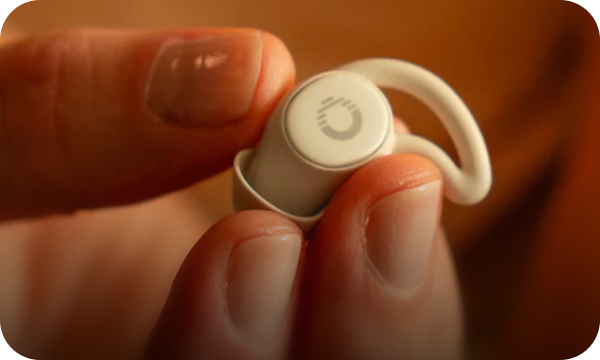
Ozlo is a science-driven, one-stop-shop for the best sleep of your life. Unlike other headphones and earbuds, our tiny Sleepbuds® are engineered to be super comfy, even for side sleepers, while blocking out sleep-disrupting sounds.
Sleepbuds® play audio for up to ten hours, letting you enjoy our noise-masking tracks or stream anything you like, including audiobooks, podcasts, white noise, and YouTube.

The Ozlo Difference
At Ozlo, we're dedicated to helping you achieve the best sleep possible through innovative audio solutions. Our company, founded by three former Bose engineers, focuses on creating products that not only help you fall asleep, but stay asleep throughout the night.
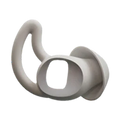
Ozlo Sleepbuds® simply don’t feel like other earbuds. Sleepbuds stay in place even when you toss and turn. The tiny earbuds, with their comfortable silicone tips and anchor-in-place wings, are designed for all-night comfort, no matter your sleeping position. Sleep on your back, side, or whatever works for you, and Ozlo Sleepbuds® will remain in place throughout the night.

Key Highlights
- Founded by three former Bose engineers with extensive experience in audio tech
- Sleepbuds® actively mask unwanted sounds like snoring, traffic, and environmental noises with calming, science-backed audio.
- Ultra-soft silicone tips designed to support every sleeping position, ensuring a secure and comfortable fit.
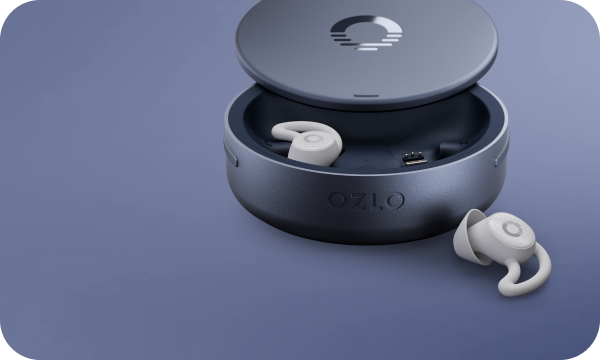
- Up to 10 hours of continuous use with extra charges from the Smart Case.
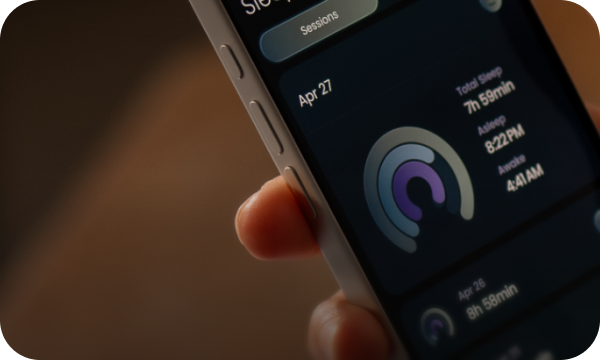
- Built-in biometric and environmental sensors offering personalized sleep reports
- Personal alarm gently wakes you without disturbing your partner
Conclusion
Night guards can be a highly effective solution for managing snoring, particularly when the root cause is related to jaw alignment or the positioning of the tongue during sleep. By gently advancing the lower jaw forward, they help open the airway and reduce the tissue vibrations responsible for snoring. For many people, especially those with mild to moderate symptoms and without more complex sleep disorders, night guards offer a simple, non-invasive alternative to more intensive therapies. Their effectiveness is supported by clinical research and patient reports, making them a valid option to consider for those seeking relief from chronic snoring.
That said, night guards are not a one-size-fits-all solution. Their success depends on identifying the true cause of snoring, which can range from anatomical issues to lifestyle factors or underlying medical conditions like obstructive sleep apnea. In some cases, they may need to be used in combination with other treatments, such as weight management, positional therapy, or medical interventions. Consulting with a dentist or sleep specialist is the best way to determine whether a night guard is appropriate for your specific case. With the right diagnosis and guidance, night guards can play a valuable role in improving both sleep quality and overall wellbeing.
FAQs
Are night guards and snore guards the same thing?
Not exactly. While both are oral appliances worn during sleep, night guards are primarily designed to prevent teeth grinding (bruxism), while snore guards - also called mandibular advancement devices - are made to reposition the jaw to reduce snoring. Some devices serve both functions, but they are not always interchangeable.
Do night guards help with sleep apnea?
Night guards may help in cases of mild to moderate obstructive sleep apnea, particularly if they are specially designed to reposition the lower jaw. However, they are not suitable for all cases. A proper diagnosis from a sleep specialist is essential before relying on a night guard to manage sleep apnea.
Can I use an over-the-counter night guard for snoring?
Over-the-counter night guards can help in some mild cases, but they often lack the precise fit needed to effectively reposition the jaw. Custom-made guards created by dental professionals are usually more effective, especially for persistent or severe snoring.


