












Do Adenoids Cause Snoring? Understanding the Role of Adenoids in Snoring and Sleep Disorders
*Important Notice: Please consult a doctor if you have any medical conditions. We do not provide medical advice or make claims, and we are not liable for individual health outcomes.
Snoring is a common sleep disturbance that affects millions of people worldwide. While many factors contribute to snoring, one often overlooked cause is the enlargement of the adenoids. Adenoids are small masses of lymphatic tissue located behind the nasal passages, and when they become enlarged, they can obstruct the airway, leading to snoring and other sleep-related issues. In this article, we will explore the connection between adenoids and snoring, discussing how adenoid enlargement contributes to this issue, the symptoms to watch for, and the available treatment options.

What Are Adenoids and How Do They Relate to Snoring?
Adenoids are part of the lymphatic system and are located at the back of the nasal cavity, near the roof of the mouth. They help the body fight infections by trapping germs that enter through the nose and mouth. In children, the adenoids are more prominent and play an important role in immune defense. However, as children grow older, the adenoids typically shrink. In children, frequent infections can cause adenoid enlargement, leading to airway obstruction. In adults, however, enlarged adenoids are a less common cause of snoring, as they typically shrink with age.
When the adenoids become enlarged, they can block the flow of air through the nasal passages. This can cause individuals to breathe through their mouths, which increases the likelihood of snoring. The restriction in airflow also creates vibrations in the tissues of the throat, resulting in the characteristic sound of snoring.
How Do Enlarged Adenoids Lead to Snoring?
Enlarged adenoids can obstruct the airway in several ways, leading to snoring and other sleep disturbances:
-
Nasal Obstruction: Enlarged adenoids can cause a partial or complete blockage of the nasal passages, making it difficult for air to flow freely through the nose. This leads to mouth breathing, which increases the chances of snoring.
-
Breathing Difficulties: As the adenoids block the airways, it can become harder to breathe properly during sleep. The restriction in airflow causes the throat tissues to vibrate, leading to snoring sounds.
-
Increased Pressure in the Throat: The resistance created by enlarged adenoids can increase pressure in the throat, which causes the soft tissues of the throat to vibrate, further contributing to snoring.
In severe cases, particularly in children, enlarged adenoids can contribute to obstructive sleep apnea (OSA), a condition where breathing is repeatedly interrupted during sleep due to blocked airways. Other factors, such as obesity or anatomical airway issues, may also contribute to OSA. This can lead to fragmented sleep, excessive daytime fatigue, and a range of other health problems.
Symptoms of Enlarged Adenoids Leading to Snoring
If you suspect that enlarged adenoids are causing snoring, it's essential to look out for the following symptoms:
-
Loud Snoring: Snoring, particularly when it is loud and frequent, is a key indicator that the airways may be obstructed due to enlarged adenoids.
-
Mouth Breathing: When nasal passages are blocked, individuals tend to breathe through their mouths. If someone is consistently breathing through their mouth during sleep, it could be a sign of enlarged adenoids.
-
Restless Sleep: People with enlarged adenoids often experience disrupted sleep, waking up frequently during the night or struggling to fall into deep sleep.
-
Pauses in Breathing: In more severe cases, pauses in breathing during sleep (sleep apnea) may occur, which can be a serious health concern.
-
Frequent Infections: Enlarged adenoids are often a result of frequent infections, such as colds or ear infections, as the adenoids may trap bacteria or viruses in the airways.
-
Daytime Symptoms in Children: Enlarged adenoids may also cause daytime issues in children, such as difficulty concentrating, irritability, or delayed growth and development due to chronic sleep disruption.
How to Diagnose Enlarged Adenoids
If you or your child are experiencing symptoms like snoring, mouth breathing, or restless sleep, it's essential to consult with a healthcare provider for an accurate diagnosis. The diagnostic process typically involves the following steps:
-
Physical Examination: A doctor will begin by conducting a physical examination of the throat to assess the size of the adenoids and determine if they are causing airway obstruction. This may involve looking for signs of swelling or inflammation.
-
Medical History: The doctor will ask about symptoms, frequency of infections, and any family history of adenoid-related issues. This helps understand the potential causes of enlarged adenoids.
-
Nasal and Throat Examination: The doctor may check the nasal passages and throat for any blockage or signs of infection that could be contributing to the enlargement of the adenoids.
-
Sleep Study (Polysomnography): If sleep apnea or other sleep disorders are suspected due to enlarged adenoids, a sleep study may be recommended. This test tracks breathing patterns, oxygen levels, heart rate, and other vital signs during sleep to evaluate the extent of airway obstruction and determine if it is affecting sleep quality.
-
Imaging Tests: In some cases, the doctor may recommend nasal endoscopy as the preferred method to visualize the adenoids and assess airway obstruction. X-rays or other imaging tests may be used less commonly due to radiation concerns.
-
Additional Tests: In rare cases, further tests, such as hearing or speech assessments, may be conducted to determine if enlarged adenoids are affecting other aspects of health, such as ear infections or speech difficulties.
In most cases, nasal endoscopy is the preferred method to visualize the adenoids and assess airway obstruction, while X-rays or other imaging tests are rarely used due to radiation concerns. Accurate diagnosis is crucial to determine the appropriate treatment and address any sleep-related issues caused by enlarged adenoids.
Treatment Options for Snoring Caused by Enlarged Adenoids
There are several treatment options available for addressing snoring caused by enlarged adenoids. The choice of treatment depends on the severity of the condition and the overall health of the individual.
Conservative Treatments
In mild cases, conservative treatments may help reduce the symptoms of snoring caused by enlarged adenoids. These treatments may include:
-
Steroid Nasal Sprays: Nasal steroids can help reduce inflammation in the adenoids, making it easier to breathe through the nose.
-
Allergy Management: If allergies are contributing to the enlargement of the adenoids, managing allergies with antihistamines or decongestants may help reduce symptoms.
-
Humidifiers: Using a humidifier in the bedroom can help keep the airways moist and reduce nasal congestion, making it easier to breathe during sleep.
Surgical Treatments
In cases where conservative treatments are not effective, surgery may be recommended to remove the enlarged adenoids. The two most common surgical options are:
-
Adenoidectomy: This is the surgical removal of the adenoids. It is often recommended when enlarged adenoids are causing significant airway obstruction or leading to sleep apnea. Adenoidectomy is typically performed on children but may also be performed on adults in certain cases.
-
Tonsillectomy and Adenoidectomy: If both the tonsils and adenoids are enlarged, they may be removed during the same surgery. This can help improve airway flow and reduce snoring.
Adenoidectomy is generally a safe procedure, but like any surgery, it carries potential risks such as bleeding or infection. A healthcare provider will weigh the benefits and risks to determine if surgery is appropriate. Recovery time is typically short, with most patients returning to normal activities within a week or two.
Simple and Effective Ways to Improve Your Sleep
For those seeking to enhance their sleep quality and minimize snoring, there are innovative solutions available that help mask disruptive noises and create a more peaceful sleep environment.
Ozlo Sleepbuds®
An amazingly restful and peaceful sleep every night, free from distractions and noise, is the greatest gift you can give!

What are Ozlo Sleepbuds?
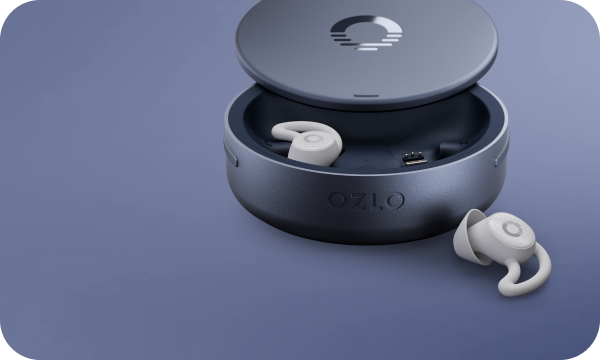
Ozlo is a science-driven, one-stop-shop for the best sleep of your life. Unlike other headphones and earbuds, our tiny Sleepbuds® are engineered to be super comfy, even for side sleepers, while blocking out sleep-disrupting sounds.
Sleepbuds® play audio for up to ten hours, letting you enjoy our noise-masking tracks or stream anything you like, including audiobooks, podcasts, white noise, and YouTube.

The Ozlo Difference
At Ozlo, we're dedicated to helping you achieve the best sleep possible through innovative audio solutions. Our company, founded by three former Bose engineers, focuses on creating products that not only help you fall asleep, but stay asleep throughout the night.
Ozlo Sleepbuds® simply don’t feel like other earbuds. Sleepbuds stay in place even when you toss and turn. The tiny earbuds, with their comfortable silicone tips and anchor-in-place wings, are designed for all-night comfort, no matter your sleeping position. Sleep on your back, side, or whatever works for you, and Ozlo Sleepbuds® will remain in place throughout the night.

Key Highlights
- Founded by three former Bose engineers with extensive experience in audio tech
- Sleepbuds® actively mask unwanted sounds like snoring, traffic, and environmental noises with calming, science-backed audio.
- Ultra-soft silicone tips designed to support every sleeping position, ensuring a secure and comfortable fit.
- Up to 10 hours of continuous use with extra charges from the Smart Case.
- Built-in biometric and environmental sensors offering personalized sleep reports
- Personal alarm gently wakes you without disturbing your partner
Conclusion
Enlarged adenoids are a common cause of snoring, particularly in children, and can lead to more serious sleep disorders, such as sleep apnea. If you suspect that enlarged adenoids are contributing to your snoring, it is important to consult with a healthcare provider for an accurate diagnosis and to explore treatment options. In mild cases, conservative treatments like nasal sprays or allergy management may help alleviate symptoms, while more severe cases may require surgical intervention, such as an adenoidectomy.
Addressing the root cause of snoring can significantly improve sleep quality and overall health. Whether through medical treatments or surgical options, taking proactive steps to reduce airway obstruction caused by enlarged adenoids is crucial in improving both your sleep and well-being in the long term.
FAQs
Can enlarged adenoids cause snoring?
Yes, enlarged adenoids can obstruct the airway, leading to snoring. The blockage forces individuals to breathe through their mouth, which increases the chances of snoring.
What are the symptoms of snoring caused by enlarged adenoids?
Common symptoms include loud snoring, mouth breathing during sleep, pauses in breathing, restless sleep, and frequent ear infections.
How are enlarged adenoids treated?
Treatment options for enlarged adenoids causing snoring include conservative methods such as nasal sprays or allergy management, as well as surgical options like adenoidectomy for more severe cases.


