








Can Snoring Cause Headaches?
Snoring might sound like a harmless annoyance, but if you often wake up with a dull headache, it could be a red flag. While snoring itself may not directly cause headaches, it is sometimes associated with poor sleep quality, disrupted breathing, or conditions such as sleep apnea. These issues can leave you feeling groggy, irritable, and dealing with that familiar ache in the head. Let’s break down what might really be happening, and when it's time to take it seriously.

Snoring and Headaches: A Closer Look at the Possible Link
Snoring doesn’t usually cause a headache by itself. But it’s often part of a bigger picture, fragmented sleep, oxygen drops during the night, and overall poor sleep quality. These factors can create the perfect setup for waking up with head pain.
People who snore frequently or loudly are more likely to experience:
-
Interrupted deep sleep
-
Lower oxygen levels during the night
-
Poor overall rest and increased fatigue
These factors may contribute to morning headaches in some individuals.
How Snoring Affects Sleep
Snoring occurs when air flow through the throat is partially blocked during sleep, causing soft tissues to vibrate. This can result in shallow breathing or brief awakenings, even if the person doesn’t realize it.
Effects of disrupted sleep from snoring can include:
-
Daytime grogginess or irritability
-
Trouble focusing or staying alert
-
Persistent fatigue, even after being “asleep” all night
Inconsistent oxygen flow and disrupted sleep may increase the likelihood of headaches in people who snore regularly.
Sleep Apnea and Headache Risk
What Is Sleep Apnea?
Sleep apnea is a medical condition closely linked to loud, chronic snoring. It involves repeated pauses in breathing throughout the night.
For people with sleep apnea:
-
Airflow stops briefly, sometimes dozens of times per hour
-
Oxygen levels in the blood drop
-
Sleep is constantly interrupted
How It Can Lead to Headaches
These breathing interruptions can affect blood flow and brain oxygenation, which may trigger headaches, often felt in the forehead or temples. Untreated sleep apnea has been associated with increased risk of certain health concerns, such as high blood pressure and cardiovascular problems, according to medical research.
Other Headache Types Linked to Poor Sleep
Poor sleep from snoring isn’t tied to just one kind of headache. Common types include:
-
Tension Headaches: Often feel like a tight band around the head. Bad sleep posture and muscle strain from restless nights can play a role.
-
Cluster Headaches: Intense, one-sided pain. Though rare, they can be triggered by changes in sleep cycles.
-
Morning Headaches: Are sometimes reported in individuals with untreated sleep apnea or persistent sleep disruption.
What Might Help
If snoring seems to be part of the problem, there are practical ways to reduce its impact, both for the person snoring and their sleep partner.
Simple Lifestyle Adjustments
-
Change sleeping position: Sleeping on the side instead of the back can help keep airways open
-
Address nasal congestion: Using saline sprays or keeping the bedroom air clean can make a difference
-
Limit alcohol before bed: Alcohol can relax throat muscles too much, increasing the chance of snoring
-
Maintain a regular sleep schedule: Going to bed and waking up at consistent times supports better sleep
Try Supportive Devices
Ozlo Sleepbuds®
An amazingly restful and peaceful sleep every night, free from distractions and noise, is the greatest gift you can give!

What are Ozlo Sleepbuds?
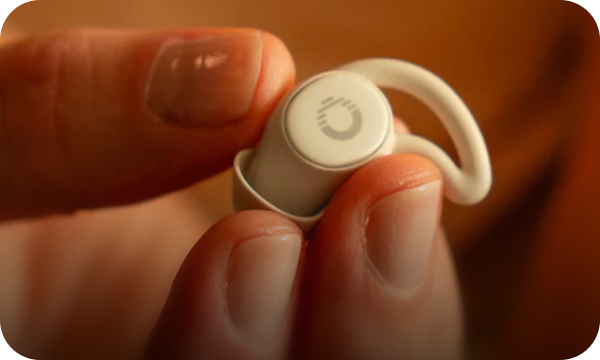
Ozlo is a science-driven, one-stop-shop for the best sleep of your life. Unlike other headphones and earbuds, our tiny Sleepbuds® are engineered to be super comfy, even for side sleepers, while blocking out sleep-disrupting sounds.
Sleepbuds® play audio for up to ten hours, letting you enjoy our noise-masking tracks or stream anything you like, including audiobooks, podcasts, white noise, and YouTube.

The Ozlo Difference
At Ozlo, we're dedicated to helping you achieve the best sleep possible through innovative audio solutions. Our company, founded by three former Bose engineers, focuses on creating products that not only help you fall asleep, but stay asleep throughout the night.
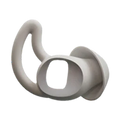
Ozlo Sleepbuds® simply don’t feel like other earbuds. Sleepbuds stay in place even when you toss and turn. The tiny earbuds, with their comfortable silicone tips and anchor-in-place wings, are designed for all-night comfort, no matter your sleeping position. Sleep on your back, side, or whatever works for you, and Ozlo Sleepbuds® will remain in place throughout the night.

Key Highlights
- Founded by three former Bose engineers with extensive experience in audio tech
- Sleepbuds® actively mask unwanted sounds like snoring, traffic, and environmental noises with calming, science-backed audio.
- Ultra-soft silicone tips designed to support every sleeping position, ensuring a secure and comfortable fit.
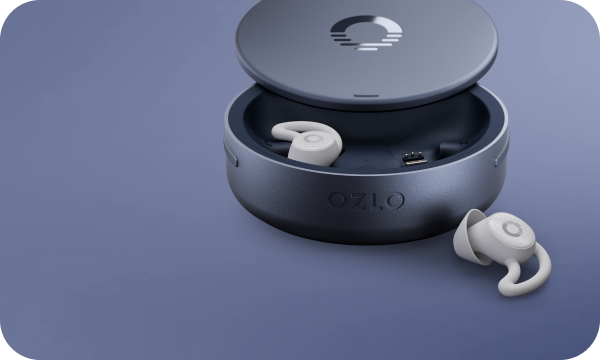
- Up to 10 hours of continuous use with extra charges from the Smart Case.
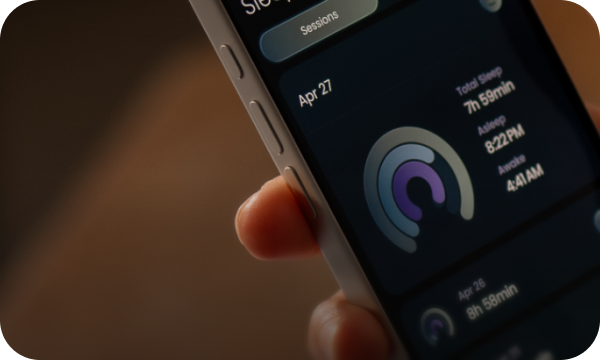
- Built-in biometric and environmental sensors offering personalized sleep reports
- Personal alarm gently wakes you without disturbing your partner
-
Nasal strips or dilators to improve airflow through the nose.
Anti-snoring mouthpieces that reposition the jaw. -
White noise machines for sleep partners affected by snoring.
-
Positional therapy devices that prevent back sleeping.
-
In cases of diagnosed sleep apnea, healthcare providers may recommend devices such as CPAP (continuous positive airway pressure) to help support airway function during sleep.
Know When to Seek Help
Snoring and headaches might seem like a small annoyance, but frequent episodes, especially if paired with fatigue, memory issues, or mood swings, can point to something more serious.
Talk to a healthcare provider if:
-
You wake up with headaches several times a week
-
Snoring is loud or choking/gasping sounds are reported during sleep
-
You still feel tired despite getting “enough” sleep
Healthcare providers sometimes suggest sleep studies to better understand patterns and identify possible conditions like sleep apnea.
Conclusion
Snoring isn’t always just about noise, it can signal disrupted sleep that chips away at your rest and well-being. Frequent morning headaches may be a sign of disrupted sleep or an underlying issue, and could be worth discussing with a healthcare provider.
The good news? You don’t have to live with it. From changing sleep habits to using helpful devices, and knowing when to call in a professional, there are plenty of steps that can lead to better sleep and clearer mornings.
FAQs
Can snoring cause you to wake up with a headache?
It can. If snoring leads to poor sleep or frequent awakenings, it might contribute to that heavy feeling in the head when the day starts.
Is it normal to feel tired and have a headache after a night of snoring?
Yes, that combination is fairly common. Tiredness and headaches can both show up when sleep gets interrupted throughout the night.
Do you need to be a loud snorer for it to affect your sleep?
Not necessarily. Even mild or occasional snoring can disrupt deep sleep and leave someone feeling off the next day.
What if you’re not the one snoring, but still wake up with a headache?
Sharing a room with a snorer can affect your sleep, too. Light, broken sleep can lead to next-day headaches, even if you're not the one making the noise.
Can improving sleep habits help reduce morning headaches?
It might. Things like adjusting sleep position, sticking to a bedtime routine, or cutting back on late-night alcohol could support better sleep and more refreshed mornings.
When should someone think about talking to a doctor?
If headaches after sleep happen regularly or seem to get worse, it could be helpful to bring it up with a healthcare provider. They may help clarify what’s contributing to the issue and offer guidance on possible next steps.


