







Can Post-Nasal Drip Cause Snoring? Causes, Treatment, and Solutions for Better Sleep
Snoring is a common problem that affects millions of people worldwide, and its causes are varied. One potential culprit that many people overlook is post-nasal drip. Post-nasal drip refers to the sensation of mucus dripping down the back of your throat, which can lead to a host of uncomfortable symptoms, including snoring. But can post-nasal drip actually cause snoring? In this article, we will explore how post-nasal drip can contribute to snoring, how it affects your sleep, and what you can do to alleviate both issues.

What is Post-Nasal Drip (PND) and its Symptoms and Causes?
Post-nasal drip (PND) is a condition where excess mucus produced in the nasal passages or sinuses accumulates and drips down the back of the throat, often causing discomfort. This condition can cause discomfort and disrupt your ability to breathe and sleep properly. The symptoms of PND often include a sore throat, coughing, the sensation of mucus in the throat, a feeling of blockage in the nose, and bad breath. It may also lead to more frequent throat clearing and a hoarse voice. PND can be caused by a variety of factors, including:
-
Upper Respiratory Infections: Common colds, flu, and other viral infections often lead to sinus inflammation, which increases mucus production. This can lead to a post-nasal drip.
-
Allergies: Allergens such as pollen, pet dander, or dust can trigger sinus inflammation. This results in excessive mucus production and drainage, contributing to post-nasal drip.
-
Chronic Sinusitis: This is a long-term condition in which the sinuses become inflamed due to ongoing infection or irritation. Sinusitis can lead to chronic post-nasal drip, often causing the mucus to drip down the back of the throat.
Understanding the underlying cause of post-nasal drip is crucial, as it helps determine the best course of treatment. When left untreated, PND can worsen and contribute to more serious issues like snoring, sleep disruptions, and general discomfort.
How Does Post-Nasal Drip Change During Seasonal Allergies or Colds?
Many people experience an increase in post-nasal drip during certain times of the year, such as during the spring allergy season. Seasonal changes bring about different types of allergens, like pollen, that can exacerbate sinus inflammation and increase mucus production. This makes the condition of post-nasal drip more pronounced.
Similarly, during colds or flu seasons, the body's immune response can lead to sinus congestion and increased mucus production, which worsens post-nasal drip. When mucus accumulates in the sinuses, it can drip down the back of the throat, leading to coughing, throat irritation, and, often, snoring.
The changes in air quality, humidity, and allergens in different seasons can also play a significant role. In colder months, dry air can irritate the sinuses and nasal passages, making the mucus thicker and more difficult to expel, increasing the chances of PND and its associated symptoms.
How Post-Nasal Drip Leads to Snoring
Snoring occurs when airflow through the mouth or nose is obstructed, causing the tissues in the throat to vibrate. While there are several reasons why snoring occurs, post-nasal drip can exacerbate the problem in the following ways:
-
Mouth Breathing: When your nasal passages are blocked due to sinus congestion or post-nasal drip, you may be forced to breathe through your mouth while sleeping. Mouth breathing can lead to snoring as the air passes over the soft tissues at the back of the throat, causing them to vibrate.
-
Obstruction by Mucus: Excess mucus from post-nasal drip can accumulate in the throat, irritating tissues and causing partial airway obstruction, which contributes to snoring by vibrating soft tissues, including the uvula and tongue. This can narrow the airway, making it harder for air to flow freely, which in turn increases the likelihood of snoring.
-
Increased Congestion: Post-nasal drip is often accompanied by nasal congestion. The inflammation and mucus buildup in the sinuses can lead to blocked airways. When air is forced through a narrowed or partially blocked airway, it causes the tissues in the throat to vibrate, resulting in the snoring sound.
-
Post-Nasal Drip Triggers Throat Irritation: As mucus drips down the back of your throat, it can irritate the soft tissues, leading to inflammation. This irritation further narrows the airway, which can exacerbate snoring.
Home Remedies and Tips for Reducing Post-Nasal Drip and Snoring
There are several home remedies and lifestyle changes that can help alleviate the symptoms of post-nasal drip and reduce the chances of snoring:
-
Use a Humidifier: Dry air can exacerbate sinus problems. Using a humidifier in your bedroom can help keep the air moist, which can soothe irritated nasal passages and reduce mucus buildup.
-
Drink Warm Liquids: Consuming warm liquids, such as herbal teas or broths, can help thin mucus and make it easier to expel. This can reduce throat irritation caused by post-nasal drip.
-
Use Saline Nasal Sprays or Rinses: A saline nasal spray or a neti pot can be used to rinse out the nasal passages and clear excess mucus. These treatments help to moisturize the nasal cavity and clear out allergens, thus reducing post-nasal drip and nasal congestion.
-
Elevate Your Head While Sleeping: Sleeping with your head elevated on a couple of pillows or an adjustable bed can help keep mucus from pooling in the back of your throat. This position can also help you breathe more easily and reduce snoring caused by airway obstruction.
-
Consider Natural Remedies: Natural remedies like honey, ginger, or chamomile tea can soothe the throat and may reduce inflammation, with some scientific evidence supporting their benefits for relieving throat irritation.
-
Avoid Smoking and Alcohol: Both smoking and alcohol can irritate the nasal passages and throat, exacerbating mucus production and increasing the likelihood of snoring. Cutting back on or eliminating these can help reduce the severity of post-nasal drip.
By adopting these practices, you can significantly alleviate the discomfort associated with post-nasal drip and improve your sleep quality, potentially reducing snoring as well.
Can Post-Nasal Drip Be Prevented?
While it may not be possible to completely prevent post-nasal drip, there are steps you can take to minimize its effects:
-
Avoid allergens that trigger sinus inflammation.
-
Use air purifiers to reduce airborne irritants.
-
Practice good hygiene by washing your hands regularly to avoid infections that can lead to sinus issues.
-
Maintain a healthy lifestyle by eating a balanced diet and exercising regularly to improve your overall health and immune system.
Medical Treatments for Snoring Related to Post-Nasal Drip (PND)
While home remedies can offer relief, medical treatments can be essential for more persistent or severe cases of snoring caused by post-nasal drip. Some effective medical treatments include:
-
Nasal Corticosteroids: These medications, typically available in spray form, reduce inflammation in the nasal passages, making it easier to breathe through the nose and decreasing mucus production. Regular use, as prescribed, can significantly improve nasal airflow and reduce snoring caused by congestion.
-
Antihistamines: Non-drowsy antihistamines help control allergic reactions that lead to nasal congestion and post-nasal drip. By blocking histamine, which causes swelling and mucus production, antihistamines can reduce snoring caused by allergies.
-
Saline Nasal Sprays: These can help rinse out mucus, allergens, and other irritants from the nasal passages, providing relief from congestion and snoring.
-
Surgery for Structural Issues: In cases where snoring is caused by structural problems like a deviated septum or nasal polyps, surgical interventions such as septoplasty or polypectomy may be necessary. These procedures help clear blockages and restore normal airflow, reducing or eliminating snoring.
-
CPAP (Continuous Positive Airway Pressure): If snoring is related to obstructive sleep apnea (OSA), which may be exacerbated by post-nasal drip, a CPAP machine may be recommended to keep the airway open during sleep.
Always consult a healthcare professional to determine the most appropriate treatment based on the severity of your snoring and the underlying cause.
Tips for a Restful Night
In addition to the tips mentioned above, there are also advanced solutions available that can help improve your sleep quality, even if snoring continues to disrupt your nights.
Ozlo Sleepbuds®
An amazingly restful and peaceful sleep every night, free from distractions and noise, is the greatest gift you can give!

What are Ozlo Sleepbuds?
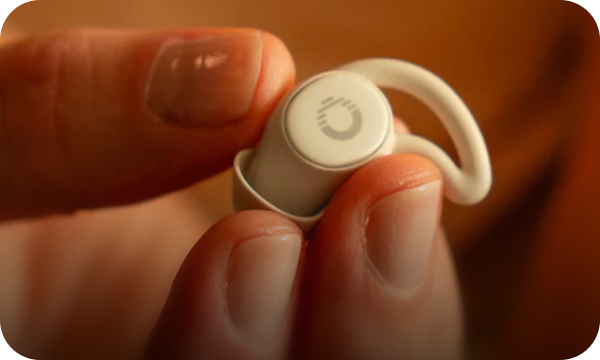
Ozlo is a science-driven, one-stop-shop for the best sleep of your life. Unlike other headphones and earbuds, our tiny Sleepbuds® are engineered to be super comfy, even for side sleepers, while blocking out sleep-disrupting sounds.
Sleepbuds® play audio for up to ten hours, letting you enjoy our noise-masking tracks or stream anything you like, including audiobooks, podcasts, white noise, and YouTube.

The Ozlo Difference
At Ozlo, we're dedicated to helping you achieve the best sleep possible through innovative audio solutions. Our company, founded by three former Bose engineers, focuses on creating products that not only help you fall asleep, but stay asleep throughout the night.
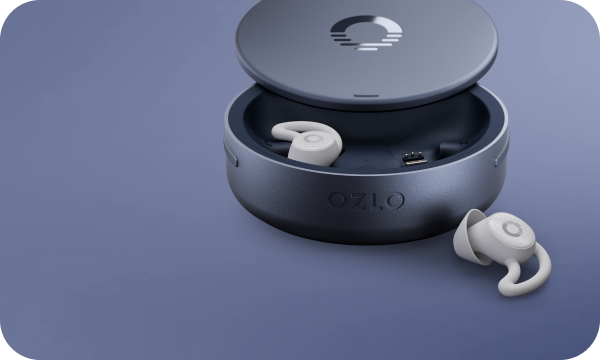
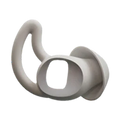
Ozlo Sleepbuds® simply don’t feel like other earbuds. Sleepbuds stay in place even when you toss and turn. The tiny earbuds, with their comfortable silicone tips and anchor-in-place wings, are designed for all-night comfort, no matter your sleeping position. Sleep on your back, side, or whatever works for you, and Ozlo Sleepbuds® will remain in place throughout the night.

Key Highlights
- Founded by three former Bose engineers with extensive experience in audio tech
- Sleepbuds® actively mask unwanted sounds like snoring, traffic, and environmental noises with calming, science-backed audio.
- Ultra-soft silicone tips designed to support every sleeping position, ensuring a secure and comfortable fit.
- Up to 10 hours of continuous use with extra charges from the Smart Case.
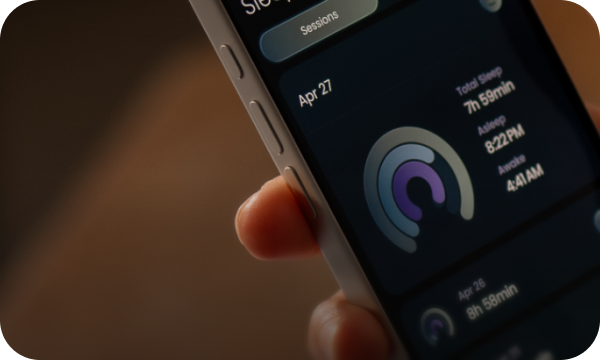
- Built-in biometric and environmental sensors offering personalized sleep reports
- Personal alarm gently wakes you without disturbing your partner
Conclusion
Post-nasal drip can indeed contribute to snoring, and addressing the root causes of both can help you enjoy a better night’s sleep. By staying hydrated, using a humidifier, and treating any underlying sinus or allergy issues, you can reduce the discomfort caused by post-nasal drip and prevent it from affecting your sleep. Additionally, simple solutions like elevating your head while sleeping or using nasal strips can help alleviate snoring caused by blocked airways.
If you find that post-nasal drip and snoring are affecting your quality of sleep, consider trying strategies like using earplugs or a white noise machine to mask disruptive sounds. These tools can help create a peaceful sleep environment, allowing you to stay asleep throughout the night.
By taking proactive steps to address post-nasal drip and snoring, you can improve your sleep quality and wake up feeling more rested and rejuvenated.
FAQs
Can post-nasal drip cause snoring?
Yes, post-nasal drip can lead to snoring by causing nasal congestion and forcing you to breathe through your mouth. This can lead to vibrations in the throat that result in snoring.
How can I stop snoring caused by post-nasal drip?
To stop snoring caused by post-nasal drip, try staying hydrated, using a humidifier, sleeping with your head elevated, and treating any underlying sinus issues. You can also use nasal strips or mouthguards to help open the airway.
Is post-nasal drip a serious condition?
While post-nasal drip itself is not usually a serious condition, it can lead to discomfort and disrupted sleep. If it is caused by an underlying condition like sinusitis or allergies, it is important to seek treatment to prevent further complications.


