














Can Enlarged Tonsils Cause Snoring? Understanding the Link Between Tonsils and Sleep Disruptions
Snoring is a widespread issue that affects people across all age groups, frequently disturbing the sleep of both the snorer and their partner. While snoring can result from a variety of causes, one factor that is often overlooked is the role of enlarged tonsils. Tonsils, which are part of the body’s immune system, can become swollen due to infections, allergies, or other factors, leading to airway obstruction. This narrowing of the airway can make breathing more difficult during sleep, contributing to the vibrations that cause snoring. In some cases, enlarged tonsils may also lead to more severe conditions like sleep apnea, which involves frequent pauses in breathing throughout the night.
If you're wondering whether large tonsils could be the cause of your snoring, it’s important to understand the link between tonsil enlargement and snoring. This article will explore the various causes behind enlarged tonsils, how they can lead to snoring, and the symptoms to watch out for. Additionally, we will discuss the available treatment options, from conservative methods to surgical interventions, aimed at alleviating snoring and improving overall sleep quality. By addressing the root cause of snoring, you can take important steps toward achieving more restful and uninterrupted sleep.

What Are Tonsils and Why Do They Matter?
Tonsils are lymphoid tissues at the back of the throat, contributing to the immune system, particularly in children, by helping to fight infections. There are two sets of tonsils: the palatine tonsils, located on either side of the throat, and the adenoids, located behind the nose. Tonsils are lymphoid tissues at the back of the throat that contribute to the immune system by helping to fight infections, though their role is not critical, and their removal typically does not significantly impact immunity.
When the tonsils become enlarged, they can obstruct the airway, making it harder to breathe properly during sleep. This obstruction leads to turbulent airflow through the throat, causing the tissues in the upper airway to vibrate. The result is the characteristic sound of snoring. In severe cases, enlarged tonsils can also contribute to sleep apnea, a condition where breathing repeatedly stops and starts during sleep.
Can Large Tonsils Cause Snoring?
The short answer is yes, large tonsils can cause snoring. When the tonsils become swollen or enlarged, they can obstruct the normal flow of air through the throat. This restriction increases airflow resistance, causing the soft tissues in the throat to vibrate as air passes through. The vibrations create the snoring sound.
It's important to note that snoring can occur in people with varying degrees of tonsil enlargement. Some individuals may have slightly enlarged tonsils and snore occasionally, while others with significantly enlarged tonsils may snore loudly and experience disrupted sleep.
How Enlarged Tonsils Lead to Snoring
When the tonsils become swollen, they can narrow the airway, making it harder to breathe comfortably during sleep. As a result, the airflow becomes turbulent, causing the tissues in the throat to vibrate. The intensity of snoring often correlates with the degree of airway obstruction, meaning that more severe cases of tonsil enlargement tend to lead to louder and more frequent snoring.
In some cases, this obstruction can contribute to pauses in breathing during sleep, increasing the risk of obstructive sleep apnea (OSA), though other factors like obesity or anatomical issues may also play a role. OSA is a sleep disorder where the airway becomes completely blocked, causing the individual to briefly stop breathing multiple times throughout the night. This can lead to poor sleep quality, excessive daytime fatigue, and other health problems.
Factors Contributing to Enlarged Tonsils
Enlarged tonsils are not always a permanent condition, but several factors can contribute to their growth:
-
Infections: Chronic throat infections, such as tonsillitis, can cause the tonsils to swell. This inflammation can make the tonsils larger and obstruct the airway, leading to snoring.
-
Allergies: Allergies can lead to nasal congestion and swelling of the adenoids, which can indirectly contribute to enlarged tonsils and snoring.
-
Genetics: Some individuals are predisposed to larger tonsils due to their genetic makeup. Children, in particular, may experience enlarged tonsils as part of normal development, but this can cause snoring if the enlargement obstructs the airway.
-
Environmental Factors: Environmental factors, such as chronic exposure to irritants like secondhand smoke, may contribute to tonsil inflammation, potentially exacerbating snoring or sleep issues.
Symptoms of Snoring Due to Enlarged Tonsils
If enlarged tonsils are causing snoring, there are a few common symptoms to look for:
-
Snoring: Loud, persistent snoring is one of the most common signs of enlarged tonsils.
-
Difficulty Breathing: Enlarged tonsils can cause difficulty breathing through the nose, especially during sleep, forcing individuals to breathe through their mouth.
-
Sleep Apnea: In more severe cases, enlarged tonsils can cause pauses in breathing during sleep, a hallmark of obstructive sleep apnea.
-
Restless Sleep: Snoring and breathing difficulties can lead to disrupted sleep, causing individuals to wake up frequently during the night or feel unrefreshed upon waking.
-
Mouth Breathing: Enlarged tonsils often lead to chronic mouth breathing, as the nasal passages may be blocked or narrowed.
If you notice any of these symptoms, it is important to seek medical advice from an ENT specialist who can evaluate the situation and recommend appropriate treatments.
How Are Enlarged Tonsils Diagnosed?
Diagnosing enlarged tonsils typically involves a physical examination by a healthcare provider. In addition to a physical examination, doctors may use nasal endoscopy or imaging tests, such as X-rays, to assess the adenoids or the extent of airway obstruction.Diagnosing enlarged tonsils typically involves a physical examination of the throat to assess tonsil size, while nasal endoscopy or imaging tests, such as X-rays, may be used to evaluate adenoids or the extent of airway obstruction.
The doctor will examine the throat to assess the size of the tonsils and determine whether they are obstructing the airway. If the tonsils are enlarged and contributing to snoring or sleep apnea, further diagnostic tests, such as a sleep study (polysomnography), may be recommended to evaluate the severity of the condition and rule out other possible causes.
Treatment Options for Snoring Caused by Enlarged Tonsils
If enlarged tonsils are determined to be the cause of snoring, treatment options may vary depending on the severity of the condition. Here are some common treatments:
Conservative Treatments
In many cases, the symptoms of snoring caused by enlarged tonsils may improve over time without the need for surgical intervention. Conservative treatments include:
-
Nasal Steroid Sprays: For individuals with allergic rhinitis or nasal congestion, nasal steroid sprays can help reduce swelling in the airways, improving breathing and potentially reducing snoring.
-
Allergy Management: Managing allergies with antihistamines or decongestants can help reduce inflammation and swelling in the tonsils and adenoids.
-
Weight Management: In some cases, weight loss can reduce airway obstruction by decreasing fatty tissue in the throat, improving breathing during sleep.
Surgical Options
If conservative treatments are ineffective and snoring or sleep apnea persists, surgery may be recommended. The two most common surgical treatments for enlarged tonsils are:
-
Tonsillectomy: This procedure involves the complete removal of the palatine tonsils, which can provide long-term relief from snoring and prevent airway obstruction.
-
Adenoidectomy: In cases where the adenoids are enlarged and contributing to snoring, the removal of the adenoids may be recommended. Sometimes, both the tonsils and adenoids are removed during the same surgery.
These surgeries are generally performed under general anesthesia, and patients typically require a week or two for recovery. While surgical options can be highly effective, they are usually considered when other treatments have failed.
Solution to Improve Your Sleep Quality
While treating enlarged tonsils and snoring may require medical intervention, there are tools available to help improve sleep quality in the meantime.
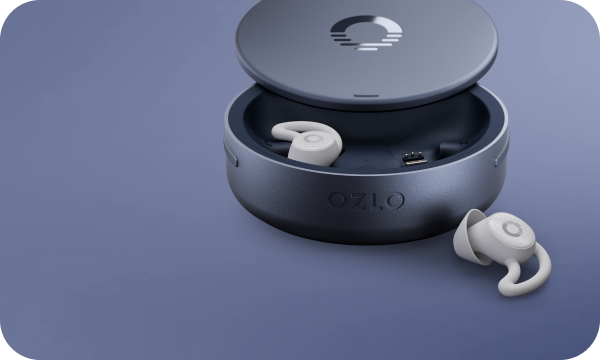
Ozlo Sleepbuds®
An amazingly restful and peaceful sleep every night, free from distractions and noise, is the greatest gift you can give!

What are Ozlo Sleepbuds?
Ozlo is a science-driven, one-stop-shop for the best sleep of your life. Unlike other headphones and earbuds, our tiny Sleepbuds® are engineered to be super comfy, even for side sleepers, while blocking out sleep-disrupting sounds.
Sleepbuds® play audio for up to ten hours, letting you enjoy our noise-masking tracks or stream anything you like, including audiobooks, podcasts, white noise, and YouTube.

The Ozlo Difference
At Ozlo, we're dedicated to helping you achieve the best sleep possible through innovative audio solutions. Our company, founded by three former Bose engineers, focuses on creating products that not only help you fall asleep, but stay asleep throughout the night.
Ozlo Sleepbuds® simply don’t feel like other earbuds. Sleepbuds stay in place even when you toss and turn. The tiny earbuds, with their comfortable silicone tips and anchor-in-place wings, are designed for all-night comfort, no matter your sleeping position. Sleep on your back, side, or whatever works for you, and Ozlo Sleepbuds® will remain in place throughout the night.

Key Highlights
- Founded by three former Bose engineers with extensive experience in audio tech
- Sleepbuds® actively mask unwanted sounds like snoring, traffic, and environmental noises with calming, science-backed audio.
- Ultra-soft silicone tips designed to support every sleeping position, ensuring a secure and comfortable fit.
- Up to 10 hours of continuous use with extra charges from the Smart Case.
- Built-in biometric and environmental sensors offering personalized sleep reports
- Personal alarm gently wakes you without disturbing your partner
Conclusion
Enlarged tonsils can indeed be a significant factor in causing snoring, and in some cases, they may lead to more serious sleep disorders such as obstructive sleep apnea. When the tonsils become enlarged, they can obstruct the airflow in the throat, leading to vibrations in the surrounding tissues that create the snoring sound. In severe cases, this obstruction can cause pauses in breathing, which is the hallmark of sleep apnea, a condition that can lead to fragmented sleep and long-term health problems if left untreated.
If you suspect that enlarged tonsils are the cause of your snoring, it is crucial to consult with a healthcare provider for an accurate diagnosis. A healthcare professional will evaluate your symptoms and may perform diagnostic tests such as a physical examination or sleep study to determine the extent of the airway obstruction. Based on the findings, they will suggest appropriate treatment options tailored to your condition.
Treatment for enlarged tonsils causing snoring can range from conservative approaches, such as medication or allergy management, to more invasive procedures, including surgery. For example, nasal sprays or antihistamines may help reduce swelling in the tonsils, while in more severe cases, a tonsillectomy (the surgical removal of the tonsils) might be recommended to improve breathing and restore better sleep quality. While surgery can provide long-term relief, conservative treatments are often the first line of defense for managing enlarged tonsils and their impact on sleep.
Taking proactive steps to address the underlying issue of snoring is essential not only for improving your sleep quality but also for enhancing your overall health. Chronic snoring, especially when associated with conditions like sleep apnea, can contribute to a range of health issues, including daytime fatigue, heart problems, and difficulty concentrating. By addressing the root cause of snoring, you can enjoy more restful and restorative sleep, which is vital for maintaining optimal health and well-being in the long term.
FAQs
Can enlarged tonsils cause snoring?
Yes, enlarged tonsils can cause snoring as they may partially block the airway during sleep, leading to vibrations in the throat tissues, which produce the characteristic snoring sound.
How is snoring caused by enlarged tonsils diagnosed?
Diagnosis typically involves a physical examination of the throat by a healthcare provider to assess the size of the tonsils. Additional tests, such as polysomnography, may be conducted to rule out other issues like sleep apnea.
What treatment options are available for snoring caused by enlarged tonsils?
Treatment options include conservative methods like nasal sprays or allergy medications, as well as surgical removal of the tonsils in more severe cases where other treatments are ineffective.


