







Can Dehydration Cause Snoring? Exploring the Connection
Snoring is a common issue that affects millions of people around the world. While many associate it with factors like obesity, nasal congestion, or sleep apnea, fewer people consider the role of hydration. But can dehydration cause snoring? Emerging research and expert insight suggest that hydration status may significantly impact airway function and sleep quality.
In this article, we will explore the relationship between dehydration and snoring, explain how fluid levels affect your airways, and provide evidence-based strategies for managing hydration to reduce snoring. Whether you're looking for natural remedies, practical lifestyle changes, or clinical insight, this guide covers everything you need to know.

How Dehydration Affects the Airway
The body relies on adequate hydration for nearly every function, including the proper lubrication of tissues in the respiratory tract. When you are dehydrated, the mucus in your nose and throat becomes thicker and stickier, which can accumulate and obstruct airflow. This creates resistance in airflow and contributes to snoring by causing the soft tissues in the upper airway to vibrate more intensely.
Additionally, dry tissues are more prone to irritation and inflammation. As the lining of the nose and throat dries out, it loses elasticity and becomes less effective at maintaining an open airway. This increases the chances of partial obstruction during sleep, one of the core mechanisms behind snoring.
The Science Behind It: Snoring and Moisture Balance
Breathing, perspiration, and other processes lead to fluid loss during sleep, with the body losing approximately 0.5 to 1 liter of water overnight, depending on individual factors.
When these tissues dry out, they become sticky and inflamed, making it harder for air to flow smoothly. This contributes directly to noisy, irregular breathing and snoring. Furthermore, dehydration can contribute to nasal congestion, another major risk factor for snoring.
Signs You May Be Dehydrated at Night
Identifying dehydration isn't always straightforward. Some signs are subtle but can worsen sleep quality:
-
Dry mouth or throat upon waking
-
Frequent nighttime thirst
-
Fatigue or headache in the morning
-
Reduced urine output or dark-colored urine
-
Snoring that worsens with alcohol or illness
If you notice these symptoms consistently, hydration might be an overlooked contributor to your snoring problem.
Evidence-Based Benefits of Staying Hydrated
Staying adequately hydrated throughout the day can help maintain optimal airway function and reduce snoring. Here’s how:
-
Keeps nasal passages and throat tissues moist and pliable
-
Reduces the viscosity of mucus, making it less likely to block airways
-
Improves ciliary function in the nasal lining, enhancing natural clearing mechanisms
-
Supports healthy sleep cycles and prevents sleep fragmentation linked to dry discomfort
Warm water in particular is known to soothe the throat and may aid in reducing irritation before sleep. While not a cure-all, regular hydration can form a foundational part of a snoring-reduction strategy.
How Much Water Should You Drink?
The National Academy of Medicine recommends about 91 ounces (2.7 liters) for women and 125 ounces (3.7 liters) for men daily from all beverages and food, though individual needs vary. However, individual needs vary depending on activity level, body size, and climate. A better rule is to aim for pale yellow urine and spread your water intake evenly throughout the day.
Avoid chugging water right before bed. While hydration is crucial, overconsumption late at night can lead to nocturia - the need to urinate during the night - which can disrupt sleep.
Timing Matters: When to Hydrate for Better Sleep
The best strategy is to focus on consistent hydration during the day and taper off in the evening:
-
Morning to afternoon: Focus on consuming the majority of your daily water intake
-
2 to 3 hours before bed: Slow down fluid consumption to avoid sleep interruptions
-
Before bed: Take a few small sips if you're thirsty, but avoid full glasses
Balancing fluid intake helps keep your airways moist without increasing the risk of nighttime awakenings.
The Link Between Dehydration and Other Snoring Triggers
Dehydration doesn't act in isolation. It can worsen or amplify other snoring triggers such as:
-
Alcohol consumption: Alcohol is dehydrating and relaxes the airway muscles, compounding snoring risk
-
Medication side effects: Many common drugs (like antihistamines and diuretics) can dry out tissues
-
Sleeping with the mouth open: This increases moisture loss, particularly in dry environments
-
Cold or allergies: Congestion is harder to manage if mucus is thick and sticky from dehydration
By addressing dehydration, you also make it easier to manage these compounding factors.
Practical Hydration Tips to Prevent Snoring
To minimize the risk of dehydration-induced snoring, consider the following daily habits:
-
Start your morning with a glass of water
-
Carry a reusable water bottle throughout the day
-
Eat water-rich foods like cucumber, watermelon, and oranges
-
Use a humidifier in your bedroom during dry seasons
-
Limit dehydrating substances like caffeine and alcohol
-
Sip warm water or herbal tea an hour before bed to soothe airways
These changes are simple but powerful ways to support better breathing during sleep.
Addressing Snoring Holistically
While hydration plays a meaningful role in managing snoring, it is not the only factor. For many individuals, snoring results from a combination of anatomical, lifestyle, and environmental influences. In cases where hydration and lifestyle adjustments are not enough, additional solutions may be needed.
Ozlo Sleepbuds®
An amazingly restful and peaceful sleep every night, free from distractions and noise, is the greatest gift you can give!

What are Ozlo Sleepbuds?
Ozlo is a science-driven, one-stop-shop for the best sleep of your life. Unlike other headphones and earbuds, our tiny Sleepbuds® are engineered to be super comfy, even for side sleepers, while blocking out sleep-disrupting sounds.
Sleepbuds® play audio for up to ten hours, letting you enjoy our noise-masking tracks or stream anything you like, including audiobooks, podcasts, white noise, and YouTube.

The Ozlo Difference
At Ozlo, we're dedicated to helping you achieve the best sleep possible through innovative audio solutions. Our company, founded by three former Bose engineers, focuses on creating products that not only help you fall asleep, but stay asleep throughout the night.
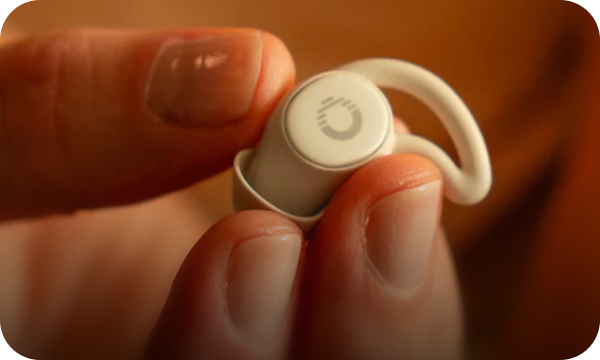
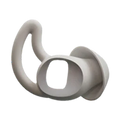
Ozlo Sleepbuds® simply don’t feel like other earbuds. Sleepbuds stay in place even when you toss and turn. The tiny earbuds, with their comfortable silicone tips and anchor-in-place wings, are designed for all-night comfort, no matter your sleeping position. Sleep on your back, side, or whatever works for you, and Ozlo Sleepbuds® will remain in place throughout the night.

Key Highlights
- Founded by three former Bose engineers with extensive experience in audio tech
- Sleepbuds® actively mask unwanted sounds like snoring, traffic, and environmental noises with calming, science-backed audio.
- Ultra-soft silicone tips designed to support every sleeping position, ensuring a secure and comfortable fit.
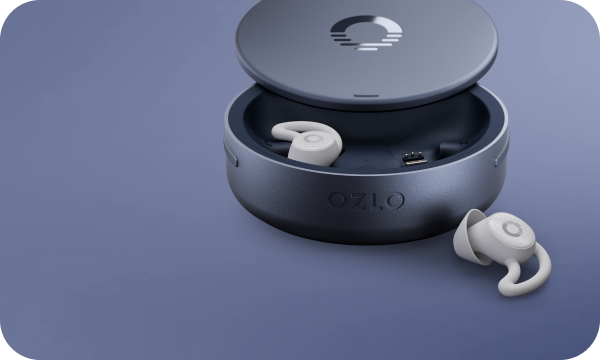
- Up to 10 hours of continuous use with extra charges from the Smart Case.
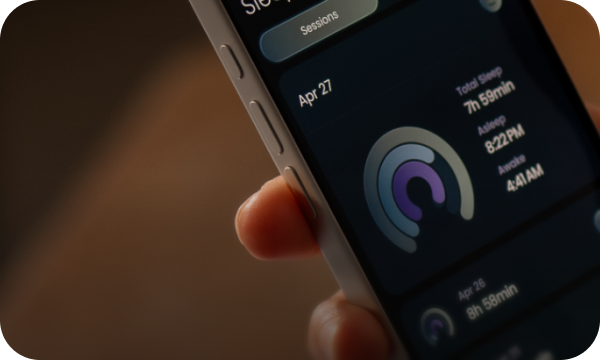
- Built-in biometric and environmental sensors offering personalized sleep reports
- Personal alarm gently wakes you without disturbing your partner
When to Seek Medical Advice
If your snoring is persistent, excessively loud, or occurs alongside other warning signs such as gasping for air during sleep, frequent awakenings, daytime fatigue, or observed pauses in breathing, it’s important to consult a healthcare professional. These may be symptoms of obstructive sleep apnea or another sleep-related breathing disorder that requires accurate diagnosis and clinical treatment.
It’s also possible for snoring to persist despite optimal hydration and healthy lifestyle habits. In such cases, there may be an underlying anatomical or neurological issue contributing to airway obstruction. Your doctor may recommend a sleep study (polysomnography) to monitor your breathing, oxygen levels, and sleep patterns throughout the night. This data can help pinpoint the root cause and guide an effective treatment plan.
Ignoring chronic snoring can result in long-term health consequences, so seeking timely medical evaluation is essential when basic interventions don’t provide relief.
Conclusion
Dehydration is an often-overlooked factor that can contribute to snoring by drying out airway tissues and thickening mucus, which makes it more difficult for air to move freely during sleep. By staying properly hydrated, avoiding excessive fluid intake right before bed, and addressing other lifestyle-related triggers, you can significantly reduce snoring linked to dryness and congestion.
While hydration alone may not resolve every case of snoring, it remains one of the most accessible and effective steps toward improving sleep quality. When combined with other proven strategies such as adjusting your sleep position, managing body weight, and maintaining nasal health, the impact can be meaningful.
If your snoring continues despite these changes, it’s important not to ignore the symptoms. Persistent snoring may signal a more serious sleep disorder, and speaking with a healthcare provider can help you identify the underlying cause and explore appropriate treatment options.
FAQs
How does dehydration make snoring worse?
Dehydration leads to thicker mucus and dryness in the nasal and throat tissues. This increases airway resistance and tissue vibration, which are primary causes of snoring during sleep.
Can drinking water before bed prevent snoring?
Proper hydration throughout the day supports healthy airway function, but drinking large amounts of water right before bed may disrupt sleep. The key is to hydrate consistently during the day and reduce intake in the last 2-3 hours before sleeping.
What are the signs that my snoring is caused by dehydration?
Common signs include a dry mouth or throat upon waking, worsening snoring after alcohol use, or snoring that improves with hydration. These symptoms may indicate that dryness is contributing to airway blockage during sleep.
What other lifestyle factors combined with dehydration can lead to snoring?
Dehydration often works in tandem with other triggers like alcohol use, poor sleep posture, excess weight, nasal congestion, and mouth breathing. When combined, these factors can significantly increase the likelihood and severity of snoring.
Is dehydration-linked snoring a sign of a medical condition?
Occasional snoring due to dehydration is usually harmless. However, if snoring becomes frequent, loud, or is accompanied by gasping, choking, or daytime fatigue, it could indicate sleep apnea or another sleep disorder that requires medical evaluation.


