








Can an Overbite Cause Snoring? What You Need to Know
Snoring is a common nighttime issue that affects millions of people globally. For some, it's a minor annoyance. For others, it's a symptom of a deeper health problem, like obstructive sleep apnea. While many factors contribute to snoring, one often-overlooked cause is an overbite. If you've ever wondered whether your jaw alignment might be disrupting your sleep or that of your partner, you're not alone.
This article breaks down the relationship between overbites and snoring, explores the science behind it, and offers solutions based on current research and clinical practice.

What Is an Overbite?
An overbite, also known as a deep bite, occurs when the upper front teeth excessively overlap the lower front teeth. Severe overbites can lead to discomfort, improper chewing, jaw pain, and even speech difficulties. But more importantly for this discussion, a pronounced overbite can affect the airway. Snoring occurs when airflow is partially blocked during sleep, causing soft tissues in the upper airway to vibrate. While common factors like excess weight, nasal congestion, alcohol use, and sleep position are well-known contributors, jaw alignment - particularly in the form of an overbite - also plays a meaningful role. Here's how:
-
Recessed Lower Jaw: An overbite typically involves a lower jaw that sits farther back relative to the upper jaw. This retruded position can reduce the space behind the tongue, especially when lying on your back, making it easier for soft tissues to collapse into the airway.
-
Restricted Airway Space: The backward positioning of the mandible due to an overbite decreases the space in the oropharyngeal airway. This narrowing increases the risk of partial obstruction during sleep, particularly in deeper stages when muscle tone naturally diminishes.
-
Increased Risk of Tongue Obstruction: While overbites do not directly alter the resting position of the tongue, they can contribute to airway narrowing that increases the chance of the tongue obstructing airflow. This is especially true when lying supine, where gravity encourages posterior displacement of both the jaw and surrounding soft tissues.
-
Sleep Posture Sensitivity: People with overbites are more likely to snore when sleeping on their back. In this position, the recessed jaw exacerbates airway narrowing, which can amplify snoring or contribute to conditions like sleep-disordered breathing.
In summary, an overbite may contribute to snoring primarily by reducing airway space due to jaw positioning rather than directly shifting the tongue's resting posture. Addressing this structural issue - whether through sleep positioning, dental appliances, or orthodontic intervention - can help mitigate nighttime breathing disturbances.
Self-Test: Is Your Overbite Affecting Your Breathing?
Try this quick at-home test to see if your overbite might be restricting your airway:
-
Lie down on your back and relax your jaw.
-
Breathe normally and note the sensation.
-
Then move your lower jaw forward so your upper and lower teeth align.
-
Breathe again.
If breathing feels easier in the aligned position, your overbite may be contributing to airway obstruction during sleep. However, consult a dentist or sleep specialist for a professional evaluation, as other factors may also be involved.
Health Risks of Untreated Snoring Linked to Overbites
While occasional snoring may not be a cause for concern, chronic snoring can lead to fragmented sleep and low blood oxygen levels. Over time, these issues can snowball into more serious conditions:
-
Obstructive sleep apnea (OSA)
-
Hypertension
-
Cardiovascular disease
-
Daytime fatigue and impaired cognitive function
-
Mood disturbances like irritability or depression
If your snoring is loud, frequent, or accompanied by gasping or choking during sleep, it’s essential to consult a healthcare provider.
How to Fix Snoring Caused by an Overbite
There are several treatment options for snoring that stems from jaw misalignment. The right choice depends on the severity of the overbite and the presence of any accompanying conditions like sleep apnea.
Mandibular Advancement Devices (MADs)
These dental appliances are designed to reposition the lower jaw slightly forward during sleep. This opens up the airway and reduces snoring. MADs are often recommended for mild to moderate snoring and can be custom-fitted by a dentist.
Orthodontic Treatment
Braces or clear aligners can correct a misaligned bite over time. While this option takes longer, it offers a permanent solution to the structural cause of snoring.
Surgical Intervention
In severe cases, orthognathic surgery may be recommended to reposition the upper and lower jaws, typically after less invasive treatments have failed. Other surgical options, such as uvulopalatopharyngoplasty (UPPP), may also address airway obstructions linked to snoring or sleep apnea. This option is typically reserved for adults with significant overbite-related complications.
Postural Adjustments
Sleeping on your side instead of your back can help keep the airway open. Special pillows or positional therapy devices can train your body to adopt side-sleeping.
Weight Management
If excess weight is also contributing to your snoring, even modest weight loss can significantly reduce symptoms by decreasing fatty tissue around the neck.
Breathing Aids and Humidifiers
For individuals with dry airways or nasal congestion, using a humidifier or nasal strips can help maintain open airflow.
Continuous Positive Airway Pressure (CPAP) Therapy
For individuals with obstructive sleep apnea linked to jaw misalignment, CPAP devices deliver pressurized air to keep the airway open during sleep, often used in moderate to severe cases.
Incorporating Sound Masking Into Your Sleep Strategy
If you're dealing with snoring - either your own or your partner’s - improving sleep quality may take more than just medical or dental interventions. In such cases, using audio technology to mask snoring and other disruptive sounds can help create a more restful sleep environment.
One solution that aligns well with this need is using advanced sound-masking earbuds designed for sleep. These devices allow you to block out the noise while listening to calming audio or white noise for better sleep quality.
Ozlo Sleepbuds®
An amazingly restful and peaceful sleep every night, free from distractions and noise, is the greatest gift you can give!

What are Ozlo Sleepbuds?
Ozlo is a science-driven, one-stop-shop for the best sleep of your life. Unlike other headphones and earbuds, our tiny Sleepbuds® are engineered to be super comfy, even for side sleepers, while blocking out sleep-disrupting sounds.
Sleepbuds® play audio for up to ten hours, letting you enjoy our noise-masking tracks or stream anything you like, including audiobooks, podcasts, white noise, and YouTube.

The Ozlo Difference
At Ozlo, we're dedicated to helping you achieve the best sleep possible through innovative audio solutions. Our company, founded by three former Bose engineers, focuses on creating products that not only help you fall asleep, but stay asleep throughout the night.
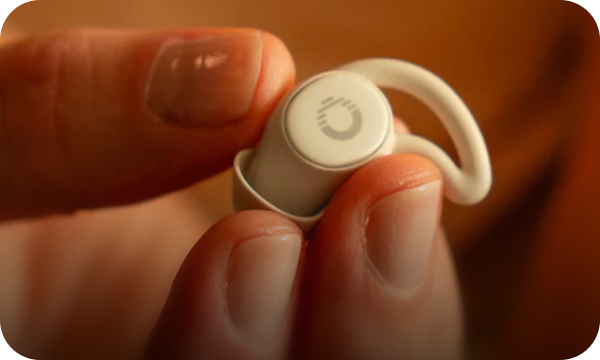
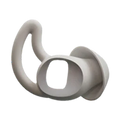
Ozlo Sleepbuds® simply don’t feel like other earbuds. Sleepbuds stay in place even when you toss and turn. The tiny earbuds, with their comfortable silicone tips and anchor-in-place wings, are designed for all-night comfort, no matter your sleeping position. Sleep on your back, side, or whatever works for you, and Ozlo Sleepbuds® will remain in place throughout the night.

Key Highlights
- Founded by three former Bose engineers with extensive experience in audio tech
- Sleepbuds® actively mask unwanted sounds like snoring, traffic, and environmental noises with calming, science-backed audio.
- Ultra-soft silicone tips designed to support every sleeping position, ensuring a secure and comfortable fit.
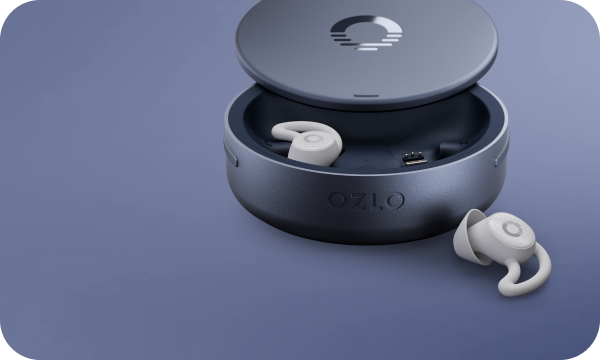
- Up to 10 hours of continuous use with extra charges from the Smart Case.
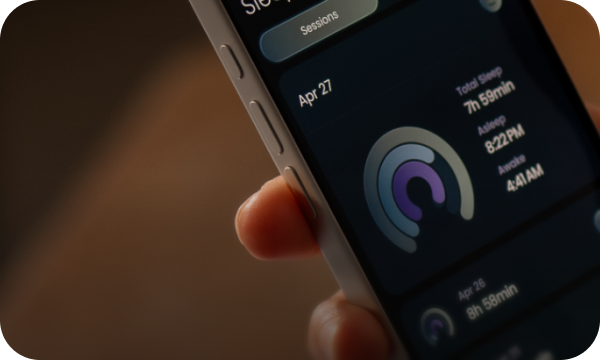
- Built-in biometric and environmental sensors offering personalized sleep reports
- Personal alarm gently wakes you without disturbing your partner
The Role of Daily Habits and Environment
Sometimes, minor adjustments to your nighttime routine and sleep environment can amplify the benefits of medical treatments. Try incorporating the following:
-
Establish a consistent sleep schedule
-
Avoid alcohol and large meals before bed
-
Maintain good nasal hygiene
-
Create a cool, quiet, and dark bedroom
When to See a Specialist
If you suspect that your overbite is affecting your breathing or sleep quality, consult a dentist or orthodontist. A sleep specialist may also recommend a sleep study to assess the severity of the issue and rule out sleep apnea.
In some cases, a multidisciplinary approach involving a dentist, ENT specialist, and sleep physician provides the best outcomes.
Conclusion
An overbite might seem like a cosmetic or dental concern at first glance, but its impact on your sleep health should not be overlooked. By affecting jaw position and tongue placement, overbites can restrict the airway and contribute to chronic snoring.
Fortunately, a variety of solutions are available - from oral appliances and orthodontics to lifestyle changes and sound-masking tools. Identifying the root cause of your snoring and taking action can dramatically improve your sleep quality and overall well-being.
If you suspect your jaw alignment is affecting your breathing during sleep, don't ignore it. Addressing the issue could be your first step toward quieter nights and better health.
FAQs
Can an overbite really cause snoring?
Yes, an overbite can contribute to snoring. When the upper jaw extends too far over the lower jaw, it can push the lower jaw backward during sleep, narrowing the airway and leading to vibration of throat tissues - the main cause of snoring.
How do I know if my overbite is linked to my snoring?
You can try aligning your upper and lower teeth while lying on your back and noticing if breathing feels easier. If it does, your overbite might be restricting your airway and contributing to snoring.
What are the treatment options for snoring caused by an overbite?
Treatment options include orthodontic correction like braces, mandibular advancement devices (MADs), or in severe cases, jaw surgery. Consulting a dentist or orthodontist is the best way to determine what will work for you.
Is snoring due to an overbite dangerous?
It can be. If snoring is frequent and loud, it may indicate obstructive sleep apnea, a condition that disrupts breathing during sleep and increases health risks such as heart disease and stroke.
Can mild overbites cause snoring too?
Even a mild overbite can affect airflow during sleep, especially if combined with other risk factors like nasal congestion, poor sleep posture, or excess weight. Addressing the overbite and related lifestyle habits may help reduce snoring.


