







Bose Sleepbuds for Tinnitus: Can They Help You Sleep Better?
Tinnitus, often described as ringing, buzzing, or hissing sounds in the ears, can be more noticeable in quiet environments, which may make it harder for some people to relax and fall asleep. For many people, the quiet of nighttime amplifies these unwanted sounds, making it harder to relax and drift off. Some individuals turn to background noise solutions, such as white noise machines, fans, or sound therapy, to help mask their tinnitus and create a more soothing sleep environment.
Bose Sleepbuds, designed specifically for sleep, have gained attention as a potential option for those looking to mask background noise, including sounds that may be associated with tinnitus. But do they really help? Let's take a closer look at what they offer, how they work, and what users have experienced.
Important Notice: Please consult a doctor if you have any medical conditions. We do not provide medical advice or make claims, and we are not liable for individual health outcomes.

What Are Bose Sleepbuds?
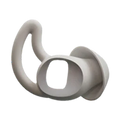
Bose Sleepbuds are wireless earbuds designed specifically for sleep. Unlike traditional earbuds or headphones, they do not stream music, podcasts, or other external audio. Instead, they use preloaded, soothing sounds to mask unwanted noises, including environmental disturbances and tinnitus. The goal is to create a more consistent and calming sleep environment without the need for external noise machines or speakers.
These earbuds are lightweight, compact, and designed for all-night wear. They sit securely in the ear without causing discomfort, even for side sleepers. The Sleepbuds connect to a companion mobile app, which allows users to customize their listening experience by selecting from a library of preloaded sounds.
Key Features of Bose Sleepbuds
-
Noise-Masking Technology: Instead of active noise cancellation, Sleepbuds use passive noise reduction combined with sound masking to help minimize the perception of disruptive noises.
-
Preloaded Sound Library: Includes various nature-inspired and ambient sounds such as white noise, ocean waves, rainfall, and rustling leaves. These sounds are engineered to cover background noise and provide a more relaxing environment.
-
Compact and Comfortable Design: Made with soft, lightweight materials, Sleepbuds are designed to fit snugly in the ear without protruding. They include multiple ear tip sizes to ensure a secure fit.
-
Long Battery Life: Provides up to 10 hours of continuous playback on a full charge. The included charging case can store additional charges, allowing for extended use without frequent recharging.
-
Bluetooth Connectivity: Pairs with a smartphone via Bluetooth Low Energy (BLE) to control settings and select sounds through the Bose Sleep app.
-
No External Audio Streaming: Unlike traditional wireless earbuds, Sleepbuds do not function as general audio devices. They cannot play music, take phone calls, or stream audio from third-party apps.
-
Alarm Functionality: Includes a personal in-ear alarm feature, allowing users to wake up without disturbing others.
Bose Sleepbuds are designed exclusively for sleep support and noise masking, differentiating them from conventional headphones and sleep-friendly audio solutions. They are not intended for general entertainment or communication purposes.
Can Bose Sleepbuds Help With Tinnitus?
Tinnitus, often described as ringing, buzzing, or hissing in the ears, affects millions of people worldwide. The severity of tinnitus varies from person to person, some experience it as a mild background noise, while others find it disruptive, particularly when trying to sleep. Since tinnitus varies from person to person, some individuals explore different ways to make nighttime noise less noticeable.
Bose Sleepbuds are often considered an option for those looking to introduce background noise at night, as they provide soothing, non-intrusive sounds that may help create a more consistent sleep environment. While they are not a treatment for tinnitus, some users find that they help create a more relaxing sleep environment by masking background noise.
How Noise Masking Works
Noise masking is a commonly used technique by individuals who prefer background noise at night, as it may help make other sounds less noticeable in quiet environments. The idea behind noise masking is to introduce external sounds that blend with tinnitus, making it less noticeable and allowing the brain to focus on something else.
Bose Sleepbuds utilize this principle by providing a selection of preloaded sounds designed to create a relaxing sleep environment. These sounds include:
-
White noise: A consistent sound that evenly distributes frequencies, helping to cover up the sound of tinnitus.
-
Pink noise: Similar to white noise but with a softer, more balanced frequency distribution, often perceived as more soothing.
-
Brown noise: A deeper, lower-frequency sound that some users find more effective for masking tinnitus.
-
Nature sounds: Including ocean waves, rainfall, and rustling leaves, which create a calming atmosphere that may help distract from tinnitus.
Because Bose Sleepbuds are designed specifically for sleep, they do not rely on traditional noise cancellation technology. Instead, they use a combination of passive noise reduction (from their snug fit in the ear) and sound masking to help reduce the perception of external noise, including tinnitus.
Some individuals find that background noise helps them feel more relaxed when falling asleep. By providing a consistent, gentle background noise, Bose Sleepbuds may help some users shift their focus away from tinnitus, making it easier to relax.
User Experiences with Tinnitus and Bose Sleepbuds
The effectiveness of Bose Sleepbuds for tinnitus varies from person to person. While some users report significant improvements in their ability to sleep, others find that the results depend on the severity of their tinnitus.
Positive User Feedback
Many individuals with tinnitus have shared that Bose Sleepbuds have helped them:
-
Reduce awareness of tinnitus at night: By introducing background noise, the Sleepbuds prevent tinnitus from being the dominant sound in a quiet bedroom.
-
Create a calming bedtime routine: The consistency of the sound environment can help signal to the brain that it is time to sleep.
-
Improve overall sleep quality: Some users report falling asleep faster and waking up less frequently.
-
Provide a convenient, portable solution: Unlike larger white noise machines, Bose Sleepbuds offer a discreet, personal experience without disturbing others.
Some individuals who previously relied on external noise machines or fans have found that the Sleepbuds provide a more immersive and effective solution, particularly for those who share a bedroom and need a quieter, more controlled noise-masking option.
Limitations and Mixed Reviews
While many users find relief using Bose Sleepbuds, there are also reports of limitations:
-
Effectiveness depends on tinnitus severity: If tinnitus is particularly loud, even high-volume masking sounds may not fully cover it.
-
Lack of custom sound options: Since Sleepbuds only play preloaded sounds, users cannot stream their own audio or use external tinnitus therapy apps.
-
Bluetooth and connectivity concerns: Some users prefer wired solutions due to concerns about prolonged Bluetooth exposure at night.
-
Potential discomfort for some: While designed for all-night wear, not everyone finds in-ear devices comfortable for extended use.
These factors suggest that while Bose Sleepbuds can be a useful tool for some, they may not be a one-size-fits-all solution.
Comparing Bose Sleepbuds to Other Tinnitus Masking Solutions
Since tinnitus management is highly personal, individuals often explore different noise-masking methods to determine what works best for them. Bose Sleepbuds are just one option among several available solutions:
White Noise Machines
-
Play a variety of masking sounds, similar to Bose Sleepbuds.
-
Do not require wearing anything in the ears.
-
May not be as effective for those who need a more immersive noise-masking experience.
Pillow Speakers
-
Provide localized sound without needing to wear earbuds.
-
Work well for people who sleep on their side.
-
May not provide the same level of immersive sound as Sleepbuds.
Sleep Headbands with Built-In Speakers
-
Designed to be worn around the head for comfort.
-
Allow for customizable sound options, unlike Bose Sleepbuds.
-
Can be bulkier than Sleepbuds for side sleepers.
Smartphone Apps and Streaming Devices
-
Offer a wide range of customizable sound therapy options.
-
Can be paired with external speakers, wired headphones, or other devices.
-
Require a connected device throughout the night, which some users find inconvenient.
Compared to these alternatives, Bose Sleepbuds provide a middle-ground solution that is discreet, portable, and designed specifically for sleep. However, those who prefer full customization of their sound environment may find other options more flexible.
Alternative to Consider
Ozlo Sleepbuds®
An amazingly restful and peaceful sleep every night, free from distractions and noise, is the greatest gift you can give!

What are Ozlo Sleepbuds?
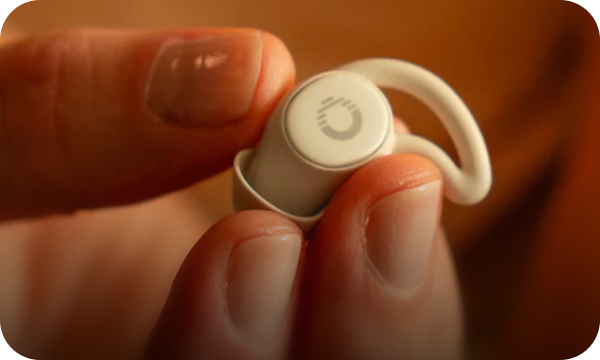
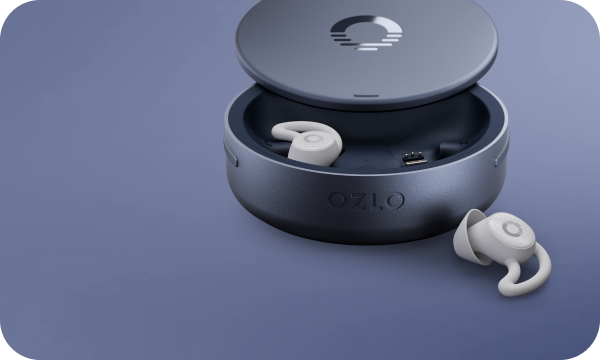
Ozlo is a science-driven, one-stop-shop for the best sleep of your life. Unlike other headphones and earbuds, our tiny Sleepbuds® are engineered to be super comfy, even for side sleepers, while blocking out sleep-disrupting sounds.
Sleepbuds® play audio for up to ten hours, letting you enjoy our noise-masking tracks or stream anything you like, including audiobooks, podcasts, white noise, and YouTube.

The Ozlo Difference
At Ozlo, we're dedicated to helping you achieve the best sleep possible through innovative audio solutions. Our company, founded by three former Bose engineers, focuses on creating products that not only help you fall asleep, but stay asleep throughout the night.
Ozlo Sleepbuds® simply don’t feel like other earbuds. Sleepbuds stay in place even when you toss and turn. The tiny earbuds, with their comfortable silicone tips and anchor-in-place wings, are designed for all-night comfort, no matter your sleeping position. Sleep on your back, side, or whatever works for you, and Ozlo Sleepbuds® will remain in place throughout the night.

Key Highlights
- Founded by three former Bose engineers with extensive experience in audio tech
- Sleepbuds® actively mask unwanted sounds like snoring, traffic, and environmental noises with calming, science-backed audio.
- Ultra-soft silicone tips designed to support every sleeping position, ensuring a secure and comfortable fit.
- Up to 10 hours of continuous use with extra charges from the Smart Case.
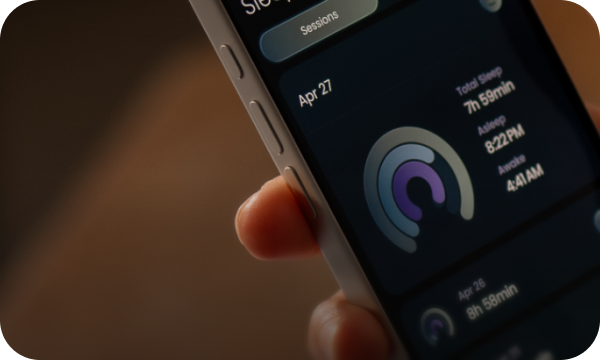
- Built-in biometric and environmental sensors offering personalized sleep reports
- Personal alarm gently wakes you without disturbing your partner
Factors to Consider Before Using Bose Sleepbuds for Tinnitus
Before deciding whether Bose Sleepbuds are the right choice for tinnitus masking, it is important to consider several factors. While these earbuds offer a convenient and comfortable way to introduce background noise for sleep, they may not be suitable for everyone. Understanding how they work and how they align with individual needs can help users make an informed decision.
Volume and Sensitivity Considerations
One of the most important factors when using Bose Sleepbuds for tinnitus is volume control. It is generally recommended to keep the volume at the lowest effective level to avoid prolonged exposure to sound, which could potentially have unintended effects. Some individuals with heightened noise sensitivity may find even the softest masking sounds distracting rather than soothing. In such cases, alternative masking solutions, such as external speakers or pillow speakers, might be more suitable.
Long-Term Use and Adaptation
Adjusting to using noise-masking devices at night can take time. For some, the introduction of background noise provides immediate relief, making it easier to fall asleep. Others may require a period of adaptation, as the brain becomes accustomed to the new sleep environment. Establishing a consistent nighttime routine that includes the use of Sleepbuds can help improve effectiveness over time. However, if discomfort or sleep disruptions persist, exploring alternative methods may be necessary.
Bluetooth and Wireless Exposure
Bose Sleepbuds use Bluetooth Low Energy (BLE) technology to connect with the companion app. While this ensures a seamless and customizable experience, some users may have concerns about prolonged Bluetooth exposure during sleep. For those who prefer to limit wireless connectivity at night, Bose Sleepbuds offer a phone-free mode, which allows them to play preloaded sounds without maintaining an active Bluetooth connection. This feature provides an option for users who want to minimize wireless signals while still benefiting from noise masking.
Return and Trial Options
Since Bose Sleepbuds are a specialized sleep product and represent a significant financial investment, it is advisable to check return policies before purchasing. Some retailers offer trial periods or money-back guarantees, which can be useful for determining whether the Sleepbuds provide the expected benefits. Additionally, before committing to these earbuds, some users find it helpful to test other noise-masking methods, such as sound machines or sleep headbands, to see if they achieve similar results. Taking the time to explore different options can help ensure that the chosen solution effectively supports better sleep and tinnitus management.

How to Use Bose Sleepbuds for the Best Results
Using Bose Sleepbuds for background noise requires a personalized approach based on individual preferences. Since tinnitus varies from person to person, some users may find that adjusting sound, volume, and routine improves their experience with Sleepbuds. While they are designed to provide noise masking, their effectiveness depends on how they are integrated into your sleep habits. Below are detailed steps to help maximize their benefits.
Step 1 – Choose the Right Sound
Selecting the right sound is one of the most critical factors in determining whether Bose Sleepbuds will effectively mask tinnitus. The preloaded sound library in the Bose Sleep app offers a variety of options, including white noise, pink noise, brown noise, and nature-inspired sounds like rain, ocean waves, or rustling leaves.
Finding the right sound involves some experimentation. White noise provides a consistent, even sound across all frequencies, which can be effective in blending with tinnitus. Pink noise has a softer, more natural quality, while brown noise features deeper tones that some users find more soothing. Nature sounds can be particularly beneficial for those who prefer a more organic auditory experience.
It is important to test different sounds at bedtime to determine which one works best for your specific tinnitus profile. Some individuals find that a particular sound masks their tinnitus more effectively than others. Additionally, the choice of sound should be relaxing, as the goal is not only to mask tinnitus but also to create an overall calming sleep environment.
Step 2 – Adjust the Volume
Once the preferred sound is selected, the next step is to adjust the volume appropriately. Experts recommend setting the volume at the lowest level that effectively masks tinnitus without being overly loud. This is important because prolonged exposure to high-volume sounds can sometimes lead to increased sound sensitivity or auditory fatigue.
A good approach is to start at a lower volume and gradually increase it until the tinnitus becomes less noticeable. The volume should be set at a level that allows the masking sound to blend seamlessly with the tinnitus rather than overpower it. If the masking sound is too loud, it may become a distraction itself, preventing relaxation and sleep.
It is also advisable to periodically reassess the volume level. If you find that you are increasing the volume over time to maintain effectiveness, it may be helpful to take short breaks from using the Sleepbuds to prevent potential overstimulation of the auditory system.
Step 3 – Establish a Sleep Routine
Consistency plays a key role in maximizing the benefits of Bose Sleepbuds for tinnitus. Using them as part of a regular bedtime routine helps condition the brain to associate the sounds with relaxation and sleep. This form of conditioning can be particularly beneficial for those who experience sleep disturbances due to tinnitus.
A structured sleep routine might include:
-
Setting a fixed bedtime to encourage a consistent sleep schedule.
-
Using Sleepbuds in combination with other relaxation techniques, such as deep breathing or meditation, to promote relaxation.
-
Avoiding stimulating activities, such as screen time, before bed to allow the mind to wind down.
By incorporating Sleepbuds into a nightly routine, users may find it easier to fall asleep more quickly and stay asleep longer. Over time, this can help reduce the anxiety and frustration often associated with tinnitus at night.
Step 4 – Monitor Any Changes in Your Tinnitus
While Bose Sleepbuds are designed to provide relief by masking tinnitus, it is important to monitor how they affect your symptoms over time. Some individuals may experience improvement in their ability to sleep, while others may notice that their tinnitus remains unchanged or even becomes more noticeable when they remove the Sleepbuds in the morning.
If you find that your tinnitus seems louder after prolonged use of Sleepbuds, it may be beneficial to reduce usage or explore alternative sound-masking options. Some individuals alternate between using Sleepbuds and external white noise machines to prevent over-reliance on one method.
Additionally, if tinnitus symptoms worsen or new symptoms appear, consulting with a hearing specialist or audiologist may provide further insights into potential causes and alternative management strategies.
Additional Tips for Optimizing Bose Sleepbuds Use
-
Ensure a proper fit: Sleepbuds come with multiple ear tip sizes to provide a secure and comfortable fit. A proper fit enhances passive noise reduction and ensures the best sound masking.
-
Use phone-free mode: If you prefer to minimize Bluetooth exposure while sleeping, Sleepbuds can be set to play preloaded sounds without an active connection to your smartphone.
-
Keep the Sleepbuds clean: Regularly cleaning the ear tips and charging case prevents buildup and maintains hygiene, ensuring long-term usability.
-
Charge them fully before use: To avoid battery depletion during the night, ensure that the Sleepbuds are fully charged before bedtime. The charging case provides additional power for extended use.
-
Combine with other relaxation techniques: Using Bose Sleepbuds alongside mindfulness, meditation, or deep breathing exercises can enhance their effectiveness in promoting better sleep.
Conclusion
Bose Sleepbuds provide a practical option for those looking to manage tinnitus-related sleep disturbances. By offering a selection of preloaded masking sounds, they may help create a more soothing sleep environment by providing a consistent background noise. While their effectiveness varies from person to person, many users have found them helpful for creating a more consistent sleep environment.
However, they are not a one-size-fits-all solution. Factors such as tinnitus severity, personal comfort, and sound preferences play a role in determining their usefulness. Exploring different masking options and adjusting volume levels can help maximize their benefits. For those who find nighttime noise disruptive, Bose Sleepbuds may be a useful tool in creating a more consistent sleep environment.
FAQs
Do Bose Sleepbuds cancel noise?
No, Bose Sleepbuds do not use active noise cancellation. Instead, they combine passive noise reduction with preloaded masking sounds to help minimize the perception of disruptive noises.
Can I play my own music or sounds on Bose Sleepbuds?
No, Bose Sleepbuds do not support external audio streaming. They only play preloaded sounds available through the Bose Sleep app.
How long does the battery last on Bose Sleepbuds?
On a full charge, Bose Sleepbuds can last up to 10 hours. The charging case provides additional power for extended use.
Do Bose Sleepbuds help with tinnitus?
While Bose Sleepbuds do not treat or cure tinnitus, some users find that they provide background noise, which may help create a more relaxing sleep environment. The effectiveness depends on the severity of tinnitus and individual preferences.
Are Bose Sleepbuds comfortable for side sleepers?
Yes, Bose Sleepbuds are designed to be small and lightweight, with a low-profile fit that stays in place even for side sleepers. They come with multiple ear tip sizes to ensure a secure and comfortable fit.
Do I need to keep my phone connected to use Bose Sleepbuds?
Bose Sleepbuds require a phone connection for initial setup and sound selection. However, they have a phone-free mode, allowing them to play preloaded sounds without an active Bluetooth connection.


