





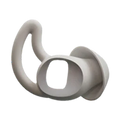


Bose QuietComfort Ultra Earbuds Review
Picture someone popping in a pair of earbuds to escape a noisy commute or just chill with some tunes. That’s the kind of scene the Bose QuietComfort Ultra Earbuds are made for. Released in 2023, these buds follow up on the well-liked QuietComfort Earbuds 2, bringing a few tweaks and a new trick or two. They’re not a total overhaul, but they’ve got enough going on to catch attention. At $299, they sit in that premium zone, so it’s worth unpacking what they’re all about, how they fit, what they sound like, and whether they’re up to the daily grind. Here’s the rundown, straight from people who’ve tested them out.

What’s New With These Earbuds?
Bose didn’t rip up the playbook with the QuietComfort Ultra Earbuds, but they did tweak a few things. Here’s what stands out compared to the older QuietComfort Earbuds 2:
-
A Fresh Look: They’ve got a new metallic finish on the outside, giving them a slightly sharper vibe than their predecessors. It’s subtle, but it’s there.
-
Immersive Audio Mode: This is the big one, a new spatial audio feature that’s supposed to make music feel bigger, like it’s coming from all around. It even tracks head movement in one setting.
-
Fit Upgrade: The stability bands have a notch now, locking them in place better. Same Fit Kit system with ear tips and bands, just refined a bit.
-
Voice Call Tweaks: Some software updates aim to make calls clearer, though it’s not a night-and-day difference.
They still use the same Qualcomm chip as before, but extra tech inside handles the new audio tricks. No massive redesign, just small steps forward.
How Do They Stack Up to the Old Model?
If someone’s got the QuietComfort Earbuds 2, the Ultra version isn’t a must-upgrade. The buds look almost identical, and the core stuff, noise-canceling, comfort, is pretty close. The Ultra’s improvements are more like a 15% bump than a total game-changer. Think of it as a polished version rather than a brand-new thing.
Getting to Know the Design
These earbuds aren’t tiny. They’re chunkier than something like the AirPods Pro 2, but they’re light at 7.1 grams each. The design mixes an oval-shaped nozzle with soft silicone tips and stability bands that tuck into the ear’s outer curve. It’s a setup that’s worked for Bose before, and it’s back here with a slight tweak to keep them steady.
Fit and Feel
Finding the right fit takes a minute. The box comes with three sizes of tips and stability bands, so there are nine combos to play with. Most folks who’ve tried them say they’re comfy once dialed in, soft silicone helps, but they’re not invisible. Some testers felt ear fatigue after an hour or so because of the size. Others wore them all day without a hitch.
-
Stability: They stay put for everyday stuff like walking or sitting at a desk. They’re not rock-solid for intense workouts, think running or flipping upside down, but they’re fine for a casual bike ride.
-
Water Resistance: With an IPX4 rating, they can handle sweat or a light drizzle. No worries if the weather turns in a place like Vancouver.
The case is a bit bulky too, but it slips into a jeans pocket without much fuss. It’s got a button on the back for pairing and lights inside and out to show what’s up, white for charged, amber for low, blinking for updates or errors. It’s a lot to decode, but it’s handy once you get the hang of it.
Controls at Your Fingertips
Touch pads on the buds handle the basics: tap to play or pause, double-tap to skip tracks, swipe for volume. A long press can be customized in the Bose Music app, maybe to switch modes or wake a phone’s assistant. It’s straightforward, and the touch setup means no jabbing at your ears to change a song.
Sound: What’s Coming Through?
The sound is where these earbuds flex a bit. They’re tuned with strong bass and treble, which won’t be everyone’s cup of tea, but it’s a clear choice. Here’s how it breaks down:
The Audio Breakdown
-
Bass: It’s big and warm, peaking around 30Hz. Tracks like Cardi B’s “Money” or Kid Cudi’s “Pursuit of Happiness” hit hard without drowning everything else out. For rap or electronic beats, it’s intense, sometimes too much if the song’s already heavy on low-end.
-
Mids: These are solid but quieter compared to the bass and treble. Voices and guitars come through clean, though they don’t pop as much.
-
Treble: High notes shine, sometimes a little too bright. Cymbals in rock or screeches in a horror flick stand out, great if you like detail, grating if you don’t.
Testers found the sound clear and natural overall, with a slight edge over the QuietComfort Earbuds 2 thanks to some digital tweaks. It’s not a huge leap, but there’s a touch more clarity and bass definition. Compared to Sony’s WF-1000XM5, these hold their own, though Sony might pull ahead for super-detailed highs.
That Immersive Audio Thing
The new Immersive Audio mode is Bose’s big pitch here. It comes in two flavors: “Still” keeps the sound fixed, while “Motion” tracks head movement so the audio feels like it’s staying in front of you. It’s meant to make music feel wider, like you’re in the middle of it.
-
Does It Work?: Sort of. On tracks like Diddy’s “Another One of Me,” it opens things up, less stuck-in-your-head, more out-there. Classical pieces like “Clair de Lune” get a spacious vibe too. But it’s hit-or-miss, some songs feel gimmicky, and the head-tracking can lag a bit, which throws it off.
-
Trade-Off: It eats battery life, dropping from six hours to about four with noise-canceling on.
The app’s EQ lets you tweak bass, mids, and treble, but it’s basic, three sliders, no magic fix. Presets like “Bass Boost” or “Treble Reducer” shift things around, though the default tuning still dominates.
Noise-Canceling: Shutting Out the World
These buds are champs at blocking noise. They tackle low rumbles, like a bus engine, and higher stuff, like cafe chatter, with ease.
How Well Does It Work?
-
Low Frequencies: Cuts noise under 400Hz by up to 34dB. That’s plane hums or traffic dulled way down.
-
High Frequencies: Above 1kHz, it’s up to 39dB, think cups clinking or voices fading out.
The fit helps too, the oval tips seal well, adding passive isolation. A “CustomTune” feature adjusts the noise-canceling to your ear shape, and testers say it’s legit. An “Aware” mode with ActiveSense lets some sound in but kicks up the canceling if things get loud. It’s not quite Apple’s Adaptive Audio, but it’s close.
In real life? Testers barely heard subway screeches or office hums. It’s not perfect, some high-pitched stuff sneaks through, but it’s among the best out there.
Battery Life: How Long Do They Last?
Battery life is decent but not standout. With noise-canceling on at moderate volume, they clock around six hours, six hours and ten minutes in one test. Turn on Immersive Audio, and it’s closer to four.
Charging Details
-
Case Power: The case holds five full charges, so you’re covered for days if you pop them back in.
-
Quick Boost: Five minutes of charging gives about an hour of playtime. Not officially “fast charging,” but it’s handy.
-
No Wireless: The case uses USB-C, no wireless option unless you snag a $50 cover Bose sells separately.
It’s enough for a commute or workday, but heavy users might need to recharge more often, especially with all features cranked.
Calls: Can You Hear Me Now?
The mics got a software tweak for better pickup, and they do okay. In quiet spots, voices come through clear, maybe a bit amplified for women’s voices, but no big deal.
Real-World Tests
-
Office Noise: Chatter and keyboards fade, but you can still hear them faintly. Voices stay understandable.
-
Street Chaos: On busy streets, background noise creeps in more. Callers hear it too, though the user’s voice cuts through decently.
-
Wind: It’s a struggle, wind noise gets picked up, like most earbuds.
Compared to AirPods Pro 2, these let in more ambient sound on calls. They’re good, not elite, for noisy spots.
Connecting: The Tech Side
They run Bluetooth 5.3 with SBC, AAC, and aptX Adaptive codecs. The Snapdragon Sound suite is a highlight, promising low latency and high-quality audio on compatible Android devices.
Pairing and Multipoint
-
Setup: Open the case, hit the pairing button, and connect. Google Fast Pair makes it quick on Android. iPhones stick to AAC, no aptX.
-
Multipoint: Added in a 2024 update, now they handle two devices at once. Handy for switching between phone and laptop.
-
Hiccups: Some testers had pairing issues, especially with iPhones. Amazon reviews back this up, about 3.8% cite connectivity woes, higher than average.
It’s solid tech, but not flawless. Android users get the most out of it.
Who Are These For?
The Bose QuietComfort Ultra Earbuds are aimed at folks who crave strong noise-canceling and a bold sound, perfect for someone on a noisy train who wants to zone out with a podcast or enjoy hip-hop tracks with big bass. They shine for commuters or office workers who want to tune out distractions, and the punchy treble suits pop fans too. Android users with newer phones get a boost from Snapdragon Sound, which testers say delivers crisper audio and less lag for streaming or videos, though iPhone folks are stuck with AAC.
They’re not for everyone, though. If someone wants a neutral sound, like a classical listener craving balanced violins, the bass-heavy tuning might overwhelm. Battery life tops out at six hours (or four with Immersive Audio), so they’re not ideal for all-day use without a recharge. Workout buffs might find the IPX4-rated fit okay for light activity, but not rock-solid for intense runs. They’re a fit for noise-blockers and sound-lovers, less so for battery champs or flat-audio seekers.
Conclusion
So, what’s the final word on the Bose QuietComfort Ultra Earbuds? They’re a solid pick for anyone who wants to block outside noise and enjoy music or podcasts with a bold, bassy sound. Testers found them great at blocking noise, comfy enough for most daily stuff, and packed with a few neat tricks like that Immersive Audio mode, though it’s not a game-changer for everyone. At $299, they’re not cheap, but they hold their own against big names like Sony and Apple, especially if someone’s got an Android phone to tap into that Snapdragon Sound perk. They’re not perfect, battery life could stretch further, and calls in noisy spots aren’t flawless, but they deliver where it counts for a lot of folks.
It really comes down to what someone’s after. If noise-canceling and a lively audio vibe are the priority, these buds are worth a look. For those who want longer battery life or a more even sound, they might not be the best fit. Either way, they’re a refined step up from the QuietComfort Earbuds 2, and people who’ve tried them say they handle the everyday grind just fine. It’s all about matching them to the right routine.
FAQs
Do the Bose QuietComfort Ultra Earbuds have a microphone?
Yep, they’ve got mics built in for calls. Testers say they work decently, voices come through clear in quiet spots, though background noise like street chaos or wind can sneak in a bit. Not the best for loud places, but solid for a casual chat.
Are they waterproof?
Not fully waterproof, no. They’ve got an IPX4 rating, which means they can deal with sweat or a light rain without trouble. Someone walking in a drizzle or hitting the gym won’t have issues, but don’t expect them to survive a dunk in the pool.
Can you use just one earbud at a time?
Totally. Pop one in and leave the other in the case, it’ll work just fine. Handy for keeping an ear free while still listening to something.
How comfy are these earbuds?
It depends on the fit. They come with three tip sizes and stability bands to mix and match, so most folks find a setup that feels good. Testers say the soft silicone helps, but the bigger size might tire out some ears after an hour or two. Others wore them all day no problem.
Do they work with iPhones?
Yeah, they connect to iPhones, iPads, whatever Apple gear someone’s got. Pairing can be a little trickier than with Android, and they stick to the AAC codec instead of aptX, but they still get the job done.
How long do they last on a charge?
With noise-canceling on, they’re good for about six hours, maybe a bit more in some tests. Crank up Immersive Audio, and it drops to around four. The case adds five more full charges, so they keep going if someone pops them back in between uses.
What’s up with that Immersive Audio feature?
It’s a mode that tries to make sound feel bigger, like it’s all around you. There’s a “Still” option that keeps it steady and a “Motion” one that follows head movement. Testers found it cool for some tracks, like opening up a song’s space, but hit-or-miss on others, with a bit of lag sometimes.


