










¿Intentando dormir sin pastillas? Por qué el ruido blanco a veces no es suficiente
En esa miserable pausa después de la medianoche, el debate puede parecer demasiado familiar: ¿tomo algo para poder finalmente dormir, o solo espero que el ruido disminuya? Un compañero comienza a roncar de nuevo. El tráfico aumenta, luego desaparece, luego regresa. La unidad de climatización de un hotel se enciende como si fuera dueña de la habitación. En momentos como esos, creemos que ayuda replantear el problema. A veces, el problema no es que tu cuerpo haya olvidado cómo dormir. Es que tu configuración de sueño no está manejando el tipo de ruido con el que estás lidiando.
Aquí está la respuesta breve: un generador de ruido blanco para dormir puede ayudar absolutamente a algunas personas a depender menos de la medicación para dormir cuando el problema principal es un sonido de fondo constante o una habitación demasiado tranquila que hace que cada pequeño ruido se sienta más grande. Pero si lo que te mantiene despierto es un ruido irregular, cercano o muy variable, el ruido blanco puede ayudarte a conciliar el sueño sin ser suficiente para mantenerte dormido. Esa distinción importa.
Un mejor siguiente paso para noches ruidosas
Si el ruido blanco solo ayuda a la hora de acostarse, los Ozlo Sleepbuds pueden ser la mejora
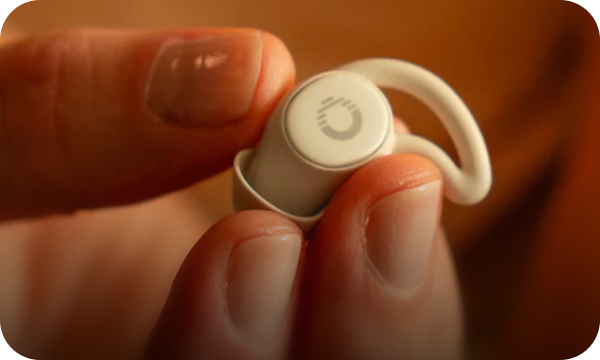
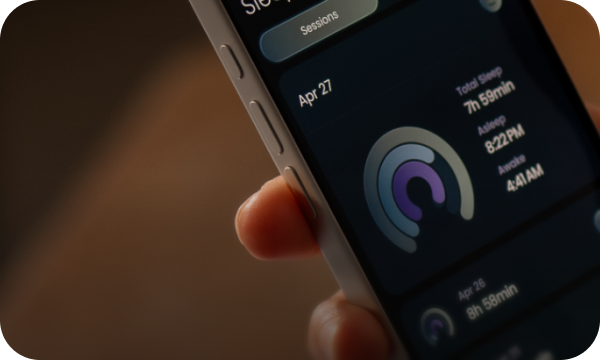
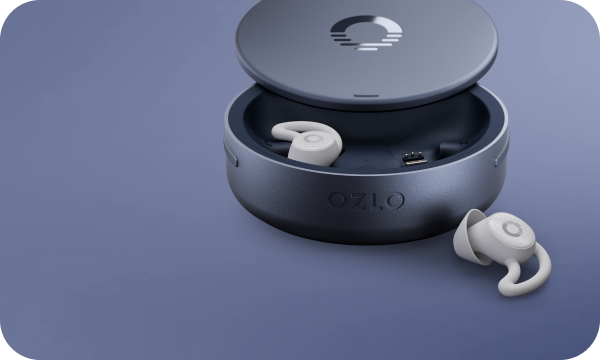
El sonido ambiental puede suavizar un espacio, pero no siempre es suficiente para ronquidos, ráfagas de tráfico, ruido de hotel o interrupciones en habitaciones compartidas. Los Ozlo Sleepbuds están diseñados para audio personal cómodo durante toda la noche, para que puedas proteger tu sueño de una manera más específica.
Ver cómo funciona OzloTambién debemos decir esto claramente: esto no es un consejo médico, y no es una recomendación para cambiar ningún plan de medicación por su cuenta. Lo que sí podemos hacer es ayudarle a determinar si el ruido es el verdadero causante de sus malas noches, y si su configuración de sonido actual realmente coincide con el problema.
Muchas noches que parecen insomnio son en realidad una interrupción ambiental disfrazada. Te acuestas cansado. Eres capaz de dormir. Pero el dormitorio compite con puertas de pasillo, vecinos de apartamento, ruido de la calle, un compañero que ronca, sonidos de viaje o un sistema de climatización que cambia constantemente el paisaje sonoro justo cuando tu cerebro comienza a relajarse.
Cuando eso sigue sucediendo, es fácil empezar a tratar toda la noche como un fracaso personal para dormir. Tenemos mucha empatía por eso. Si estás agotado y el ruido es impredecible, la medicación para dormir puede empezar a parecer el único plan de respaldo confiable. Pero si el desencadenante es externo y repetible, la pregunta más útil puede ser si necesitas un tipo diferente de protección contra el ruido en lugar de una ayuda para dormir más fuerte.
Por eso la conversación sobre el ruido blanco es importante. Para el tipo de ruido adecuado, puede ser un apoyo simple y no farmacológico. Para el tipo de ruido incorrecto, puede convertirse en una batalla nocturna de volumen que nunca resuelve realmente los despertares.
El ruido blanco funciona mediante el enmascaramiento. En lenguaje sencillo, añade una capa constante de sonido que puede hacer que otros sonidos se sientan menos distintos. Si tu problema principal es el zumbido de bajo nivel de la vida de la ciudad, una carretera lejana, el ruido suave de un edificio o la incomodidad del silencio total, esa manta sonora constante puede hacer que la habitación se sienta más propicia para dormir.
A menudo, esta es la razón por la que un generador de ruido blanco para dormir ayuda a la hora de acostarse. Suaviza los bordes de la habitación. Le da a tu cerebro un sonido estable en el que asentarse en lugar de dejarlo en alerta ante cada pequeño cambio. Para algunas personas, esto facilita conciliar el sueño más rápido y sentirse menos tentado a recurrir a la medicación solo para silenciar la noche.
También puede ser útil cuando el propio dormitorio se siente "acústicamente" delgado. Quizás cada crujido parece agudo. Quizás el silencio es tan completo que los pequeños ruidos resuenan con fuerza adicional. En esos casos, el sonido a nivel de la habitación puede suavizar el contraste y hacer que todo el ambiente se sienta menos sobresaltado.
Así que, de ninguna manera estamos en contra del ruido blanco. Usado en la situación correcta, es un primer paso muy razonable. El inconveniente es que no todos los problemas de ruido son problemas de ruido constante.
La mayor disparidad ocurre cuando el ruido es irregular. Una ráfaga de tráfico no es lo mismo que un ventilador constante. El ronquido de un compañero no es lo mismo que la lluvia. Una puerta de pasillo que se cierra de golpe una vez cada cuarenta minutos no se comporta como un zumbido de fondo estable. El enmascaramiento es más fácil cuando el sonido no deseado es relativamente constante y predecible. Se vuelve mucho más difícil cuando el sonido es dinámico, cercano o cambia constantemente en tiempo e intensidad.
Los ronquidos son un ejemplo perfecto. El ruido de patrón humano es desordenado. Sube, baja, se detiene, traquetea y regresa. También puede ocurrir a solo unos centímetros de ti. Una máquina junto a la cama tiene que llenar toda la habitación, pero el sonido disruptivo aún puede llegar a tu oído desde mucho más cerca y con más variación de lo que el enmascaramiento de la habitación puede cubrir cómodamente.
Lo mismo ocurre con las interrupciones nocturnas en apartamentos, hoteles y espacios compartidos. Una máquina al otro lado de la habitación puede hacer que el dormitorio se sienta mejor al apagar las luces, pero luego falla la verdadera prueba cuando el ambiente cambia. Si sigues despertándote a la 1 a.m., 3 a.m. o justo antes del amanecer, eso generalmente significa que la configuración que ayudó a conciliar el sueño no proporciona suficiente protección para el mantenimiento del sueño.
Aquí es también donde la gente a menudo comete el ajuste incorrecto: simplemente suben el volumen de la máquina. A veces eso ayuda un poco. A veces crea un nuevo problema, especialmente si compartes la habitación con alguien que no quiere más sonido de altavoz toda la noche. Si la solución siempre parece ser "más volumen", es muy probable que la herramienta en sí misma sea el desajuste.
Señales de que tu máquina de ruido blanco podría no ser la herramienta adecuada
- Te duermes más fácilmente, pero sigues despertándote cuando el patrón de ruido cambia durante la noche.
- Principalmente te enfrentas a ronquidos, puertas de pasillo, ruido de hotel o ráfagas de tráfico, en lugar de un zumbido de fondo constante.
- Sigues subiendo el volumen de la máquina de la habitación, pero el ruido específico sigue penetrando.
- Tu solución te ayuda a ti, pero molesta a tu pareja o llena toda la habitación más de lo necesario.
- La fuente del ruido está físicamente cerca de ti, no solo en algún lugar del fondo.
- Quieres depender menos de la medicación, pero tu configuración actual solo ayuda a la hora de acostarse, no durante toda la noche.
Cómo pensamos sobre la decisión
Cuando llenar la habitación tiene sentido
Si tu sueño se interrumpe principalmente por un sonido ambiental general de bajo nivel, el enmascaramiento de la habitación suele ser un buen punto de partida. Es simple. Es familiar. No requiere usar nada. Y si tu objetivo es atenuar el ruido constante para poder conciliar el sueño sin recurrir automáticamente a la medicación, un generador de ruido blanco puede ser suficiente.
Esto es especialmente cierto si tu principal queja es conciliar el sueño, no mantenerlo. Muchas personas se sienten bien con una máquina de sonido ambiental cuando el desafío es calmarse al principio de la noche.
Cuando más sonido ambiental no es realmente más protección
Una vez que el problema se convierte en ruido irregular durante la noche, el enmascaramiento a nivel de la habitación comienza a mostrar sus límites. El altavoz todavía está en la habitación, no en tu oído. El sonido debe ser lo suficientemente fuerte como para competir con las interrupciones dinámicas, pero no tan fuerte como para volverse intrusivo. En dormitorios compartidos, ese equilibrio se vuelve aún más complicado.
Por eso la pregunta más adecuada no es "¿El ruido blanco es bueno o malo?" Es "¿El sonido de la habitación coincide con el patrón de mis interrupciones?" Si la respuesta es no, subir el volumen de la máquina suele ser solo apretar con más fuerza la palanca equivocada.
Cuando el audio personal específico para dormir se convierte en el siguiente paso práctico
Si tu objetivo real es la protección contra el ruido durante toda la noche sin medicamentos, una configuración más personal a menudo tiene más sentido que una máquina de habitación más ruidosa. Los auriculares específicos para dormir son diferentes de los auriculares genéricos o los de uso diario porque están diseñados para usarse durante toda la noche, para la comodidad al dormir de lado y para un uso práctico del sueño en lugar de priorizar el entretenimiento.
Esa distinción importa. Los equipos de audio genéricos pueden resultar voluminosos, presionar el oído o volverse molestos mucho antes de la mañana. Un diseño prioritario para el sueño intenta resolver un problema diferente: cómo mantenerse cómodo mientras se proporciona un soporte de sonido mucho más cercano y dirigido que un altavoz al otro lado de la habitación.
Para los lectores que ya han descubierto que el ruido blanco ayuda un poco pero no lo suficiente, este suele ser el punto de inflexión. Si la hora de acostarse es más fácil pero los despertares nocturnos persisten, el problema a menudo no es si el sonido ayuda. Es si necesitas que ese sonido se entregue de una manera más personal y propicia para el sueño.
Ese es el carril para el que construimos Ozlo: personas que quieren un camino natural y no farmacológico para descansar mejor, pero necesitan algo más realista para ronquidos, ruido de viajes, ráfagas urbanas y dormir en espacios compartidos que simplemente llenar la habitación con más sonido.
Construyendo una configuración de sueño sin medicamentos más segura y realista
Si el ruido es lo que te empuja hacia la medicación para dormir, comienza por adaptar la herramienta al patrón. El ruido de fondo constante puede requerir una máquina de habitación. El ruido irregular, cercano o disruptivo durante la noche a menudo requiere una protección más personal. El objetivo no es forzar una solución para que haga todo. El objetivo es dejar de tratar cada mala noche como un problema de química cuando muchas noches son realmente un problema ambiental.
Mantendríamos el plan práctico: identifica lo que realmente te despierta, nota si el problema es conciliar el sueño o permanecer dormido, y sé honesto sobre si tu configuración actual te ayuda toda la noche o solo a la hora de acostarte. Si tu máquina sigue quedándose corta cuando la noche se vuelve caótica, esa es una señal fuerte para actualizar la configuración en lugar de simplemente aumentar el volumen.
Para muchos durmientes ligeros, el siguiente paso son los auriculares específicos para dormir que pueden mantenerse cómodos durante toda la noche mientras brindan sonido donde más importa. Esa es exactamente la razón por la que existe Ozlo: para ayudar a que el sueño se sienta protegido, natural y genuinamente utilizable en dormitorios reales, apartamentos reales, hoteles reales y espacios compartidos reales.
Preguntas frecuentes
¿Puede el ruido blanco reemplazar la medicación para dormir?
No en un sentido médico general. Pero si el ruido es lo principal que interrumpe tu sueño, mejorar tu ambiente sonoro puede ayudarte a sentirte menos dependiente de la medicación como herramienta de afrontamiento. Lo trataríamos como una decisión de configuración del sueño, no como un plan de cambio de medicación, e involucraríamos a un médico para cualquier pregunta sobre medicamentos.
¿Es un generador de ruido blanco suficiente para los ronquidos?
A veces ayuda un poco, especialmente a la hora de acostarse, pero los ronquidos a menudo son demasiado irregulares y demasiado cercanos para que el sonido de la habitación por sí solo los maneje bien. Si aún te despiertas a pesar de usar ruido blanco, una configuración de audio personal específica para el sueño suele ser la opción más realista.
¿Por qué el ruido blanco me ayuda a conciliar el sueño pero no a permanecer dormido?
Eso suele significar que la máquina es buena para suavizar la habitación al principio de la noche, pero no lo suficientemente fuerte contra las interrupciones cambiantes más adelante. El inicio del sueño y la protección durante la noche están relacionados, pero no son el mismo trabajo.
¿Qué hay de usar auriculares normales o auriculares de uso diario para dormir?
Pueden parecer un sustituto fácil, pero muchos no están diseñados para la comodidad durante toda la noche, para dormir de lado o para un uso prioritario del sueño. Si el dispositivo presiona, se mueve o se siente intrusivo, puede crear un nuevo problema. Por eso, los auriculares específicos para dormir suelen tener más sentido para el uso nocturno.
¿El audio personal para dormir funciona mejor para viajar?
A menudo sí, porque el ruido de los viajes rara vez es constante. Los hoteles añaden ruido de pasillo, ciclos de HVAC, paredes desconocidas y vecinos impredecibles. Una configuración más personal puede ser más práctica que intentar controlar toda la habitación con un solo altavoz.
¿Listo para una alternativa más realista al sonido ambiental más fuerte?
Si tu máquina de ruido blanco te ayuda a conciliar el sueño pero no a mantenerlo, puede que sea hora de una configuración que priorice el sueño, diseñada para la comodidad nocturna, dormir de lado y una entrega de sonido más cercana. Los Ozlo Sleepbuds fueron creados precisamente para estos desafíos reales del sueño.
Comprar Ozlo Sleepbuds

