








ANC vs. noise masking: Which is better for sleep?
Is ANC or noise masking better for sleep?
Noise masking paired with passive noise blocking is generally better for sleep than active noise cancellation (ANC). ANC excels at steady, low-frequency hums like airplane engines, but nighttime noise is mostly sudden and irregular: snoring, barking, sirens. A snug seal reduces how much sound reaches your ear, and a steady masking sound makes what gets through less likely to wake you.
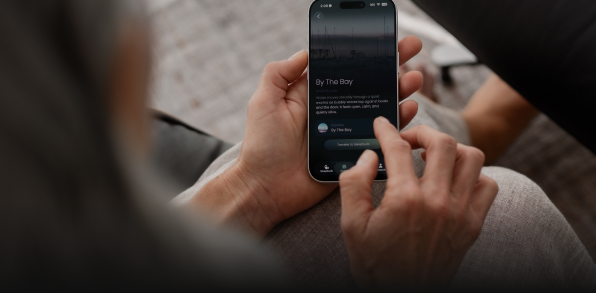
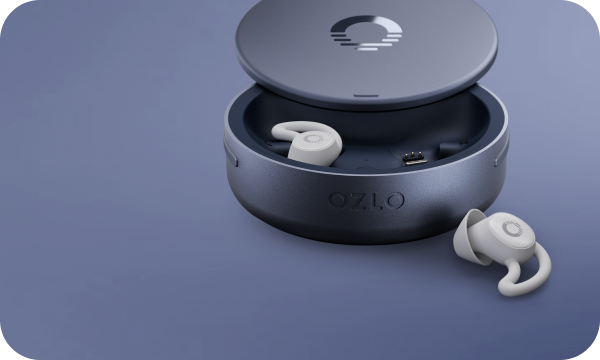
That combination is how Ozlo Sleepbuds 2 work. Recent updates make it more personal, too: Blended Audio, Custom EQ, Find My Sleepbuds, tablet support, and sleep data shown alongside your bedroom's noise, light and temperature.
What is active noise cancellation (ANC)?
Active noise cancellation is technology that uses tiny microphones and a processor to detect incoming sound, then plays an opposing sound wave to cancel part of it before you hear it. It works best on noise that is steady and predictable.
- Where ANC shines: low, constant frequencies such as airplane engines, HVAC systems and the rumble of a subway car.
- Where ANC struggles: sudden, irregular sounds such as a dog barking, a siren passing or a door slamming. They are hard for the system to anticipate.
That's why noise-canceling headphones are a favorite on long-haul flights. A bedroom is a different story: the noises that wake you rarely arrive on a schedule.
How do passive noise blocking and noise masking work?
Passive noise blocking physically limits how much outside sound reaches your ear, and noise masking plays a steady sound that makes the remaining noise less noticeable. One turns the room down; the other smooths out its spikes.
Passive noise blocking
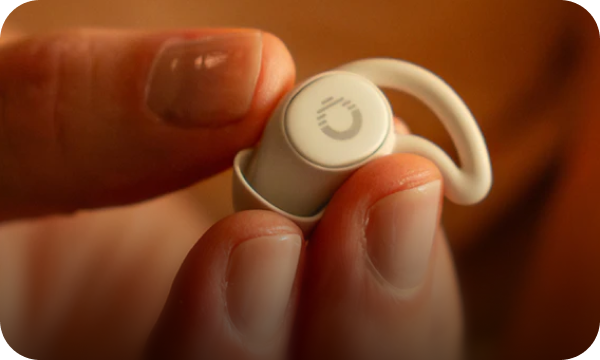
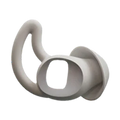
Passive noise blocking needs no microphones, processors or counter-waves. A soft, snug silicone seal softens outside sound before it reaches your eardrum, much like closing a window instead of trying to drown out the traffic behind it. Because it depends on fit, the right eartip size matters more than any setting.
Noise masking
Noise masking gives your brain a consistent, predictable sound, such as rainfall or pink noise, to settle into. In a silent room, a book dropped in the hallway stands out sharply and can wake you. Against a steady background sound, the same thump is less dramatic, so your brain is less likely to react.
This matters because your brain keeps listening while you sleep. Noises that don't fully wake you can still interrupt sleep and leave it feeling less restorative. The goal of masking isn't perfect silence; it's a steadier soundscape.
ANC vs. passive noise blocking vs. noise masking
Each approach handles a different kind of noise, which is why the best sleep setup combines the two that suit a bedroom.
| Approach | How it works | Best against | Weak spot | Effect on size and battery |
|---|---|---|---|---|
| Active noise cancellation (ANC) | Microphones detect noise; the earbud plays an opposing sound wave | Steady, low-frequency hum: engines, HVAC | Sudden, irregular noise; some people feel ear "pressure" | Adds microphones, processors and power draw: bulkier, shorter battery |
| Passive noise blocking | A soft silicone seal physically reduces sound entering the ear | Lowering the volume of most outside noise | Only as good as the fit | No extra hardware, so the earbud can sit low for side sleeping |
| Noise masking | A steady sound, like rainfall or pink noise, makes sudden noises less noticeable | Unpredictable sounds: barking, sirens, a dropped book | Smooths noise rather than silencing it | Audio playback only, compatible with all-night use |
Ozlo Sleepbuds 2 combine the last two: the seal turns the room down, and masking smooths out what's left.
Why don't Ozlo Sleepbuds use ANC?
Ozlo Sleepbuds skip ANC because its hardware makes earbuds bigger, drains the battery and can feel uncomfortable, all of which work against sleep. Sleepbuds are designed only for sleep, so we prioritize a tiny profile and all-night performance instead.
- Size: ANC needs microphones, processors and extra power to monitor the room constantly. At a desk, that bulk doesn't matter. Pressed into a pillow all night, every millimeter does.
- Battery: constant monitoring and counter-signaling draw power, so ANC earbuds often struggle to last until morning.
- Comfort: canceling low frequencies can create a plugged-up feeling, like an altitude change. It isn't real pressure, but some people find it hard to sleep with.
- The wrong target: ANC is tuned for steady hum, while sleep is usually broken by sudden sounds.
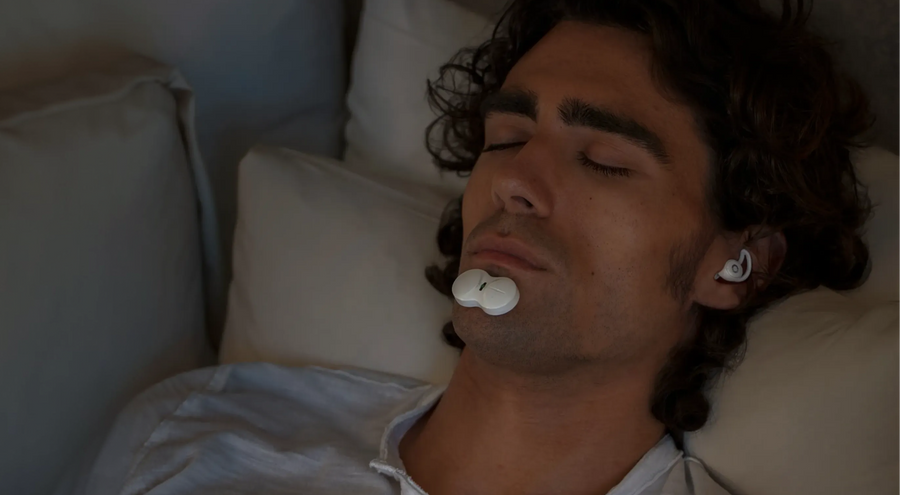
Instead, Sleepbuds 2 pair an ultra-soft silicone seal with carefully designed masking sounds. The result is a bud small enough for side sleepers, secure through the night, with up to 14 hours of battery life in Ozlo testing (streaming audio and Sleep Sounds at 50% volume; results vary).
How can you get more out of Ozlo Sleepbuds 2?
Start with a good seal, then use the latest Sleepbuds 2 updates in the Ozlo app to control what you hear and see how your room affects your sleep.
Get the seal right first
Passive noise blocking only works as well as the fit. If you can still hear a lot of the room, try a different eartip size for a snugger, comfortable seal. Replacement eartips are available if yours are worn.
Blended Audio: a podcast and a Sleep Sound at once
Blended Audio plays your streaming content, like a podcast, audiobook, meditation or music, together with an Ozlo Sleep Sound, and lets you adjust the balance. Tip: keep the podcast forward while you're listening, then let the Sleep Sound take over as you drift off so masking keeps working after the episode ends.
Custom EQ: tune how your Sleepbuds sound
Custom EQ lets you adjust individual audio frequencies, choose presets built for music or spoken audio, or create your own sound profile. Tip: try the spoken-audio preset for clearer voices at a low bedtime volume, or a warmer profile if bright sounds keep you alert.
Find My Sleepbuds: locate a lost bud in the sheets
Find My Sleepbuds uses Bluetooth proximity in the Ozlo app to guide you toward a misplaced Sleepbud, with on-screen cues as you get closer. Once you're nearby, play a sound through the bud to pinpoint it, whether it's under a pillow, between the sheets or beside the bed.
Tablet compatibility: control Sleepbuds from more devices
The Ozlo app now works on compatible tablets, so you can choose sounds, personalize settings and manage your nighttime routine from a second device.
Sleep and room insights: see what's disrupting your nights
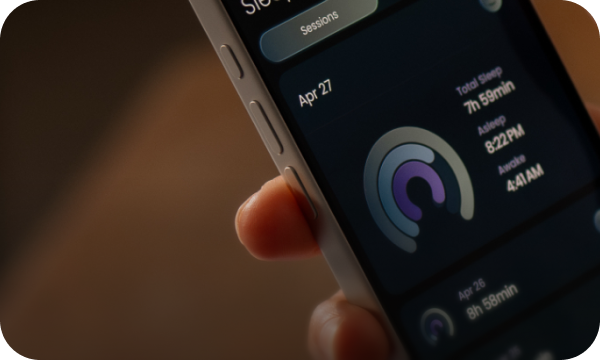
The Ozlo app now shows your sleep stages alongside changes in bedroom noise, light and temperature. It also flags when Sleepbuds protected your sleep from a disruptive noise event, and puts sleep goals and progress front and center. The update was shaped with input from sleep scientist Dr. Rebecca Robbins. Tip: look for patterns, such as lighter sleep that lines up with a temperature rise or early light, then adjust the room.
Frequently asked questions
Can you sleep with noise-canceling earbuds?
You can, but most ANC earbuds aren't built for it. Their extra hardware makes them bulky for side sleeping, the battery may not last the night, and the cancellation can feel like pressure in your ears.
What noises does ANC block best?
ANC works best on steady, low-frequency sound such as airplane engines, HVAC systems and subway rumble. It is less effective against sudden or irregular noises like barking, sirens or slamming doors.
Why does ANC make my ears feel pressure?
Canceling low-frequency sound can create a plugged-up sensation similar to an altitude change. ANC doesn't create actual pressure in your ear, but some people find the feeling uncomfortable enough to disrupt sleep.
Is noise masking the same as white noise?
Not exactly. White noise is one type of masking sound. Noise masking is the goal: using any steady sound, such as pink noise or rainfall, to make disruptive noises less noticeable.
Does noise masking help with snoring?
It can. A snug seal lowers the volume of a partner's snoring, and a steady masking sound makes each snore stand out less, so your brain is less likely to react to it.
Do Ozlo Sleepbuds have active noise cancellation?
No. Ozlo Sleepbuds 2 use passive noise blocking through a soft silicone seal plus noise masking through Ozlo Sleep Sounds. Skipping ANC keeps them small enough for side sleeping and powered through the night.
How long does the Ozlo Sleepbuds 2 battery last?
Up to 14 hours on a single charge in Ozlo testing with streaming audio and Sleep Sounds at 50% volume. Battery life varies with content, volume, Bluetooth use, enabled features and battery age.
Can I listen to a podcast and a Sleep Sound at the same time?
Yes. Blended Audio in the Ozlo app plays streaming content and a Sleep Sound together, and you can adjust the balance between them.
How do I find a lost Sleepbud?
Open Find My Sleepbuds in the Ozlo app. It uses Bluetooth proximity to guide you closer, then plays a sound through the Sleepbud so you can pinpoint it.
Can Ozlo show what's disrupting my sleep?
Yes. The Ozlo app displays your sleep stages alongside bedroom noise, light and temperature, and shows when Sleepbuds protected your sleep from a disruptive noise event.
The bottom line
For sleep, consistency beats silence. ANC is the right tool for a long flight, but a bedroom full of unpredictable sounds calls for a snug seal that turns the room down and a steady masking sound that smooths out the rest. Sleepbuds 2 are built on that approach, and the latest updates let you tune it to your ears, your bedtime content and your room.


